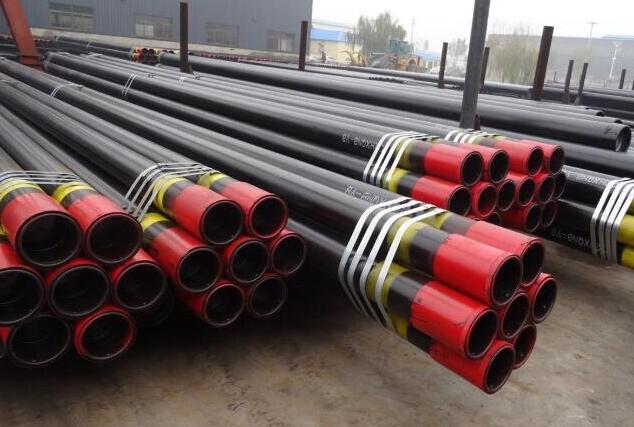
{:en}what is the meaning of octg?{:}{:es}¿cuál es el significado de octg?{:}{:de}Was bedeutet Oktg?{:}{:fr}quelle est la signification de octg ?{:}{:ru}что означает октг?{:}{:it}qual è il significato di octg?{:}{:pl}co oznacza oktg?{:}{:hi}ऑक्टीजी का क्या अर्थ है?{:}{:th}octg หมายถึงอะไร?{:}{:ko}octg의 뜻은 무엇인가요?{:}{:sv}vad är meningen med octg?{:}
{:en} Overview of OCTG: Understanding the Meaning and Importance Oil Country Tubular Goods (OCTG) play a pivotal role in the…
{:en}
Overview of OCTG: Understanding the Meaning and Importance
Oil Country Tubular Goods (OCTG) play a pivotal role in the global energy sector, serving as essential components in the extraction and transportation of oil and natural gas. OCTG refers to a specialized group of products designed to withstand the demanding conditions encountered in the exploration and production of hydrocarbons. These products include casing, tubing, and drill pipes, each fulfilling distinct roles in the lifecycle of an oil or gas well.
Casing, the primary OCTG component, provides structural integrity to the wellbore, preventing it from collapsing and isolating different geological formations. It is typically installed in stages as drilling progresses deeper into the earth. Casing strings are layered within the well to maintain stability and ensure the safe extraction of resources. Tubing, another crucial OCTG component, is used inside the casing to facilitate the production of oil or gas from the reservoir to the surface. Tubing must withstand pressure differentials and corrosive environments while enabling the efficient flow of hydrocarbons.
Drill pipes, although not permanently installed like casing and tubing, are essential during the drilling phase. These hollow steel pipes transmit drilling fluid and rotational torque to the drill bit, enabling the penetration of rock formations. Drill pipes must withstand immense stresses and strains during drilling operations, making their strength and durability paramount to the success of well construction.
The manufacturing of OCTG involves rigorous quality control measures to ensure compliance with stringent industry standards. Steel, known for its strength and resilience, is the primary material used in OCTG production. Different grades of steel are selected based on the specific requirements of the well, including depth, pressure, and environmental conditions. Modern manufacturing techniques, such as seamless pipe production and advanced welding technologies, contribute to the reliability and performance of OCTG products.
The importance of OCTG extends beyond its structural and functional roles. As energy demand continues to rise globally, the efficient extraction and transportation of oil and gas are critical for meeting this demand sustainably. OCTG enables operators to access and produce hydrocarbons from increasingly challenging environments, including deep-sea reservoirs and unconventional shale formations. Its reliability and performance directly impact the economics and viability of energy projects worldwide.
In addition to its technical significance, OCTG plays a vital role in ensuring environmental and operational safety. Well integrity, supported by robust OCTG components, minimizes the risk of oil spills, gas leaks, and environmental contamination. Furthermore, OCTG enhances operational efficiency by reducing downtime and maintenance costs associated with well failures.
The global OCTG market is influenced by various factors, including fluctuations in oil and gas prices, technological advancements in drilling techniques, and regulatory developments affecting the energy sector. Market dynamics drive continuous innovation in OCTG materials and manufacturing processes, aimed at improving performance, longevity, and environmental sustainability.
Looking ahead, the future of OCTG remains intertwined with the evolution of the energy industry. Emerging technologies such as digitalization and automation are poised to enhance the efficiency and reliability of OCTG applications further. Moreover, ongoing efforts to reduce the environmental footprint of oil and gas operations underscore the importance of sustainable practices in OCTG manufacturing and usage.

In conclusion, OCTG represents a cornerstone of the global energy infrastructure, supporting the safe and efficient extraction of oil and gas resources worldwide. Its technical complexity, coupled with its economic and environmental significance, underscores the critical role of OCTG in the energy sector’s sustainable development. As technology advances and industry dynamics evolve, OCTG will continue to adapt and innovate, reinforcing its position as a vital component of modern energy production.
Exploring the Significance of OCTG in the Oil and Gas Industry
In the realm of the oil and gas industry, OCTG stands as a pivotal acronym representing Oil Country Tubular Goods. These materials, comprising primarily of seamless and welded tubes, serve a crucial role in various stages of oil and gas exploration, production, and transportation. The significance of OCTG extends beyond mere utility; it embodies the technological backbone that supports the entire industry’s infrastructure.
At its core, OCTG encompasses a range of tubular products designed to withstand the demanding environments encountered during oil and gas operations. These goods include casing, tubing, and drill pipes, each tailored with specific attributes to meet the stringent requirements of drilling depths, pressures, and corrosive elements prevalent in oil and gas wells worldwide.
oil pipe Suppliers
Casing, for instance, serves as the primary structural component of a well, ensuring its integrity against external forces and preventing collapses. Tubing, on the other hand, facilitates the transportation of oil and gas from the reservoir to the surface, designed to endure corrosive fluids and high pressures encountered during extraction. Drill pipes, essential in the drilling process, transmit rotational power and drilling mud to the drill bit, facilitating efficient and effective penetration into the earth’s crust.
The materials used in OCTG must meet rigorous standards to guarantee operational safety and longevity. Typically made from carbon or alloy steel, these tubes undergo stringent testing and inspection protocols to ensure compliance with industry specifications. Factors such as yield strength, corrosion resistance, and weldability are meticulously assessed to mitigate risks associated with operational failures.
In addition to mechanical properties, OCTG selection considers geographical and geological conditions. Wells situated in harsh environments such as offshore rigs or extreme climates demand specialized alloys and coatings to withstand saltwater corrosion, high temperatures, or abrasive drilling conditions effectively. Such customization underscores the versatility of OCTG in adapting to diverse operational challenges across the globe.
Beyond its functional roles, OCTG plays a significant economic role within the oil and gas sector. The costs associated with OCTG constitute a substantial portion of drilling expenditures, reflecting its indispensable nature in well construction and maintenance. Furthermore, the efficiency and reliability of OCTG directly influence overall project timelines and operational success, thereby impacting the profitability and competitiveness of oil and gas ventures.
Environmental considerations also underscore the importance of OCTG in promoting sustainable practices within the industry. Advances in material science and manufacturing techniques continuously enhance OCTG’s performance and longevity, reducing the environmental footprint associated with well maintenance and replacement. Moreover, the recyclability of OCTG materials supports circular economy principles, aligning with broader industry efforts to minimize waste and resource consumption.
Looking ahead, the future of OCTG remains intertwined with technological advancements and evolving industry standards. Innovations in metallurgy, such as the development of high-strength steels and corrosion-resistant alloys, promise to further enhance OCTG’s capabilities in addressing complex drilling challenges. Moreover, digitalization and data-driven approaches enable real-time monitoring of OCTG performance, optimizing maintenance schedules and extending asset lifespan.
In conclusion, OCTG stands as a cornerstone of the oil and gas industry, embodying technological sophistication, operational reliability, and economic significance. Its evolution continues to shape the landscape of energy exploration and production, underscoring its role in meeting global energy demands while advancing sustainability goals. As the industry navigates challenges and opportunities on the horizon, OCTG remains steadfast in its commitment to supporting safe, efficient, and sustainable oil and gas operations worldwide.{:}{:es}
Descripción general de OCTG: comprensión del significado y la importancia
Los productos tubulares para campos petrolíferos (OCTG) desempeñan un papel fundamental en el sector energético mundial y sirven como componentes esenciales en la extracción y el transporte de petróleo y gas natural. OCTG se refiere a un grupo especializado de productos diseñados para soportar las exigentes condiciones encontradas en la exploración y producción de hidrocarburos. Estos productos incluyen revestimiento, tubería y tuberías de perforación, cada uno de los cuales cumple funciones distintas en el ciclo de vida de un pozo de petróleo o gas.
El revestimiento, el componente principal de OCTG, proporciona integridad estructural al pozo, evitando que colapse y aislando diferentes formaciones geológicas. . Por lo general, se instala en etapas a medida que la perforación avanza más profundamente en la tierra. Las sartas de revestimiento están colocadas en capas dentro del pozo para mantener la estabilidad y garantizar la extracción segura de los recursos. La tubería, otro componente crucial de OCTG, se utiliza dentro de la carcasa para facilitar la producción de petróleo o gas desde el yacimiento hasta la superficie. Las tuberías deben resistir diferencias de presión y ambientes corrosivos y, al mismo tiempo, permitir el flujo eficiente de hidrocarburos.
Las tuberías de perforación, aunque no están instaladas permanentemente como las tuberías de revestimiento y las tuberías, son esenciales durante la fase de perforación. Estos tubos huecos de acero transmiten fluido de perforación y par de rotación a la broca, lo que permite la penetración de formaciones rocosas. Las tuberías de perforación deben soportar inmensas tensiones y tensiones durante las operaciones de perforación, lo que hace que su resistencia y durabilidad sean fundamentales para el éxito de la construcción de pozos.
La fabricación de OCTG implica rigurosas medidas de control de calidad para garantizar el cumplimiento de estrictos estándares de la industria. El acero, conocido por su resistencia y resistencia, es el material principal utilizado en la producción de OCTG. Se seleccionan diferentes grados de acero en función de los requisitos específicos del pozo, incluida la profundidad, la presión y las condiciones ambientales. Las técnicas de fabricación modernas, como la producción de tubos sin costura y las tecnologías de soldadura avanzadas, contribuyen a la confiabilidad y el rendimiento de los productos OCTG.
La importancia de los OCTG se extiende más allá de sus funciones estructurales y funcionales. A medida que la demanda de energía continúa aumentando a nivel mundial, la extracción y el transporte eficientes de petróleo y gas son fundamentales para satisfacer esta demanda de manera sostenible. OCTG permite a los operadores acceder y producir hidrocarburos en entornos cada vez más desafiantes, incluidos yacimientos de aguas profundas y formaciones de esquisto no convencionales. Su confiabilidad y rendimiento impactan directamente la economía y la viabilidad de los proyectos energéticos en todo el mundo.
Además de su importancia técnica, los OCTG desempeñan un papel vital para garantizar la seguridad ambiental y operativa. La integridad del pozo, respaldada por componentes OCTG robustos, minimiza el riesgo de derrames de petróleo, fugas de gas y contaminación ambiental. Además, los OCTG mejoran la eficiencia operativa al reducir el tiempo de inactividad y los costos de mantenimiento asociados con fallas en los pozos.
El mercado global de OCTG está influenciado por varios factores, incluidas las fluctuaciones en los precios del petróleo y el gas, los avances tecnológicos en las técnicas de perforación y los desarrollos regulatorios que afectan al sector energético. . La dinámica del mercado impulsa la innovación continua en materiales y procesos de fabricación OCTG, con el objetivo de mejorar el rendimiento, la longevidad y la sostenibilidad ambiental.
De cara al futuro, el futuro de los OCTG sigue entrelazado con la evolución de la industria energética. Las tecnologías emergentes, como la digitalización y la automatización, están preparadas para mejorar aún más la eficiencia y confiabilidad de las aplicaciones OCTG. Además, los esfuerzos en curso para reducir la huella ambiental de las operaciones de petróleo y gas subrayan la importancia de las prácticas sostenibles en la fabricación y el uso de OCTG.
En conclusión, los OCTG representan una piedra angular de la infraestructura energética global, apoyando la extracción segura y eficiente de recursos de petróleo y gas en todo el mundo. Su complejidad técnica, junto con su importancia económica y ambiental, subraya el papel fundamental de los OCTG en el desarrollo sostenible del sector energético. A medida que la tecnología avance y la dinámica de la industria evolucione, los OCTG seguirán adaptándose e innovando, reforzando su posición como componente vital de la producción de energía moderna.
Explorando la importancia de los OCTG en la industria del petróleo y el gas
En el ámbito de la industria del petróleo y el gas, OCTG es un acrónimo fundamental que representa Oil Country Tubular Goods. Estos materiales, compuestos principalmente de tubos soldados y sin costura, desempeñan un papel crucial en diversas etapas de la exploración, producción y transporte de petróleo y gas. La importancia de los OCTG va más allá de la mera utilidad; representa la columna vertebral tecnológica que respalda toda la infraestructura de la industria.
En esencia, OCTG abarca una gama de productos tubulares diseñados para soportar los entornos exigentes que se encuentran durante las operaciones de petróleo y gas. Estos productos incluyen revestimientos, tuberías y tuberías de perforación, cada uno de ellos diseñado con atributos específicos para cumplir con los estrictos requisitos de profundidad de perforación, presiones y elementos corrosivos que prevalecen en los pozos de petróleo y gas de todo el mundo.
Proveedores de tuberías de aceite
El revestimiento, por ejemplo, sirve como componente estructural principal de un pozo, asegurando su integridad contra fuerzas externas y previniendo colapsos. La tubería, por otro lado, facilita el transporte de petróleo y gas desde el yacimiento a la superficie, diseñada para soportar fluidos corrosivos y altas presiones encontradas durante la extracción. Los tubos de perforación, esenciales en el proceso de perforación, transmiten potencia de rotación y lodo de perforación a la barrena, facilitando una penetración eficiente y efectiva en la corteza terrestre.
Los materiales utilizados en los OCTG deben cumplir estándares rigurosos para garantizar la seguridad operativa y la longevidad. Estos tubos, que suelen estar hechos de acero al carbono o de aleación, se someten a estrictos protocolos de prueba e inspección para garantizar el cumplimiento de las especificaciones de la industria. Factores como el límite elástico, la resistencia a la corrosión y la soldabilidad se evalúan meticulosamente para mitigar los riesgos asociados con fallas operativas.
Además de las propiedades mecánicas, la selección de OCTG considera las condiciones geográficas y geológicas. Los pozos situados en entornos hostiles, como plataformas marinas o climas extremos, exigen aleaciones y recubrimientos especializados para resistir eficazmente la corrosión del agua salada, las altas temperaturas o las condiciones abrasivas de perforación. Esta personalización subraya la versatilidad de los OCTG para adaptarse a diversos desafíos operativos en todo el mundo.
Más allá de sus funciones funcionales, los OCTG desempeñan un papel económico importante dentro del sector del petróleo y el gas. Los costos asociados con los OCTG constituyen una parte sustancial de los gastos de perforación, lo que refleja su naturaleza indispensable en la construcción y el mantenimiento de pozos. Además, la eficiencia y confiabilidad de los OCTG influyen directamente en los cronogramas generales del proyecto y el éxito operativo, lo que impacta la rentabilidad y competitividad de las empresas de petróleo y gas.
Las consideraciones ambientales también subrayan la importancia de los OCTG en la promoción de prácticas sustentables dentro de la industria. Los avances en la ciencia de los materiales y las técnicas de fabricación mejoran continuamente el rendimiento y la longevidad de los OCTG, reduciendo la huella ambiental asociada con el mantenimiento y el reemplazo de los pozos. Además, la reciclabilidad de los materiales OCTG respalda los principios de la economía circular, alineándose con esfuerzos más amplios de la industria para minimizar los residuos y el consumo de recursos.
De cara al futuro, el futuro de los OCTG sigue entrelazado con los avances tecnológicos y los estándares industriales en evolución. Las innovaciones en metalurgia, como el desarrollo de aceros de alta resistencia y aleaciones resistentes a la corrosión, prometen mejorar aún más las capacidades de los OCTG para abordar desafíos complejos de perforación. Además, la digitalización y los enfoques basados en datos permiten monitorear en tiempo real el desempeño de los OCTG, optimizar los programas de mantenimiento y extender la vida útil de los activos.
En conclusión, los OCTG son una piedra angular de la industria del petróleo y el gas, ya que incorporan sofisticación tecnológica, confiabilidad operativa y importancia económica. Su evolución continúa dando forma al panorama de la exploración y producción de energía, subrayando su papel en la satisfacción de las demandas energéticas globales y al mismo tiempo avanzando en los objetivos de sostenibilidad. Mientras la industria navega por los desafíos y oportunidades en el horizonte, OCTG se mantiene firme en su compromiso de respaldar operaciones de petróleo y gas seguras, eficientes y sostenibles en todo el mundo.{:}{:de}
Überblick über OCTG: Bedeutung und Bedeutung verstehen
Oil Country Tubular Goods (OCTG) spielen eine zentrale Rolle im globalen Energiesektor und dienen als wesentliche Komponenten bei der Förderung und dem Transport von Öl und Erdgas. OCTG bezeichnet eine spezielle Gruppe von Produkten, die den anspruchsvollen Bedingungen bei der Exploration und Produktion von Kohlenwasserstoffen standhalten sollen. Zu diesen Produkten gehören Gehäuse, Rohre und Bohrrohre, die jeweils unterschiedliche Rollen im Lebenszyklus eines Öl- oder Gasbohrlochs erfüllen.
Gehäuse, die primäre OCTG-Komponente, sorgen für strukturelle Integrität des Bohrlochs, verhindern dessen Einsturz und isolieren verschiedene geologische Formationen . Der Einbau erfolgt in der Regel stufenweise, während die Bohrung tiefer in die Erde vordringt. Um die Stabilität zu gewährleisten und die sichere Gewinnung von Ressourcen zu gewährleisten, sind innerhalb des Bohrlochs Futterstränge geschichtet. Rohre, eine weitere wichtige OCTG-Komponente, werden im Inneren des Gehäuses verwendet, um die Förderung von Öl oder Gas aus der Lagerstätte an die Oberfläche zu erleichtern. Rohre müssen Druckunterschieden und korrosiven Umgebungen standhalten und gleichzeitig den effizienten Fluss von Kohlenwasserstoffen ermöglichen.
Bohrrohre sind während der Bohrphase unerlässlich, obwohl sie nicht wie Futterrohre und Rohre dauerhaft installiert sind. Diese hohlen Stahlrohre übertragen Bohrflüssigkeit und Drehmoment auf den Bohrer und ermöglichen so das Eindringen in Gesteinsformationen. Bohrgestänge müssen während des Bohrvorgangs enormen Belastungen und Belastungen standhalten, sodass ihre Festigkeit und Haltbarkeit für den Erfolg des Bohrlochbaus von entscheidender Bedeutung sind.
Die Herstellung von OCTG erfordert strenge Qualitätskontrollmaßnahmen, um die Einhaltung strenger Industriestandards sicherzustellen. Stahl, der für seine Festigkeit und Widerstandsfähigkeit bekannt ist, ist das Hauptmaterial für die OCTG-Produktion. Je nach den spezifischen Anforderungen des Bohrlochs, einschließlich Tiefe, Druck und Umgebungsbedingungen, werden verschiedene Stahlsorten ausgewählt. Moderne Fertigungstechniken wie die Herstellung nahtloser Rohre und fortschrittliche Schweißtechnologien tragen zur Zuverlässigkeit und Leistung von OCTG-Produkten bei.
Die Bedeutung von OCTG geht über seine strukturellen und funktionalen Rollen hinaus. Da der Energiebedarf weltweit weiter steigt, sind die effiziente Förderung und der Transport von Öl und Gas von entscheidender Bedeutung, um diesen Bedarf nachhaltig zu decken. OCTG ermöglicht Betreibern den Zugriff auf und die Förderung von Kohlenwasserstoffen aus zunehmend anspruchsvollen Umgebungen, einschließlich Tiefseelagerstätten und unkonventionellen Schieferformationen. Seine Zuverlässigkeit und Leistung wirken sich direkt auf die Wirtschaftlichkeit und Durchführbarkeit von Energieprojekten weltweit aus.
Neben seiner technischen Bedeutung spielt OCTG eine entscheidende Rolle bei der Gewährleistung der Umwelt- und Betriebssicherheit. Die Bohrlochintegrität, unterstützt durch robuste OCTG-Komponenten, minimiert das Risiko von Ölverschmutzungen, Gaslecks und Umweltverschmutzung. Darüber hinaus steigert OCTG die betriebliche Effizienz, indem es Ausfallzeiten und Wartungskosten im Zusammenhang mit Bohrlochausfällen reduziert.
Der globale OCTG-Markt wird von verschiedenen Faktoren beeinflusst, darunter Schwankungen der Öl- und Gaspreise, technologische Fortschritte bei Bohrtechniken und regulatorische Entwicklungen, die sich auf den Energiesektor auswirken . Die Marktdynamik treibt kontinuierliche Innovationen bei OCTG-Materialien und Herstellungsprozessen voran, die auf eine Verbesserung der Leistung, Langlebigkeit und Umweltverträglichkeit abzielen.
Mit Blick auf die Zukunft bleibt die Zukunft von OCTG eng mit der Entwicklung der Energiebranche verknüpft. Neue Technologien wie Digitalisierung und Automatisierung sind bereit, die Effizienz und Zuverlässigkeit von OCTG-Anwendungen weiter zu verbessern. Darüber hinaus unterstreichen die laufenden Bemühungen zur Reduzierung des ökologischen Fußabdrucks von Öl- und Gasbetrieben die Bedeutung nachhaltiger Praktiken bei der Herstellung und Nutzung von OCTG.
Zusammenfassend lässt sich sagen, dass OCTG einen Eckpfeiler der globalen Energieinfrastruktur darstellt und die sichere und effiziente Förderung von Öl- und Gasressourcen weltweit unterstützt. Seine technische Komplexität, gepaart mit seiner wirtschaftlichen und ökologischen Bedeutung, unterstreicht die entscheidende Rolle von OCTG für die nachhaltige Entwicklung des Energiesektors. Im Zuge des technologischen Fortschritts und der sich weiterentwickelnden Branchendynamik wird sich OCTG weiterhin anpassen und innovieren und so seine Position als wichtiger Bestandteil der modernen Energieerzeugung stärken.
Erforschung der Bedeutung von OCTG in der Öl- und Gasindustrie
Im Bereich der Öl- und Gasindustrie ist OCTG ein zentrales Akronym für Oil Country Tubular Goods. Diese Materialien, die hauptsächlich aus nahtlosen und geschweißten Rohren bestehen, spielen in verschiedenen Phasen der Öl- und Gasexploration, -produktion und des Transports eine entscheidende Rolle. Die Bedeutung von OCTG geht über den bloßen Nutzen hinaus; Es verkörpert das technologische Rückgrat, das die gesamte Infrastruktur der Branche unterstützt.
Im Kern umfasst OCTG eine Reihe von Rohrprodukten, die den anspruchsvollen Umgebungen bei Öl- und Gasbetrieben standhalten. Zu diesen Waren gehören Futterrohre, Rohre und Bohrrohre, die jeweils mit spezifischen Eigenschaften zugeschnitten sind, um den strengen Anforderungen an Bohrtiefen, Drücke und korrosiven Elementen gerecht zu werden, die in Öl- und Gasbohrungen weltweit vorherrschen.
Ölrohrlieferanten
Eine Ummantelung beispielsweise dient als primäre Strukturkomponente eines Bohrlochs, um dessen Integrität gegenüber äußeren Kräften zu gewährleisten und Einstürze zu verhindern. Schläuche hingegen erleichtern den Transport von Öl und Gas aus der Lagerstätte an die Oberfläche und sind dafür ausgelegt, korrosiven Flüssigkeiten und hohen Drücken bei der Förderung standzuhalten. Bohrgestänge, die für den Bohrprozess unerlässlich sind, übertragen Rotationskraft und Bohrschlamm auf den Bohrmeißel und ermöglichen so ein effizientes und effektives Eindringen in die Erdkruste.
Die in OCTG verwendeten Materialien müssen strenge Standards erfüllen, um Betriebssicherheit und Langlebigkeit zu gewährleisten. Diese Rohre werden in der Regel aus Kohlenstoffstahl oder legiertem Stahl hergestellt und unterliegen strengen Test- und Inspektionsprotokollen, um die Einhaltung der Branchenspezifikationen sicherzustellen. Faktoren wie Streckgrenze, Korrosionsbeständigkeit und Schweißbarkeit werden sorgfältig bewertet, um Risiken im Zusammenhang mit Betriebsausfällen zu mindern.
Zusätzlich zu den mechanischen Eigenschaften berücksichtigt die OCTG-Auswahl geografische und geologische Bedingungen. Brunnen in rauen Umgebungen wie Offshore-Bohrinseln oder in extremen Klimazonen erfordern spezielle Legierungen und Beschichtungen, um Salzwasserkorrosion, hohen Temperaturen oder abrasiven Bohrbedingungen effektiv standzuhalten. Eine solche Anpassung unterstreicht die Vielseitigkeit von OCTG bei der Anpassung an verschiedene betriebliche Herausforderungen auf der ganzen Welt.
Über seine funktionalen Rollen hinaus spielt OCTG eine bedeutende wirtschaftliche Rolle im Öl- und Gassektor. Die mit OCTG verbundenen Kosten machen einen erheblichen Teil der Bohrausgaben aus, was ihre unverzichtbare Natur beim Bau und der Wartung von Bohrlöchern widerspiegelt. Darüber hinaus wirken sich die Effizienz und Zuverlässigkeit von OCTG direkt auf die gesamten Projektzeitpläne und den Betriebserfolg aus und wirken sich dadurch auf die Rentabilität und Wettbewerbsfähigkeit von Öl- und Gasunternehmen aus.
Umweltaspekte unterstreichen auch die Bedeutung von OCTG für die Förderung nachhaltiger Praktiken in der Branche. Fortschritte in der Materialwissenschaft und den Herstellungstechniken verbessern kontinuierlich die Leistung und Langlebigkeit von OCTG und reduzieren den ökologischen Fußabdruck, der mit der Wartung und dem Austausch von Bohrlöchern verbunden ist. Darüber hinaus unterstützt die Recyclingfähigkeit von OCTG-Materialien die Grundsätze der Kreislaufwirtschaft und steht im Einklang mit den umfassenderen Bemühungen der Industrie, Abfall und Ressourcenverbrauch zu minimieren.
Mit Blick auf die Zukunft bleibt die Zukunft von OCTG mit technologischen Fortschritten und sich weiterentwickelnden Industriestandards verknüpft. Innovationen in der Metallurgie, wie die Entwicklung hochfester Stähle und korrosionsbeständiger Legierungen, versprechen, die Fähigkeiten von OCTG bei der Bewältigung komplexer Bohrherausforderungen weiter zu verbessern. Darüber hinaus ermöglichen Digitalisierung und datengesteuerte Ansätze die Echtzeitüberwachung der OCTG-Leistung, die Optimierung von Wartungsplänen und die Verlängerung der Lebensdauer von Anlagen.
Zusammenfassend lässt sich sagen, dass OCTG ein Eckpfeiler der Öl- und Gasindustrie ist und technologische Raffinesse, Betriebszuverlässigkeit und mehr verkörpert wirtschaftliche Bedeutung. Seine Entwicklung prägt weiterhin die Landschaft der Energieexploration und -produktion und unterstreicht seine Rolle bei der Deckung des globalen Energiebedarfs und der Förderung von Nachhaltigkeitszielen. Während die Branche die Herausforderungen und Chancen am Horizont bewältigt, bleibt OCTG seinem Engagement für die Unterstützung sicherer, effizienter und nachhaltiger Öl- und Gasbetriebe weltweit treu.{:}{:fr}
Aperçu des OCTG : Comprendre la signification et l’importance
Explorer l’importance des OCTG dans l’industrie pétrolière et gazière
Fournisseurs de tuyaux d’huile
Le tubage, par exemple, constitue le principal composant structurel d’un puits, garantissant son intégrité contre les forces extérieures et empêchant les effondrements. Les tubes, quant à eux, facilitent le transport du pétrole et du gaz du réservoir jusqu’à la surface, conçus pour supporter les fluides corrosifs et les hautes pressions rencontrés lors de l’extraction. Les tiges de forage, essentielles au processus de forage, transmettent la puissance de rotation et la boue de forage au trépan, facilitant ainsi une pénétration efficace et effective dans la croûte terrestre.
Les matériaux utilisés dans les OCTG doivent répondre à des normes rigoureuses pour garantir la sécurité opérationnelle et la longévité. Généralement fabriqués à partir d’acier au carbone ou allié, ces tubes sont soumis à des protocoles de tests et d’inspection rigoureux pour garantir leur conformité aux spécifications de l’industrie. Des facteurs tels que la limite d’élasticité, la résistance à la corrosion et la soudabilité sont méticuleusement évalués pour atténuer les risques associés aux défaillances opérationnelles.
En plus des propriétés mécaniques, la sélection des OCTG prend en compte les conditions géographiques et géologiques. Les puits situés dans des environnements difficiles tels que les plates-formes offshore ou les climats extrêmes nécessitent des alliages et des revêtements spécialisés pour résister efficacement à la corrosion par l’eau salée, aux températures élevées ou aux conditions de forage abrasives. Une telle personnalisation souligne la polyvalence des OCTG pour s’adapter à divers défis opérationnels à travers le monde.
Au-delà de ses rôles fonctionnels, les OCTG jouent un rôle économique important dans le secteur pétrolier et gazier. Les coûts associés aux OCTG constituent une part importante des dépenses de forage, reflétant leur caractère indispensable à la construction et à l’entretien des puits. En outre, l’efficacité et la fiabilité des OCTG influencent directement les délais globaux du projet et le succès opérationnel, impactant ainsi la rentabilité et la compétitivité des entreprises pétrolières et gazières.
Les considérations environnementales soulignent également l’importance des OCTG dans la promotion de pratiques durables au sein de l’industrie. Les progrès dans la science des matériaux et les techniques de fabrication améliorent continuellement les performances et la longévité des OCTG, réduisant ainsi l’empreinte environnementale associée à l’entretien et au remplacement des puits. De plus, la recyclabilité des matériaux OCTG soutient les principes de l’économie circulaire, s’alignant sur les efforts plus larges de l’industrie visant à minimiser les déchets et la consommation de ressources.
Pour l’avenir, l’avenir des OCTG reste étroitement lié aux progrès technologiques et à l’évolution des normes industrielles. Les innovations en métallurgie, telles que le développement d’aciers à haute résistance et d’alliages résistants à la corrosion, promettent d’améliorer encore les capacités des OCTG à relever les défis complexes du forage. De plus, la numérisation et les approches basées sur les données permettent de surveiller en temps réel les performances des OCTG, d’optimiser les calendriers de maintenance et de prolonger la durée de vie des actifs.
En conclusion, les OCTG constituent la pierre angulaire de l’industrie pétrolière et gazière, incarnant la sophistication technologique, la fiabilité opérationnelle et importance économique. Son évolution continue de façonner le paysage de l’exploration et de la production énergétiques, soulignant son rôle dans la satisfaction de la demande énergétique mondiale tout en faisant progresser les objectifs de développement durable. Alors que l’industrie fait face aux défis et aux opportunités qui se profilent à l’horizon, OCTG reste fidèle à son engagement à soutenir des opérations pétrolières et gazières sûres, efficaces et durables dans le monde entier.
Exploring the Significance of OCTG in the Oil and Gas Industry
In the realm of the oil and gas industry, OCTG stands as a pivotal acronym representing Oil Country Tubular Goods. These materials, comprising primarily of seamless and welded tubes, serve a crucial role in various stages of oil and gas exploration, production, and transportation. The significance of OCTG extends beyond mere utility; it embodies the technological backbone that supports the entire industry’s infrastructure.
At its core, OCTG encompasses a range of tubular products designed to withstand the demanding environments encountered during oil and gas operations. These goods include casing, tubing, and drill pipes, each tailored with specific attributes to meet the stringent requirements of drilling depths, pressures, and corrosive elements prevalent in oil and gas wells worldwide.
oil pipe Suppliers
Casing, for instance, serves as the primary structural component of a well, ensuring its integrity against external forces and preventing collapses. Tubing, on the other hand, facilitates the transportation of oil and gas from the reservoir to the surface, designed to endure corrosive fluids and high pressures encountered during extraction. Drill pipes, essential in the drilling process, transmit rotational power and drilling mud to the drill bit, facilitating efficient and effective penetration into the earth’s crust.
The materials used in OCTG must meet rigorous standards to guarantee operational safety and longevity. Typically made from carbon or alloy steel, these tubes undergo stringent testing and inspection protocols to ensure compliance with industry specifications. Factors such as yield strength, corrosion resistance, and weldability are meticulously assessed to mitigate risks associated with operational failures.
In addition to mechanical properties, OCTG selection considers geographical and geological conditions. Wells situated in harsh environments such as offshore rigs or extreme climates demand specialized alloys and coatings to withstand saltwater corrosion, high temperatures, or abrasive drilling conditions effectively. Such customization underscores the versatility of OCTG in adapting to diverse operational challenges across the globe.
Beyond its functional roles, OCTG plays a significant economic role within the oil and gas sector. The costs associated with OCTG constitute a substantial portion of drilling expenditures, reflecting its indispensable nature in well construction and maintenance. Furthermore, the efficiency and reliability of OCTG directly influence overall project timelines and operational success, thereby impacting the profitability and competitiveness of oil and gas ventures.
Environmental considerations also underscore the importance of OCTG in promoting sustainable practices within the industry. Advances in material science and manufacturing techniques continuously enhance OCTG’s performance and longevity, reducing the environmental footprint associated with well maintenance and replacement. Moreover, the recyclability of OCTG materials supports circular economy principles, aligning with broader industry efforts to minimize waste and resource consumption.
Looking ahead, the future of OCTG remains intertwined with technological advancements and evolving industry standards. Innovations in metallurgy, such as the development of high-strength steels and corrosion-resistant alloys, promise to further enhance OCTG’s capabilities in addressing complex drilling challenges. Moreover, digitalization and data-driven approaches enable real-time monitoring of OCTG performance, optimizing maintenance schedules and extending asset lifespan.
In conclusion, OCTG stands as a cornerstone of the oil and gas industry, embodying technological sophistication, operational reliability, and economic significance. Its evolution continues to shape the landscape of energy exploration and production, underscoring its role in meeting global energy demands while advancing sustainability goals. As the industry navigates challenges and opportunities on the horizon, OCTG remains steadfast in its commitment to supporting safe, efficient, and sustainable oil and gas operations worldwide.{:}{:ru}
Обзор OCTG: понимание значения и важности
Трубная продукция Oil Country (OCTG) играет ключевую роль в мировом энергетическом секторе, выступая в качестве важнейшего компонента в добыче и транспортировке нефти и природного газа. OCTG относится к специализированной группе продуктов, предназначенных для работы в сложных условиях, возникающих при разведке и добыче углеводородов. К этой продукции относятся обсадные, насосно-компрессорные и бурильные трубы, каждая из которых выполняет определенную роль в жизненном цикле нефтяной или газовой скважины.
Обсадная колонна, основной компонент OCTG, обеспечивает структурную целостность ствола скважины, предотвращая его обрушение и изолируя различные геологические образования. . Обычно его устанавливают поэтапно по мере продвижения бурения вглубь земли. Обсадные колонны располагаются внутри скважины слоями для поддержания устойчивости и обеспечения безопасной добычи ресурсов. Трубы, еще один важный компонент OCTG, используются внутри обсадной колонны для облегчения добычи нефти или газа из пласта на поверхность. Трубопроводы должны выдерживать перепады давления и агрессивную среду, обеспечивая при этом эффективный поток углеводородов.
Бурильные трубы, хотя и не установлены стационарно, как обсадные трубы и насосно-компрессорные трубы, необходимы на этапе бурения. Эти полые стальные трубы передают буровой раствор и вращающий момент на буровое долото, позволяя проникать в горные породы. Бурильные трубы должны выдерживать огромные нагрузки и деформации во время буровых работ, поэтому их прочность и долговечность имеют первостепенное значение для успеха строительства скважин.
Производство труб OCTG предполагает строгие меры контроля качества, обеспечивающие соответствие строгим отраслевым стандартам. Сталь, известная своей прочностью и устойчивостью, является основным материалом, используемым в производстве OCTG. Различные марки стали выбираются в зависимости от конкретных требований скважины, включая глубину, давление и условия окружающей среды. Современные технологии производства, такие как производство бесшовных труб и передовые технологии сварки, способствуют надежности и производительности продукции OCTG.
Важность OCTG выходит за рамки ее структурной и функциональной роли. Поскольку спрос на энергию во всем мире продолжает расти, эффективная добыча и транспортировка нефти и газа имеют решающее значение для устойчивого удовлетворения этого спроса. OCTG позволяет операторам получать доступ к углеводородам и добывать их во все более сложных условиях, включая глубоководные резервуары и нетрадиционные сланцевые формации. Его надежность и производительность напрямую влияют на экономику и жизнеспособность энергетических проектов во всем мире.
Помимо своего технического значения, OCTG играет жизненно важную роль в обеспечении экологической и эксплуатационной безопасности. Целостность скважины, поддерживаемая надежными компонентами OCTG, сводит к минимуму риск разливов нефти, утечек газа и загрязнения окружающей среды. Кроме того, OCTG повышает эксплуатационную эффективность за счет сокращения простоев и затрат на техническое обслуживание, связанных с авариями скважин. . Динамика рынка стимулирует постоянные инновации в материалах и производственных процессах OCTG, направленные на повышение производительности, долговечности и экологической устойчивости.
Заглядывая в будущее, можно сказать, что будущее OCTG по-прежнему связано с развитием энергетической отрасли. Новые технологии, такие как цифровизация и автоматизация, призваны еще больше повысить эффективность и надежность приложений OCTG. Более того, продолжающиеся усилия по снижению воздействия нефтегазовых операций на окружающую среду подчеркивают важность устойчивых методов производства и использования OCTG.
В заключение, OCTG представляет собой краеугольный камень глобальной энергетической инфраструктуры, поддерживая безопасную и эффективную добычу ресурсов нефти и газа во всем мире. Его техническая сложность в сочетании с его экономической и экологической значимостью подчеркивает решающую роль OCTG в устойчивом развитии энергетического сектора. По мере развития технологий и развития отрасли OCTG будет продолжать адаптироваться и внедрять инновации, укрепляя свои позиции в качестве жизненно важного компонента современного производства энергии.
Изучение значения OCTG в нефтегазовой отрасли
В нефтегазовой отрасли OCTG представляет собой ключевую аббревиатуру, обозначающую трубную продукцию нефтяной страны. Эти материалы, состоящие в основном из бесшовных и сварных труб, играют решающую роль на различных этапах разведки, добычи и транспортировки нефти и газа. Значение OCTG выходит за рамки простой полезности; он воплощает в себе технологическую основу, поддерживающую всю инфраструктуру отрасли.
По своей сути, OCTG включает в себя ряд трубной продукции, предназначенной для работы в сложных условиях, с которыми сталкиваются во время нефтегазовых операций. В число этих товаров входят обсадные, насосно-компрессорные и бурильные трубы, каждая из которых имеет особые характеристики, отвечающие строгим требованиям глубины бурения, давления и коррозионных элементов, распространенных в нефтяных и газовых скважинах по всему миру.
Поставщики нефтяных труб
Обсадная колонна, например, служит основным структурным компонентом скважины, обеспечивая ее целостность от внешних сил и предотвращая обрушение. С другой стороны, насосно-компрессорные трубы облегчают транспортировку нефти и газа из пласта на поверхность и предназначены для выдерживания агрессивных жидкостей и высокого давления, возникающих во время добычи. Бурильные трубы, необходимые в процессе бурения, передают вращательную мощность и буровой раствор на буровое долото, способствуя эффективному и действенному проникновению в земную кору.
Материалы, используемые в OCTG, должны соответствовать строгим стандартам, чтобы гарантировать эксплуатационную безопасность и долговечность. Обычно эти трубы изготавливаются из углеродистой или легированной стали и проходят строгие протоколы испытаний и проверок для обеспечения соответствия отраслевым спецификациям. Такие факторы, как предел текучести, коррозионная стойкость и свариваемость, тщательно оцениваются, чтобы снизить риски, связанные с эксплуатационными сбоями.
Помимо механических свойств, при выборе OCTG учитываются географические и геологические условия. Скважины, расположенные в суровых условиях, таких как морские буровые установки или в экстремальном климате, требуют специальных сплавов и покрытий, чтобы эффективно противостоять коррозии в соленой воде, высоким температурам или абразивным условиям бурения. Такая индивидуализация подчеркивает универсальность OCTG при адаптации к различным эксплуатационным задачам по всему миру.
Помимо своих функциональных ролей, OCTG играет важную экономическую роль в нефтегазовом секторе. Затраты, связанные с OCTG, составляют значительную часть расходов на бурение, что отражает его незаменимый характер при строительстве и обслуживании скважин. Кроме того, эффективность и надежность OCTG напрямую влияют на общие сроки проекта и операционный успех, тем самым влияя на прибыльность и конкурентоспособность нефтегазовых предприятий. Экологические соображения также подчеркивают важность OCTG в продвижении устойчивых методов в отрасли. Достижения в области материаловедения и производственных технологий постоянно повышают производительность и долговечность OCTG, уменьшая воздействие на окружающую среду, связанное с обслуживанием и заменой скважин. Более того, возможность вторичной переработки материалов OCTG поддерживает принципы экономики замкнутого цикла, согласуясь с более широкими усилиями отрасли по минимизации отходов и потребления ресурсов. Заглядывая в будущее, можно сказать, что будущее OCTG по-прежнему связано с технологическими достижениями и развивающимися отраслевыми стандартами. Инновации в металлургии, такие как разработка высокопрочных сталей и коррозионностойких сплавов, обещают еще больше расширить возможности OCTG в решении сложных задач бурения. Более того, цифровизация и подходы, основанные на данных, позволяют отслеживать работу OCTG в режиме реального времени, оптимизировать графики технического обслуживания и продлевать срок службы активов.
В заключение, OCTG является краеугольным камнем нефтегазовой отрасли, воплощая технологическую сложность, эксплуатационную надежность и экономическое значение. Ее эволюция продолжает формировать ландшафт разведки и добычи энергии, подчеркивая ее роль в удовлетворении глобальных энергетических потребностей и одновременном достижении целей устойчивого развития. В то время как отрасль сталкивается с проблемами и возможностями на горизонте, OCTG остается непоколебимым в своем стремлении поддерживать безопасные, эффективные и устойчивые нефтегазовые операции по всему миру.{:}{:it}
Panoramica di OCTG: comprensione del significato e dell’importanza
I prodotti tubolari petroliferi (OCTG) svolgono un ruolo fondamentale nel settore energetico globale, fungendo da componenti essenziali nell’estrazione e nel trasporto di petrolio e gas naturale. OCTG si riferisce a un gruppo specializzato di prodotti progettati per resistere alle difficili condizioni incontrate nell’esplorazione e nella produzione di idrocarburi. Questi prodotti includono involucri, tubi e aste di perforazione, ciascuno dei quali svolge ruoli distinti nel ciclo di vita di un pozzo di petrolio o gas.
L’involucro, il componente OCTG primario, fornisce integrità strutturale al pozzo, impedendone il collasso e isolando diverse formazioni geologiche . Solitamente viene installato in più fasi man mano che la perforazione avanza più in profondità nel terreno. Le corde dell’involucro sono stratificate all’interno del pozzo per mantenere la stabilità e garantire l’estrazione sicura delle risorse. I tubi, un altro componente cruciale dell’OCTG, vengono utilizzati all’interno dell’involucro per facilitare la produzione di petrolio o gas dal giacimento alla superficie. Le tubazioni devono resistere alle differenze di pressione e agli ambienti corrosivi consentendo al tempo stesso un flusso efficiente di idrocarburi.
I tubi di perforazione, sebbene non installati in modo permanente come tubi e involucri, sono essenziali durante la fase di perforazione. Questi tubi cavi in acciaio trasmettono il fluido di perforazione e la coppia di rotazione alla punta del trapano, consentendo la penetrazione delle formazioni rocciose. Le aste di perforazione devono resistere a enormi sollecitazioni e sollecitazioni durante le operazioni di perforazione, rendendo la loro resistenza e durata fondamentali per il successo della costruzione dei pozzi.
La produzione di OCTG prevede rigorose misure di controllo qualità per garantire la conformità ai rigorosi standard di settore. L’acciaio, noto per la sua resistenza e resilienza, è il materiale principale utilizzato nella produzione di OCTG. Diversi gradi di acciaio vengono selezionati in base ai requisiti specifici del pozzo, tra cui profondità, pressione e condizioni ambientali. Le moderne tecniche di produzione, come la produzione di tubi senza saldatura e tecnologie di saldatura avanzate, contribuiscono all’affidabilità e alle prestazioni dei prodotti OCTG.
L’importanza degli OCTG va oltre i suoi ruoli strutturali e funzionali. Poiché la domanda di energia continua ad aumentare a livello globale, l’estrazione e il trasporto efficienti di petrolio e gas sono fondamentali per soddisfare questa domanda in modo sostenibile. L’OCTG consente agli operatori di accedere e produrre idrocarburi da ambienti sempre più difficili, compresi i giacimenti di acque profonde e le formazioni di scisto non convenzionali. La sua affidabilità e prestazioni influiscono direttamente sull’economia e sulla fattibilità dei progetti energetici in tutto il mondo.
Oltre al suo significato tecnico, OCTG svolge un ruolo vitale nel garantire la sicurezza ambientale e operativa. L’integrità del pozzo, supportata da robusti componenti OCTG, riduce al minimo il rischio di fuoriuscite di petrolio, perdite di gas e contaminazione ambientale. Inoltre, gli OCTG migliorano l’efficienza operativa riducendo i tempi di inattività e i costi di manutenzione associati ai guasti dei pozzi.
Il mercato globale degli OCTG è influenzato da vari fattori, tra cui le fluttuazioni dei prezzi del petrolio e del gas, i progressi tecnologici nelle tecniche di perforazione e gli sviluppi normativi che interessano il settore energetico . Le dinamiche del mercato guidano l’innovazione continua nei materiali e nei processi produttivi OCTG, volta a migliorare le prestazioni, la longevità e la sostenibilità ambientale.
Guardando al futuro, il futuro degli OCTG resta intrecciato con l’evoluzione del settore energetico. Tecnologie emergenti come la digitalizzazione e l’automazione sono destinate a migliorare ulteriormente l’efficienza e l’affidabilità delle applicazioni OCTG. Inoltre, gli sforzi in corso per ridurre l’impronta ambientale delle operazioni di petrolio e gas sottolineano l’importanza di pratiche sostenibili nella produzione e nell’utilizzo di OCTG.
In conclusione, l’OCTG rappresenta una pietra angolare dell’infrastruttura energetica globale, supportando l’estrazione sicura ed efficiente delle risorse di petrolio e gas in tutto il mondo. La sua complessità tecnica, unita alla sua importanza economica e ambientale, sottolinea il ruolo fondamentale dell’OCTG nello sviluppo sostenibile del settore energetico. Man mano che la tecnologia avanza e le dinamiche del settore si evolvono, OCTG continuerà ad adattarsi e a innovare, rafforzando la sua posizione come componente vitale della moderna produzione di energia.
Esplorazione dell’importanza degli OCTG nell’industria del petrolio e del gas
Nel settore dell’industria petrolifera e del gas, OCTG rappresenta un acronimo fondamentale che rappresenta Oil Country Tubular Goods. Questi materiali, costituiti principalmente da tubi senza saldatura e saldati, svolgono un ruolo cruciale nelle varie fasi di esplorazione, produzione e trasporto di petrolio e gas. L’importanza dell’OCTG va oltre la semplice utilità; incarna la spina dorsale tecnologica che supporta l’intera infrastruttura del settore.
Al centro, OCTG comprende una gamma di prodotti tubolari progettati per resistere agli ambienti difficili incontrati durante le operazioni di petrolio e gas. Questi beni includono involucri, tubi e aste di perforazione, ciascuno personalizzato con attributi specifici per soddisfare i severi requisiti di profondità di perforazione, pressioni ed elementi corrosivi prevalenti nei pozzi di petrolio e gas in tutto il mondo.
Fornitori tubi olio
L’involucro, ad esempio, funge da componente strutturale primario di un pozzo, garantendone l’integrità contro le forze esterne e prevenendone i crolli. I tubi, d’altro canto, facilitano il trasporto di petrolio e gas dal giacimento alla superficie, progettati per resistere ai fluidi corrosivi e alle alte pressioni incontrate durante l’estrazione. Le aste di perforazione, essenziali nel processo di perforazione, trasmettono la potenza di rotazione e il fango di perforazione alla punta di perforazione, facilitando una penetrazione efficiente ed efficace nella crosta terrestre.
I materiali utilizzati nell’OCTG devono soddisfare standard rigorosi per garantire sicurezza operativa e longevità. Solitamente realizzati in acciaio al carbonio o legato, questi tubi sono sottoposti a rigorosi protocolli di test e ispezione per garantire la conformità alle specifiche del settore. Fattori quali carico di snervamento, resistenza alla corrosione e saldabilità vengono valutati meticolosamente per mitigare i rischi associati a guasti operativi.
Oltre alle proprietà meccaniche, la selezione degli OCTG considera le condizioni geografiche e geologiche. I pozzi situati in ambienti difficili come impianti offshore o climi estremi richiedono leghe e rivestimenti specializzati per resistere in modo efficace alla corrosione dell’acqua salata, alle alte temperature o alle condizioni di perforazione abrasive. Tale personalizzazione sottolinea la versatilità dell’OCTG nell’adattarsi alle diverse sfide operative in tutto il mondo.
Al di là dei suoi ruoli funzionali, l’OCTG svolge un ruolo economico significativo nel settore del petrolio e del gas. I costi associati all’OCTG costituiscono una parte sostanziale delle spese di perforazione, riflettendo la sua natura indispensabile nella costruzione e nella manutenzione dei pozzi. Inoltre, l’efficienza e l’affidabilità degli OCTG influenzano direttamente le tempistiche complessive del progetto e il successo operativo, incidendo così sulla redditività e sulla competitività delle imprese petrolifere e del gas.
Considerazioni ambientali sottolineano anche l’importanza degli OCTG nella promozione di pratiche sostenibili all’interno del settore. I progressi nella scienza dei materiali e nelle tecniche di produzione migliorano continuamente le prestazioni e la longevità degli OCTG, riducendo l’impatto ambientale associato alla manutenzione e alla sostituzione dei pozzi. Inoltre, la riciclabilità dei materiali OCTG supporta i principi dell’economia circolare, allineandosi con gli sforzi più ampi del settore volti a ridurre al minimo i rifiuti e il consumo di risorse.
Guardando al futuro, il futuro degli OCTG rimane intrecciato con i progressi tecnologici e l’evoluzione degli standard di settore. Le innovazioni nella metallurgia, come lo sviluppo di acciai ad alta resistenza e leghe resistenti alla corrosione, promettono di migliorare ulteriormente le capacità di OCTG nell’affrontare complesse sfide di perforazione. Inoltre, la digitalizzazione e gli approcci basati sui dati consentono il monitoraggio in tempo reale delle prestazioni dell’OCTG, l’ottimizzazione dei programmi di manutenzione e l’estensione della durata di vita delle risorse.
In conclusione, l’OCTG rappresenta una pietra angolare dell’industria petrolifera e del gas, incarnando sofisticazione tecnologica, affidabilità operativa e significato economico. La sua evoluzione continua a modellare il panorama dell’esplorazione e della produzione energetica, sottolineando il suo ruolo nel soddisfare la domanda energetica globale e nel portare avanti gli obiettivi di sostenibilità. Mentre il settore affronta le sfide e le opportunità all’orizzonte, OCTG rimane costante nel suo impegno a supportare operazioni di petrolio e gas sicure, efficienti e sostenibili in tutto il mondo.{:}{:pl}
Przegląd OCTG: Zrozumienie znaczenia i znaczenia
Oil Country Tubular Goods (OCTG) odgrywają kluczową rolę w światowym sektorze energetycznym, służąc jako podstawowe komponenty w wydobyciu i transporcie ropy naftowej i gazu ziemnego. OCTG to wyspecjalizowana grupa produktów zaprojektowanych tak, aby sprostać wymagającym warunkom spotykanym podczas poszukiwań i wydobycia węglowodorów. Produkty te obejmują obudowy, przewody rurowe i rury wiertnicze, z których każdy pełni odrębną rolę w cyklu życia odwiertu ropy lub gazu.
Obudowa, główny element OCTG, zapewnia integralność strukturalną odwiertu, zapobiegając jego zapadaniu się i izolując różne formacje geologiczne . Zwykle instaluje się go etapami, w miarę postępu wiercenia w głąb ziemi. Struny osłonowe są ułożone warstwowo w studni, aby zachować stabilność i zapewnić bezpieczne wydobycie zasobów. Rury, kolejny ważny element OCTG, są stosowane wewnątrz obudowy w celu ułatwienia wydobycia ropy lub gazu ze złoża na powierzchnię. Rury muszą wytrzymywać różnice ciśnień i środowiska korozyjne, umożliwiając jednocześnie efektywny przepływ węglowodorów.
Rury wiertnicze, chociaż nie są instalowane na stałe jak rury osłonowe i rurowe, są niezbędne na etapie wiercenia. Te puste w środku rury stalowe przekazują płyn wiertniczy i moment obrotowy na wiertło, umożliwiając penetrację formacji skalnych. Rury wiertnicze muszą wytrzymywać ogromne naprężenia i odkształcenia podczas operacji wiertniczych, dlatego ich wytrzymałość i trwałość mają kluczowe znaczenie dla powodzenia budowy studni.
Produkcja OCTG wiąże się z rygorystycznymi środkami kontroli jakości, aby zapewnić zgodność z rygorystycznymi normami branżowymi. Podstawowym materiałem używanym do produkcji OCTG jest stal, znana ze swojej wytrzymałości i sprężystości. Różne gatunki stali wybiera się w oparciu o specyficzne wymagania odwiertu, w tym głębokość, ciśnienie i warunki środowiskowe. Nowoczesne techniki produkcyjne, takie jak produkcja rur bez szwu i zaawansowane technologie spawania, przyczyniają się do niezawodności i wydajności produktów OCTG.
Znaczenie OCTG wykracza poza jego rolę strukturalną i funkcjonalną. Ponieważ zapotrzebowanie na energię stale rośnie na całym świecie, efektywne wydobycie i transport ropy i gazu mają kluczowe znaczenie dla zrównoważonego zaspokojenia tego zapotrzebowania. OCTG umożliwia operatorom dostęp do węglowodorów z coraz bardziej wymagających środowisk, w tym zbiorników głębinowych i niekonwencjonalnych formacji łupkowych, oraz ich produkcję. Jego niezawodność i wydajność mają bezpośredni wpływ na ekonomikę i rentowność projektów energetycznych na całym świecie.
Oprócz swojego znaczenia technicznego, OCTG odgrywa kluczową rolę w zapewnianiu bezpieczeństwa środowiskowego i operacyjnego. Integralność odwiertu, wsparta solidnymi komponentami OCTG, minimalizuje ryzyko wycieków ropy, wycieków gazu i skażenia środowiska. Ponadto OCTG zwiększa efektywność operacyjną poprzez redukcję przestojów i kosztów konserwacji związanych z awariami odwiertów.
Globalny rynek OCTG podlega wpływom różnych czynników, w tym wahaniom cen ropy i gazu, postępowi technologicznemu w technikach wierceń oraz zmianom regulacyjnym wpływającym na sektor energetyczny . Dynamika rynku napędza ciągłe innowacje w materiałach OCTG i procesach produkcyjnych, mające na celu poprawę wydajności, trwałości i zrównoważenia środowiskowego.
Patrząc w przyszłość, przyszłość OCTG pozostaje powiązana z ewolucją przemysłu energetycznego. Pojawiające się technologie, takie jak cyfryzacja i automatyzacja, mają w przyszłości jeszcze bardziej zwiększyć wydajność i niezawodność aplikacji OCTG. Co więcej, ciągłe wysiłki mające na celu zmniejszenie śladu środowiskowego działalności związanej z ropą i gazem podkreślają znaczenie zrównoważonych praktyk w produkcji i użytkowaniu OCTG.
Podsumowując, OCTG stanowi kamień węgielny globalnej infrastruktury energetycznej, wspierając bezpieczne i wydajne wydobycie zasobów ropy i gazu na całym świecie. Jego złożoność techniczna w połączeniu ze znaczeniem gospodarczym i środowiskowym podkreśla kluczową rolę OCTG w zrównoważonym rozwoju sektora energetycznego. Wraz z postępem technologii i ewolucją dynamiki przemysłu, OCTG będzie w dalszym ciągu dostosowywać się i wprowadzać innowacje, wzmacniając swoją pozycję jako istotnego elementu nowoczesnej produkcji energii.
Odkrywanie znaczenia OCTG w przemyśle naftowym i gazowym
W dziedzinie przemysłu naftowego i gazowego OCTG jest kluczowym akronimem oznaczającym towary rurowe Oil Country. Materiały te, składające się głównie z rur bezszwowych i spawanych, odgrywają kluczową rolę na różnych etapach poszukiwań, produkcji i transportu ropy i gazu. Znaczenie OCTG wykracza poza zwykłą użyteczność; uosabia szkielet technologiczny, który wspiera infrastrukturę całej branży.
U podstaw OCTG znajduje się szereg produktów rurowych zaprojektowanych tak, aby wytrzymać wymagające środowiska napotykane podczas operacji naftowych i gazowych. Towary te obejmują obudowy, przewody rurowe i rury wiertnicze, każdy dostosowany pod kątem określonych cech, aby spełnić rygorystyczne wymagania dotyczące głębokości wiercenia, ciśnień i elementów korozyjnych występujących w odwiertach naftowych i gazowych na całym świecie.
Dostawcy rur olejowych
Obudowa na przykład służy jako główny element konstrukcyjny studni, zapewniający jej integralność przed siłami zewnętrznymi i zapobiegający zawaleniom. Rury natomiast ułatwiają transport ropy i gazu ze złoża na powierzchnię, są zaprojektowane tak, aby wytrzymywały żrące płyny i wysokie ciśnienia występujące podczas wydobycia. Rury wiertnicze, niezbędne w procesie wiercenia, przenoszą moc obrotową i płuczkę wiertniczą na wiertło, ułatwiając sprawną i skuteczną penetrację skorupy ziemskiej.
Materiały stosowane w OCTG muszą spełniać rygorystyczne normy, aby zagwarantować bezpieczeństwo operacyjne i trwałość. Rury te, zwykle wykonane ze stali węglowej lub stopowej, przechodzą rygorystyczne protokoły testów i kontroli, aby zapewnić zgodność ze specyfikacjami branżowymi. Czynniki takie jak granica plastyczności, odporność na korozję i spawalność są skrupulatnie oceniane w celu ograniczenia ryzyka związanego z awariami operacyjnymi.
Oprócz właściwości mechanicznych przy wyborze OCTG uwzględnia się warunki geograficzne i geologiczne. Studnie zlokalizowane w trudnych warunkach, takich jak platformy wiertnicze na morzu lub w ekstremalnych klimatach, wymagają specjalistycznych stopów i powłok, aby skutecznie wytrzymać korozję słoną wodą, wysokie temperatury lub ścierne warunki wiercenia. Takie dostosowywanie podkreśla wszechstronność OCTG w dostosowywaniu się do różnorodnych wyzwań operacyjnych na całym świecie.
Oprócz swoich funkcji funkcjonalnych, OCTG odgrywa znaczącą rolę gospodarczą w sektorze ropy i gazu. Koszty związane z OCTG stanowią znaczną część wydatków wiertniczych, co odzwierciedla jego nieodzowną naturę w budowie i utrzymaniu odwiertów. Co więcej, wydajność i niezawodność OCTG bezpośrednio wpływają na ogólny harmonogram projektu i sukces operacyjny, wpływając w ten sposób na rentowność i konkurencyjność przedsięwzięć naftowych i gazowych.
Względy środowiskowe również podkreślają znaczenie OCTG w promowaniu zrównoważonych praktyk w branży. Postępy w materiałoznawstwie i technikach produkcyjnych stale zwiększają wydajność i trwałość OCTG, zmniejszając wpływ na środowisko związany z konserwacją i wymianą odwiertów. Co więcej, możliwość recyklingu materiałów OCTG wspiera zasady gospodarki o obiegu zamkniętym, dopasowując się do szerszych wysiłków branży na rzecz minimalizacji odpadów i zużycia zasobów.
Patrząc w przyszłość, przyszłość OCTG pozostaje powiązana z postępem technologicznym i zmieniającymi się standardami branżowymi. Innowacje w metalurgii, takie jak rozwój stali o wysokiej wytrzymałości i stopów odpornych na korozję, obiecują dalsze zwiększanie możliwości OCTG w stawianiu czoła złożonym wyzwaniom związanym z wierceniem. Co więcej, podejście cyfrowe i oparte na danych umożliwia monitorowanie wydajności OCTG w czasie rzeczywistym, optymalizację harmonogramów konserwacji i wydłużanie żywotności aktywów.
Podsumowując, OCTG jest kamieniem węgielnym przemysłu naftowego i gazowego, ucieleśniając zaawansowanie technologiczne, niezawodność operacyjną i znaczenie gospodarcze. Jego ewolucja w dalszym ciągu kształtuje krajobraz poszukiwań i produkcji energii, podkreślając jego rolę w zaspokajaniu globalnego zapotrzebowania na energię przy jednoczesnym wspieraniu celów zrównoważonego rozwoju. Podczas gdy branża stawia czoła wyzwaniom i możliwościom pojawiającym się na horyzoncie, OCTG niezachwianie angażuje się we wspieranie bezpiecznych, wydajnych i zrównoważonych operacji naftowo-gazowych na całym świecie.{:}{:hi}
ओसीटीजी का अवलोकन: अर्थ और महत्व को समझना
ऑयल कंट्री ट्यूबलर गुड्स (OCTG) वैश्विक ऊर्जा क्षेत्र में एक महत्वपूर्ण भूमिका निभाते हैं, जो तेल और प्राकृतिक गैस के निष्कर्षण और परिवहन में आवश्यक घटकों के रूप में कार्य करते हैं। OCTG हाइड्रोकार्बन की खोज और उत्पादन में आने वाली कठिन परिस्थितियों का सामना करने के लिए डिज़ाइन किए गए उत्पादों के एक विशेष समूह को संदर्भित करता है। इन उत्पादों में केसिंग, ट्यूबिंग और ड्रिल पाइप शामिल हैं, प्रत्येक एक तेल या गैस कुएं के जीवनचक्र में अलग-अलग भूमिका निभाते हैं।
केसिंग, प्राथमिक ओसीटीजी घटक, वेलबोर को संरचनात्मक अखंडता प्रदान करता है, इसे ढहने से रोकता है और विभिन्न भूवैज्ञानिक संरचनाओं को अलग करता है . इसे आम तौर पर चरणों में स्थापित किया जाता है क्योंकि ड्रिलिंग धरती में गहराई तक बढ़ती है। स्थिरता बनाए रखने और संसाधनों की सुरक्षित निकासी सुनिश्चित करने के लिए कुएं के भीतर केसिंग स्ट्रिंग्स की परतें बिछाई जाती हैं। टयूबिंग, एक अन्य महत्वपूर्ण ओसीटीजी घटक, का उपयोग जलाशय से सतह तक तेल या गैस के उत्पादन को सुविधाजनक बनाने के लिए आवरण के अंदर किया जाता है। हाइड्रोकार्बन के कुशल प्रवाह को सक्षम करते समय टयूबिंग को दबाव अंतर और संक्षारक वातावरण का सामना करना होगा। ड्रिल पाइप, हालांकि आवरण और टयूबिंग की तरह स्थायी रूप से स्थापित नहीं होते हैं, ड्रिलिंग चरण के दौरान आवश्यक होते हैं। ये खोखले स्टील पाइप ड्रिलिंग तरल पदार्थ और घूर्णी टॉर्क को ड्रिल बिट तक पहुंचाते हैं, जिससे चट्टान संरचनाओं में प्रवेश संभव हो जाता है। ड्रिलिंग संचालन के दौरान ड्रिल पाइपों को अत्यधिक तनाव और खिंचाव का सामना करना पड़ता है, जिससे उनकी ताकत और स्थायित्व कुएं के निर्माण की सफलता के लिए सर्वोपरि हो जाती है।
OCTG के निर्माण में कड़े उद्योग मानकों के अनुपालन को सुनिश्चित करने के लिए कठोर गुणवत्ता नियंत्रण उपाय शामिल हैं। स्टील, जो अपनी ताकत और लचीलेपन के लिए जाना जाता है, ओसीटीजी उत्पादन में उपयोग की जाने वाली प्राथमिक सामग्री है। गहराई, दबाव और पर्यावरणीय स्थितियों सहित कुएं की विशिष्ट आवश्यकताओं के आधार पर स्टील के विभिन्न ग्रेड का चयन किया जाता है। आधुनिक विनिर्माण तकनीकें, जैसे निर्बाध पाइप उत्पादन और उन्नत वेल्डिंग प्रौद्योगिकियां, OCTG उत्पादों की विश्वसनीयता और प्रदर्शन में योगदान करती हैं।
OCTG का महत्व इसकी संरचनात्मक और कार्यात्मक भूमिकाओं से परे है। चूंकि विश्व स्तर पर ऊर्जा की मांग लगातार बढ़ रही है, इस मांग को स्थायी रूप से पूरा करने के लिए तेल और गैस का कुशल निष्कर्षण और परिवहन महत्वपूर्ण है। OCTG ऑपरेटरों को गहरे समुद्र के जलाशयों और अपरंपरागत शेल संरचनाओं सहित तेजी से चुनौतीपूर्ण वातावरण से हाइड्रोकार्बन तक पहुंचने और उत्पादन करने में सक्षम बनाता है। इसकी विश्वसनीयता और प्रदर्शन दुनिया भर में ऊर्जा परियोजनाओं की अर्थव्यवस्था और व्यवहार्यता पर सीधे प्रभाव डालता है। अपने तकनीकी महत्व के अलावा, OCTG पर्यावरण और परिचालन सुरक्षा सुनिश्चित करने में महत्वपूर्ण भूमिका निभाता है। अच्छी तरह से अखंडता, मजबूत ओसीटीजी घटकों द्वारा समर्थित, तेल रिसाव, गैस रिसाव और पर्यावरण प्रदूषण के जोखिम को कम करती है। इसके अलावा, OCTG कुएं की विफलता से जुड़े डाउनटाइम और रखरखाव लागत को कम करके परिचालन दक्षता को बढ़ाता है। वैश्विक OCTG बाजार विभिन्न कारकों से प्रभावित होता है, जिसमें तेल और गैस की कीमतों में उतार-चढ़ाव, ड्रिलिंग तकनीकों में तकनीकी प्रगति और ऊर्जा क्षेत्र को प्रभावित करने वाले नियामक विकास शामिल हैं। . बाजार की गतिशीलता OCTG सामग्रियों और विनिर्माण प्रक्रियाओं में निरंतर नवाचार को बढ़ावा देती है, जिसका उद्देश्य प्रदर्शन, दीर्घायु और पर्यावरणीय स्थिरता में सुधार करना है।
आगे देखते हुए, OCTG का भविष्य ऊर्जा उद्योग के विकास के साथ जुड़ा हुआ है। डिजिटलीकरण और स्वचालन जैसी उभरती प्रौद्योगिकियां OCTG अनुप्रयोगों की दक्षता और विश्वसनीयता को और बढ़ाने के लिए तैयार हैं। इसके अलावा, तेल और गैस संचालन के पर्यावरणीय पदचिह्न को कम करने के लिए चल रहे प्रयास OCTG विनिर्माण और उपयोग में टिकाऊ प्रथाओं के महत्व को रेखांकित करते हैं।
निष्कर्ष में, OCTG वैश्विक ऊर्जा बुनियादी ढांचे की आधारशिला का प्रतिनिधित्व करता है, जो दुनिया भर में तेल और गैस संसाधनों के सुरक्षित और कुशल निष्कर्षण का समर्थन करता है। इसकी तकनीकी जटिलता, इसके आर्थिक और पर्यावरणीय महत्व के साथ मिलकर, ऊर्जा क्षेत्र के सतत विकास में ओसीटीजी की महत्वपूर्ण भूमिका को रेखांकित करती है। जैसे-जैसे प्रौद्योगिकी आगे बढ़ती है और उद्योग की गतिशीलता विकसित होती है, OCTG आधुनिक ऊर्जा उत्पादन के एक महत्वपूर्ण घटक के रूप में अपनी स्थिति को मजबूत करते हुए अनुकूलन और नवाचार करना जारी रखेगा।
तेल और गैस उद्योग में OCTG के महत्व की खोज
तेल और गैस उद्योग के क्षेत्र में, OCTG ऑयल कंट्री ट्यूबलर गुड्स का प्रतिनिधित्व करने वाला एक महत्वपूर्ण संक्षिप्त नाम है। ये सामग्रियां, जिनमें मुख्य रूप से सीमलेस और वेल्डेड ट्यूब शामिल हैं, तेल और गैस की खोज, उत्पादन और परिवहन के विभिन्न चरणों में महत्वपूर्ण भूमिका निभाती हैं। OCTG का महत्व महज़ उपयोगिता तक ही सीमित नहीं है; यह तकनीकी रीढ़ का प्रतीक है जो पूरे उद्योग के बुनियादी ढांचे का समर्थन करता है। इसके मूल में, OCTG में तेल और गैस संचालन के दौरान आने वाले मांग वाले वातावरण का सामना करने के लिए डिज़ाइन किए गए ट्यूबलर उत्पादों की एक श्रृंखला शामिल है। इन सामानों में केसिंग, ट्यूबिंग और ड्रिल पाइप शामिल हैं, प्रत्येक को दुनिया भर में तेल और गैस कुओं में प्रचलित ड्रिलिंग गहराई, दबाव और संक्षारक तत्वों की कठोर आवश्यकताओं को पूरा करने के लिए विशिष्ट विशेषताओं के साथ तैयार किया गया है।
तेल पाइप आपूर्तिकर्ता
Casing, for instance, serves as the primary structural component of a well, ensuring its integrity against external forces and preventing collapses. Tubing, on the other hand, facilitates the transportation of oil and gas from the reservoir to the surface, designed to endure corrosive fluids and high pressures encountered during extraction. Drill pipes, essential in the drilling process, transmit rotational power and drilling mud to the drill bit, facilitating efficient and effective penetration into the earth’s crust.
The materials used in OCTG must meet rigorous standards to guarantee operational safety and longevity. Typically made from carbon or alloy steel, these tubes undergo stringent testing and inspection protocols to ensure compliance with industry specifications. Factors such as yield strength, corrosion resistance, and weldability are meticulously assessed to mitigate risks associated with operational failures.
In addition to mechanical properties, OCTG selection considers geographical and geological conditions. Wells situated in harsh environments such as offshore rigs or extreme climates demand specialized alloys and coatings to withstand saltwater corrosion, high temperatures, or abrasive drilling conditions effectively. Such customization underscores the versatility of OCTG in adapting to diverse operational challenges across the globe.
Beyond its functional roles, OCTG plays a significant economic role within the oil and gas sector. The costs associated with OCTG constitute a substantial portion of drilling expenditures, reflecting its indispensable nature in well construction and maintenance. Furthermore, the efficiency and reliability of OCTG directly influence overall project timelines and operational success, thereby impacting the profitability and competitiveness of oil and gas ventures.
Environmental considerations also underscore the importance of OCTG in promoting sustainable practices within the industry. Advances in material science and manufacturing techniques continuously enhance OCTG’s performance and longevity, reducing the environmental footprint associated with well maintenance and replacement. Moreover, the recyclability of OCTG materials supports circular economy principles, aligning with broader industry efforts to minimize waste and resource consumption.
Looking ahead, the future of OCTG remains intertwined with technological advancements and evolving industry standards. Innovations in metallurgy, such as the development of high-strength steels and corrosion-resistant alloys, promise to further enhance OCTG’s capabilities in addressing complex drilling challenges. Moreover, digitalization and data-driven approaches enable real-time monitoring of OCTG performance, optimizing maintenance schedules and extending asset lifespan.
In conclusion, OCTG stands as a cornerstone of the oil and gas industry, embodying technological sophistication, operational reliability, and economic significance. Its evolution continues to shape the landscape of energy exploration and production, underscoring its role in meeting global energy demands while advancing sustainability goals. As the industry navigates challenges and opportunities on the horizon, OCTG remains steadfast in its commitment to supporting safe, efficient, and sustainable oil and gas operations worldwide.{:}{:th}
Oil Country Tubular Goods (OCTG) มีบทบาทสำคัญในภาคพลังงานทั่วโลก โดยทำหน้าที่เป็นส่วนประกอบสำคัญในการสกัดและขนส่งน้ำมันและก๊าซธรรมชาติ OCTG หมายถึงกลุ่มผลิตภัณฑ์เฉพาะที่ออกแบบมาให้ทนทานต่อสภาวะที่เรียกร้องที่พบในการสำรวจและการผลิตไฮโดรคาร์บอน ผลิตภัณฑ์เหล่านี้ประกอบด้วยท่อปลอก ท่อ และท่อเจาะ ซึ่งแต่ละท่อมีบทบาทที่แตกต่างกันในวงจรชีวิตของหลุมน้ำมันหรือก๊าซ
ท่อ ซึ่งเป็นส่วนประกอบหลักของ OCTG ช่วยให้โครงสร้างของหลุมเจาะมีความสมบูรณ์ ป้องกันไม่ให้ยุบตัวและแยกการก่อตัวทางธรณีวิทยาต่างๆ . โดยทั่วไปจะมีการติดตั้งเป็นขั้นตอนเมื่อการเจาะลึกลงไปในดิน สายปลอกหุ้มเป็นชั้นๆ ภายในบ่อเพื่อรักษาเสถียรภาพและรับประกันการสกัดทรัพยากรอย่างปลอดภัย ท่อซึ่งเป็นส่วนประกอบ OCTG ที่สำคัญอีกชนิดหนึ่งถูกนำมาใช้ภายในท่อเพื่ออำนวยความสะดวกในการผลิตน้ำมันหรือก๊าซจากแหล่งกักเก็บสู่พื้นผิว ท่อต้องทนทานต่อความแตกต่างของแรงดันและสภาพแวดล้อมที่มีฤทธิ์กัดกร่อน ขณะเดียวกันก็ช่วยให้การไหลของไฮโดรคาร์บอนมีประสิทธิภาพ
ท่อเจาะ แม้ว่าจะไม่ได้ติดตั้งอย่างถาวร เช่น ท่อและท่อ แต่ก็มีความสำคัญในระหว่างขั้นตอนการเจาะ ท่อเหล็กกลวงเหล่านี้ส่งของเหลวในการเจาะและแรงบิดในการหมุนไปยังสว่าน เพื่อให้สามารถเจาะทะลุการก่อตัวของหินได้ ท่อเจาะจะต้องทนทานต่อความเค้นและความเครียดอันมหาศาลระหว่างการขุดเจาะ ทำให้มีความแข็งแรงและความทนทานเป็นสำคัญต่อความสำเร็จของการก่อสร้างบ่อน้ำ
การผลิต OCTG เกี่ยวข้องกับมาตรการควบคุมคุณภาพที่เข้มงวดเพื่อให้มั่นใจว่าเป็นไปตามมาตรฐานอุตสาหกรรมที่เข้มงวด เหล็กซึ่งขึ้นชื่อเรื่องความแข็งแกร่งและความยืดหยุ่น เป็นวัสดุหลักที่ใช้ในการผลิต OCTG เหล็กเกรดต่างๆ จะถูกเลือกตามความต้องการเฉพาะของบ่อ รวมถึงความลึก ความดัน และสภาพแวดล้อม เทคนิคการผลิตสมัยใหม่ เช่น การผลิตท่อไร้ตะเข็บและเทคโนโลยีการเชื่อมขั้นสูง มีส่วนทำให้เกิดความน่าเชื่อถือและประสิทธิภาพของผลิตภัณฑ์ OCTG
ความสำคัญของ OCTG นอกเหนือไปจากบทบาทด้านโครงสร้างและหน้าที่แล้ว เนื่องจากความต้องการพลังงานยังคงเพิ่มขึ้นทั่วโลก การสกัดและการขนส่งน้ำมันและก๊าซอย่างมีประสิทธิภาพจึงมีความสำคัญอย่างยิ่งต่อการตอบสนองความต้องการนี้อย่างยั่งยืน OCTG ช่วยให้ผู้ปฏิบัติงานสามารถเข้าถึงและผลิตไฮโดรคาร์บอนจากสภาพแวดล้อมที่ท้าทายมากขึ้น รวมถึงอ่างเก็บน้ำใต้ทะเลลึกและการก่อตัวของหินดินดานที่แหวกแนว ความน่าเชื่อถือและประสิทธิภาพของเครื่องมือส่งผลกระทบโดยตรงต่อเศรษฐกิจและความอยู่รอดของโครงการพลังงานทั่วโลก
นอกเหนือจากความสำคัญทางเทคนิคแล้ว OCTG ยังมีบทบาทสำคัญในการรับรองความปลอดภัยด้านสิ่งแวดล้อมและการปฏิบัติงาน ความสมบูรณ์ของบ่อที่ได้รับการสนับสนุนจากส่วนประกอบ OCTG ที่แข็งแกร่ง ช่วยลดความเสี่ยงของการรั่วไหลของน้ำมัน ก๊าซรั่ว และการปนเปื้อนต่อสิ่งแวดล้อม นอกจากนี้ OCTG ยังเพิ่มประสิทธิภาพการดำเนินงานโดยลดเวลาหยุดทำงานและต้นทุนการบำรุงรักษาที่เกี่ยวข้องกับความล้มเหลวของบ่อน้ำ
ตลาด OCTG ทั่วโลกได้รับอิทธิพลจากปัจจัยต่างๆ รวมถึงความผันผวนของราคาน้ำมันและก๊าซ ความก้าวหน้าทางเทคโนโลยีในเทคนิคการขุดเจาะ และการพัฒนาด้านกฎระเบียบที่ส่งผลกระทบต่อภาคพลังงาน . พลวัตของตลาดขับเคลื่อนนวัตกรรมอย่างต่อเนื่องในวัสดุ OCTG และกระบวนการผลิต โดยมีเป้าหมายเพื่อปรับปรุงประสิทธิภาพ อายุการใช้งานยาวนาน และความยั่งยืนด้านสิ่งแวดล้อม
เมื่อมองไปข้างหน้า อนาคตของ OCTG ยังคงเกี่ยวพันกับวิวัฒนาการของอุตสาหกรรมพลังงาน เทคโนโลยีเกิดใหม่ เช่น การทำให้เป็นดิจิทัลและระบบอัตโนมัติ พร้อมที่จะเพิ่มประสิทธิภาพและความน่าเชื่อถือของแอปพลิเคชัน OCTG ต่อไป นอกจากนี้ ความพยายามอย่างต่อเนื่องในการลดผลกระทบต่อสิ่งแวดล้อมของการดำเนินงานด้านน้ำมันและก๊าซ ตอกย้ำถึงความสำคัญของแนวทางปฏิบัติที่ยั่งยืนในการผลิตและการใช้ OCTG
การสำรวจความสำคัญของ OCTG ในอุตสาหกรรมน้ำมันและก๊าซ
ในขอบเขตของอุตสาหกรรมน้ำมันและก๊าซ OCTG ย่อมาจากตัวย่อสำคัญที่แสดงถึง Oil Country Tubular Goods วัสดุเหล่านี้ประกอบด้วยท่อไร้รอยต่อและท่อเชื่อมเป็นหลัก มีบทบาทสำคัญในขั้นตอนต่างๆ ของการสำรวจ การผลิต และการขนส่งน้ำมันและก๊าซ ความสำคัญของ OCTG ครอบคลุมมากกว่าแค่ประโยชน์ใช้สอยเท่านั้น โดยรวบรวมแกนหลักทางเทคโนโลยีที่รองรับโครงสร้างพื้นฐานของอุตสาหกรรมทั้งหมด
โดยแก่นแท้แล้ว OCTG ครอบคลุมผลิตภัณฑ์ประเภทท่อต่างๆ ที่ออกแบบมาเพื่อทนทานต่อสภาพแวดล้อมที่มีความต้องการซึ่งต้องเผชิญระหว่างการปฏิบัติงานด้านน้ำมันและก๊าซ สินค้าเหล่านี้ประกอบด้วยท่อปลอก ท่อ และท่อเจาะ ซึ่งแต่ละท่อได้รับการปรับแต่งให้มีคุณสมบัติเฉพาะเพื่อให้ตรงตามข้อกำหนดที่เข้มงวดในด้านความลึก ความดัน และองค์ประกอบที่มีฤทธิ์กัดกร่อนซึ่งแพร่หลายในบ่อน้ำมันและก๊าซทั่วโลก
ผู้จำหน่ายท่อน้ำมัน
ตัวอย่างเช่น ปลอกทำหน้าที่เป็นส่วนประกอบโครงสร้างหลักของบ่อน้ำ ช่วยให้มั่นใจในความสมบูรณ์ต่อแรงภายนอกและป้องกันการพังทลาย ในทางกลับกัน ท่อช่วยให้การขนส่งน้ำมันและก๊าซจากแหล่งกักเก็บไปยังพื้นผิวสะดวกขึ้น ซึ่งออกแบบมาเพื่อทนทานต่อของเหลวที่มีฤทธิ์กัดกร่อนและแรงดันสูงที่พบระหว่างการสกัด ท่อเจาะซึ่งจำเป็นในกระบวนการขุดเจาะ จะส่งกำลังในการหมุนและโคลนเจาะไปยังสว่าน ซึ่งอำนวยความสะดวกในการเจาะเข้าไปในเปลือกโลกอย่างมีประสิทธิภาพและประสิทธิผล
วัสดุที่ใช้ใน OCTG ต้องเป็นไปตามมาตรฐานที่เข้มงวดเพื่อรับประกันความปลอดภัยในการปฏิบัติงานและอายุการใช้งานที่ยืนยาว โดยทั่วไปแล้วจะทำจากเหล็กกล้าคาร์บอนหรือโลหะผสม ท่อเหล่านี้ผ่านการทดสอบและตรวจสอบอย่างเข้มงวดเพื่อให้มั่นใจว่าเป็นไปตามข้อกำหนดเฉพาะของอุตสาหกรรม ปัจจัยต่างๆ เช่น ความแข็งแรงของผลผลิต ความต้านทานการกัดกร่อน และความสามารถในการเชื่อม ได้รับการประเมินอย่างพิถีพิถันเพื่อลดความเสี่ยงที่เกี่ยวข้องกับความล้มเหลวในการดำเนินงาน
นอกเหนือจากคุณสมบัติทางกลแล้ว การเลือก OCTG ยังพิจารณาสภาพทางภูมิศาสตร์และธรณีวิทยาด้วย บ่อที่ตั้งอยู่ในสภาพแวดล้อมที่รุนแรง เช่น แท่นขุดเจาะนอกชายฝั่งหรือสภาพอากาศสุดขั้วต้องการโลหะผสมและสารเคลือบพิเศษเพื่อให้ทนทานต่อการกัดกร่อนของน้ำเค็ม อุณหภูมิสูง หรือสภาวะการขุดเจาะที่มีฤทธิ์กัดกร่อนได้อย่างมีประสิทธิภาพ การปรับแต่งดังกล่าวเน้นย้ำถึงความคล่องตัวของ OCTG ในการปรับตัวให้เข้ากับความท้าทายในการดำเนินงานที่หลากหลายทั่วโลก
นอกเหนือจากบทบาทหน้าที่แล้ว OCTG ยังมีบทบาททางเศรษฐกิจที่สำคัญภายในภาคส่วนน้ำมันและก๊าซ ต้นทุนที่เกี่ยวข้องกับ OCTG ถือเป็นส่วนสำคัญของค่าใช้จ่ายในการขุดเจาะ ซึ่งสะท้อนถึงลักษณะที่ขาดไม่ได้ในการก่อสร้างและบำรุงรักษาบ่อน้ำ นอกจากนี้ ประสิทธิภาพและความน่าเชื่อถือของ OCTG ส่งผลโดยตรงต่อกำหนดเวลาโดยรวมของโครงการและความสำเร็จในการดำเนินงาน ซึ่งส่งผลต่อความสามารถในการทำกำไรและความสามารถในการแข่งขันของธุรกิจน้ำมันและก๊าซ
การพิจารณาด้านสิ่งแวดล้อมยังเน้นย้ำถึงความสำคัญของ OCTG ในการส่งเสริมแนวทางปฏิบัติที่ยั่งยืนภายในอุตสาหกรรม ความก้าวหน้าในด้านวัสดุศาสตร์และเทคนิคการผลิตช่วยเพิ่มประสิทธิภาพและอายุการใช้งานของ OCTG อย่างต่อเนื่อง โดยลดผลกระทบต่อสิ่งแวดล้อมที่เกี่ยวข้องกับการบำรุงรักษาและการเปลี่ยนบ่อน้ำ นอกจากนี้ ความสามารถในการรีไซเคิลของวัสดุ OCTG ยังสนับสนุนหลักการเศรษฐกิจหมุนเวียน ซึ่งสอดคล้องกับความพยายามของอุตสาหกรรมในวงกว้างเพื่อลดของเสียและการใช้ทรัพยากร
เมื่อมองไปข้างหน้า อนาคตของ OCTG ยังคงเกี่ยวพันกับความก้าวหน้าทางเทคโนโลยีและมาตรฐานอุตสาหกรรมที่กำลังพัฒนา นวัตกรรมด้านโลหะวิทยา เช่น การพัฒนาเหล็กที่มีความแข็งแรงสูงและโลหะผสมที่ทนต่อการกัดกร่อน สัญญาว่าจะเพิ่มขีดความสามารถของ OCTG ในการจัดการกับความท้าทายในการขุดเจาะที่ซับซ้อน นอกจากนี้ แนวทางการทำให้เป็นดิจิทัลและขับเคลื่อนด้วยข้อมูลยังช่วยให้สามารถติดตามประสิทธิภาพของ OCTG ได้แบบเรียลไทม์ ปรับตารางการบำรุงรักษาให้เหมาะสม และยืดอายุการใช้งานของสินทรัพย์
โดยสรุป OCTG ถือเป็นรากฐานสำคัญของอุตสาหกรรมน้ำมันและก๊าซ โดยผสมผสานความซับซ้อนทางเทคโนโลยี ความน่าเชื่อถือในการปฏิบัติงาน และ ความสำคัญทางเศรษฐกิจ วิวัฒนาการยังคงกำหนดทิศทางของการสำรวจและการผลิตพลังงาน โดยเน้นย้ำถึงบทบาทในการตอบสนองความต้องการพลังงานทั่วโลก ในขณะเดียวกันก็ก้าวไปสู่เป้าหมายด้านความยั่งยืน ในขณะที่อุตสาหกรรมเผชิญกับความท้าทายและโอกาสที่กำลังจะเกิดขึ้น OCTG ยังคงแน่วแน่ในความมุ่งมั่นในการสนับสนุนการดำเนินงานด้านน้ำมันและก๊าซที่ปลอดภัย มีประสิทธิภาพ และยั่งยืนทั่วโลก
oil pipe Suppliers
Casing, for instance, serves as the primary structural component of a well, ensuring its integrity against external forces and preventing collapses. Tubing, on the other hand, facilitates the transportation of oil and gas from the reservoir to the surface, designed to endure corrosive fluids and high pressures encountered during extraction. Drill pipes, essential in the drilling process, transmit rotational power and drilling mud to the drill bit, facilitating efficient and effective penetration into the earth’s crust.
The materials used in OCTG must meet rigorous standards to guarantee operational safety and longevity. Typically made from carbon or alloy steel, these tubes undergo stringent testing and inspection protocols to ensure compliance with industry specifications. Factors such as yield strength, corrosion resistance, and weldability are meticulously assessed to mitigate risks associated with operational failures.
In addition to mechanical properties, OCTG selection considers geographical and geological conditions. Wells situated in harsh environments such as offshore rigs or extreme climates demand specialized alloys and coatings to withstand saltwater corrosion, high temperatures, or abrasive drilling conditions effectively. Such customization underscores the versatility of OCTG in adapting to diverse operational challenges across the globe.
Beyond its functional roles, OCTG plays a significant economic role within the oil and gas sector. The costs associated with OCTG constitute a substantial portion of drilling expenditures, reflecting its indispensable nature in well construction and maintenance. Furthermore, the efficiency and reliability of OCTG directly influence overall project timelines and operational success, thereby impacting the profitability and competitiveness of oil and gas ventures.
Environmental considerations also underscore the importance of OCTG in promoting sustainable practices within the industry. Advances in material science and manufacturing techniques continuously enhance OCTG’s performance and longevity, reducing the environmental footprint associated with well maintenance and replacement. Moreover, the recyclability of OCTG materials supports circular economy principles, aligning with broader industry efforts to minimize waste and resource consumption.
Looking ahead, the future of OCTG remains intertwined with technological advancements and evolving industry standards. Innovations in metallurgy, such as the development of high-strength steels and corrosion-resistant alloys, promise to further enhance OCTG’s capabilities in addressing complex drilling challenges. Moreover, digitalization and data-driven approaches enable real-time monitoring of OCTG performance, optimizing maintenance schedules and extending asset lifespan.
In conclusion, OCTG stands as a cornerstone of the oil and gas industry, embodying technological sophistication, operational reliability, and economic significance. Its evolution continues to shape the landscape of energy exploration and production, underscoring its role in meeting global energy demands while advancing sustainability goals. As the industry navigates challenges and opportunities on the horizon, OCTG remains steadfast in its commitment to supporting safe, efficient, and sustainable oil and gas operations worldwide.{:}{:ko}
OCTG 개요: 의미와 중요성의 이해
OCTG(Oil Country Tubular Goods)는 석유와 천연가스의 추출 및 운송에 필수적인 구성 요소로서 글로벌 에너지 부문에서 중추적인 역할을 합니다. OCTG는 탄화수소 탐사 및 생산 시 직면하는 까다로운 조건을 견딜 수 있도록 설계된 특수 제품 그룹을 의미합니다. 이러한 제품에는 케이싱, 튜빙 및 드릴 파이프가 포함되며, 각각은 유정 또는 가스정의 수명 주기에서 서로 다른 역할을 수행합니다.
주요 OCTG 구성 요소인 케이싱은 유정에 구조적 무결성을 제공하여 유정이 붕괴되는 것을 방지하고 다양한 지질 구조를 분리하는 것을 방지합니다. . 일반적으로 드릴링이 땅 속으로 더 깊이 진행됨에 따라 단계적으로 설치됩니다. 케이싱 스트링은 우물 내에 층층이 쌓여 안정성을 유지하고 자원의 안전한 추출을 보장합니다. 또 다른 중요한 OCTG 구성 요소인 튜빙은 저장소에서 표면까지 오일이나 가스의 생산을 촉진하기 위해 케이싱 내부에 사용됩니다. 튜빙은 탄화수소의 효율적인 흐름을 가능하게 하면서 차압과 부식성 환경을 견뎌야 합니다.
드릴 파이프는 케이싱 및 튜빙처럼 영구적으로 설치되지는 않지만 드릴링 단계에서 필수적입니다. 이 중공 강철 파이프는 드릴링 유체와 회전 토크를 드릴 비트에 전달하여 암석층에 침투할 수 있도록 합니다. 드릴 파이프는 시추 작업 중 엄청난 응력과 변형을 견뎌야 하므로 강도와 내구성이 유정 건설의 성공에 가장 중요합니다.
OCTG 제조에는 엄격한 산업 표준 준수를 보장하기 위한 엄격한 품질 관리 조치가 포함됩니다. 강도와 탄력성으로 유명한 강철은 OCTG 생산에 사용되는 주요 재료입니다. 깊이, 압력, 환경 조건 등 유정의 특정 요구 사항에 따라 다양한 등급의 강철이 선택됩니다. 이음매 없는 파이프 생산 및 고급 용접 기술과 같은 현대 제조 기술은 OCTG 제품의 신뢰성과 성능에 기여합니다.
OCTG의 중요성은 구조적, 기능적 역할을 넘어 확장됩니다. 전 세계적으로 에너지 수요가 계속 증가함에 따라 석유와 가스의 효율적인 추출 및 운송은 이러한 수요를 지속 가능하게 충족하는 데 매우 중요합니다. OCTG를 사용하면 운영자는 심해 저수지 및 비전통적인 셰일 형성을 포함하여 점점 더 까다로워지는 환경에서 탄화수소에 접근하고 생산할 수 있습니다. 신뢰성과 성능은 전 세계 에너지 프로젝트의 경제성과 실행 가능성에 직접적인 영향을 미칩니다.
기술적 중요성 외에도 OCTG는 환경 및 운영 안전을 보장하는 데 중요한 역할을 합니다. 견고한 OCTG 구성 요소로 지원되는 유정 무결성은 오일 유출, 가스 누출 및 환경 오염의 위험을 최소화합니다. 또한 OCTG는 유정 고장과 관련된 가동 중지 시간 및 유지 관리 비용을 줄여 운영 효율성을 향상시킵니다.
글로벌 OCTG 시장은 석유 및 가스 가격 변동, 시추 기술의 기술 발전, 에너지 부문에 영향을 미치는 규제 개발 등 다양한 요인의 영향을 받습니다. . 시장 역학은 성능, 수명 및 환경 지속 가능성 향상을 목표로 OCTG 소재 및 제조 공정의 지속적인 혁신을 주도합니다.
앞으로 OCTG의 미래는 에너지 산업의 진화와 얽혀 있습니다. 디지털화 및 자동화와 같은 최신 기술은 OCTG 애플리케이션의 효율성과 신뢰성을 더욱 향상시킬 준비가 되어 있습니다. 또한 석유 및 가스 운영의 환경 영향을 줄이기 위한 지속적인 노력은 OCTG 제조 및 사용에 있어 지속 가능한 관행의 중요성을 강조합니다.
결론적으로 OCTG는 전 세계 석유 및 가스 자원의 안전하고 효율적인 추출을 지원하는 글로벌 에너지 인프라의 초석을 나타냅니다. 경제적, 환경적 중요성과 결합된 기술적 복잡성은 에너지 부문의 지속 가능한 발전에서 OCTG의 중요한 역할을 강조합니다. 기술이 발전하고 산업 역학이 발전함에 따라 OCTG는 지속적으로 적응하고 혁신하여 현대 에너지 생산의 핵심 구성 요소로서의 입지를 강화할 것입니다.
석유 및 가스 산업에서 OCTG의 중요성 탐구
석유 및 가스 산업 분야에서 OCTG는 Oil Country Tubular Goods를 대표하는 중추적 약어입니다. 주로 이음매 없는 용접 튜브로 구성된 이러한 재료는 석유 및 가스 탐사, 생산 및 운송의 다양한 단계에서 중요한 역할을 합니다. OCTG의 중요성은 단순한 유용성을 넘어 확장됩니다. 이는 전체 산업 인프라를 지원하는 기술적 중추를 구현합니다.
OCTG의 핵심은 석유 및 가스 작업 중에 직면하는 까다로운 환경을 견딜 수 있도록 설계된 다양한 관형 제품을 포함합니다. 이러한 제품에는 케이싱, 튜빙 및 드릴 파이프가 포함되며, 각각은 전 세계 석유 및 가스정에서 널리 퍼져 있는 드릴링 깊이, 압력 및 부식성 요소에 대한 엄격한 요구 사항을 충족하기 위해 특정 속성으로 맞춤화되었습니다.
오일파이프 공급업체
예를 들어 케이싱은 우물의 주요 구조 구성 요소 역할을 하여 외부 힘에 대한 무결성을 보장하고 붕괴를 방지합니다. 반면에 튜빙은 추출 중에 발생하는 부식성 유체와 높은 압력을 견디도록 설계되어 저장소에서 표면으로 오일과 가스의 이동을 용이하게 합니다. 드릴링 공정에 필수적인 드릴 파이프는 회전력과 드릴링 머드를 드릴 비트에 전달하여 지각에 효율적이고 효과적인 침투를 촉진합니다.
OCTG에 사용되는 재료는 작동 안전과 수명을 보장하기 위해 엄격한 표준을 충족해야 합니다. 일반적으로 탄소강 또는 합금강으로 제작되는 이 튜브는 산업 사양을 준수하는지 확인하기 위해 엄격한 테스트 및 검사 프로토콜을 거칩니다. 항복 강도, 내식성, 용접성과 같은 요소를 꼼꼼하게 평가하여 작동 실패와 관련된 위험을 완화합니다.
기계적 특성 외에도 OCTG 선택에서는 지리적, 지질학적 조건을 고려합니다. 해양 굴착 장치나 극한 기후와 같은 가혹한 환경에 위치한 유정에는 바닷물 부식, 고온 또는 마모성 시추 조건을 효과적으로 견딜 수 있는 특수 합금 및 코팅이 필요합니다. 이러한 맞춤화는 전 세계의 다양한 운영 과제에 적응하는 OCTG의 다양성을 강조합니다.
OCTG는 기능적 역할 외에도 석유 및 가스 부문에서 중요한 경제적 역할을 수행합니다. OCTG와 관련된 비용은 시추 비용의 상당 부분을 차지하며, 이는 유정 건설 및 유지 관리에 없어서는 안 될 특성을 반영합니다. 또한 OCTG의 효율성과 신뢰성은 전체 프로젝트 일정과 운영 성공에 직접적인 영향을 미치므로 석유 및 가스 벤처의 수익성과 경쟁력에 영향을 미칩니다.
환경 고려 사항은 또한 업계 내에서 지속 가능한 관행을 장려하는 데 있어 OCTG의 중요성을 강조합니다. 재료 과학 및 제조 기술의 발전으로 OCTG의 성능과 수명이 지속적으로 향상되어 유정 유지 관리 및 교체와 관련된 환경 영향이 줄어듭니다. 또한 OCTG 재료의 재활용성은 순환 경제 원칙을 지원하여 폐기물과 자원 소비를 최소화하려는 광범위한 업계 노력에 부합합니다.
앞으로 OCTG의 미래는 기술 발전 및 진화하는 산업 표준과 얽혀 있습니다. 고강도 강철 및 내식성 합금 개발과 같은 야금 분야의 혁신은 복잡한 드릴링 과제를 해결하는 데 있어 OCTG의 역량을 더욱 향상시킬 것을 약속합니다. 또한 디지털화 및 데이터 기반 접근 방식을 통해 OCTG 성능을 실시간으로 모니터링하고 유지 관리 일정을 최적화하며 자산 수명을 연장할 수 있습니다.
결론적으로 OCTG는 기술적 정교함, 운영 신뢰성 및 경제적 중요성. 그 진화는 지속 가능성 목표를 발전시키는 동시에 글로벌 에너지 수요를 충족시키는 역할을 강조하면서 에너지 탐사 및 생산 환경을 지속적으로 형성하고 있습니다. 업계가 직면한 과제와 기회를 탐색함에 따라 OCTG는 전 세계적으로 안전하고 효율적이며 지속 가능한 석유 및 가스 운영을 지원하겠다는 약속을 확고히 유지하고 있습니다.{:}{:sv}
Översikt över OCTG: Förstå innebörden och betydelsen
Oil Country Tubular Goods (OCTG) spelar en central roll i den globala energisektorn och fungerar som väsentliga komponenter vid utvinning och transport av olja och naturgas. OCTG avser en specialiserad grupp av produkter som är utformade för att klara de krävande förhållanden som uppstår vid prospektering och produktion av kolväten. Dessa produkter inkluderar hölje, slangar och borrrör, som var och en fyller olika roller i en olje- eller gaskällas livscykel.
Hölje, den primära OCTG-komponenten, ger strukturell integritet till borrhålet, förhindrar det från att kollapsa och isolerar olika geologiska formationer . Den installeras vanligtvis i etapper när borrningen fortskrider djupare ner i jorden. Höljessträngar är skiktade i brunnen för att bibehålla stabilitet och säkerställa säker utvinning av resurser. Slang, en annan viktig OCTG-komponent, används inuti höljet för att underlätta produktionen av olja eller gas från reservoaren till ytan. Slangen måste motstå tryckskillnader och korrosiva miljöer samtidigt som de möjliggör ett effektivt flöde av kolväten.
Borrrör, även om de inte är permanent installerade som hölje och slangar, är viktiga under borrningsfasen. Dessa ihåliga stålrör överför borrvätska och rotationsmoment till borrkronan, vilket möjliggör penetrering av bergformationer. Borrrör måste motstå enorma påfrestningar och påfrestningar under borrning, vilket gör deras styrka och hållbarhet avgörande för framgången med brunnskonstruktion.
Tillverkningen av OCTG innefattar rigorösa kvalitetskontrollåtgärder för att säkerställa överensstämmelse med stränga industristandarder. Stål, känt för sin styrka och motståndskraft, är det primära materialet som används i OCTG-produktion. Olika stålkvaliteter väljs utifrån brunnens specifika krav, inklusive djup, tryck och miljöförhållanden. Moderna tillverkningstekniker, såsom sömlös rörproduktion och avancerad svetsteknik, bidrar till OCTG-produkternas tillförlitlighet och prestanda.
Viktigheten av OCTG sträcker sig bortom dess strukturella och funktionella roller. Eftersom energiefterfrågan fortsätter att öka globalt, är effektiv utvinning och transport av olja och gas avgörande för att möta denna efterfrågan på ett hållbart sätt. OCTG gör det möjligt för operatörer att komma åt och producera kolväten från allt mer utmanande miljöer, inklusive djuphavsreservoarer och okonventionella skifferformationer. Dess tillförlitlighet och prestanda påverkar direkt ekonomin och livskraften för energiprojekt över hela världen.
Förutom dess tekniska betydelse spelar OCTG en viktig roll för att säkerställa miljö- och driftsäkerhet. Brunnsintegritet, med stöd av robusta OCTG-komponenter, minimerar risken för oljeutsläpp, gasläckor och miljöförorening. Dessutom förbättrar OCTG den operativa effektiviteten genom att minska stillestånds- och underhållskostnader i samband med brunnsfel.
Den globala OCTG-marknaden påverkas av olika faktorer, inklusive fluktuationer i olje- och gaspriser, tekniska framsteg inom borrteknik och regulatorisk utveckling som påverkar energisektorn . Marknadsdynamik driver kontinuerlig innovation inom OCTG-material och tillverkningsprocesser, som syftar till att förbättra prestanda, livslängd och miljömässig hållbarhet.
När man ser framåt är framtiden för OCTG fortfarande sammanflätad med utvecklingen av energiindustrin. Framväxande teknologier som digitalisering och automatisering är redo att ytterligare förbättra effektiviteten och tillförlitligheten för OCTG-applikationer. Pågående ansträngningar för att minska olje- och gasverksamhetens miljöavtryck understryker dessutom vikten av hållbara metoder vid tillverkning och användning av OCTG.
Sammanfattningsvis representerar OCTG en hörnsten i den globala energiinfrastrukturen, som stödjer säker och effektiv utvinning av olje- och gasresurser över hela världen. Dess tekniska komplexitet, tillsammans med dess ekonomiska och miljömässiga betydelse, understryker OCTG:s avgörande roll i energisektorns hållbara utveckling. Allt eftersom tekniken går framåt och industridynamiken utvecklas kommer OCTG att fortsätta att anpassa sig och förnya sig, vilket stärker sin position som en viktig komponent i modern energiproduktion.
Utforska betydelsen av OCTG i olje- och gasindustrin
Inom olje- och gasindustrin står OCTG som en central akronym som representerar Oil Country Tubular Goods. Dessa material, som huvudsakligen består av sömlösa och svetsade rör, har en avgörande roll i olika stadier av olje- och gasutforskning, produktion och transport. Betydelsen av OCTG sträcker sig utöver enbart användbarhet; den förkroppsligar den tekniska ryggraden som stödjer hela branschens infrastruktur.
I kärnan omfattar OCTG en rad rörformade produkter utformade för att motstå de krävande miljöer som möter under olje- och gasverksamhet. Dessa varor inkluderar hölje, rör och borrrör, var och en skräddarsydd med specifika egenskaper för att möta de stränga kraven på borrdjup, tryck och korrosiva element som är vanliga i olje- och gaskällor över hela världen.
oljerörsleverantörer
Hölje, till exempel, fungerar som den primära strukturella komponenten i en brunn, säkerställer dess integritet mot yttre krafter och förhindrar kollapser. Rör, å andra sidan, underlättar transporten av olja och gas från reservoaren till ytan, utformad för att tåla korrosiva vätskor och höga tryck som uppstår under utvinning. Borrrör, väsentliga i borrningsprocessen, överför rotationskraft och borrslam till borrkronan, vilket underlättar effektiv och effektiv penetrering i jordskorpan.
Materialen som används i OCTG måste uppfylla rigorösa standarder för att garantera driftsäkerhet och livslängd. Dessa rör är vanligtvis tillverkade av kol eller legerat stål och genomgår stränga test- och inspektionsprotokoll för att säkerställa överensstämmelse med industrispecifikationer. Faktorer som sträckgräns, korrosionsbeständighet och svetsbarhet utvärderas noggrant för att minska riskerna förknippade med driftsfel.
Förutom mekaniska egenskaper tar OCTG-val hänsyn till geografiska och geologiska förhållanden. Brunnar belägna i tuffa miljöer som offshoreriggar eller extrema klimat kräver specialiserade legeringar och beläggningar för att effektivt motstå saltvattenkorrosion, höga temperaturer eller nötande borrförhållanden. Sådan anpassning understryker OCTGs mångsidighet när det gäller att anpassa sig till olika operativa utmaningar över hela världen.
Utöver sina funktionella roller spelar OCTG en betydande ekonomisk roll inom olje- och gassektorn. Kostnaderna förknippade med OCTG utgör en betydande del av borrningskostnaderna, vilket återspeglar dess oumbärliga natur i brunnskonstruktion och underhåll. Dessutom påverkar effektiviteten och tillförlitligheten av OCTG direkt övergripande projekttidsplaner och operativa framgångar, vilket påverkar lönsamheten och konkurrenskraften för olje- och gassatsningar.
Miljöhänsyn understryker också vikten av OCTG för att främja hållbara metoder inom branschen. Framsteg inom materialvetenskap och tillverkningsteknik förbättrar kontinuerligt OCTG:s prestanda och livslängd, vilket minskar det miljömässiga fotavtrycket i samband med brunnsunderhåll och utbyte. Dessutom stödjer återvinningsbarheten av OCTG-material principer för cirkulär ekonomi, vilket är i linje med bredare industriansträngningar för att minimera avfall och resursförbrukning.
För OCTG:s framtid är framtiden sammanflätad med tekniska framsteg och utvecklande industristandarder. Innovationer inom metallurgi, såsom utvecklingen av höghållfasta stål och korrosionsbeständiga legeringar, lovar att ytterligare förbättra OCTG:s förmåga att hantera komplexa borrningsutmaningar. Dessutom möjliggör digitalisering och datadrivna tillvägagångssätt övervakning i realtid av OCTG-prestanda, optimerar underhållsscheman och förlänger tillgångarnas livslängd.
Sammanfattningsvis står OCTG som en hörnsten i olje- och gasindustrin, som förkroppsligar teknisk sofistikering, driftsäkerhet och driftsäkerhet. ekonomisk betydelse. Dess utveckling fortsätter att forma landskapet för energiutforskning och energiproduktion, vilket understryker dess roll när det gäller att möta globala energibehov samtidigt som hållbarhetsmål främjas. När branschen navigerar efter utmaningar och möjligheter vid horisonten, förblir OCTG orubbligt i sitt engagemang för att stödja säker, effektiv och hållbar olje- och gasverksamhet över hela världen.{:}