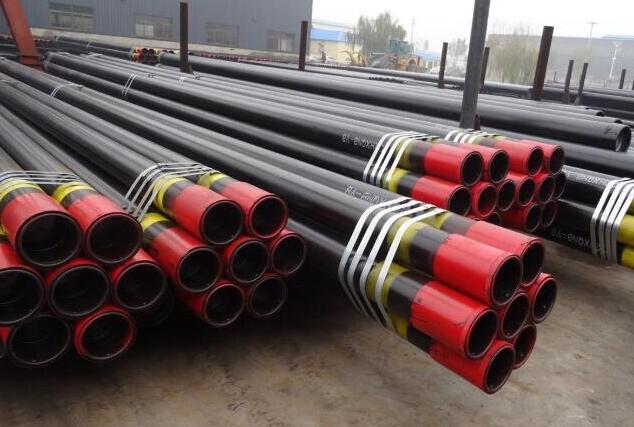
Probing Outstanding Materials for Oil Casing
Advances In high–performance materials For oil casing applications
In the ever-evolving landscape of the Oil and gas industry, the demand for high-performance materials in oil casing applications has become increasingly critical. As exploration and production activities extend into deeper and more challenging environments, the materials used for oil casing must exhibit exceptional strength, durability, and resistance to various forms of degradation. Recent advancements in material science have led to the development of innovative solutions that not only meet but often exceed the rigorous demands of modern oil extraction processes. these advancements are pivotal in ensuring the safety, efficiency, and sustainability of oil operations.
One of the most significant breakthroughs in this field has been the introduction of advanced steel alloys specifically designed for oil casing. Traditional carbon steel, while widely used, often falls short in terms of performance under extreme conditions, such as high pressure and corrosive environments. In contrast, high-strength low-alloy (HSLA) steels have emerged as a superior alternative. These alloys are engineered to provide enhanced mechanical properties, including increased yield strength and improved toughness, which are essential for withstanding the harsh conditions encountered in deep wells. Furthermore, the incorporation of alloying elements such as chromium, molybdenum, and nickel has been shown to enhance the corrosion resistance of these materials, thereby extending their service life and reducing the frequency of costly replacements.
In addition to advancements in steel alloys, the oil and gas industry has also seen the rise of composite materials that offer unique advantages over traditional options. Fiber-reinforced composites, for instance, are gaining traction due to their lightweight nature and exceptional resistance to corrosion. These materials can be tailored to meet specific performance criteria, making them suitable for a variety of applications within oil casing. The use of composites not only reduces the overall weight of the casing, which can lead to lower transportation and installation costs, but also enhances the operational efficiency of drilling operations. As the industry continues to explore the potential of composites, ongoing research is focused on optimizing their mechanical properties and ensuring their compatibility with existing casing systems.
Moreover, the integration of advanced coatings and surface treatments has become a vital aspect of enhancing the performance of Oil casing materials. Protective coatings, such as thermal spray coatings and polymer-based systems, are applied to the surface of casing materials to provide an additional layer of defense against corrosion and wear. These coatings can significantly improve the longevity of the casing, particularly in environments where exposure to aggressive chemicals and high temperatures is prevalent. The development of self-healing coatings, which can Repair themselves upon damage, represents a promising frontier in this area, potentially revolutionizing the way oil casing materials are protected.

As the industry moves forward, the importance of sustainability cannot be overlooked. The development of eco-friendly materials and processes is becoming increasingly relevant, driven by regulatory pressures and societal expectations. Biodegradable composites and recycled materials are being explored as viable options for oil casing applications, aiming to minimize the environmental impact of oil extraction activities. This shift towards sustainable practices not only addresses environmental concerns but also opens new avenues for innovation in material development.
In conclusion, the advances in high-performance materials for oil casing applications are transforming the oil and gas industry. From the development of high-strength steel alloys and innovative composite materials to the implementation of advanced coatings and a focus on sustainability, these innovations are essential for meeting the challenges posed by modern oil extraction. As research and development continue to progress, the future of oil casing materials looks promising, with the potential to enhance operational efficiency, reduce costs, and promote environmental stewardship in the industry.
Evaluating The Durability And Corrosion Resistance Of Oil Casing Materials
In the oil and gas industry, the integrity of oil casing materials is paramount, as these materials serve as the primary barrier between the wellbore and the surrounding geological formations. Evaluating the durability and corrosion resistance of these materials is essential for ensuring the safety and efficiency of drilling operations. The performance of oil casing materials is influenced by various factors, including the environmental conditions they encounter, the mechanical stresses they endure, and the chemical interactions with the fluids they are exposed to during extraction processes. Therefore, a comprehensive understanding of these factors is crucial for selecting the appropriate materials for oil casing applications.
One of the primary concerns in the evaluation of oil casing materials is their susceptibility to corrosion. Corrosion can significantly compromise the structural integrity of casing, leading to potential failures that can have catastrophic consequences. Various types of corrosion, such as uniform corrosion, pitting, and stress corrosion cracking, can occur depending on the specific environmental conditions. For instance, the presence of hydrogen sulfide (H2S) and carbon dioxide (CO2) in the formation fluids can exacerbate corrosion rates, necessitating the use of specialized materials that can withstand such aggressive environments. Consequently, materials such as carbon steel, stainless steel, and various alloys are often assessed for their corrosion resistance properties.
API 5ct C110 CASING chinese Best SupplierIn addition to corrosion resistance, the mechanical durability of oil casing materials is another critical aspect of evaluation. The materials must be able to withstand the high pressures and temperatures encountered during drilling and production operations. This requires a thorough understanding of the mechanical properties of the materials, including yield strength, tensile strength, and toughness. For example, high-strength low-alloy (HSLA) steels are frequently utilized in oil casing applications due to their excellent mechanical properties combined with good weldability. These materials are designed to provide the necessary strength while minimizing the risk of failure under extreme conditions.
Moreover, the manufacturing processes employed in producing oil casing materials can also influence their overall performance. techniques such as heat treatment, cold working, and surface coatings can enhance the durability and corrosion resistance of the materials. For instance, applying a protective coating can create a barrier that prevents corrosive agents from reaching the underlying metal, thereby extending the lifespan of the casing. Additionally, advancements in material science have led to the development of composite materials that offer improved performance characteristics, including enhanced resistance to both corrosion and mechanical wear.
To effectively evaluate the durability and corrosion resistance of oil casing materials, various testing methods are employed. These methods may include laboratory-based assessments, such as accelerated corrosion tests, mechanical testing, and microstructural analysis. Field tests are also conducted to monitor the performance of casing materials in real-world conditions. By combining laboratory and field data, engineers can develop predictive models that assess the long-term performance of casing materials under specific environmental conditions.
In conclusion, the evaluation of the durability and corrosion resistance of oil casing materials is a multifaceted process that requires a thorough understanding of the materials’ properties, the environmental conditions they will face, and the potential mechanical stresses they will encounter. By carefully selecting and testing these materials, the oil and gas industry can enhance the safety and efficiency of drilling operations, ultimately leading to more sustainable and reliable energy production. As research and technology continue to advance, the development of new materials and testing methodologies will further improve the performance of oil casing, ensuring that it meets the rigorous demands of the industry.