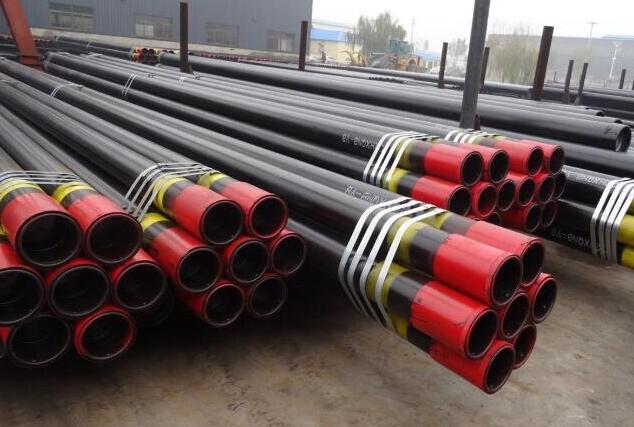
Comment le carter d’huile permet à votre énergie de circuler
Avantages de l’utilisation du tubage pétrolier pour la production d’énergie L’un des principaux avantages de l’utilisation du tubage pétrolier est…
Avantages de l’utilisation du tubage pétrolier pour la production d’énergie
L’un des principaux avantages de l’utilisation du tubage pétrolier est sa capacité à empêcher l’effondrement du puits de forage. Lorsqu’un puits est foré, les formations rocheuses environnantes peuvent exercer une pression énorme sur les parois du trou. Sans le support du tubage, le puits de forage pourrait s’effondrer, rendant impossible l’extraction de pétrole et de gaz du sol. Le tubage d’huile constitue une barrière solide et durable qui aide à maintenir l’intégrité du puits de forage, garantissant ainsi que le processus d’extraction peut se dérouler en douceur et en toute sécurité.
En plus d’empêcher l’effondrement, le tubage d’huile contribue également à protéger le puits de forage des contaminants externes. Lorsque le pétrole et le gaz sont extraits du sol, ils peuvent être contaminés par l’eau, le gaz ou d’autres substances présentes dans les formations rocheuses environnantes. Le tubage pétrolier agit comme une barrière, empêchant ces contaminants de pénétrer dans le puits de forage et garantissant que le pétrole et le gaz extraits restent purs et non contaminés.
Une autre fonction importante du tubage pétrolier est de contrôler le flux de pétrole et de gaz du puits. En utilisant différents types de tubage, les ingénieurs peuvent réguler la pression et le débit du pétrole et du gaz extraits, garantissant ainsi qu’ils peuvent être transportés en toute sécurité vers la surface pour être traités. Ce contrôle est essentiel pour maintenir l’efficacité et la sécurité du processus d’extraction, ainsi que pour protéger l’environnement contre d’éventuels déversements ou fuites.
Le tubage pétrolier est également conçu pour résister aux conditions difficiles présentes dans les puits de pétrole et de gaz. Ces puits peuvent être soumis à des températures, des pressions et des substances corrosives extrêmes, qui peuvent toutes endommager le tubage s’il n’est pas correctement conçu et construit. Le tubage pétrolier est généralement fabriqué à partir d’acier à haute résistance ou d’autres matériaux durables capables de résister à ces conditions difficiles, garantissant ainsi que le puits de forage reste intact et sécurisé tout au long du processus d’extraction.
OléoducEn conclusion, le tubage pétrolier joue un rôle essentiel dans l’extraction de pétrole et gaz de la terre. Il fournit un soutien structurel, une protection et un contrôle aux puits de pétrole, garantissant que ces ressources précieuses peuvent être extraites de manière sûre et efficace. En empêchant l’effondrement, en protégeant contre les contaminants, en contrôlant les débits et en résistant à des conditions difficiles, le tubage pétrolier contribue à maintenir notre énergie en circulation et à faire progresser notre économie. Son importance ne peut être surestimée et elle est essentielle au succès continu de l’industrie pétrolière et gazière.

One of the key benefits of using oil casing is its ability to prevent the collapse of the wellbore. When a well is drilled, the surrounding rock formations can exert tremendous pressure on the walls of the hole. without the support of casing, the wellbore could collapse, making it impossible to extract Oil and gas from the ground. Oil casing provides a strong, durable barrier that helps to maintain the integrity of the wellbore, ensuring that the extraction process can proceed smoothly and safely.
In addition to preventing collapse, oil casing also helps to protect the wellbore from external contaminants. When oil and gas are extracted from the ground, they can be contaminated by water, gas, or other substances that are present in the surrounding rock formations. Oil casing acts as a barrier, preventing these contaminants from entering the wellbore and ensuring that the extracted oil and gas remain pure and uncontaminated.
Another important function of oil casing is to control the flow of oil and gas from the well. By using different types of casing, engineers can regulate the pressure and flow rate of the extracted oil and gas, ensuring that it can be safely transported to the surface for processing. This control is essential for maintaining the efficiency and safety of the extraction process, as well as for protecting the environment from potential spills or leaks.
Oil casing is also designed to withstand the harsh conditions that are present in oil and gas wells. These wells can be subject to extreme temperatures, pressures, and corrosive substances, all of which can cause damage to the casing if it is not properly designed and constructed. Oil casing is typically made from high–strength steel or other durable materials that can withstand these challenging conditions, ensuring that the wellbore remains intact and secure throughout the extraction process.
oil pipelineIn conclusion, oil casing plays a vital role in the extraction of oil and gas from the earth. It provides structural support, protection, and control for oil wells, ensuring that these valuable resources can be safely and efficiently extracted. By preventing collapse, protecting against contaminants, controlling flow rates, and withstanding harsh conditions, oil casing helps to keep our energy flowing and our economy moving forward. Its importance cannot be overstated, and it is essential for the continued success of the oil and gas industry.