{:en}How Oil Casing Keeps Your Energy Flowing{:}{:es}Cómo la carcasa de aceite mantiene el flujo de energía{:}{:de}Wie das Ölgehäuse Ihre Energie am Fließen hält{:}{:fr}Comment le carter d’huile permet à votre énergie de circuler{:}{:ru}Как масляный корпус поддерживает поток вашей энергии{:}{:it}Come l’involucro dell’olio mantiene il flusso di energia{:}{:pl}Jak osłonka olejowa utrzymuje przepływ energii{:}{:hi}कैसे तेल आवरण आपकी ऊर्जा को प्रवाहित रखता है{:}{:th}ท่อน้ำมันช่วยให้พลังงานของคุณไหลเวียนได้อย่างไร{:}{:ko}오일 케이싱이 에너지 흐름을 유지하는 방법{:}
{:en} Benefits of Using Oil Casing for Energy Production Oil casing plays a crucial role in the process of extracting…
{:en}
Benefits of Using Oil Casing for Energy Production
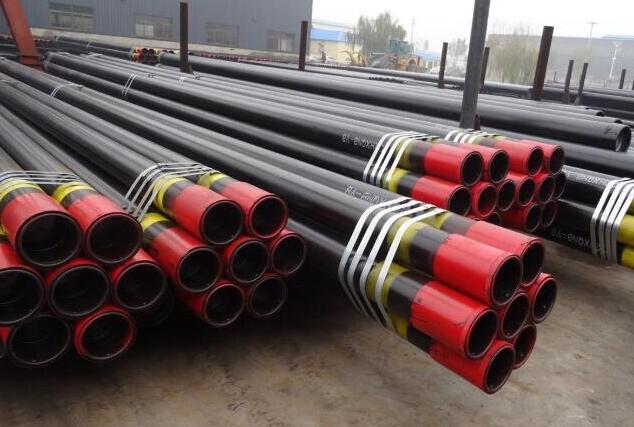
Oil casing plays a crucial role in the process of extracting oil and gas from the earth. It is a critical component of oil wells, providing structural support and protection for the wellbore. In addition to its structural function, oil casing also helps to control the flow of oil and gas, ensuring that these valuable resources can be safely and efficiently extracted from the ground.

One of the key benefits of using oil casing is its ability to prevent the collapse of the wellbore. When a well is drilled, the surrounding rock formations can exert tremendous pressure on the walls of the hole. Without the support of casing, the wellbore could collapse, making it impossible to extract oil and gas from the ground. Oil casing provides a strong, durable barrier that helps to maintain the integrity of the wellbore, ensuring that the extraction process can proceed smoothly and safely.
In addition to preventing collapse, oil casing also helps to protect the wellbore from external contaminants. When oil and gas are extracted from the ground, they can be contaminated by water, gas, or other substances that are present in the surrounding rock formations. Oil casing acts as a barrier, preventing these contaminants from entering the wellbore and ensuring that the extracted oil and gas remain pure and uncontaminated.
Another important function of oil casing is to control the flow of oil and gas from the well. By using different types of casing, engineers can regulate the pressure and flow rate of the extracted oil and gas, ensuring that it can be safely transported to the surface for processing. This control is essential for maintaining the efficiency and safety of the extraction process, as well as for protecting the environment from potential spills or leaks.
Oil casing is also designed to withstand the harsh conditions that are present in oil and gas wells. These wells can be subject to extreme temperatures, pressures, and corrosive substances, all of which can cause damage to the casing if it is not properly designed and constructed. Oil casing is typically made from high-strength steel or other durable materials that can withstand these challenging conditions, ensuring that the wellbore remains intact and secure throughout the extraction process.
Oil PipelineIn conclusion, oil casing plays a vital role in the extraction of oil and gas from the earth. It provides structural support, protection, and control for oil wells, ensuring that these valuable resources can be safely and efficiently extracted. By preventing collapse, protecting against contaminants, controlling flow rates, and withstanding harsh conditions, oil casing helps to keep our energy flowing and our economy moving forward. Its importance cannot be overstated, and it is essential for the continued success of the oil and gas industry.{:}{:es}
Beneficios del uso de carcasas de aceite para la producción de energía
La carcasa de petróleo juega un papel crucial en el proceso de extracción de petróleo y gas de la tierra. Es un componente crítico de los pozos petroleros, ya que proporciona soporte estructural y protección al pozo. Además de su función estructural, la carcasa de petróleo también ayuda a controlar el flujo de petróleo y gas, asegurando que estos valiosos recursos puedan extraerse del suelo de manera segura y eficiente.
Uno de los beneficios clave del uso de revestimiento de petróleo es su capacidad para prevenir el colapso del pozo. Cuando se perfora un pozo, las formaciones rocosas circundantes pueden ejercer una presión tremenda sobre las paredes del pozo. Sin el soporte del revestimiento, el pozo podría colapsar, haciendo imposible extraer petróleo y gas del suelo. El revestimiento de petróleo proporciona una barrera fuerte y duradera que ayuda a mantener la integridad del pozo, asegurando que el proceso de extracción pueda realizarse sin problemas y de forma segura.
Además de prevenir el colapso, el revestimiento de petróleo también ayuda a proteger el pozo de contaminantes externos. Cuando el petróleo y el gas se extraen del suelo, pueden contaminarse con agua, gas u otras sustancias presentes en las formaciones rocosas circundantes. La carcasa de petróleo actúa como una barrera, evitando que estos contaminantes ingresen al pozo y asegurando que el petróleo y el gas extraídos permanezcan puros y no contaminados.
Otra función importante de la carcasa de petróleo es controlar el flujo de petróleo y gas del pozo. Al utilizar diferentes tipos de carcasa, los ingenieros pueden regular la presión y el caudal del petróleo y gas extraídos, garantizando que puedan transportarse de forma segura a la superficie para su procesamiento. Este control es esencial para mantener la eficiencia y seguridad del proceso de extracción, así como para proteger el medio ambiente de posibles derrames o fugas.
La carcasa de petróleo también está diseñada para soportar las duras condiciones presentes en los pozos de petróleo y gas. Estos pozos pueden estar sujetos a temperaturas, presiones y sustancias corrosivas extremas, todo lo cual puede causar daños a la carcasa si no se diseña y construye adecuadamente. La carcasa de petróleo generalmente está hecha de acero de alta resistencia u otros materiales duraderos que pueden soportar estas condiciones desafiantes, lo que garantiza que el pozo permanezca intacto y seguro durante todo el proceso de extracción.
OleoductoEn conclusión, la carcasa de petróleo desempeña un papel vital en la extracción de petróleo y gas de la tierra. Proporciona soporte estructural, protección y control para los pozos petroleros, garantizando que estos valiosos recursos puedan extraerse de manera segura y eficiente. Al prevenir el colapso, proteger contra contaminantes, controlar los caudales y soportar condiciones duras, la carcasa de petróleo ayuda a mantener el flujo de nuestra energía y el avance de nuestra economía. No se puede subestimar su importancia y es esencial para el éxito continuo de la industria del petróleo y el gas.{:}{:de}
Vorteile der Verwendung von Ölgehäusen für die Energieerzeugung
Ölgehäuse spielen eine entscheidende Rolle bei der Gewinnung von Öl und Gas aus der Erde. Es ist ein wichtiger Bestandteil von Ölquellen und bietet strukturelle Unterstützung und Schutz für das Bohrloch. Zusätzlich zu seiner strukturellen Funktion trägt das Ölgehäuse auch dazu bei, den Fluss von Öl und Gas zu kontrollieren und sicherzustellen, dass diese wertvollen Ressourcen sicher und effizient aus dem Boden gefördert werden können.
Einer der Hauptvorteile der Verwendung von Ölgehäusen ist ihre Fähigkeit, den Einsturz des Bohrlochs zu verhindern. Wenn ein Bohrloch gebohrt wird, können die umliegenden Felsformationen einen enormen Druck auf die Bohrlochwände ausüben. Ohne die Unterstützung durch eine Verrohrung könnte das Bohrloch einstürzen und die Förderung von Öl und Gas aus dem Boden unmöglich machen. Die Ölummantelung stellt eine starke, dauerhafte Barriere dar, die dazu beiträgt, die Integrität des Bohrlochs aufrechtzuerhalten und sicherzustellen, dass der Extraktionsprozess reibungslos und sicher ablaufen kann.
Die Ölummantelung verhindert nicht nur einen Kollaps, sondern trägt auch dazu bei, das Bohrloch vor äußeren Verunreinigungen zu schützen. Wenn Öl und Gas aus dem Boden gefördert werden, können sie durch Wasser, Gas oder andere Substanzen, die in den umliegenden Gesteinsformationen vorhanden sind, verunreinigt werden. Die Ölummantelung fungiert als Barriere und verhindert, dass diese Verunreinigungen in das Bohrloch gelangen, und stellt sicher, dass das geförderte Öl und Gas rein und unverunreinigt bleibt.
Eine weitere wichtige Funktion der Ölummantelung besteht darin, den Öl- und Gasfluss aus dem Bohrloch zu kontrollieren. Durch die Verwendung verschiedener Gehäusetypen können Ingenieure den Druck und die Durchflussrate des geförderten Öls und Gases regulieren und so sicherstellen, dass es zur Verarbeitung sicher an die Oberfläche transportiert werden kann. Diese Kontrolle ist für die Aufrechterhaltung der Effizienz und Sicherheit des Extraktionsprozesses sowie für den Schutz der Umwelt vor möglichen Verschüttungen oder Lecks von entscheidender Bedeutung.
Ölgehäuse sind außerdem darauf ausgelegt, den rauen Bedingungen in Öl- und Gasquellen standzuhalten. Diese Bohrlöcher können extremen Temperaturen, Drücken und korrosiven Substanzen ausgesetzt sein, die alle zu Schäden am Gehäuse führen können, wenn es nicht ordnungsgemäß ausgelegt und gebaut ist. Ölgehäuse bestehen in der Regel aus hochfestem Stahl oder anderen haltbaren Materialien, die diesen anspruchsvollen Bedingungen standhalten und sicherstellen, dass das Bohrloch während des gesamten Förderprozesses intakt und sicher bleibt.
ÖlpipelineZusammenfassend lässt sich sagen, dass Ölgehäuse eine entscheidende Rolle bei der Förderung spielen Öl und Gas aus der Erde. Es bietet strukturelle Unterstützung, Schutz und Kontrolle für Ölquellen und stellt sicher, dass diese wertvollen Ressourcen sicher und effizient gefördert werden können. Durch die Verhinderung von Kollaps, den Schutz vor Verunreinigungen, die Kontrolle der Durchflussraten und die Widerstandsfähigkeit gegen raue Bedingungen tragen Ölgehäuse dazu bei, unseren Energiefluss aufrechtzuerhalten und unsere Wirtschaft voranzubringen. Seine Bedeutung kann nicht genug betont werden und ist für den anhaltenden Erfolg der Öl- und Gasindustrie von entscheidender Bedeutung.{:}{:fr}
Avantages de l’utilisation du tubage pétrolier pour la production d’énergie
L’un des principaux avantages de l’utilisation du tubage pétrolier est sa capacité à empêcher l’effondrement du puits de forage. Lorsqu’un puits est foré, les formations rocheuses environnantes peuvent exercer une pression énorme sur les parois du trou. Sans le support du tubage, le puits de forage pourrait s’effondrer, rendant impossible l’extraction de pétrole et de gaz du sol. Le tubage d’huile constitue une barrière solide et durable qui aide à maintenir l’intégrité du puits de forage, garantissant ainsi que le processus d’extraction peut se dérouler en douceur et en toute sécurité.
En plus d’empêcher l’effondrement, le tubage d’huile contribue également à protéger le puits de forage des contaminants externes. Lorsque le pétrole et le gaz sont extraits du sol, ils peuvent être contaminés par l’eau, le gaz ou d’autres substances présentes dans les formations rocheuses environnantes. Le tubage pétrolier agit comme une barrière, empêchant ces contaminants de pénétrer dans le puits de forage et garantissant que le pétrole et le gaz extraits restent purs et non contaminés.
Une autre fonction importante du tubage pétrolier est de contrôler le flux de pétrole et de gaz du puits. En utilisant différents types de tubage, les ingénieurs peuvent réguler la pression et le débit du pétrole et du gaz extraits, garantissant ainsi qu’ils peuvent être transportés en toute sécurité vers la surface pour être traités. Ce contrôle est essentiel pour maintenir l’efficacité et la sécurité du processus d’extraction, ainsi que pour protéger l’environnement contre d’éventuels déversements ou fuites.
Le tubage pétrolier est également conçu pour résister aux conditions difficiles présentes dans les puits de pétrole et de gaz. Ces puits peuvent être soumis à des températures, des pressions et des substances corrosives extrêmes, qui peuvent toutes endommager le tubage s’il n’est pas correctement conçu et construit. Le tubage pétrolier est généralement fabriqué à partir d’acier à haute résistance ou d’autres matériaux durables capables de résister à ces conditions difficiles, garantissant ainsi que le puits de forage reste intact et sécurisé tout au long du processus d’extraction.
OléoducEn conclusion, le tubage pétrolier joue un rôle essentiel dans l’extraction de pétrole et gaz de la terre. Il fournit un soutien structurel, une protection et un contrôle aux puits de pétrole, garantissant que ces ressources précieuses peuvent être extraites de manière sûre et efficace. En empêchant l’effondrement, en protégeant contre les contaminants, en contrôlant les débits et en résistant à des conditions difficiles, le tubage pétrolier contribue à maintenir notre énergie en circulation et à faire progresser notre économie. Son importance ne peut être surestimée et elle est essentielle au succès continu de l’industrie pétrolière et gazière.
One of the key benefits of using oil casing is its ability to prevent the collapse of the wellbore. When a well is drilled, the surrounding rock formations can exert tremendous pressure on the walls of the hole. Without the support of casing, the wellbore could collapse, making it impossible to extract oil and gas from the ground. Oil casing provides a strong, durable barrier that helps to maintain the integrity of the wellbore, ensuring that the extraction process can proceed smoothly and safely.
In addition to preventing collapse, oil casing also helps to protect the wellbore from external contaminants. When oil and gas are extracted from the ground, they can be contaminated by water, gas, or other substances that are present in the surrounding rock formations. Oil casing acts as a barrier, preventing these contaminants from entering the wellbore and ensuring that the extracted oil and gas remain pure and uncontaminated.
Another important function of oil casing is to control the flow of oil and gas from the well. By using different types of casing, engineers can regulate the pressure and flow rate of the extracted oil and gas, ensuring that it can be safely transported to the surface for processing. This control is essential for maintaining the efficiency and safety of the extraction process, as well as for protecting the environment from potential spills or leaks.
Oil casing is also designed to withstand the harsh conditions that are present in oil and gas wells. These wells can be subject to extreme temperatures, pressures, and corrosive substances, all of which can cause damage to the casing if it is not properly designed and constructed. Oil casing is typically made from high-strength steel or other durable materials that can withstand these challenging conditions, ensuring that the wellbore remains intact and secure throughout the extraction process.
Oil PipelineIn conclusion, oil casing plays a vital role in the extraction of oil and gas from the earth. It provides structural support, protection, and control for oil wells, ensuring that these valuable resources can be safely and efficiently extracted. By preventing collapse, protecting against contaminants, controlling flow rates, and withstanding harsh conditions, oil casing helps to keep our energy flowing and our economy moving forward. Its importance cannot be overstated, and it is essential for the continued success of the oil and gas industry.{:}{:ru}
Преимущества использования масляных кожухов для производства энергии
Нефтяные колонны играют решающую роль в процессе добычи нефти и газа из-под земли. Это важнейший компонент нефтяных скважин, обеспечивающий структурную поддержку и защиту ствола скважины. Помимо своей структурной функции, нефтяная колонна также помогает контролировать поток нефти и газа, обеспечивая безопасную и эффективную добычу этих ценных ресурсов из-под земли.
Одним из ключевых преимуществ использования нефтяной колонны является ее способность предотвращать обрушение ствола скважины. При бурении скважины окружающие горные породы могут оказывать огромное давление на стенки скважины. Без поддержки обсадной колонны ствол скважины может обрушиться, что сделает невозможным добычу нефти и газа из-под земли. Нефтяная колонна обеспечивает прочный и долговечный барьер, который помогает поддерживать целостность ствола скважины, обеспечивая плавность и безопасность процесса добычи.
Помимо предотвращения обрушения, масляная колонна также помогает защитить ствол скважины от внешних загрязнений. Когда нефть и газ добываются из-под земли, они могут быть загрязнены водой, газом или другими веществами, присутствующими в окружающих горных породах. Нефтяная колонна действует как барьер, предотвращая попадание этих загрязнений в ствол скважины и гарантируя, что добытая нефть и газ остаются чистыми и незагрязненными.
Еще одной важной функцией нефтяной колонны является контроль потока нефти и газа из скважины. Используя различные типы обсадных труб, инженеры могут регулировать давление и скорость потока добываемой нефти и газа, гарантируя их безопасную транспортировку на поверхность для переработки. Этот контроль необходим для поддержания эффективности и безопасности процесса экстракции, а также для защиты окружающей среды от потенциальных разливов или утечек.
Нефтяной кожух также спроектирован так, чтобы выдерживать суровые условия, существующие в нефтяных и газовых скважинах. Эти скважины могут подвергаться воздействию экстремальных температур, давлений и агрессивных веществ, и все это может привести к повреждению обсадной колонны, если она неправильно спроектирована и изготовлена. Нефтяной кожух обычно изготавливается из высокопрочной стали или других прочных материалов, которые могут противостоять этим сложным условиям, гарантируя, что ствол скважины останется неповрежденным и безопасным на протяжении всего процесса добычи.
Нефтепровод В заключение, нефтяной кожух играет жизненно важную роль в добыче нефти. нефть и газ из земли. Он обеспечивает структурную поддержку, защиту и контроль нефтяных скважин, гарантируя безопасную и эффективную добычу этих ценных ресурсов. Предотвращая разрушение, защищая от загрязнений, контролируя скорость потока и выдерживая суровые условия, нефтяной кожух помогает поддерживать поток энергии и двигаться вперед нашей экономики. Его важность невозможно переоценить, и он необходим для дальнейшего успеха нефтегазовой отрасли.{:}{:it}
Vantaggi derivanti dall’utilizzo dell’involucro dell’olio per la produzione di energia
L’involucro petrolifero svolge un ruolo cruciale nel processo di estrazione di petrolio e gas dalla terra. È un componente critico dei pozzi petroliferi, poiché fornisce supporto strutturale e protezione al pozzo. Oltre alla sua funzione strutturale, l’involucro petrolifero aiuta anche a controllare il flusso di petrolio e gas, garantendo che queste preziose risorse possano essere estratte dal suolo in modo sicuro ed efficiente.
Uno dei principali vantaggi derivanti dall’utilizzo del rivestimento petrolifero è la sua capacità di prevenire il collasso del pozzo. Quando viene perforato un pozzo, le formazioni rocciose circostanti possono esercitare un’enorme pressione sulle pareti del pozzo. Senza il supporto del rivestimento, il pozzo potrebbe crollare, rendendo impossibile l’estrazione di petrolio e gas dal terreno. L’involucro dell’olio fornisce una barriera forte e duratura che aiuta a mantenere l’integrità del pozzo, garantendo che il processo di estrazione possa procedere senza intoppi e in sicurezza.
Oltre a prevenire il collasso, l’involucro dell’olio aiuta anche a proteggere il pozzo da contaminanti esterni. Quando il petrolio e il gas vengono estratti dal terreno, possono essere contaminati da acqua, gas o altre sostanze presenti nelle formazioni rocciose circostanti. L’involucro del petrolio funge da barriera, impedendo a questi contaminanti di entrare nel pozzo e garantendo che il petrolio e il gas estratti rimangano puri e incontaminati.
Un’altra importante funzione dell’involucro del petrolio è controllare il flusso di petrolio e gas dal pozzo. Utilizzando diversi tipi di involucro, gli ingegneri possono regolare la pressione e la portata del petrolio e del gas estratti, garantendo che possano essere trasportati in sicurezza in superficie per la lavorazione. Questo controllo è essenziale per mantenere l’efficienza e la sicurezza del processo di estrazione, nonché per proteggere l’ambiente da potenziali fuoriuscite o perdite.
L’involucro dell’olio è inoltre progettato per resistere alle dure condizioni presenti nei pozzi di petrolio e gas. Questi pozzi possono essere soggetti a temperature, pressioni e sostanze corrosive estreme, che possono causare danni all’involucro se non è progettato e costruito correttamente. L’involucro petrolifero è generalmente realizzato in acciaio ad alta resistenza o altri materiali durevoli in grado di resistere a queste condizioni difficili, garantendo che il pozzo rimanga intatto e sicuro durante tutto il processo di estrazione.
OleodottoIn conclusione, l’involucro petrolifero svolge un ruolo vitale nell’estrazione di petrolio e gas dalla terra. Fornisce supporto strutturale, protezione e controllo ai pozzi petroliferi, garantendo che queste preziose risorse possano essere estratte in modo sicuro ed efficiente. Prevenendo il collasso, proteggendo dai contaminanti, controllando le portate e resistendo a condizioni difficili, l’involucro dell’olio aiuta a mantenere il flusso di energia e la nostra economia ad andare avanti. La sua importanza non può essere sopravvalutata ed è essenziale per il continuo successo dell’industria del petrolio e del gas.{:}{:pl}
Korzyści ze stosowania osłonek olejowych do produkcji energii
Okładzina naftowa odgrywa kluczową rolę w procesie wydobycia ropy i gazu z ziemi. Jest kluczowym składnikiem odwiertów naftowych, zapewniającym wsparcie strukturalne i ochronę odwiertu. Oprócz swojej funkcji strukturalnej, osłona olejowa pomaga również kontrolować przepływ ropy i gazu, zapewniając bezpieczne i wydajne wydobywanie tych cennych zasobów z ziemi.
Jedną z kluczowych korzyści stosowania obudowy olejowej jest jej zdolność do zapobiegania zapadnięciu się odwiertu. Podczas wiercenia odwiertu otaczające go formacje skalne mogą wywierać ogromny nacisk na ściany otworu. Bez podparcia obudowy odwiert mógłby się zapaść, uniemożliwiając wydobycie ropy i gazu z ziemi. Osłona olejowa zapewnia mocną, trwałą barierę, która pomaga utrzymać integralność odwiertu, zapewniając płynny i bezpieczny przebieg procesu wydobycia.
Oprócz zapobiegania zapadnięciu się, osłona olejowa pomaga również chronić odwiert przed zanieczyszczeniami zewnętrznymi. Wydobywanie ropy i gazu z ziemi może spowodować ich zanieczyszczenie wodą, gazem lub innymi substancjami obecnymi w otaczających je formacjach skalnych. Osłona naftowa działa jak bariera, zapobiegając przedostawaniu się zanieczyszczeń do odwiertu i zapewniając, że wydobyta ropa i gaz pozostają czyste i niezanieczyszczone.
Kolejną ważną funkcją osłony naftowej jest kontrola przepływu ropy i gazu z odwiertu. Stosując różne typy obudów, inżynierowie mogą regulować ciśnienie i natężenie przepływu wydobytej ropy i gazu, zapewniając ich bezpieczny transport na powierzchnię w celu przetworzenia. Kontrola ta jest niezbędna do utrzymania wydajności i bezpieczeństwa procesu ekstrakcji, a także do ochrony środowiska przed potencjalnymi wyciekami lub wyciekami.
Obudowa naftowa została również zaprojektowana tak, aby wytrzymać trudne warunki panujące w odwiertach naftowych i gazowych. Studnie te mogą być narażone na działanie ekstremalnych temperatur, ciśnień i substancji korozyjnych, a wszystko to może spowodować uszkodzenie obudowy, jeśli nie zostanie ona odpowiednio zaprojektowana i wykonana. Obudowa naftowa jest zwykle wykonana ze stali o wysokiej wytrzymałości lub innych trwałych materiałów, które są w stanie wytrzymać te trudne warunki, zapewniając, że odwiert pozostanie nienaruszony i bezpieczny przez cały proces wydobycia.
Rurociąg naftowy Podsumowując, osłona naftowa odgrywa kluczową rolę w wydobyciu ropy ropę i gaz z ziemi. Zapewnia wsparcie strukturalne, ochronę i kontrolę odwiertów naftowych, zapewniając bezpieczne i wydajne wydobycie tych cennych zasobów. Zapobiegając zawaleniu się, chroniąc przed zanieczyszczeniami, kontrolując natężenie przepływu i wytrzymując trudne warunki, osłona olejowa pomaga utrzymać przepływ energii i rozwój gospodarki. Nie da się przecenić jego znaczenia, jest ono niezbędne dla dalszego sukcesu przemysłu naftowego i gazowego.{:}{:hi}
ऊर्जा उत्पादन के लिए तेल आवरण का उपयोग करने के लाभ
तेल आवरण पृथ्वी से तेल और गैस निकालने की प्रक्रिया में महत्वपूर्ण भूमिका निभाता है। यह तेल कुओं का एक महत्वपूर्ण घटक है, जो वेलबोर के लिए संरचनात्मक सहायता और सुरक्षा प्रदान करता है। अपने संरचनात्मक कार्य के अलावा, तेल आवरण तेल और गैस के प्रवाह को नियंत्रित करने में भी मदद करता है, जिससे यह सुनिश्चित होता है कि इन मूल्यवान संसाधनों को जमीन से सुरक्षित और कुशलता से निकाला जा सकता है।
तेल आवरण का उपयोग करने के प्रमुख लाभों में से एक वेलबोर के ढहने को रोकने की इसकी क्षमता है। जब एक कुआं खोदा जाता है, तो आसपास की चट्टानें छेद की दीवारों पर जबरदस्त दबाव डाल सकती हैं। आवरण के समर्थन के बिना, वेलबोर ढह सकता है, जिससे जमीन से तेल और गैस निकालना असंभव हो जाएगा। तेल आवरण एक मजबूत, टिकाऊ अवरोध प्रदान करता है जो वेलबोर की अखंडता को बनाए रखने में मदद करता है, यह सुनिश्चित करता है कि निष्कर्षण प्रक्रिया सुचारू रूप से और सुरक्षित रूप से आगे बढ़ सकती है।
पतन को रोकने के अलावा, तेल आवरण बाहरी दूषित पदार्थों से वेलबोर की रक्षा करने में भी मदद करता है। जब जमीन से तेल और गैस निकाली जाती है, तो वे आसपास की चट्टानों में मौजूद पानी, गैस या अन्य पदार्थों से दूषित हो सकते हैं। तेल आवरण एक अवरोधक के रूप में कार्य करता है, इन दूषित पदार्थों को वेलबोर में प्रवेश करने से रोकता है और यह सुनिश्चित करता है कि निकाला गया तेल और गैस शुद्ध और असंदूषित रहे।
तेल आवरण का एक अन्य महत्वपूर्ण कार्य कुएं से तेल और गैस के प्रवाह को नियंत्रित करना है। विभिन्न प्रकार के आवरणों का उपयोग करके, इंजीनियर निकाले गए तेल और गैस के दबाव और प्रवाह दर को नियंत्रित कर सकते हैं, यह सुनिश्चित करते हुए कि इसे प्रसंस्करण के लिए सतह पर सुरक्षित रूप से ले जाया जा सकता है। यह नियंत्रण निष्कर्षण प्रक्रिया की दक्षता और सुरक्षा बनाए रखने के साथ-साथ संभावित रिसाव या रिसाव से पर्यावरण की रक्षा के लिए आवश्यक है।
[एम्बेड]https://www.youtube.com/embed/Qag7W41222s[/embed]
तेल आवरण को तेल और गैस कुओं में मौजूद कठोर परिस्थितियों का सामना करने के लिए भी डिज़ाइन किया गया है। ये कुएं अत्यधिक तापमान, दबाव और संक्षारक पदार्थों के अधीन हो सकते हैं, अगर इन्हें ठीक से डिजाइन और निर्मित नहीं किया गया तो ये सभी आवरण को नुकसान पहुंचा सकते हैं। तेल आवरण आम तौर पर उच्च शक्ति वाले स्टील या अन्य टिकाऊ सामग्रियों से बना होता है जो इन चुनौतीपूर्ण परिस्थितियों का सामना कर सकता है, जिससे यह सुनिश्चित होता है कि निष्कर्षण प्रक्रिया के दौरान वेलबोर बरकरार और सुरक्षित रहता है। पृथ्वी से तेल और गैस. यह तेल कुओं के लिए संरचनात्मक समर्थन, सुरक्षा और नियंत्रण प्रदान करता है, यह सुनिश्चित करते हुए कि इन मूल्यवान संसाधनों को सुरक्षित और कुशलता से निकाला जा सकता है। पतन को रोकने, दूषित पदार्थों से बचाने, प्रवाह दर को नियंत्रित करने और कठोर परिस्थितियों का सामना करने से, तेल आवरण हमारी ऊर्जा प्रवाह को बनाए रखने और हमारी अर्थव्यवस्था को आगे बढ़ने में मदद करता है। इसके महत्व को बढ़ा-चढ़ाकर नहीं बताया जा सकता है, और यह तेल और गैस उद्योग की निरंतर सफलता के लिए आवश्यक है।{:}{:th}
ประโยชน์ของการใช้ท่อน้ำมันเพื่อการผลิตพลังงาน
ท่อน้ำมันมีบทบาทสำคัญในกระบวนการสกัดน้ำมันและก๊าซจากดิน เป็นองค์ประกอบสำคัญของบ่อน้ำมัน โดยให้การสนับสนุนทางโครงสร้างและปกป้องหลุมเจาะ นอกเหนือจากฟังก์ชันเชิงโครงสร้างแล้ว ท่อน้ำมันยังช่วยควบคุมการไหลของน้ำมันและก๊าซ ทำให้มั่นใจได้ว่าทรัพยากรอันมีค่าเหล่านี้สามารถสกัดจากพื้นดินได้อย่างปลอดภัยและมีประสิทธิภาพ
ข้อดีหลักประการหนึ่งของการใช้ท่อน้ำมันคือความสามารถในการป้องกันการพังทลายของหลุมเจาะ เมื่อมีการเจาะบ่อน้ำ หินที่อยู่รอบๆ สามารถสร้างแรงกดดันอย่างมากต่อผนังหลุมได้ หากไม่มีปลอกรองรับ หลุมเจาะอาจพังทลายลง ทำให้ไม่สามารถสกัดน้ำมันและก๊าซออกจากพื้นดินได้ ท่อน้ำมันเป็นตัวกั้นที่แข็งแกร่งและทนทาน ซึ่งช่วยรักษาความสมบูรณ์ของหลุมเจาะ ทำให้มั่นใจได้ว่ากระบวนการสกัดสามารถดำเนินไปได้อย่างราบรื่นและปลอดภัย
นอกเหนือจากป้องกันการพังทลายแล้ว ท่อน้ำมันยังช่วยปกป้องหลุมเจาะจากสิ่งปนเปื้อนภายนอกอีกด้วย เมื่อน้ำมันและก๊าซถูกแยกออกจากพื้นดิน อาจปนเปื้อนด้วยน้ำ ก๊าซ หรือสารอื่นๆ ที่มีอยู่ในชั้นหินโดยรอบได้ ท่อน้ำมันทำหน้าที่เป็นตัวกั้น ป้องกันไม่ให้สารปนเปื้อนเหล่านี้เข้าสู่หลุมเจาะและรับประกันว่าน้ำมันและก๊าซที่สกัดออกมายังคงบริสุทธิ์และไม่มีการปนเปื้อน
หน้าที่ที่สำคัญอีกประการหนึ่งของท่อน้ำมันคือการควบคุมการไหลของน้ำมันและก๊าซจากบ่อ การใช้เคสประเภทต่างๆ วิศวกรสามารถควบคุมความดันและอัตราการไหลของน้ำมันและก๊าซที่สกัดได้ ทำให้มั่นใจได้ว่าสามารถขนส่งไปยังพื้นผิวเพื่อแปรรูปได้อย่างปลอดภัย การควบคุมนี้จำเป็นต่อการรักษาประสิทธิภาพและความปลอดภัยของกระบวนการสกัด เช่นเดียวกับการปกป้องสิ่งแวดล้อมจากการรั่วไหลหรือการรั่วไหลที่อาจเกิดขึ้น
ท่อน้ำมันยังได้รับการออกแบบให้ทนทานต่อสภาวะที่ไม่เอื้ออำนวยที่มีอยู่ในบ่อน้ำมันและก๊าซ หลุมเหล่านี้อาจต้องเผชิญกับอุณหภูมิ ความดัน และสารกัดกร่อนที่รุนแรง ซึ่งทั้งหมดนี้อาจทำให้เกิดความเสียหายต่อท่อได้หากไม่ได้ออกแบบและก่อสร้างอย่างเหมาะสม โดยทั่วไปท่อน้ำมันมักทำจากเหล็กที่มีความแข็งแรงสูงหรือวัสดุที่ทนทานอื่นๆ ที่สามารถทนต่อสภาวะที่ท้าทายเหล่านี้ได้ ทำให้มั่นใจได้ว่าหลุมเจาะยังคงสภาพสมบูรณ์และปลอดภัยตลอดกระบวนการสกัด
ท่อส่งน้ำมันโดยสรุป ท่อน้ำมันมีบทบาทสำคัญในการสกัด น้ำมันและก๊าซจากโลก โดยให้การสนับสนุนเชิงโครงสร้าง การปกป้อง และการควบคุมบ่อน้ำมัน เพื่อให้มั่นใจว่าทรัพยากรอันมีค่าเหล่านี้สามารถสกัดได้อย่างปลอดภัยและมีประสิทธิภาพ ด้วยการป้องกันการพังทลาย ป้องกันการปนเปื้อน ควบคุมอัตราการไหล และทนต่อสภาวะที่ไม่เอื้ออำนวย ท่อน้ำมันช่วยให้พลังงานของเราไหลเวียนและเศรษฐกิจของเราก้าวไปข้างหน้า ความสำคัญของสิ่งนี้ไม่สามารถกล่าวเกินจริงได้ และมีความสำคัญต่อความสำเร็จอย่างต่อเนื่องของอุตสาหกรรมน้ำมันและก๊าซ{:}{:ko}
에너지 생산을 위한 오일 케이싱 사용의 이점
오일 케이싱은 땅에서 석유와 가스를 추출하는 과정에서 중요한 역할을 합니다. 이는 유정의 중요한 구성 요소로서 유정에 대한 구조적 지지 및 보호 기능을 제공합니다. 오일 케이싱은 구조적 기능 외에도 석유와 가스의 흐름을 제어하여 귀중한 자원을 땅에서 안전하고 효율적으로 추출할 수 있도록 도와줍니다.
오일 케이싱 사용의 주요 이점 중 하나는 유정 붕괴를 방지하는 능력입니다. 우물을 뚫을 때 주변 암석이 우물 벽에 엄청난 압력을 가할 수 있습니다. 케이싱의 지지가 없으면 유정이 무너져 땅에서 석유와 가스를 추출하는 것이 불가능해질 수 있습니다. 오일 케이싱은 유정의 무결성을 유지하는 데 도움이 되는 강력하고 내구성 있는 장벽을 제공하여 추출 과정이 원활하고 안전하게 진행될 수 있도록 보장합니다.
오일 케이싱은 붕괴를 방지하는 것 외에도 외부 오염물질로부터 유정을 보호하는 데에도 도움이 됩니다. 석유와 가스가 땅에서 추출되면 주변 암석층에 존재하는 물, 가스 또는 기타 물질에 의해 오염될 수 있습니다. 오일 케이싱은 장벽 역할을 하여 이러한 오염 물질이 유정으로 들어가는 것을 방지하고 추출된 오일과 가스가 순수하고 오염되지 않은 상태로 유지되도록 합니다.
오일 케이싱의 또 다른 중요한 기능은 유정에서 나오는 오일과 가스의 흐름을 제어하는 것입니다. 엔지니어는 다양한 유형의 케이싱을 사용하여 추출된 오일과 가스의 압력과 유속을 조절하여 처리를 위해 표면으로 안전하게 운반할 수 있습니다. 이러한 제어는 추출 과정의 효율성과 안전성을 유지하고 잠재적인 유출이나 누출로부터 환경을 보호하는 데 필수적입니다.
오일 케이싱은 또한 석유 및 가스정에 존재하는 가혹한 조건을 견딜 수 있도록 설계되었습니다. 이러한 우물은 극한의 온도, 압력 및 부식성 물질에 노출될 수 있으며, 이러한 요인으로 인해 케이싱이 적절하게 설계 및 제작되지 않으면 케이싱이 손상될 수 있습니다. 오일 케이싱은 일반적으로 이러한 까다로운 조건을 견딜 수 있는 고강도 강철 또는 기타 내구성이 있는 재료로 만들어져 추출 과정 전반에 걸쳐 유정이 손상되지 않고 안전하게 유지되도록 보장합니다.
송유관결론적으로, 오일 케이싱은 오일 추출에서 중요한 역할을 합니다. 지구에서 나오는 석유와 가스. 이는 유정에 대한 구조적 지원, 보호 및 제어 기능을 제공하여 이러한 귀중한 자원을 안전하고 효율적으로 추출할 수 있도록 보장합니다. 붕괴를 방지하고, 오염 물질로부터 보호하고, 유량을 제어하고, 가혹한 조건을 견디는 오일 케이싱은 에너지 흐름을 유지하고 경제가 발전하는 데 도움이 됩니다. 그 중요성은 아무리 강조해도 지나치지 않으며 석유 및 가스 산업의 지속적인 성공을 위해 필수적입니다.{:}