
{:en}What key factors cause the oil casing market price to fluctuate?{:}{:es}¿Qué factores clave causan que el precio del mercado de carcasas de petróleo fluctúe?{:}{:de}Welche Schlüsselfaktoren führen dazu, dass der Marktpreis für Ölgehäuse schwankt?{:}{:fr}Quels facteurs clés font fluctuer le prix du marché des carters pétroliers ?{:}{:ru}Какие ключевые факторы вызывают колебания рыночной цены нефтяных колонн?{:}{:it}Quali fattori chiave causano la fluttuazione del prezzo di mercato del rivestimento dell’olio?{:}{:pl}Jakie kluczowe czynniki powodują wahania ceny rynkowej osłonki olejowej?{:}{:hi}कौन से प्रमुख कारक तेल आवरण बाजार मूल्य में उतार-चढ़ाव का कारण बनते हैं?{:}{:th}ปัจจัยสำคัญอะไรที่ทำให้ราคาตลาดท่อน้ำมันผันผวน{:}{:ko}오일케이싱 시세 변동의 주요 요인은 무엇인가요?{:}{:sv}Vilka nyckelfaktorer gör att priset på oljetarmsmarknaden fluktuerar?{:}
{:en} Supply and Demand Dynamics The oil casing market, a critical component in the oil and gas industry, experiences fluctuations…
{:en}
Supply and Demand Dynamics
The oil casing market, a critical component in the oil and gas industry, experiences fluctuations in price that can be attributed to a variety of factors, with supply and demand dynamics playing a pivotal role. Understanding these dynamics requires a comprehensive examination of how the interplay between supply and demand influences market prices. At the core of this relationship is the fundamental economic principle that when demand for a product exceeds its supply, prices tend to rise. Conversely, when supply outstrips demand, prices typically fall. This principle is particularly relevant in the context of oil casing, which is essential for the drilling and completion of oil wells.
 _640xaf.jpg”>One of the primary factors affecting demand for oil casing is the overall health of the oil and gas industry, which is influenced by global economic conditions. For instance, during periods of economic growth, there is often an increase in energy consumption, leading to heightened demand for oil and gas. This increased activity in the sector subsequently drives up the need for oil casing, as more drilling operations are initiated to meet the rising energy requirements. Conversely, during economic downturns, demand for oil and gas tends to decline, resulting in reduced drilling activities and, consequently, a decrease in the demand for oil casing. This cyclical nature of demand, closely tied to economic performance, is a significant determinant of price fluctuations in the oil casing market.
In addition to economic conditions, geopolitical factors also play a crucial role in shaping the demand for oil casing. Political instability in oil-producing regions can lead to uncertainty in supply, prompting companies to stockpile resources, including oil casing, in anticipation of potential disruptions. Such actions can create spikes in demand, thereby influencing market prices. Furthermore, regulatory changes, such as environmental policies or drilling regulations, can impact the demand for oil casing. Stricter regulations may lead to increased costs for drilling operations, which can, in turn, affect the overall demand for oil casing as companies reassess their investment strategies.
On the supply side, the availability of raw materials used in the production of oil casing is a critical factor. The oil casing is typically made from steel, and fluctuations in steel prices can directly impact the cost of oil casing. When steel prices rise due to supply chain disruptions or increased demand from other industries, the production costs for oil casing manufacturers also increase, which can lead to higher market prices. Additionally, the capacity of manufacturers to produce oil casing can be influenced by technological advancements and production efficiencies. If manufacturers can produce oil casing more efficiently, they may be able to lower prices, thereby affecting the overall market dynamics.
Moreover, the competitive landscape of the oil casing market also contributes to price fluctuations. The presence of multiple suppliers can lead to price competition, which may drive prices down. However, if the market is dominated by a few key players, they may have the power to influence prices through strategic decisions regarding production levels and pricing strategies. This oligopolistic behavior can create volatility in the market, as suppliers react to changes in demand and the actions of their competitors.
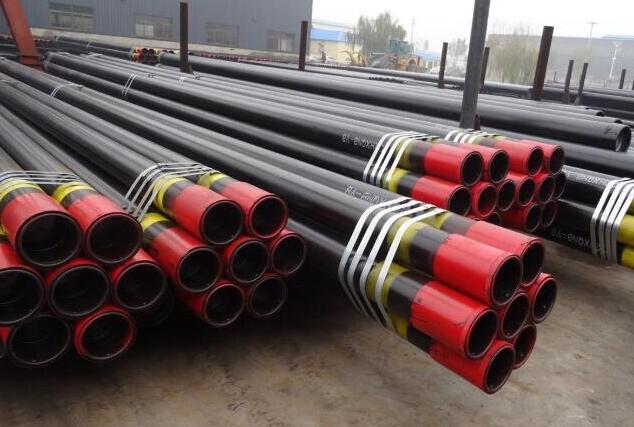
PETROLEUM CASING PIPE Wholesaler
In conclusion, the oil casing market is subject to a complex interplay of supply and demand dynamics that significantly influence price fluctuations. Economic conditions, geopolitical factors, raw material availability, and competitive behavior all contribute to the intricate web of influences that determine market prices. Understanding these factors is essential for stakeholders in the oil and gas industry, as they navigate the challenges and opportunities presented by this ever-evolving market landscape.
Geopolitical Events and Regulations
The oil casing market, a critical component of the oil and gas industry, is subject to various influences that can lead to significant price fluctuations. Among these influences, geopolitical events and regulatory changes stand out as key factors that can dramatically alter market dynamics. Geopolitical events encompass a wide range of occurrences, including conflicts, diplomatic relations, and economic sanctions, all of which can impact oil production and distribution. For instance, when tensions rise in oil-rich regions, such as the Middle East, the potential for supply disruptions becomes a pressing concern. This uncertainty often leads to increased speculation in the oil markets, driving prices higher as traders anticipate potential shortages.
Moreover, the stability of oil-producing nations plays a crucial role in determining the price of oil casing. Countries that are major producers, such as Saudi Arabia, Russia, and the United States, can influence global supply levels through their production decisions. If a major producer decides to cut back on production due to internal strife or external pressures, the resulting decrease in supply can lead to a spike in prices. Conversely, if a country increases production in response to geopolitical stability, it can lead to a surplus in the market, causing prices to drop. Thus, the interplay between production levels and geopolitical stability is a fundamental aspect of the oil casing market.
In addition to direct impacts from geopolitical events, regulatory changes can also significantly affect market prices. Governments around the world impose regulations that can either facilitate or hinder oil production and distribution. For example, environmental regulations aimed at reducing carbon emissions can lead to increased costs for oil companies, which may be passed on to consumers in the form of higher casing prices. Furthermore, changes in trade policies, such as tariffs on imported oil or casing materials, can disrupt supply chains and lead to price volatility. When countries impose sanctions on oil-producing nations, the resulting isolation can create supply shortages, further exacerbating price increases.
The influence of international organizations, such as the Organization of the Petroleum Exporting Countries (OPEC), cannot be overlooked in this context. OPEC’s decisions regarding production quotas are often influenced by geopolitical considerations, and their ability to coordinate production levels among member countries can have a profound impact on global oil prices. When OPEC announces production cuts in response to geopolitical tensions, it can lead to immediate price increases in the oil casing market. Conversely, if OPEC decides to increase production to stabilize prices, it can lead to a decrease in market prices.
Additionally, the global economic landscape plays a significant role in shaping the oil casing market. Economic growth in emerging markets often leads to increased demand for oil, which can drive prices higher. However, economic downturns, often triggered by geopolitical instability, can lead to reduced demand and lower prices. The interconnectedness of global economies means that events in one region can have ripple effects across the world, influencing oil prices in ways that are sometimes unpredictable.
In conclusion, the oil casing market is intricately linked to geopolitical events and regulatory changes, both of which can lead to significant price fluctuations. The interplay between supply and demand, influenced by the stability of oil-producing nations and the regulatory environment, creates a complex landscape that requires constant monitoring. As geopolitical tensions rise and fall, and as regulations evolve, stakeholders in the oil casing market must remain vigilant to navigate the challenges and opportunities presented by these dynamic factors. Understanding these influences is essential for making informed decisions in an ever-changing market.
{:}{:es}
Dinámica de la oferta y la demanda
El mercado de carcasas de petróleo, un componente crítico en la industria del petróleo y el gas, experimenta fluctuaciones en el precio que pueden atribuirse a una variedad de factores, donde la dinámica de la oferta y la demanda juega un papel fundamental. Comprender esta dinámica requiere un examen exhaustivo de cómo la interacción entre la oferta y la demanda influye en los precios del mercado. En el centro de esta relación se encuentra el principio económico fundamental de que cuando la demanda de un producto excede su oferta, los precios tienden a subir. Por el contrario, cuando la oferta supera la demanda, los precios suelen caer. Este principio es particularmente relevante en el contexto del revestimiento de petróleo, que es esencial para la perforación y terminación de pozos petroleros.
_640xaf.jpg”Uno de los principales factores que afectan la demanda de revestimientos de petróleo es la salud general de la industria del petróleo y el gas, que está influenciada por las condiciones económicas globales. Por ejemplo, durante los períodos de crecimiento económico, suele haber un aumento en el consumo de energía, lo que lleva a una mayor demanda de petróleo y gas. Este aumento de la actividad en el sector aumenta posteriormente la necesidad de revestimientos de petróleo, a medida que se inician más operaciones de perforación para satisfacer las crecientes necesidades de energía. Por el contrario, durante las crisis económicas, la demanda de petróleo y gas tiende a disminuir, lo que da como resultado una reducción de las actividades de perforación y, en consecuencia, una disminución de la demanda de revestimientos de petróleo. Esta naturaleza cíclica de la demanda, estrechamente ligada al desempeño económico, es un determinante importante de las fluctuaciones de precios en el mercado de envolturas de petróleo.
Además de las condiciones económicas, los factores geopolíticos también desempeñan un papel crucial en la configuración de la demanda de envolturas de petróleo. La inestabilidad política en las regiones productoras de petróleo puede generar incertidumbre en el suministro, lo que lleva a las empresas a acumular recursos, incluida la carcasa del petróleo, en previsión de posibles perturbaciones. Estas acciones pueden generar picos en la demanda, influyendo así en los precios del mercado. Además, los cambios regulatorios, como las políticas ambientales o las regulaciones de perforación, pueden afectar la demanda de revestimiento de petróleo. Las regulaciones más estrictas pueden generar mayores costos para las operaciones de perforación, lo que, a su vez, puede afectar la demanda general de revestimientos de petróleo a medida que las empresas reevalúan sus estrategias de inversión.
Por el lado de la oferta, la disponibilidad de materias primas utilizadas en la producción de revestimientos de petróleo es un factor crítico. La carcasa de aceite suele estar hecha de acero y las fluctuaciones en los precios del acero pueden afectar directamente el costo de la carcasa de aceite. Cuando los precios del acero aumentan debido a interrupciones en la cadena de suministro o una mayor demanda de otras industrias, los costos de producción para los fabricantes de carcasas de aceite también aumentan, lo que puede generar precios de mercado más altos. Además, la capacidad de los fabricantes para producir carcasas de aceite puede verse influenciada por los avances tecnológicos y la eficiencia de la producción. Si los fabricantes pueden producir carcasas de aceite de manera más eficiente, podrían bajar los precios, afectando así la dinámica general del mercado.
Además, el panorama competitivo del mercado de carcasas de aceite también contribuye a las fluctuaciones de precios. La presencia de múltiples proveedores puede generar competencia de precios, lo que puede hacer que los precios bajen. Sin embargo, si el mercado está dominado por unos pocos actores clave, estos pueden tener el poder de influir en los precios mediante decisiones estratégicas relativas a los niveles de producción y las estrategias de fijación de precios. Este comportamiento oligopólico puede crear volatilidad en el mercado, ya que los proveedores reaccionan a los cambios en la demanda y las acciones de sus competidores.
TUBO DE CARCASA DE PETRÓLEO Mayorista
En conclusión, el mercado de envolturas petrolíferas está sujeto a una compleja interacción de dinámicas de oferta y demanda que influyen significativamente en las fluctuaciones de precios. Las condiciones económicas, los factores geopolíticos, la disponibilidad de materias primas y el comportamiento competitivo contribuyen a la intrincada red de influencias que determinan los precios del mercado. Comprender estos factores es esencial para las partes interesadas en la industria del petróleo y el gas, mientras navegan por los desafíos y oportunidades que presenta este panorama de mercado en constante evolución.
Eventos y regulaciones geopolíticas
El mercado de carcasas de petróleo, un componente crítico de la industria del petróleo y el gas, está sujeto a diversas influencias que pueden provocar importantes fluctuaciones de precios. Entre estas influencias, los acontecimientos geopolíticos y los cambios regulatorios se destacan como factores clave que pueden alterar dramáticamente la dinámica del mercado. Los eventos geopolíticos abarcan una amplia gama de sucesos, incluidos conflictos, relaciones diplomáticas y sanciones económicas, todos los cuales pueden afectar la producción y distribución de petróleo. Por ejemplo, cuando aumentan las tensiones en regiones ricas en petróleo, como Oriente Medio, la posibilidad de que se produzcan interrupciones en el suministro se convierte en una preocupación apremiante. Esta incertidumbre a menudo conduce a una mayor especulación en los mercados del petróleo, lo que hace subir los precios a medida que los comerciantes anticipan una posible escasez.
Además, la estabilidad de las naciones productoras de petróleo juega un papel crucial en la determinación del precio de la carcasa del petróleo. Los países que son grandes productores, como Arabia Saudita, Rusia y Estados Unidos, pueden influir en los niveles de oferta global a través de sus decisiones de producción. Si un productor importante decide recortar la producción debido a conflictos internos o presiones externas, la disminución resultante de la oferta puede provocar un aumento de los precios. Por el contrario, si un país aumenta la producción en respuesta a la estabilidad geopolítica, puede generar un excedente en el mercado, lo que provocará una caída de los precios. Por lo tanto, la interacción entre los niveles de producción y la estabilidad geopolítica es un aspecto fundamental del mercado de carcasas de petróleo.
Además de los impactos directos de los eventos geopolíticos, los cambios regulatorios también pueden afectar significativamente los precios del mercado. Los gobiernos de todo el mundo imponen regulaciones que pueden facilitar u obstaculizar la producción y distribución de petróleo. Por ejemplo, las regulaciones ambientales destinadas a reducir las emisiones de carbono pueden generar mayores costos para las compañías petroleras, que pueden trasladarse a los consumidores en forma de precios más altos de las carcasas. Además, los cambios en las políticas comerciales, como los aranceles sobre el petróleo o los materiales de revestimiento importados, pueden alterar las cadenas de suministro y generar volatilidad de precios. Cuando los países imponen sanciones a las naciones productoras de petróleo, el aislamiento resultante puede crear escasez de suministro, exacerbando aún más los aumentos de precios.
La influencia de organizaciones internacionales, como la Organización de Países Exportadores de Petróleo (OPEP), no puede pasarse por alto en este contexto. . Las decisiones de la OPEP con respecto a las cuotas de producción a menudo están influenciadas por consideraciones geopolíticas, y su capacidad para coordinar los niveles de producción entre los países miembros puede tener un profundo impacto en los precios mundiales del petróleo. Cuando la OPEP anuncia recortes de producción en respuesta a tensiones geopolíticas, puede provocar aumentos inmediatos de precios en el mercado de envolturas de petróleo. Por el contrario, si la OPEP decide aumentar la producción para estabilizar los precios, puede provocar una disminución de los precios del mercado.
Además, el panorama económico mundial desempeña un papel importante en la configuración del mercado de envolturas de petróleo. El crecimiento económico en los mercados emergentes a menudo conduce a una mayor demanda de petróleo, lo que puede hacer subir los precios. Sin embargo, las crisis económicas, a menudo provocadas por la inestabilidad geopolítica, pueden provocar una reducción de la demanda y precios más bajos. La interconexión de las economías globales significa que los eventos en una región pueden tener efectos en cadena en todo el mundo, influyendo en los precios del petróleo de maneras que a veces son impredecibles.
En conclusión, el mercado de envolturas petroleras está estrechamente vinculado a eventos geopolíticos y cambios regulatorios, ambos de lo que puede provocar importantes fluctuaciones de precios. La interacción entre la oferta y la demanda, influenciada por la estabilidad de las naciones productoras de petróleo y el entorno regulatorio, crea un panorama complejo que requiere un seguimiento constante. A medida que las tensiones geopolíticas aumentan y disminuyen, y a medida que evolucionan las regulaciones, las partes interesadas en el mercado de carcasas de petróleo deben permanecer alerta para afrontar los desafíos y oportunidades que presentan estos factores dinámicos. Comprender estas influencias es esencial para tomar decisiones informadas en un mercado en constante cambio.{:}{:de}
Angebots- und Nachfragedynamik
Der Ölgehäusemarkt, ein wichtiger Bestandteil der Öl- und Gasindustrie, unterliegt Preisschwankungen, die auf eine Vielzahl von Faktoren zurückzuführen sind, wobei die Angebots- und Nachfragedynamik eine entscheidende Rolle spielt. Um diese Dynamik zu verstehen, ist eine umfassende Untersuchung erforderlich, wie das Zusammenspiel von Angebot und Nachfrage die Marktpreise beeinflusst. Im Mittelpunkt dieser Beziehung steht das wirtschaftliche Grundprinzip, dass die Preise tendenziell steigen, wenn die Nachfrage nach einem Produkt das Angebot übersteigt. Wenn umgekehrt das Angebot die Nachfrage übersteigt, fallen die Preise normalerweise. Dieses Prinzip ist besonders relevant im Zusammenhang mit der Ölverrohrung, die für das Bohren und Fertigstellen von Ölquellen unerlässlich ist.
_640xaf.jpg”Einer der Hauptfaktoren, die die Nachfrage nach Ölgehäusen beeinflussen, ist der allgemeine Zustand der Öl- und Gasindustrie, der von den globalen Wirtschaftsbedingungen beeinflusst wird. Beispielsweise kommt es in Phasen des Wirtschaftswachstums häufig zu einem Anstieg des Energieverbrauchs, was zu einer erhöhten Nachfrage nach Öl und Gas führt. Diese verstärkte Aktivität in diesem Sektor erhöht in der Folge den Bedarf an Ölgehäusen, da mehr Bohrarbeiten eingeleitet werden, um den steigenden Energiebedarf zu decken. Umgekehrt sinkt bei Konjunkturabschwüngen tendenziell die Nachfrage nach Öl und Gas, was zu geringeren Bohraktivitäten und damit zu einem Rückgang der Nachfrage nach Ölgehäusen führt. Dieser zyklische Charakter der Nachfrage, der eng mit der Wirtschaftsleistung verknüpft ist, ist ein wesentlicher Faktor für die Preisschwankungen auf dem Ölgehäusemarkt.
Neben den wirtschaftlichen Bedingungen spielen auch geopolitische Faktoren eine entscheidende Rolle bei der Gestaltung der Nachfrage nach Ölgehäusen. Politische Instabilität in Ölförderregionen kann zu Versorgungsunsicherheiten führen und Unternehmen dazu veranlassen, in Erwartung möglicher Störungen Ressourcen, einschließlich Ölgehäuse, zu horten. Solche Maßnahmen können zu Nachfragespitzen führen und dadurch die Marktpreise beeinflussen. Darüber hinaus können sich regulatorische Änderungen, wie etwa Umweltrichtlinien oder Bohrvorschriften, auf die Nachfrage nach Ölgehäusen auswirken. Strengere Vorschriften können zu höheren Kosten für Bohrarbeiten führen, was sich wiederum auf die Gesamtnachfrage nach Ölgehäusen auswirken kann, da Unternehmen ihre Investitionsstrategien überdenken.
Auf der Angebotsseite die Verfügbarkeit von Rohstoffen, die bei der Produktion von Ölgehäusen verwendet werden ist ein kritischer Faktor. Das Ölgehäuse besteht in der Regel aus Stahl, und Schwankungen der Stahlpreise können sich direkt auf die Kosten des Ölgehäuses auswirken. Wenn die Stahlpreise aufgrund von Lieferkettenunterbrechungen oder einer erhöhten Nachfrage aus anderen Branchen steigen, steigen auch die Produktionskosten für Ölgehäusehersteller, was zu höheren Marktpreisen führen kann. Darüber hinaus kann die Kapazität der Hersteller zur Herstellung von Ölgehäusen durch technologische Fortschritte und Produktionseffizienz beeinflusst werden. Wenn Hersteller Ölgehäuse effizienter produzieren können, können sie möglicherweise die Preise senken und dadurch die Gesamtmarktdynamik beeinflussen.
Darüber hinaus trägt auch die Wettbewerbslandschaft des Ölgehäusemarkts zu Preisschwankungen bei. Die Präsenz mehrerer Anbieter kann zu einem Preiswettbewerb führen, der zu Preissenkungen führen kann. Wenn der Markt jedoch von einigen wenigen Schlüsselakteuren dominiert wird, können diese möglicherweise die Macht haben, die Preise durch strategische Entscheidungen über Produktionsmengen und Preisstrategien zu beeinflussen. Dieses oligopolistische Verhalten kann zu Marktvolatilität führen, da Anbieter auf Nachfrageänderungen und die Maßnahmen ihrer Konkurrenten reagieren.
Erdölmantelrohr-Großhändler
Zusammenfassend lässt sich sagen, dass der Ölgehäusemarkt einem komplexen Zusammenspiel von Angebots- und Nachfragedynamik unterliegt, das die Preisschwankungen erheblich beeinflusst. Wirtschaftliche Bedingungen, geopolitische Faktoren, Rohstoffverfügbarkeit und Wettbewerbsverhalten tragen alle zu dem komplexen Netz von Einflüssen bei, die die Marktpreise bestimmen. Das Verständnis dieser Faktoren ist für Stakeholder in der Öl- und Gasindustrie von entscheidender Bedeutung, wenn sie die Herausforderungen und Chancen dieser sich ständig weiterentwickelnden Marktlandschaft meistern.
Geopolitische Ereignisse und Vorschriften
Der Ölgehäusemarkt, ein kritischer Bestandteil der Öl- und Gasindustrie, unterliegt verschiedenen Einflüssen, die zu erheblichen Preisschwankungen führen können. Unter diesen Einflüssen stechen geopolitische Ereignisse und regulatorische Änderungen als Schlüsselfaktoren hervor, die die Marktdynamik dramatisch verändern können. Geopolitische Ereignisse umfassen ein breites Spektrum an Ereignissen, darunter Konflikte, diplomatische Beziehungen und Wirtschaftssanktionen, die sich alle auf die Ölproduktion und -verteilung auswirken können. Wenn beispielsweise die Spannungen in ölreichen Regionen wie dem Nahen Osten zunehmen, wird die Möglichkeit von Versorgungsunterbrechungen zu einem dringenden Problem. Diese Unsicherheit führt häufig zu verstärkten Spekulationen auf den Ölmärkten und treibt die Preise in die Höhe, da Händler mit möglichen Engpässen rechnen.
Darüber hinaus spielt die Stabilität der Ölförderländer eine entscheidende Rolle bei der Bestimmung des Preises für Ölhüllen. Länder, die große Produzenten sind, wie Saudi-Arabien, Russland und die Vereinigten Staaten, können durch ihre Produktionsentscheidungen das globale Angebot beeinflussen. Wenn ein großer Hersteller aufgrund interner Konflikte oder externen Drucks beschließt, die Produktion zu drosseln, kann der daraus resultierende Rückgang des Angebots zu einem Preisanstieg führen. Wenn umgekehrt ein Land als Reaktion auf die geopolitische Stabilität die Produktion erhöht, kann dies zu einem Überschuss auf dem Markt führen, was zu einem Preisverfall führt. Daher ist das Zusammenspiel zwischen Produktionsniveau und geopolitischer Stabilität ein grundlegender Aspekt des Ölgehäusemarktes.
Zusätzlich zu den direkten Auswirkungen geopolitischer Ereignisse können regulatorische Änderungen auch die Marktpreise erheblich beeinflussen. Regierungen auf der ganzen Welt erlassen Vorschriften, die die Ölförderung und -verteilung entweder erleichtern oder behindern können. Beispielsweise können Umweltvorschriften zur Reduzierung der Kohlenstoffemissionen zu höheren Kosten für Ölunternehmen führen, die möglicherweise in Form höherer Gehäusepreise an die Verbraucher weitergegeben werden. Darüber hinaus können Änderungen in der Handelspolitik, wie z. B. Zölle auf importiertes Öl oder Gehäusematerialien, Lieferketten stören und zu Preisvolatilität führen. Wenn Länder Sanktionen gegen Öl produzierende Länder verhängen, kann die daraus resultierende Isolation zu Versorgungsengpässen führen und die Preissteigerungen weiter verschärfen.
Der Einfluss internationaler Organisationen wie der Organisation erdölexportierender Länder (OPEC) ist in diesem Zusammenhang nicht zu übersehen . Die Entscheidungen der OPEC über Produktionsquoten werden häufig von geopolitischen Erwägungen beeinflusst, und ihre Fähigkeit, die Produktionsmengen zwischen den Mitgliedsländern zu koordinieren, kann tiefgreifende Auswirkungen auf die globalen Ölpreise haben. Wenn die OPEC als Reaktion auf geopolitische Spannungen Produktionskürzungen ankündigt, kann dies zu sofortigen Preiserhöhungen auf dem Ölgehäusemarkt führen. Wenn umgekehrt die OPEC beschließt, die Produktion zu erhöhen, um die Preise zu stabilisieren, kann dies zu einem Rückgang der Marktpreise führen.
Darüber hinaus spielt die globale Wirtschaftslandschaft eine wichtige Rolle bei der Gestaltung des Ölgehäusemarktes. Das Wirtschaftswachstum in Schwellenländern führt oft zu einer erhöhten Nachfrage nach Öl, was die Preise in die Höhe treiben kann. Allerdings können wirtschaftliche Abschwünge, die oft durch geopolitische Instabilität ausgelöst werden, zu einer geringeren Nachfrage und niedrigeren Preisen führen. Aufgrund der Vernetzung globaler Volkswirtschaften können Ereignisse in einer Region weitreichende Auswirkungen auf die ganze Welt haben und die Ölpreise auf manchmal unvorhersehbare Weise beeinflussen.
Zusammenfassend lässt sich sagen, dass der Ölgehäusemarkt eng mit geopolitischen Ereignissen und regulatorischen Änderungen verbunden ist was zu erheblichen Preisschwankungen führen kann. Das Zusammenspiel von Angebot und Nachfrage, beeinflusst durch die Stabilität der Ölförderländer und das regulatorische Umfeld, schafft eine komplexe Landschaft, die eine ständige Überwachung erfordert. Während die geopolitischen Spannungen zunehmen und abnehmen und sich die Vorschriften weiterentwickeln, müssen die Akteure am Markt für Ölgehäuse wachsam bleiben, um die Herausforderungen und Chancen zu meistern, die diese dynamischen Faktoren mit sich bringen. Das Verständnis dieser Einflüsse ist unerlässlich, um fundierte Entscheidungen in einem sich ständig verändernden Markt treffen zu können.{:}{:fr}
Dynamique de l’offre et de la demande
_640xaf.jpg”
Grossiste de TUYAUX D’ENVELOPPE DE PÉTROLEÉvénements et réglementations géopolitiques
Le marché du tubage pétrolier, un élément essentiel de l’industrie pétrolière et gazière, est soumis à diverses influences qui peuvent entraîner d’importantes fluctuations de prix. Parmi ces influences, les événements géopolitiques et les changements réglementaires se démarquent comme des facteurs clés susceptibles de modifier considérablement la dynamique du marché. Les événements géopolitiques englobent un large éventail d’événements, notamment des conflits, des relations diplomatiques et des sanctions économiques, qui peuvent tous avoir un impact sur la production et la distribution du pétrole. Par exemple, lorsque les tensions s’accentuent dans des régions riches en pétrole, comme le Moyen-Orient, le risque de rupture d’approvisionnement devient une préoccupation pressante. Cette incertitude conduit souvent à une spéculation accrue sur les marchés pétroliers, ce qui fait grimper les prix alors que les commerçants anticipent d’éventuelles pénuries.
En outre, la stabilité des pays producteurs de pétrole joue un rôle crucial dans la détermination du prix du tubage pétrolier. Les pays qui sont de grands producteurs, comme l’Arabie saoudite, la Russie et les États-Unis, peuvent influencer les niveaux d’offre mondiale par leurs décisions de production. Si un producteur majeur décide de réduire sa production en raison de conflits internes ou de pressions externes, la diminution de l’offre qui en résulte peut entraîner une flambée des prix. À l’inverse, si un pays augmente sa production en réponse à la stabilité géopolitique, cela peut entraîner un excédent sur le marché, entraînant une baisse des prix. Ainsi, l’interaction entre les niveaux de production et la stabilité géopolitique est un aspect fondamental du marché du tubage pétrolier.
En plus des impacts directs des événements géopolitiques, les changements réglementaires peuvent également affecter de manière significative les prix du marché. Les gouvernements du monde entier imposent des réglementations qui peuvent faciliter ou entraver la production et la distribution du pétrole. Par exemple, les réglementations environnementales visant à réduire les émissions de carbone peuvent entraîner une augmentation des coûts pour les compagnies pétrolières, qui peut être répercutée sur les consommateurs sous la forme d’une hausse des prix des boyaux. En outre, les changements dans les politiques commerciales, tels que les droits de douane sur le pétrole importé ou sur les matériaux de tubage, peuvent perturber les chaînes d’approvisionnement et entraîner une volatilité des prix. Lorsque des pays imposent des sanctions aux pays producteurs de pétrole, l’isolement qui en résulte peut créer des pénuries d’approvisionnement, exacerbant encore davantage la hausse des prix.
L’influence des organisations internationales, telles que l’Organisation des pays exportateurs de pétrole (OPEP), ne peut être négligée dans ce contexte. . Les décisions de l’OPEP concernant les quotas de production sont souvent influencées par des considérations géopolitiques, et leur capacité à coordonner les niveaux de production entre les pays membres peut avoir un impact profond sur les prix mondiaux du pétrole. Lorsque l’OPEP annonce des réductions de production en réponse aux tensions géopolitiques, cela peut entraîner une hausse immédiate des prix sur le marché du tubage pétrolier. À l’inverse, si l’OPEP décide d’augmenter sa production pour stabiliser les prix, cela peut entraîner une baisse des prix du marché.
En outre, le paysage économique mondial joue un rôle important dans la formation du marché du tubage pétrolier. La croissance économique des marchés émergents entraîne souvent une augmentation de la demande de pétrole, ce qui peut faire grimper les prix. Cependant, les ralentissements économiques, souvent déclenchés par l’instabilité géopolitique, peuvent entraîner une réduction de la demande et une baisse des prix. L’interdépendance des économies mondiales signifie que les événements survenant dans une région peuvent avoir des effets d’entraînement à travers le monde, influençant les prix du pétrole de manière parfois imprévisible.
En conclusion, le marché du tubage pétrolier est intimement lié aux événements géopolitiques et aux changements réglementaires, tous deux ce qui peut entraîner des fluctuations de prix importantes. L’interaction entre l’offre et la demande, influencée par la stabilité des pays producteurs de pétrole et l’environnement réglementaire, crée un paysage complexe qui nécessite une surveillance constante. À mesure que les tensions géopolitiques augmentent et diminuent et que les réglementations évoluent, les acteurs du marché des caissons pétroliers doivent rester vigilants pour faire face aux défis et aux opportunités présentés par ces facteurs dynamiques. Comprendre ces influences est essentiel pour prendre des décisions éclairées dans un marché en constante évolution.
Geopolitical Events and Regulations
The oil casing market, a critical component of the oil and gas industry, is subject to various influences that can lead to significant price fluctuations. Among these influences, geopolitical events and regulatory changes stand out as key factors that can dramatically alter market dynamics. Geopolitical events encompass a wide range of occurrences, including conflicts, diplomatic relations, and economic sanctions, all of which can impact oil production and distribution. For instance, when tensions rise in oil-rich regions, such as the Middle East, the potential for supply disruptions becomes a pressing concern. This uncertainty often leads to increased speculation in the oil markets, driving prices higher as traders anticipate potential shortages.
Moreover, the stability of oil-producing nations plays a crucial role in determining the price of oil casing. Countries that are major producers, such as Saudi Arabia, Russia, and the United States, can influence global supply levels through their production decisions. If a major producer decides to cut back on production due to internal strife or external pressures, the resulting decrease in supply can lead to a spike in prices. Conversely, if a country increases production in response to geopolitical stability, it can lead to a surplus in the market, causing prices to drop. Thus, the interplay between production levels and geopolitical stability is a fundamental aspect of the oil casing market.
In addition to direct impacts from geopolitical events, regulatory changes can also significantly affect market prices. Governments around the world impose regulations that can either facilitate or hinder oil production and distribution. For example, environmental regulations aimed at reducing carbon emissions can lead to increased costs for oil companies, which may be passed on to consumers in the form of higher casing prices. Furthermore, changes in trade policies, such as tariffs on imported oil or casing materials, can disrupt supply chains and lead to price volatility. When countries impose sanctions on oil-producing nations, the resulting isolation can create supply shortages, further exacerbating price increases.
The influence of international organizations, such as the Organization of the Petroleum Exporting Countries (OPEC), cannot be overlooked in this context. OPEC’s decisions regarding production quotas are often influenced by geopolitical considerations, and their ability to coordinate production levels among member countries can have a profound impact on global oil prices. When OPEC announces production cuts in response to geopolitical tensions, it can lead to immediate price increases in the oil casing market. Conversely, if OPEC decides to increase production to stabilize prices, it can lead to a decrease in market prices.
Additionally, the global economic landscape plays a significant role in shaping the oil casing market. Economic growth in emerging markets often leads to increased demand for oil, which can drive prices higher. However, economic downturns, often triggered by geopolitical instability, can lead to reduced demand and lower prices. The interconnectedness of global economies means that events in one region can have ripple effects across the world, influencing oil prices in ways that are sometimes unpredictable.
In conclusion, the oil casing market is intricately linked to geopolitical events and regulatory changes, both of which can lead to significant price fluctuations. The interplay between supply and demand, influenced by the stability of oil-producing nations and the regulatory environment, creates a complex landscape that requires constant monitoring. As geopolitical tensions rise and fall, and as regulations evolve, stakeholders in the oil casing market must remain vigilant to navigate the challenges and opportunities presented by these dynamic factors. Understanding these influences is essential for making informed decisions in an ever-changing market.{:}{:ru}
Динамика спроса и предложения
Рынок нефтяных колонн, важнейший компонент нефтегазовой отрасли, испытывает колебания цен, которые можно объяснить множеством факторов, при этом динамика спроса и предложения играет ключевую роль. Понимание этой динамики требует всестороннего изучения того, как взаимодействие между спросом и предложением влияет на рыночные цены. В основе этих отношений лежит фундаментальный экономический принцип: когда спрос на продукт превышает его предложение, цены имеют тенденцию расти. И наоборот, когда предложение превышает спрос, цены обычно падают. Этот принцип особенно актуален в контексте обсадных колонн, которые необходимы для бурения и заканчивания нефтяных скважин.
_640xaf.jpg”Одним из основных факторов, влияющих на спрос на нефтяные колонны, является общее состояние нефтегазовой отрасли, на которое влияют глобальные экономические условия. Например, в периоды экономического роста часто наблюдается увеличение потребления энергии, что приводит к увеличению спроса на нефть и газ. Эта возросшая активность в этом секторе впоследствии приводит к увеличению потребности в обсадных колоннах для нефти, поскольку для удовлетворения растущих потребностей в энергии инициируется больше буровых работ. И наоборот, во время экономического спада спрос на нефть и газ имеет тенденцию к снижению, что приводит к сокращению буровых работ и, как следствие, к снижению спроса на нефтяные колонны. Циклический характер спроса, тесно связанный с экономическими показателями, является важным фактором, определяющим колебания цен на рынке нефтяных колонн.
Помимо экономических условий, геополитические факторы также играют решающую роль в формировании спроса на нефтяные колонны. Политическая нестабильность в нефтедобывающих регионах может привести к неопределенности в поставках, побуждая компании накапливать запасы ресурсов, включая нефтяные колонны, в ожидании потенциальных сбоев. Такие действия могут вызвать резкий скачок спроса, тем самым повлияв на рыночные цены. Кроме того, нормативные изменения, такие как экологическая политика или правила бурения, могут повлиять на спрос на нефтяные колонны. Более строгие правила могут привести к увеличению затрат на буровые работы, что, в свою очередь, может повлиять на общий спрос на нефтяные колонны, поскольку компании пересматривают свои инвестиционные стратегии.
Со стороны предложения доступность сырья, используемого при производстве нефтяных колонн является критическим фактором. Масляный кожух обычно изготавливается из стали, и колебания цен на сталь могут напрямую влиять на стоимость масляного кожуха. Когда цены на сталь растут из-за сбоев в цепочках поставок или увеличения спроса со стороны других отраслей, производственные затраты производителей нефтяных гильз также увеличиваются, что может привести к повышению рыночных цен. Кроме того, на способность производителей производить нефтяные оболочки могут влиять технологические достижения и эффективность производства. Если производители смогут производить нефтяные оболочки более эффективно, они смогут снизить цены, тем самым повлияв на общую динамику рынка.
Более того, конкурентная среда на рынке нефтяных трубок также способствует колебаниям цен. Наличие нескольких поставщиков может привести к ценовой конкуренции, что может привести к снижению цен. Однако, если на рынке доминируют несколько ключевых игроков, они могут иметь возможность влиять на цены посредством стратегических решений относительно уровня производства и стратегии ценообразования. Такое олигополистическое поведение может создать нестабильность на рынке, поскольку поставщики реагируют на изменения спроса и действия своих конкурентов.
Оптовый торговец НЕФТЯНЫМИ ОБОЛОЧОЧНЫМИ ТРУБАМИ
В заключение, рынок нефтяных кожух подвержен сложному взаимодействию динамики спроса и предложения, которое существенно влияет на колебания цен. Экономические условия, геополитические факторы, доступность сырья и конкурентное поведение — все это вносит свой вклад в сложную сеть влияний, определяющих рыночные цены. Понимание этих факторов имеет важное значение для заинтересованных сторон нефтегазовой отрасли, поскольку они решают проблемы и возможности, открывающиеся в этой постоянно развивающейся рыночной среде.
Геополитические события и положения
Рынок нефтяных колонн, важнейший компонент нефтегазовой отрасли, подвержен различным воздействиям, которые могут привести к значительным колебаниям цен. Среди этих влияний геополитические события и изменения в регулировании выделяются как ключевые факторы, которые могут кардинально изменить динамику рынка. Геополитические события охватывают широкий спектр событий, включая конфликты, дипломатические отношения и экономические санкции, которые могут повлиять на добычу и распределение нефти. Например, когда напряженность возрастает в богатых нефтью регионах, таких как Ближний Восток, возможность перебоев в поставках становится серьезной проблемой. Эта неопределенность часто приводит к усилению спекуляций на нефтяных рынках, что приводит к росту цен, поскольку трейдеры ожидают потенциального дефицита.
Более того, стабильность нефтедобывающих стран играет решающую роль в определении цены на нефтяные колонны. Страны, являющиеся крупными производителями, такие как Саудовская Аравия, Россия и США, могут влиять на глобальные уровни поставок посредством своих производственных решений. Если крупный производитель решит сократить производство из-за внутренних разногласий или внешнего давления, возникающее в результате сокращение предложения может привести к резкому росту цен. И наоборот, если страна увеличивает производство в ответ на геополитическую стабильность, это может привести к избытку на рынке, что приведет к падению цен. Таким образом, взаимодействие между уровнем добычи и геополитической стабильностью является фундаментальным аспектом рынка нефтяных колонн.
Помимо прямого воздействия геополитических событий, нормативные изменения также могут существенно повлиять на рыночные цены. Правительства по всему миру вводят правила, которые могут либо способствовать, либо препятствовать добыче и распределению нефти. Например, экологические нормы, направленные на сокращение выбросов углекислого газа, могут привести к увеличению затрат нефтяных компаний, что может быть переложено на потребителей в виде более высоких цен на обсадные колонны. Кроме того, изменения в торговой политике, такие как тарифы на импортируемую нефть или обсадные материалы, могут нарушить цепочки поставок и привести к волатильности цен. Когда страны вводят санкции в отношении стран-производителей нефти, возникающая в результате изоляция может создать дефицит поставок, что еще больше усугубляет рост цен. В этом контексте нельзя игнорировать влияние международных организаций, таких как Организация стран-экспортеров нефти (ОПЕК). . На решения ОПЕК относительно квот на добычу часто влияют геополитические соображения, и их способность координировать уровни добычи среди стран-членов может оказать глубокое влияние на мировые цены на нефть. Когда ОПЕК объявляет о сокращении добычи в ответ на геополитическую напряженность, это может привести к немедленному росту цен на рынке нефтяных труб. И наоборот, если ОПЕК решит увеличить добычу для стабилизации цен, это может привести к снижению рыночных цен. Кроме того, глобальный экономический ландшафт играет значительную роль в формировании рынка нефтяных труб. Экономический рост на развивающихся рынках часто приводит к увеличению спроса на нефть, что может привести к росту цен. Однако экономический спад, часто вызванный геополитической нестабильностью, может привести к снижению спроса и цен. Взаимосвязь мировых экономик означает, что события в одном регионе могут иметь волновой эффект по всему миру, влияя на цены на нефть порой непредсказуемым образом. что может привести к значительным колебаниям цен. Взаимодействие между спросом и предложением, находящееся под влиянием стабильности нефтедобывающих стран и нормативно-правовой базы, создает сложную ситуацию, требующую постоянного мониторинга. По мере того, как геополитическая напряженность растет и снижается, а также по мере развития нормативных актов, заинтересованные стороны рынка нефтяных колонн должны сохранять бдительность, чтобы решать проблемы и возможности, создаваемые этими динамическими факторами. Понимание этих влияний необходимо для принятия обоснованных решений на постоянно меняющемся рынке.{:}{:it}
Dinamiche della domanda e dell’offerta
Il mercato degli involucri petroliferi, una componente critica nell’industria del petrolio e del gas, è soggetto a fluttuazioni di prezzo che possono essere attribuite a una varietà di fattori, tra cui le dinamiche della domanda e dell’offerta che giocano un ruolo fondamentale. Comprendere queste dinamiche richiede un esame completo di come l’interazione tra domanda e offerta influenza i prezzi di mercato. Al centro di questa relazione c’è il principio economico fondamentale secondo cui quando la domanda di un prodotto supera la sua offerta, i prezzi tendono ad aumentare. Al contrario, quando l’offerta supera la domanda, i prezzi generalmente diminuiscono. Questo principio è particolarmente rilevante nel contesto del rivestimento petrolifero, essenziale per la perforazione e il completamento dei pozzi petroliferi.
_640xaf.jpg”Uno dei fattori principali che influenzano la domanda di rivestimenti petroliferi è la salute generale dell’industria del petrolio e del gas, che è influenzata dalle condizioni economiche globali. Ad esempio, durante i periodi di crescita economica, si verifica spesso un aumento del consumo di energia, che porta ad un aumento della domanda di petrolio e gas. Questa maggiore attività nel settore aumenta successivamente la necessità di rivestimenti petroliferi, poiché vengono avviate più operazioni di trivellazione per soddisfare il crescente fabbisogno energetico. Al contrario, durante le recessioni economiche, la domanda di petrolio e gas tende a diminuire, con conseguente riduzione delle attività di perforazione e, di conseguenza, una diminuzione della domanda di rivestimenti petroliferi. Questa natura ciclica della domanda, strettamente legata alla performance economica, è un fattore determinante delle fluttuazioni dei prezzi nel mercato degli involucri petroliferi.
Oltre alle condizioni economiche, anche i fattori geopolitici svolgono un ruolo cruciale nel modellare la domanda di involucri petroliferi. L’instabilità politica nelle regioni produttrici di petrolio può portare a incertezza nell’offerta, spingendo le aziende ad accumulare risorse, comprese le coperture petrolifere, in previsione di potenziali interruzioni. Tali azioni possono creare picchi di domanda, influenzando così i prezzi di mercato. Inoltre, i cambiamenti normativi, come le politiche ambientali o le normative sulla trivellazione, possono avere un impatto sulla domanda di rivestimenti petroliferi. Regolamentazioni più severe possono comportare un aumento dei costi per le operazioni di trivellazione, che a loro volta possono influenzare la domanda complessiva di rivestimenti petroliferi mentre le aziende rivalutano le loro strategie di investimento.
Dal lato dell’offerta, la disponibilità delle materie prime utilizzate nella produzione di rivestimenti petroliferi è un fattore critico. L’involucro dell’olio è generalmente realizzato in acciaio e le fluttuazioni dei prezzi dell’acciaio possono avere un impatto diretto sul costo dell’involucro dell’olio. Quando i prezzi dell’acciaio aumentano a causa di interruzioni della catena di approvvigionamento o di una maggiore domanda da parte di altri settori, aumentano anche i costi di produzione per i produttori di involucri petroliferi, il che può portare a prezzi di mercato più elevati. Inoltre, la capacità dei produttori di produrre involucri petroliferi può essere influenzata dai progressi tecnologici e dalle efficienze produttive. Se i produttori riuscissero a produrre involucri per olio in modo più efficiente, potrebbero essere in grado di abbassare i prezzi, influenzando così le dinamiche generali del mercato.
Inoltre, anche il panorama competitivo del mercato degli involucri petroliferi contribuisce alle fluttuazioni dei prezzi. La presenza di più fornitori può portare ad una concorrenza sui prezzi, che può far scendere i prezzi. Tuttavia, se il mercato è dominato da pochi attori chiave, questi potrebbero avere il potere di influenzare i prezzi attraverso decisioni strategiche riguardanti i livelli di produzione e le strategie di prezzo. Questo comportamento oligopolistico può creare volatilità nel mercato, poiché i fornitori reagiscono ai cambiamenti della domanda e alle azioni dei loro concorrenti.
Grossista TUBI RIVESTIMENTO PETROLIO
In conclusione, il mercato degli involucri petroliferi è soggetto a una complessa interazione di dinamiche di domanda e offerta che influenzano in modo significativo le fluttuazioni dei prezzi. Le condizioni economiche, i fattori geopolitici, la disponibilità di materie prime e il comportamento competitivo contribuiscono tutti all’intricata rete di influenze che determinano i prezzi di mercato. Comprendere questi fattori è essenziale per le parti interessate del settore petrolifero e del gas, mentre affrontano le sfide e le opportunità presentate da questo panorama di mercato in continua evoluzione.
Eventi e regolamenti geopolitici
Il mercato degli involucri petroliferi, una componente critica dell’industria del petrolio e del gas, è soggetto a vari influssi che possono portare a significative fluttuazioni dei prezzi. Tra questi fattori, gli eventi geopolitici e i cambiamenti normativi si distinguono come fattori chiave in grado di alterare drasticamente le dinamiche del mercato. Gli eventi geopolitici comprendono una vasta gamma di eventi, inclusi conflitti, relazioni diplomatiche e sanzioni economiche, che possono tutti avere un impatto sulla produzione e distribuzione del petrolio. Ad esempio, quando le tensioni aumentano nelle regioni ricche di petrolio, come il Medio Oriente, il rischio di interruzioni delle forniture diventa una preoccupazione urgente. Questa incertezza porta spesso a una maggiore speculazione sui mercati petroliferi, facendo salire i prezzi poiché i trader anticipano potenziali carenze.
Inoltre, la stabilità dei paesi produttori di petrolio gioca un ruolo cruciale nel determinare il prezzo del petrolio. I paesi che sono i principali produttori, come l’Arabia Saudita, la Russia e gli Stati Uniti, possono influenzare i livelli di offerta globale attraverso le loro decisioni di produzione. Se un grande produttore decide di ridurre la produzione a causa di conflitti interni o pressioni esterne, la conseguente diminuzione dell’offerta può portare ad un’impennata dei prezzi. Al contrario, se un paese aumenta la produzione in risposta alla stabilità geopolitica, ciò può portare a un surplus nel mercato, provocando un calo dei prezzi. Pertanto, l’interazione tra i livelli di produzione e la stabilità geopolitica è un aspetto fondamentale del mercato degli involucri petroliferi.
Oltre agli impatti diretti degli eventi geopolitici, i cambiamenti normativi possono anche influenzare in modo significativo i prezzi di mercato. I governi di tutto il mondo impongono regolamenti che possono facilitare o ostacolare la produzione e la distribuzione del petrolio. Ad esempio, le normative ambientali volte a ridurre le emissioni di carbonio possono comportare un aumento dei costi per le compagnie petrolifere, che potrebbero essere trasferiti ai consumatori sotto forma di prezzi più alti degli involucri. Inoltre, i cambiamenti nelle politiche commerciali, come le tariffe sul petrolio importato o sui materiali di rivestimento, possono interrompere le catene di approvvigionamento e portare alla volatilità dei prezzi. Quando i paesi impongono sanzioni ai paesi produttori di petrolio, l’isolamento che ne risulta può creare carenze di offerta, esacerbando ulteriormente gli aumenti dei prezzi.
L’influenza delle organizzazioni internazionali, come l’Organizzazione dei paesi esportatori di petrolio (OPEC), non può essere trascurata in questo contesto . Le decisioni dell’OPEC in merito alle quote di produzione sono spesso influenzate da considerazioni geopolitiche e la loro capacità di coordinare i livelli di produzione tra i paesi membri può avere un profondo impatto sui prezzi globali del petrolio. Quando l’OPEC annuncia tagli alla produzione in risposta alle tensioni geopolitiche, ciò può portare ad immediati aumenti dei prezzi nel mercato degli involucri petroliferi. Al contrario, se l’OPEC decide di aumentare la produzione per stabilizzare i prezzi, ciò può portare a una diminuzione dei prezzi di mercato.
Inoltre, il panorama economico globale gioca un ruolo significativo nel modellare il mercato degli involucri petroliferi. La crescita economica nei mercati emergenti spesso porta ad un aumento della domanda di petrolio, che può far salire i prezzi. Tuttavia, le recessioni economiche, spesso innescate dall’instabilità geopolitica, possono portare a una riduzione della domanda e a prezzi più bassi. L’interconnessione delle economie globali significa che gli eventi che si verificano in una regione possono avere effetti a catena in tutto il mondo, influenzando i prezzi del petrolio in modi a volte imprevedibili.
In conclusione, il mercato degli involucri petroliferi è strettamente legato agli eventi geopolitici e ai cambiamenti normativi, sia di natura che può portare a significative fluttuazioni dei prezzi. L’interazione tra domanda e offerta, influenzata dalla stabilità dei paesi produttori di petrolio e dal contesto normativo, crea un panorama complesso che richiede un monitoraggio costante. Con l’aumento e la diminuzione delle tensioni geopolitiche e l’evoluzione delle normative, le parti interessate nel mercato degli involucri petroliferi devono rimanere vigili per affrontare le sfide e le opportunità presentate da questi fattori dinamici. Comprendere queste influenze è essenziale per prendere decisioni informate in un mercato in continua evoluzione.{:}{:pl}
Dynamika podaży i popytu
Rynek osłonki olejowej, kluczowy element przemysłu naftowego i gazowego, doświadcza wahań cen, które można przypisać różnym czynnikom, przy czym kluczową rolę odgrywa dynamika podaży i popytu. Zrozumienie tej dynamiki wymaga wszechstronnego zbadania, w jaki sposób wzajemne oddziaływanie podaży i popytu wpływa na ceny rynkowe. U podstaw tej zależności leży podstawowa zasada ekonomiczna, która głosi, że gdy popyt na produkt przewyższa jego podaż, ceny zwykle rosną. I odwrotnie, gdy podaż przewyższa popyt, ceny zazwyczaj spadają. Zasada ta jest szczególnie istotna w kontekście szybu naftowego, który jest niezbędny do wiercenia i wykańczania szybów naftowych.
_640xaf.jpg”Jednym z głównych czynników wpływających na popyt na osłonkę olejową jest ogólna kondycja przemysłu naftowego i gazowego, na którą wpływają globalne warunki gospodarcze. Na przykład w okresach wzrostu gospodarczego często następuje wzrost zużycia energii, co prowadzi do zwiększonego zapotrzebowania na ropę i gaz. Ta zwiększona aktywność w sektorze następnie zwiększa zapotrzebowanie na osłony olejowe, ponieważ inicjuje się więcej operacji wiertniczych, aby sprostać rosnącym zapotrzebowaniu na energię. I odwrotnie, podczas pogorszenia koniunktury gospodarczej popyt na ropę i gaz ma tendencję do spadku, co skutkuje ograniczeniem działalności wiertniczej, a w konsekwencji spadkiem zapotrzebowania na osłonę olejową. Ten cykliczny charakter popytu, ściśle powiązany z wynikami gospodarczymi, jest istotną determinantą wahań cen na rynku osłonki olejowej.
Oprócz warunków ekonomicznych, kluczową rolę w kształtowaniu popytu na osłonkę olejową odgrywają również czynniki geopolityczne. Niestabilność polityczna w regionach produkujących ropę naftową może prowadzić do niepewności dostaw, co skłania przedsiębiorstwa do gromadzenia zapasów zasobów, w tym osłony naftowej, w oczekiwaniu na potencjalne zakłócenia. Takie działania mogą powodować skoki popytu, wpływając w ten sposób na ceny rynkowe. Ponadto zmiany regulacyjne, takie jak polityka środowiskowa lub przepisy dotyczące wierceń, mogą mieć wpływ na popyt na osłonę olejową. Bardziej rygorystyczne przepisy mogą prowadzić do wzrostu kosztów operacji wiertniczych, co z kolei może wpłynąć na ogólny popyt na osłonę olejową w miarę ponownej oceny przez firmy swoich strategii inwestycyjnych.
Po stronie podaży dostępność surowców wykorzystywanych do produkcji osłony olejowej jest czynnikiem krytycznym. Osłona olejowa jest zwykle wykonana ze stali, a wahania cen stali mogą bezpośrednio wpływać na koszt osłony olejowej. Gdy ceny stali rosną z powodu zakłóceń w łańcuchu dostaw lub zwiększonego popytu ze strony innych branż, koszty produkcji dla producentów osłon olejowych również rosną, co może prowadzić do wyższych cen rynkowych. Ponadto na zdolność producentów do produkcji osłonek olejowych może wpływać postęp technologiczny i wydajność produkcji. Jeśli producenci będą w stanie wydajniej produkować osłonkę olejową, być może będą w stanie obniżyć ceny, wpływając w ten sposób na ogólną dynamikę rynku.
Co więcej, konkurencyjny krajobraz rynku osłonki olejowej również przyczynia się do wahań cen. Obecność wielu dostawców może prowadzić do konkurencji cenowej, co może skutkować spadkiem cen. Jeśli jednak rynek jest zdominowany przez kilku kluczowych graczy, mogą oni mieć władzę wpływania na ceny poprzez strategiczne decyzje dotyczące poziomów produkcji i strategii cenowych. To oligopolistyczne zachowanie może powodować zmienność na rynku, ponieważ dostawcy reagują na zmiany popytu i działania swoich konkurentów.
Hurtownia rur osłonowych naftowych
Podsumowując, rynek osłonek olejowych podlega złożonemu wzajemnemu oddziaływaniu dynamiki podaży i popytu, które znacząco wpływają na wahania cen. Warunki ekonomiczne, czynniki geopolityczne, dostępność surowców i zachowania konkurencyjne – wszystko to składa się na skomplikowaną sieć wpływów determinujących ceny rynkowe. Zrozumienie tych czynników jest niezbędne dla interesariuszy z branży naftowo-gazowej, gdy radzą sobie z wyzwaniami i możliwościami, jakie stwarza ten stale rozwijający się krajobraz rynkowy.
Wydarzenia i regulacje geopolityczne
Rynek osłonek olejowych, kluczowy element przemysłu naftowego i gazowego, podlega różnym wpływom, które mogą prowadzić do znacznych wahań cen. Wśród tych czynników wydarzenia geopolityczne i zmiany regulacyjne wyróżniają się jako kluczowe czynniki, które mogą radykalnie zmienić dynamikę rynku. Wydarzenia geopolityczne obejmują szeroki zakres zdarzeń, w tym konflikty, stosunki dyplomatyczne i sankcje gospodarcze, z których wszystkie mogą mieć wpływ na produkcję i dystrybucję ropy. Na przykład gdy wzrastają napięcia w regionach bogatych w ropę, takich jak Bliski Wschód, palącym problemem staje się możliwość wystąpienia zakłóceń w dostawach. Ta niepewność często prowadzi do wzmożonych spekulacji na rynkach ropy naftowej, powodując wzrost cen, ponieważ handlowcy przewidują potencjalne niedobory.
Co więcej, stabilność krajów produkujących ropę odgrywa kluczową rolę w ustalaniu ceny osłonki olejowej. Kraje będące głównymi producentami, takie jak Arabia Saudyjska, Rosja i Stany Zjednoczone, mogą wpływać na poziom globalnych dostaw poprzez swoje decyzje produkcyjne. Jeśli duży producent zdecyduje się ograniczyć produkcję z powodu konfliktów wewnętrznych lub nacisków zewnętrznych, wynikający z tego spadek podaży może prowadzić do gwałtownego wzrostu cen. I odwrotnie, jeśli kraj zwiększa produkcję w odpowiedzi na stabilność geopolityczną, może to prowadzić do nadwyżki na rynku, powodując spadek cen. Zatem wzajemne oddziaływanie poziomów produkcji i stabilności geopolitycznej jest podstawowym aspektem rynku osłonek olejowych.
Oprócz bezpośredniego wpływu wydarzeń geopolitycznych, zmiany regulacyjne mogą również znacząco wpływać na ceny rynkowe. Rządy na całym świecie nakładają przepisy, które mogą ułatwiać lub utrudniać produkcję i dystrybucję ropy. Na przykład regulacje środowiskowe mające na celu redukcję emisji gazów cieplarnianych mogą prowadzić do wzrostu kosztów dla koncernów naftowych, co może zostać przerzucone na konsumentów w postaci wyższych cen osłonki. Ponadto zmiany w polityce handlowej, takie jak cła na importowaną ropę naftową lub materiały osłonkowe, mogą zakłócać łańcuchy dostaw i prowadzić do zmienności cen. Kiedy kraje nakładają sankcje na kraje produkujące ropę naftową, wynikająca z tego izolacja może spowodować niedobory dostaw, co jeszcze bardziej pogłębia wzrost cen.
W tym kontekście nie można pominąć wpływu organizacji międzynarodowych, takich jak Organizacja Krajów Eksportujących Ropę Naftową (OPEC). . Na decyzje OPEC dotyczące kwot wydobywczych często wpływają względy geopolityczne, a ich zdolność do koordynowania poziomów produkcji między krajami członkowskimi może mieć głęboki wpływ na światowe ceny ropy. Kiedy OPEC ogłosi cięcia w produkcji w odpowiedzi na napięcia geopolityczne, może to doprowadzić do natychmiastowego wzrostu cen na rynku osłonki do ropy. I odwrotnie, jeśli OPEC zdecyduje się na zwiększenie wydobycia w celu ustabilizowania cen, może to doprowadzić do spadku cen rynkowych.
Dodatkowo światowy krajobraz gospodarczy odgrywa znaczącą rolę w kształtowaniu rynku osłony olejowej. Wzrost gospodarczy na rynkach wschodzących często prowadzi do zwiększonego popytu na ropę naftową, co może skutkować wzrostem cen. Jednakże pogorszenie koniunktury gospodarczej, często spowodowane niestabilnością geopolityczną, może prowadzić do zmniejszenia popytu i niższych cen. Wzajemne powiązania gospodarek światowych oznaczają, że wydarzenia w jednym regionie mogą mieć wpływ na cały świat, wpływając na ceny ropy w sposób czasami nieprzewidywalny.
Podsumowując, rynek osłonek do ropy naftowej jest ściśle powiązany ze zdarzeniami geopolitycznymi i zmianami regulacyjnymi, zarówno co może prowadzić do znacznych wahań cen. Wzajemne oddziaływanie podaży i popytu, na które wpływa stabilność krajów produkujących ropę naftową i otoczenie regulacyjne, tworzy złożony krajobraz wymagający stałego monitorowania. W miarę wzrostu i spadku napięcia geopolitycznego oraz ewolucji przepisów zainteresowane strony na rynku osłonek olejowych muszą zachować czujność, aby sprostać wyzwaniom i możliwościom, jakie stwarzają te dynamiczne czynniki. Zrozumienie tych wpływów jest niezbędne do podejmowania świadomych decyzji na stale zmieniającym się rynku.{:}{:hi}
आपूर्ति और मांग की गतिशीलता
तेल आवरण बाजार, तेल और गैस उद्योग में एक महत्वपूर्ण घटक, कीमत में उतार-चढ़ाव का अनुभव करता है जिसे विभिन्न कारकों के लिए जिम्मेदार ठहराया जा सकता है, जिसमें आपूर्ति और मांग की गतिशीलता एक महत्वपूर्ण भूमिका निभाती है। इन गतिशीलता को समझने के लिए इस बात की व्यापक जांच की आवश्यकता है कि आपूर्ति और मांग के बीच परस्पर क्रिया बाजार की कीमतों को कैसे प्रभावित करती है। इस रिश्ते के मूल में बुनियादी आर्थिक सिद्धांत है कि जब किसी उत्पाद की मांग उसकी आपूर्ति से अधिक हो जाती है, तो कीमतें बढ़ जाती हैं। इसके विपरीत, जब आपूर्ति मांग से अधिक हो जाती है, तो कीमतें आम तौर पर गिर जाती हैं। यह सिद्धांत विशेष रूप से तेल आवरण के संदर्भ में प्रासंगिक है, जो तेल कुओं की ड्रिलिंग और पूर्णता के लिए आवश्यक है।
_640xaf.jpg”तेल आवरण की मांग को प्रभावित करने वाले प्राथमिक कारकों में से एक तेल और गैस उद्योग का समग्र स्वास्थ्य है, जो वैश्विक आर्थिक स्थितियों से प्रभावित होता है। उदाहरण के लिए, आर्थिक विकास की अवधि के दौरान, अक्सर ऊर्जा खपत में वृद्धि होती है, जिससे तेल और गैस की मांग बढ़ जाती है। क्षेत्र में यह बढ़ी हुई गतिविधि बाद में तेल आवरण की आवश्यकता को बढ़ाती है, क्योंकि बढ़ती ऊर्जा आवश्यकताओं को पूरा करने के लिए अधिक ड्रिलिंग ऑपरेशन शुरू किए जाते हैं। इसके विपरीत, आर्थिक मंदी के दौरान, तेल और गैस की मांग में गिरावट आती है, जिसके परिणामस्वरूप ड्रिलिंग गतिविधियां कम हो जाती हैं और परिणामस्वरूप, तेल आवरण की मांग में कमी आती है। मांग की यह चक्रीय प्रकृति, जो आर्थिक प्रदर्शन से निकटता से जुड़ी हुई है, तेल आवरण बाजार में मूल्य में उतार-चढ़ाव का एक महत्वपूर्ण निर्धारक है।
आर्थिक स्थितियों के अलावा, भू-राजनीतिक कारक भी तेल आवरण की मांग को आकार देने में महत्वपूर्ण भूमिका निभाते हैं। तेल उत्पादक क्षेत्रों में राजनीतिक अस्थिरता से आपूर्ति में अनिश्चितता पैदा हो सकती है, जिससे संभावित व्यवधानों की आशंका में कंपनियों को तेल आवरण सहित संसाधनों का भंडारण करने के लिए प्रेरित किया जा सकता है। इस तरह की कार्रवाइयों से मांग में बढ़ोतरी हो सकती है, जिससे बाजार की कीमतें प्रभावित हो सकती हैं। इसके अलावा, नियामक परिवर्तन, जैसे पर्यावरण नीतियां या ड्रिलिंग नियम, तेल आवरण की मांग को प्रभावित कर सकते हैं। सख्त नियमों से ड्रिलिंग कार्यों की लागत में वृद्धि हो सकती है, जो बदले में, तेल आवरण की समग्र मांग को प्रभावित कर सकती है क्योंकि कंपनियां अपनी निवेश रणनीतियों का पुनर्मूल्यांकन करती हैं। आपूर्ति पक्ष पर, तेल आवरण के उत्पादन में उपयोग किए जाने वाले कच्चे माल की उपलब्धता एक महत्वपूर्ण कारक है. तेल आवरण आम तौर पर स्टील से बना होता है, और स्टील की कीमतों में उतार-चढ़ाव सीधे तेल आवरण की लागत को प्रभावित कर सकता है। जब आपूर्ति श्रृंखला में व्यवधान या अन्य उद्योगों से बढ़ती मांग के कारण स्टील की कीमतें बढ़ती हैं, तो तेल आवरण निर्माताओं के लिए उत्पादन लागत भी बढ़ जाती है, जिससे बाजार की कीमतें बढ़ सकती हैं। इसके अतिरिक्त, तेल आवरण का उत्पादन करने के लिए निर्माताओं की क्षमता तकनीकी प्रगति और उत्पादन क्षमता से प्रभावित हो सकती है। यदि निर्माता अधिक कुशलता से ऑयल केसिंग का उत्पादन कर सकते हैं, तो वे कीमतें कम करने में सक्षम हो सकते हैं, जिससे समग्र बाजार की गतिशीलता प्रभावित होगी। इसके अलावा, ऑयल केसिंग बाजार का प्रतिस्पर्धी परिदृश्य भी कीमत में उतार-चढ़ाव में योगदान देता है। एकाधिक आपूर्तिकर्ताओं की उपस्थिति से मूल्य प्रतिस्पर्धा हो सकती है, जिससे कीमतें नीचे आ सकती हैं। हालाँकि, यदि बाज़ार पर कुछ प्रमुख खिलाड़ियों का वर्चस्व है, तो उनके पास उत्पादन स्तर और मूल्य निर्धारण रणनीतियों के संबंध में रणनीतिक निर्णयों के माध्यम से कीमतों को प्रभावित करने की शक्ति हो सकती है। यह अल्पाधिकारवादी व्यवहार बाजार में अस्थिरता पैदा कर सकता है, क्योंकि आपूर्तिकर्ता मांग में बदलाव और अपने प्रतिस्पर्धियों के कार्यों पर प्रतिक्रिया करते हैं।
पेट्रोलियम केसिंग पाइप थोक विक्रेता
निष्कर्ष में, तेल आवरण बाजार आपूर्ति और मांग की गतिशीलता के एक जटिल परस्पर क्रिया के अधीन है जो मूल्य में उतार-चढ़ाव को महत्वपूर्ण रूप से प्रभावित करता है। आर्थिक स्थितियाँ, भू-राजनीतिक कारक, कच्चे माल की उपलब्धता और प्रतिस्पर्धी व्यवहार सभी प्रभावों के जटिल जाल में योगदान करते हैं जो बाजार की कीमतें निर्धारित करते हैं। तेल और गैस उद्योग में हितधारकों के लिए इन कारकों को समझना आवश्यक है, क्योंकि वे इस लगातार विकसित हो रहे बाजार परिदृश्य द्वारा प्रस्तुत चुनौतियों और अवसरों का सामना करते हैं।
भूराजनीतिक घटनाएँ और विनियम
तेल आवरण बाजार, तेल और गैस उद्योग का एक महत्वपूर्ण घटक, विभिन्न प्रभावों के अधीन है जो महत्वपूर्ण मूल्य में उतार-चढ़ाव का कारण बन सकता है। इन प्रभावों के बीच, भू-राजनीतिक घटनाएं और नियामक परिवर्तन प्रमुख कारकों के रूप में सामने आते हैं जो बाजार की गतिशीलता को नाटकीय रूप से बदल सकते हैं। भू-राजनीतिक घटनाओं में संघर्षों, राजनयिक संबंधों और आर्थिक प्रतिबंधों सहित घटनाओं की एक विस्तृत श्रृंखला शामिल है, जो सभी तेल उत्पादन और वितरण को प्रभावित कर सकते हैं। उदाहरण के लिए, जब मध्य पूर्व जैसे तेल समृद्ध क्षेत्रों में तनाव बढ़ता है, तो आपूर्ति में व्यवधान की संभावना एक गंभीर चिंता का विषय बन जाती है। यह अनिश्चितता अक्सर तेल बाजारों में सट्टेबाजी को बढ़ाती है, जिससे कीमतें बढ़ जाती हैं क्योंकि व्यापारी संभावित कमी की आशंका जताते हैं।
इसके अलावा, तेल उत्पादक देशों की स्थिरता तेल आवरण की कीमत निर्धारित करने में महत्वपूर्ण भूमिका निभाती है। सऊदी अरब, रूस और संयुक्त राज्य अमेरिका जैसे प्रमुख उत्पादक देश अपने उत्पादन निर्णयों के माध्यम से वैश्विक आपूर्ति स्तर को प्रभावित कर सकते हैं। यदि कोई प्रमुख उत्पादक आंतरिक कलह या बाहरी दबाव के कारण उत्पादन में कटौती करने का निर्णय लेता है, तो आपूर्ति में कमी के कारण कीमतों में बढ़ोतरी हो सकती है। इसके विपरीत, यदि कोई देश भू-राजनीतिक स्थिरता के जवाब में उत्पादन बढ़ाता है, तो इससे बाजार में अधिशेष हो सकता है, जिससे कीमतें गिर सकती हैं। इस प्रकार, उत्पादन स्तर और भू-राजनीतिक स्थिरता के बीच परस्पर क्रिया तेल आवरण बाजार का एक मूलभूत पहलू है। भू-राजनीतिक घटनाओं के प्रत्यक्ष प्रभावों के अलावा, नियामक परिवर्तन भी बाजार की कीमतों को महत्वपूर्ण रूप से प्रभावित कर सकते हैं। दुनिया भर की सरकारें ऐसे नियम लागू करती हैं जो तेल उत्पादन और वितरण को सुविधाजनक बना सकते हैं या बाधित कर सकते हैं। उदाहरण के लिए, कार्बन उत्सर्जन को कम करने के उद्देश्य से बनाए गए पर्यावरणीय नियमों से तेल कंपनियों की लागत में वृद्धि हो सकती है, जिसका बोझ उपभोक्ताओं पर ऊंची आवरण कीमतों के रूप में डाला जा सकता है। इसके अलावा, व्यापार नीतियों में बदलाव, जैसे आयातित तेल या आवरण सामग्री पर टैरिफ, आपूर्ति श्रृंखला को बाधित कर सकते हैं और मूल्य में अस्थिरता पैदा कर सकते हैं। जब देश तेल उत्पादक देशों पर प्रतिबंध लगाते हैं, तो परिणामस्वरूप अलगाव आपूर्ति की कमी पैदा कर सकता है, जिससे कीमतों में और वृद्धि हो सकती है।
इस संदर्भ में पेट्रोलियम निर्यातक देशों के संगठन (ओपेक) जैसे अंतरराष्ट्रीय संगठनों के प्रभाव को नजरअंदाज नहीं किया जा सकता है। . उत्पादन कोटा के संबंध में ओपेक के निर्णय अक्सर भू-राजनीतिक विचारों से प्रभावित होते हैं, और सदस्य देशों के बीच उत्पादन स्तर को समन्वित करने की उनकी क्षमता वैश्विक तेल की कीमतों पर गहरा प्रभाव डाल सकती है। जब ओपेक भू-राजनीतिक तनाव के जवाब में उत्पादन में कटौती की घोषणा करता है, तो इससे तेल आवरण बाजार में तत्काल कीमतें बढ़ सकती हैं। इसके विपरीत, यदि ओपेक कीमतों को स्थिर करने के लिए उत्पादन बढ़ाने का निर्णय लेता है, तो इससे बाजार की कीमतों में कमी आ सकती है। इसके अतिरिक्त, वैश्विक आर्थिक परिदृश्य तेल आवरण बाजार को आकार देने में महत्वपूर्ण भूमिका निभाता है। उभरते बाजारों में आर्थिक विकास से अक्सर तेल की मांग बढ़ जाती है, जिससे कीमतें बढ़ सकती हैं। हालाँकि, आर्थिक मंदी, जो अक्सर भू-राजनीतिक अस्थिरता के कारण होती है, मांग में कमी और कम कीमतों का कारण बन सकती है। वैश्विक अर्थव्यवस्थाओं के अंतर्संबंध का मतलब है कि एक क्षेत्र की घटनाओं का दुनिया भर में प्रभाव पड़ सकता है, जिससे तेल की कीमतें ऐसे तरीकों से प्रभावित होती हैं जो कभी-कभी अप्रत्याशित होती हैं। अंत में, तेल आवरण बाजार जटिल रूप से भू-राजनीतिक घटनाओं और नियामक परिवर्तनों से जुड़ा हुआ है, दोनों जिससे कीमतों में महत्वपूर्ण उतार-चढ़ाव हो सकता है। तेल उत्पादक देशों की स्थिरता और नियामक वातावरण से प्रभावित आपूर्ति और मांग के बीच परस्पर क्रिया एक जटिल परिदृश्य बनाती है जिसके लिए निरंतर निगरानी की आवश्यकता होती है। जैसे-जैसे भू-राजनीतिक तनाव बढ़ता और घटता है, और जैसे-जैसे नियम विकसित होते हैं, तेल आवरण बाजार में हितधारकों को इन गतिशील कारकों द्वारा प्रस्तुत चुनौतियों और अवसरों से निपटने के लिए सतर्क रहना चाहिए। लगातार बदलते बाजार में सूचित निर्णय लेने के लिए इन प्रभावों को समझना आवश्यक है।{:}{:th}
ตลาดท่อบรรจุน้ำมัน ซึ่งเป็นองค์ประกอบสำคัญในอุตสาหกรรมน้ำมันและก๊าซ ประสบกับความผันผวนของราคาซึ่งอาจเป็นผลมาจากปัจจัยหลายประการ โดยการเปลี่ยนแปลงของอุปสงค์และอุปทานมีบทบาทสำคัญ การทำความเข้าใจการเปลี่ยนแปลงเหล่านี้จำเป็นต้องมีการตรวจสอบอย่างครอบคลุมว่าความสัมพันธ์ระหว่างอุปสงค์และอุปทานมีอิทธิพลต่อราคาตลาดอย่างไร หัวใจสำคัญของความสัมพันธ์นี้คือหลักการพื้นฐานทางเศรษฐกิจที่ว่าเมื่อความต้องการผลิตภัณฑ์มีมากกว่าอุปทาน ราคาก็มีแนวโน้มที่จะสูงขึ้น ในทางกลับกัน เมื่ออุปทานมีมากกว่าอุปสงค์ ราคามักจะลดลง หลักการนี้มีความเกี่ยวข้องอย่างยิ่งในบริบทของท่อน้ำมัน ซึ่งจำเป็นสำหรับการขุดเจาะและทำให้บ่อน้ำมันเสร็จสมบูรณ์
_640xaf.jpg”
หนึ่งในปัจจัยหลักที่ส่งผลต่อความต้องการท่อน้ำมันคือสุขภาพโดยรวมของอุตสาหกรรมน้ำมันและก๊าซ ซึ่งได้รับอิทธิพลจากภาวะเศรษฐกิจโลก ตัวอย่างเช่น ในช่วงที่เศรษฐกิจเติบโต มักจะมีการใช้พลังงานเพิ่มขึ้น ส่งผลให้ความต้องการน้ำมันและก๊าซเพิ่มสูงขึ้น กิจกรรมที่เพิ่มขึ้นในภาคส่วนนี้ส่งผลให้ความต้องการท่อน้ำมันเพิ่มมากขึ้น เนื่องจากมีการเริ่มต้นการขุดเจาะมากขึ้นเพื่อตอบสนองความต้องการพลังงานที่เพิ่มขึ้น ในทางกลับกัน ในช่วงที่เศรษฐกิจตกต่ำ ความต้องการน้ำมันและก๊าซมีแนวโน้มที่จะลดลง ส่งผลให้กิจกรรมการขุดเจาะลดลง และส่งผลให้ความต้องการท่อน้ำมันลดลง ลักษณะอุปสงค์ที่เป็นวัฏจักรนี้ซึ่งเชื่อมโยงอย่างใกล้ชิดกับผลการดำเนินงานทางเศรษฐกิจ เป็นปัจจัยสำคัญที่กำหนดความผันผวนของราคาในตลาดท่อน้ำมัน
นอกเหนือจากสภาวะทางเศรษฐกิจแล้ว ปัจจัยทางภูมิรัฐศาสตร์ยังมีบทบาทสำคัญในการกำหนดความต้องการท่อน้ำมันอีกด้วย ความไม่มั่นคงทางการเมืองในภูมิภาคที่ผลิตน้ำมันอาจนำไปสู่ความไม่แน่นอนในอุปทาน ส่งผลให้บริษัทต่างๆ ต้องกักตุนทรัพยากร รวมถึงท่อเก็บน้ำมัน เพื่อคาดการณ์ถึงการหยุดชะงักที่อาจเกิดขึ้น การกระทำดังกล่าวสามารถสร้างความต้องการที่พุ่งสูงขึ้น ซึ่งส่งผลต่อราคาในตลาด นอกจากนี้ การเปลี่ยนแปลงด้านกฎระเบียบ เช่น นโยบายด้านสิ่งแวดล้อมหรือกฎระเบียบในการขุดเจาะ อาจส่งผลกระทบต่อความต้องการท่อบรรจุน้ำมัน กฎระเบียบที่เข้มงวดมากขึ้นอาจส่งผลให้ต้นทุนในการขุดเจาะเพิ่มขึ้น ซึ่งอาจส่งผลต่อความต้องการโดยรวมสำหรับท่อน้ำมัน เนื่องจากบริษัทต่างๆ ประเมินกลยุทธ์การลงทุนของตนอีกครั้ง
ในด้านอุปทาน ความพร้อมของวัตถุดิบที่ใช้ในการผลิตท่อน้ำมัน เป็นปัจจัยสำคัญ โดยทั่วไปท่อน้ำมันมักทำจากเหล็ก และความผันผวนของราคาเหล็กอาจส่งผลโดยตรงต่อต้นทุนของท่อน้ำมัน เมื่อราคาเหล็กสูงขึ้นเนื่องจากการหยุดชะงักของห่วงโซ่อุปทานหรือความต้องการที่เพิ่มขึ้นจากอุตสาหกรรมอื่น ต้นทุนการผลิตสำหรับผู้ผลิตท่อน้ำมันก็เพิ่มขึ้นเช่นกัน ซึ่งอาจนำไปสู่ราคาตลาดที่สูงขึ้น นอกจากนี้ ความสามารถของผู้ผลิตในการผลิตท่อน้ำมันอาจได้รับอิทธิพลจากความก้าวหน้าทางเทคโนโลยีและประสิทธิภาพการผลิต หากผู้ผลิตสามารถผลิตท่อน้ำมันได้อย่างมีประสิทธิภาพมากขึ้น พวกเขาอาจลดราคาลงได้ ซึ่งส่งผลต่อการเปลี่ยนแปลงของตลาดโดยรวม
ยิ่งไปกว่านั้น ภาวะการแข่งขันของตลาดท่อน้ำมันยังส่งผลต่อความผันผวนของราคาอีกด้วย การมีซัพพลายเออร์หลายรายอาจนำไปสู่การแข่งขันด้านราคา ซึ่งอาจส่งผลให้ราคาลดลง อย่างไรก็ตาม หากตลาดถูกครอบงำโดยผู้เล่นหลักเพียงไม่กี่ราย พวกเขาอาจมีอำนาจในการมีอิทธิพลต่อราคาผ่านการตัดสินใจเชิงกลยุทธ์เกี่ยวกับระดับการผลิตและกลยุทธ์การกำหนดราคา พฤติกรรมผู้ขายน้อยรายนี้สามารถสร้างความผันผวนในตลาดได้ เนื่องจากซัพพลายเออร์ตอบสนองต่อการเปลี่ยนแปลงของอุปสงค์และการกระทำของคู่แข่งผู้ค้าส่งท่อปลอกปิโตรเลียม
โดยสรุป ตลาดท่อน้ำมันขึ้นอยู่กับความสัมพันธ์ที่ซับซ้อนของการเปลี่ยนแปลงของอุปสงค์และอุปทาน ซึ่งส่งผลกระทบอย่างมีนัยสำคัญต่อความผันผวนของราคา สภาพเศรษฐกิจ ปัจจัยทางภูมิรัฐศาสตร์ ความพร้อมของวัตถุดิบ และพฤติกรรมการแข่งขัน ล้วนมีส่วนทำให้เกิดอิทธิพลที่ซับซ้อนในการกำหนดราคาตลาด การทำความเข้าใจปัจจัยเหล่านี้ถือเป็นสิ่งสำคัญสำหรับผู้มีส่วนได้ส่วนเสียในอุตสาหกรรมน้ำมันและก๊าซ ในขณะที่ปัจจัยเหล่านี้ต้องเผชิญความท้าทายและโอกาสที่นำเสนอโดยภูมิทัศน์ตลาดที่มีการพัฒนาอยู่ตลอดเวลา
เหตุการณ์และกฎระเบียบทางภูมิรัฐศาสตร์
ตลาดท่อน้ำมันซึ่งเป็นองค์ประกอบสำคัญของอุตสาหกรรมน้ำมันและก๊าซ อยู่ภายใต้อิทธิพลต่างๆ ที่อาจนำไปสู่ความผันผวนของราคาอย่างมีนัยสำคัญ ท่ามกลางอิทธิพลเหล่านี้ เหตุการณ์ทางภูมิรัฐศาสตร์และการเปลี่ยนแปลงด้านกฎระเบียบถือเป็นปัจจัยสำคัญที่สามารถเปลี่ยนแปลงการเปลี่ยนแปลงของตลาดได้อย่างมาก เหตุการณ์ทางภูมิรัฐศาสตร์ครอบคลุมเหตุการณ์ต่างๆ มากมาย รวมถึงความขัดแย้ง ความสัมพันธ์ทางการฑูต และการคว่ำบาตรทางเศรษฐกิจ ซึ่งทั้งหมดนี้สามารถส่งผลกระทบต่อการผลิตและการจำหน่ายน้ำมันได้ ตัวอย่างเช่น เมื่อความตึงเครียดเพิ่มสูงขึ้นในภูมิภาคที่อุดมด้วยน้ำมัน เช่น ตะวันออกกลาง แนวโน้มที่จะเกิดการหยุดชะงักของอุปทานจะกลายเป็นข้อกังวลเร่งด่วน ความไม่แน่นอนนี้มักจะนำไปสู่การเก็งกำไรที่เพิ่มขึ้นในตลาดน้ำมัน ส่งผลให้ราคาสูงขึ้นเนื่องจากเทรดเดอร์คาดว่าจะเกิดการขาดแคลน
ยิ่งกว่านั้น เสถียรภาพของประเทศผู้ผลิตน้ำมันมีบทบาทสำคัญในการกำหนดราคาของท่อน้ำมัน ประเทศที่เป็นผู้ผลิตรายใหญ่ เช่น ซาอุดีอาระเบีย รัสเซีย และสหรัฐอเมริกา สามารถมีอิทธิพลต่อระดับอุปทานทั่วโลกผ่านการตัดสินใจในการผลิต หากผู้ผลิตรายใหญ่ตัดสินใจที่จะลดการผลิตเนื่องจากความขัดแย้งภายในหรือแรงกดดันจากภายนอก อุปทานที่ลดลงส่งผลให้ราคาพุ่งสูงขึ้น ในทางกลับกัน หากประเทศเพิ่มการผลิตเพื่อตอบสนองต่อเสถียรภาพทางภูมิรัฐศาสตร์ ก็อาจนำไปสู่การเกินดุลในตลาด ส่งผลให้ราคาลดลง ดังนั้น การทำงานร่วมกันระหว่างระดับการผลิตและเสถียรภาพทางภูมิรัฐศาสตร์จึงเป็นลักษณะพื้นฐานของตลาดท่อน้ำมัน
นอกเหนือจากผลกระทบโดยตรงจากเหตุการณ์ทางภูมิรัฐศาสตร์แล้ว การเปลี่ยนแปลงด้านกฎระเบียบยังอาจส่งผลกระทบอย่างมีนัยสำคัญต่อราคาตลาดอีกด้วย รัฐบาลทั่วโลกกำหนดกฎระเบียบที่สามารถอำนวยความสะดวกหรือขัดขวางการผลิตและการจำหน่ายน้ำมันได้ ตัวอย่างเช่น กฎระเบียบด้านสิ่งแวดล้อมที่มุ่งลดการปล่อยก๊าซคาร์บอนสามารถนำไปสู่ต้นทุนที่เพิ่มขึ้นสำหรับบริษัทน้ำมัน ซึ่งอาจส่งต่อไปยังผู้บริโภคในรูปแบบของราคาท่อที่สูงขึ้น นอกจากนี้ การเปลี่ยนแปลงนโยบายการค้า เช่น ภาษีนำเข้าน้ำมันหรือวัสดุปลอกกระสุน อาจขัดขวางห่วงโซ่อุปทานและนำไปสู่ความผันผวนของราคา เมื่อประเทศต่างๆ บังคับใช้มาตรการคว่ำบาตรต่อประเทศผู้ผลิตน้ำมัน การแยกตัวที่เกิดขึ้นอาจทำให้เกิดการขาดแคลนอุปทาน และทำให้ราคาสูงขึ้นไปอีก
อิทธิพลขององค์กรระหว่างประเทศ เช่น องค์กรของประเทศผู้ส่งออกน้ำมัน (OPEC) ไม่สามารถมองข้ามได้ในบริบทนี้ . การตัดสินใจของโอเปกเกี่ยวกับโควตาการผลิตมักได้รับอิทธิพลจากการพิจารณาทางภูมิรัฐศาสตร์ และความสามารถในการประสานระดับการผลิตระหว่างประเทศสมาชิกอาจส่งผลกระทบอย่างลึกซึ้งต่อราคาน้ำมันโลก เมื่อ OPEC ประกาศลดการผลิตเพื่อตอบสนองต่อความตึงเครียดทางภูมิรัฐศาสตร์ อาจทำให้ราคาในตลาดท่อน้ำมันเพิ่มขึ้นทันที ในทางกลับกัน หาก OPEC ตัดสินใจที่จะเพิ่มการผลิตเพื่อรักษาเสถียรภาพราคา ก็อาจทำให้ราคาตลาดลดลงได้
นอกจากนี้ ภูมิทัศน์เศรษฐกิจโลกยังมีบทบาทสำคัญในการกำหนดรูปแบบตลาดท่อน้ำมัน การเติบโตทางเศรษฐกิจในตลาดเกิดใหม่มักจะนำไปสู่ความต้องการน้ำมันที่เพิ่มขึ้น ซึ่งสามารถผลักดันให้ราคาสูงขึ้นได้ อย่างไรก็ตาม ภาวะเศรษฐกิจถดถอยซึ่งมักเกิดจากความไม่มั่นคงทางภูมิรัฐศาสตร์ อาจทำให้อุปสงค์ลดลงและราคาที่ลดลง การเชื่อมโยงกันของเศรษฐกิจโลกหมายความว่าเหตุการณ์ต่างๆ ในภูมิภาคหนึ่งอาจส่งผลกระทบกระเพื่อมไปทั่วโลก ซึ่งส่งผลต่อราคาน้ำมันในลักษณะที่บางครั้งคาดเดาไม่ได้
โดยสรุป ตลาดท่อน้ำมันมีความเชื่อมโยงอย่างซับซ้อนกับเหตุการณ์ทางภูมิรัฐศาสตร์และการเปลี่ยนแปลงด้านกฎระเบียบ ซึ่งทั้งสองอย่าง ซึ่งอาจนำไปสู่ความผันผวนของราคาอย่างมีนัยสำคัญ อิทธิพลซึ่งกันและกันระหว่างอุปสงค์และอุปทาน ซึ่งได้รับอิทธิพลจากเสถียรภาพของประเทศผู้ผลิตน้ำมันและสภาพแวดล้อมด้านกฎระเบียบ ทำให้เกิดภูมิทัศน์ที่ซับซ้อนซึ่งต้องมีการตรวจสอบอย่างต่อเนื่อง ในขณะที่ความตึงเครียดทางภูมิรัฐศาสตร์เพิ่มขึ้นและลดลง และในขณะที่กฎระเบียบมีการเปลี่ยนแปลง ผู้มีส่วนได้ส่วนเสียในตลาดท่อน้ำมันจะต้องระมัดระวังในการรับมือกับความท้าทายและโอกาสที่นำเสนอโดยปัจจัยแบบไดนามิกเหล่านี้ การทำความเข้าใจอิทธิพลเหล่านี้ถือเป็นสิ่งสำคัญสำหรับการตัดสินใจอย่างมีข้อมูลในตลาดที่เปลี่ยนแปลงตลอดเวลา
Moreover, the stability of oil-producing nations plays a crucial role in determining the price of oil casing. Countries that are major producers, such as Saudi Arabia, Russia, and the United States, can influence global supply levels through their production decisions. If a major producer decides to cut back on production due to internal strife or external pressures, the resulting decrease in supply can lead to a spike in prices. Conversely, if a country increases production in response to geopolitical stability, it can lead to a surplus in the market, causing prices to drop. Thus, the interplay between production levels and geopolitical stability is a fundamental aspect of the oil casing market.
In addition to direct impacts from geopolitical events, regulatory changes can also significantly affect market prices. Governments around the world impose regulations that can either facilitate or hinder oil production and distribution. For example, environmental regulations aimed at reducing carbon emissions can lead to increased costs for oil companies, which may be passed on to consumers in the form of higher casing prices. Furthermore, changes in trade policies, such as tariffs on imported oil or casing materials, can disrupt supply chains and lead to price volatility. When countries impose sanctions on oil-producing nations, the resulting isolation can create supply shortages, further exacerbating price increases.
The influence of international organizations, such as the Organization of the Petroleum Exporting Countries (OPEC), cannot be overlooked in this context. OPEC’s decisions regarding production quotas are often influenced by geopolitical considerations, and their ability to coordinate production levels among member countries can have a profound impact on global oil prices. When OPEC announces production cuts in response to geopolitical tensions, it can lead to immediate price increases in the oil casing market. Conversely, if OPEC decides to increase production to stabilize prices, it can lead to a decrease in market prices.
Additionally, the global economic landscape plays a significant role in shaping the oil casing market. Economic growth in emerging markets often leads to increased demand for oil, which can drive prices higher. However, economic downturns, often triggered by geopolitical instability, can lead to reduced demand and lower prices. The interconnectedness of global economies means that events in one region can have ripple effects across the world, influencing oil prices in ways that are sometimes unpredictable.
In conclusion, the oil casing market is intricately linked to geopolitical events and regulatory changes, both of which can lead to significant price fluctuations. The interplay between supply and demand, influenced by the stability of oil-producing nations and the regulatory environment, creates a complex landscape that requires constant monitoring. As geopolitical tensions rise and fall, and as regulations evolve, stakeholders in the oil casing market must remain vigilant to navigate the challenges and opportunities presented by these dynamic factors. Understanding these influences is essential for making informed decisions in an ever-changing market.{:}{:ko}
수급 동향
석유 및 가스 산업의 핵심 구성요소인 오일 케이싱 시장은 수요와 공급 역학이 중추적인 역할을 하면서 다양한 요인으로 인해 가격 변동이 발생합니다. 이러한 역학을 이해하려면 공급과 수요 간의 상호 작용이 시장 가격에 어떻게 영향을 미치는지 포괄적으로 조사해야 합니다. 이 관계의 핵심에는 제품에 대한 수요가 공급을 초과하면 가격이 상승하는 경향이 있다는 근본적인 경제 원리가 있습니다. 반대로, 공급이 수요를 초과하면 일반적으로 가격이 하락합니다. 이 원칙은 유정 굴착 및 완성에 필수적인 오일 케이싱의 맥락에서 특히 관련이 있습니다.
_640xaf.jpg”오일 케이싱 수요에 영향을 미치는 주요 요인 중 하나는 글로벌 경제 상황의 영향을 받는 석유 및 가스 산업의 전반적인 건전성입니다. 예를 들어, 경제 성장기에는 에너지 소비가 증가하여 석유와 가스에 대한 수요가 높아지는 경우가 많습니다. 이 부문의 활동 증가로 인해 증가하는 에너지 요구 사항을 충족하기 위해 더 많은 시추 작업이 시작됨에 따라 오일 케이싱의 필요성이 높아졌습니다. 반대로 경기 침체기에는 석유 및 가스 수요가 감소하는 경향이 있어 시추 활동이 감소하고 결과적으로 오일 케이싱 수요도 감소합니다. 경제적 성과와 밀접하게 연결된 이러한 순환적 수요 특성은 오일 케이싱 시장의 가격 변동을 결정하는 중요한 요인입니다.
경제적 조건 외에도 지정학적 요인도 오일 케이싱 수요를 형성하는 데 중요한 역할을 합니다. 석유 생산 지역의 정치적 불안정은 공급의 불확실성으로 이어질 수 있으며, 이로 인해 기업은 잠재적인 혼란을 예상하여 석유 케이싱을 포함한 자원을 비축하게 됩니다. 이러한 조치는 수요 급증을 야기하여 시장 가격에 영향을 미칠 수 있습니다. 또한 환경 정책이나 시추 규정과 같은 규제 변화는 오일 케이싱 수요에 영향을 미칠 수 있습니다. 규제가 강화되면 시추 작업 비용이 증가할 수 있으며, 이는 기업이 투자 전략을 재평가함에 따라 오일 케이싱의 전체 수요에 영향을 미칠 수 있습니다.
공급 측면에서는 오일 케이싱 생산에 사용되는 원자재의 가용성이 높아집니다. 중요한 요소입니다. 오일 케이싱은 일반적으로 강철로 만들어지며, 강철 가격 변동은 오일 케이싱 비용에 직접적인 영향을 미칠 수 있습니다. 공급망 차질이나 다른 산업의 수요 증가로 철강 가격이 상승하면 오일 케이싱 제조업체의 생산 비용도 증가하여 시장 가격이 상승할 수 있습니다. 또한, 오일 케이싱을 생산하는 제조업체의 역량은 기술 발전과 생산 효율성에 의해 영향을 받을 수 있습니다. 제조업체가 오일 케이싱을 보다 효율적으로 생산할 수 있다면 가격을 낮출 수 있어 전반적인 시장 역학에 영향을 미칠 수 있습니다.
게다가 오일 케이싱 시장의 경쟁 환경도 가격 변동에 영향을 미칩니다. 다수의 공급업체가 존재하면 가격 경쟁으로 이어져 가격이 하락할 수 있습니다. 그러나 시장이 소수의 주요 플레이어에 의해 지배되는 경우, 그들은 생산 수준 및 가격 전략에 관한 전략적 결정을 통해 가격에 영향을 미칠 수 있는 힘을 가질 수 있습니다. 이러한 과점적 행위는 공급업체가 수요 변화와 경쟁업체의 행동에 반응하기 때문에 시장에 변동성을 초래할 수 있습니다.
석유 케이싱 파이프 도매업체
결론적으로, 오일 케이싱 시장은 가격 변동에 큰 영향을 미치는 수요와 공급 역학의 복잡한 상호 작용에 영향을 받습니다. 경제 상황, 지정학적 요인, 원자재 가용성 및 경쟁 행위는 모두 시장 가격을 결정하는 복잡한 영향의 그물에 기여합니다. 끊임없이 진화하는 시장 환경에서 제시되는 과제와 기회를 탐색하는 석유 및 가스 산업의 이해관계자에게는 이러한 요소를 이해하는 것이 필수적입니다.
지정학적 사건 및 규제
석유 및 가스 산업의 핵심 구성요소인 오일 케이싱 시장은 다양한 영향을 받아 상당한 가격 변동을 초래할 수 있습니다. 이러한 영향 중에서 지정학적 사건과 규제 변화는 시장 역학을 극적으로 변화시킬 수 있는 핵심 요소로 두드러집니다. 지정학적 사건은 분쟁, 외교 관계, 경제 제재 등 광범위한 사건을 포괄하며, 모두 석유 생산과 유통에 영향을 미칠 수 있습니다. 예를 들어, 중동과 같이 석유가 풍부한 지역에서 긴장이 고조되면 공급 중단 가능성이 긴급한 우려 사항이 됩니다. 이러한 불확실성은 종종 석유 시장의 투기 증가로 이어지며, 거래자들이 잠재적인 부족을 예상함에 따라 가격이 상승하게 됩니다.
또한, 산유국의 안정성은 오일케이싱 가격을 결정하는 데 중요한 역할을 합니다. 사우디아라비아, 러시아, 미국 등 주요 생산국인 국가는 생산 결정을 통해 글로벌 공급 수준에 영향을 미칠 수 있습니다. 주요 생산자가 내부 갈등이나 외부 압력으로 생산량을 줄이기로 결정하면 그에 따른 공급 감소로 인해 가격이 급등할 수 있습니다. 반대로, 지정학적 안정에 대응하여 국가가 생산량을 늘리면 시장에 과잉이 생겨 가격이 하락할 수 있습니다. 따라서 생산 수준과 지정학적 안정성 간의 상호 작용은 오일 케이싱 시장의 기본 측면입니다.
지정학적 사건으로 인한 직접적인 영향 외에도 규제 변화도 시장 가격에 큰 영향을 미칠 수 있습니다. 전 세계 정부는 석유 생산과 유통을 촉진하거나 방해할 수 있는 규제를 시행하고 있습니다. 예를 들어, 탄소 배출 감소를 목표로 하는 환경 규제는 석유 회사의 비용 증가로 이어질 수 있으며, 이는 케이싱 가격 상승의 형태로 소비자에게 전가될 수 있습니다. 더욱이, 수입 석유나 케이싱 재료에 대한 관세와 같은 무역 정책의 변화는 공급망을 혼란에 빠뜨리고 가격 변동성을 초래할 수 있습니다. 국가가 산유국에 제재를 가하면 고립으로 인해 공급 부족이 발생하고 가격 상승이 더욱 심화될 수 있습니다.
이런 맥락에서 석유수출국기구(OPEC) 등 국제기구의 영향력을 간과할 수 없습니다. . 생산 할당량에 관한 OPEC의 결정은 지정학적 고려 사항의 영향을 받는 경우가 많으며, 회원국 간 생산 수준을 조정하는 OPEC의 능력은 글로벌 유가에 큰 영향을 미칠 수 있습니다. OPEC이 지정학적 긴장에 대응하여 감산을 발표하면 오일 케이싱 시장의 즉각적인 가격 상승으로 이어질 수 있습니다. 반대로, OPEC이 가격 안정을 위해 생산량을 늘리기로 결정하면 시장 가격 하락으로 이어질 수 있습니다.
또한 글로벌 경제 환경은 오일 케이싱 시장을 형성하는 데 중요한 역할을 합니다. 신흥 시장의 경제 성장은 종종 석유 수요 증가로 이어지며, 이로 인해 가격이 상승할 수 있습니다. 그러나 종종 지정학적 불안정으로 인해 발생하는 경기 침체는 수요 감소와 가격 하락으로 이어질 수 있습니다. 세계 경제의 상호 연결성은 한 지역의 사건이 전 세계에 파급 효과를 미칠 수 있으며 때로는 예측할 수 없는 방식으로 유가에 영향을 미칠 수 있음을 의미합니다.
결론적으로 오일 케이싱 시장은 지정학적 사건 및 규제 변화와 복잡하게 연결되어 있습니다. 이는 상당한 가격 변동으로 이어질 수 있습니다. 산유국의 안정성과 규제 환경의 영향을 받는 수요와 공급의 상호 작용은 지속적인 모니터링이 필요한 복잡한 환경을 조성합니다. 지정학적 긴장이 고조되고 규제가 진화함에 따라 오일 케이싱 시장의 이해관계자는 이러한 역동적인 요인으로 인해 발생하는 과제와 기회를 탐색하기 위해 경계심을 유지해야 합니다. 끊임없이 변화하는 시장에서 정보에 입각한 결정을 내리려면 이러한 영향을 이해하는 것이 필수적입니다.{:}{:sv}
Supply and Demand Dynamics
Marknaden för oljehölje, en kritisk komponent i olje- och gasindustrin, upplever prisfluktuationer som kan hänföras till en mängd olika faktorer, där utbuds- och efterfrågans dynamik spelar en avgörande roll. För att förstå denna dynamik krävs en omfattande undersökning av hur samspelet mellan utbud och efterfrågan påverkar marknadspriserna. Kärnan i detta förhållande är den grundläggande ekonomiska principen att när efterfrågan på en produkt överstiger dess utbud, tenderar priserna att stiga. Omvänt, när utbudet överstiger efterfrågan, faller vanligtvis priserna. Denna princip är särskilt relevant i samband med oljehölje, vilket är avgörande för borrning och färdigställande av oljekällor.
_640xaf.jpg”En av de primära faktorerna som påverkar efterfrågan på oljehölje är olje- och gasindustrins allmänna hälsa, som påverkas av globala ekonomiska förhållanden. Till exempel, under perioder av ekonomisk tillväxt, sker det ofta en ökning av energiförbrukningen, vilket leder till ökad efterfrågan på olja och gas. Den ökade aktiviteten inom sektorn driver sedan upp behovet av oljefångare, då fler borroperationer påbörjas för att möta det ökande energibehovet. Omvänt, under konjunkturnedgångar, tenderar efterfrågan på olja och gas att minska, vilket resulterar i minskade borraktiviteter och följaktligen en minskning av efterfrågan på oljetömmar. Denna cykliska karaktär av efterfrågan, nära knuten till ekonomisk prestanda, är en betydande bestämningsfaktor för prisfluktuationer på oljetarmsmarknaden.
Förutom ekonomiska förhållanden spelar geopolitiska faktorer också en avgörande roll för att forma efterfrågan på oljetarm. Politisk instabilitet i oljeproducerande regioner kan leda till osäkerhet i utbudet, vilket får företag att lagra resurser, inklusive oljetarm, i väntan på potentiella störningar. Sådana åtgärder kan skapa toppar i efterfrågan och därigenom påverka marknadspriserna. Dessutom kan regulatoriska förändringar, såsom miljöpolicyer eller borrregleringar, påverka efterfrågan på oljehölje. Skärpta regler kan leda till ökade kostnader för borrning, vilket i sin tur kan påverka den totala efterfrågan på oljetömmar eftersom företagen omprövar sina investeringsstrategier.
På utbudssidan, tillgången på råvaror som används vid tillverkningen av oljetarmsrör. är en kritisk faktor. Oljehöljet är vanligtvis tillverkat av stål, och fluktuationer i stålpriserna kan direkt påverka kostnaden för oljehölje. När stålpriserna stiger på grund av störningar i försörjningskedjan eller ökad efterfrågan från andra industrier ökar också produktionskostnaderna för oljetarmstillverkarna, vilket kan leda till högre marknadspriser. Dessutom kan tillverkarnas kapacitet att producera oljehöljen påverkas av tekniska framsteg och produktionseffektivitet. Om tillverkare kan producera oljetarm mer effektivt kan de kanske sänka priserna och därigenom påverka den övergripande marknadsdynamiken.
Dessutom bidrar det konkurrensutsatta landskapet på oljetarmsmarknaden också till prisfluktuationer. Närvaron av flera leverantörer kan leda till priskonkurrens, vilket kan pressa ner priserna. Men om marknaden domineras av ett fåtal nyckelaktörer kan de ha makten att påverka priserna genom strategiska beslut om produktionsnivåer och prisstrategier. Detta oligopolistiska beteende kan skapa volatilitet på marknaden, eftersom leverantörer reagerar på förändringar i efterfrågan och deras konkurrenters agerande.
PETROLEUMHÅLLARÖR Grossist
Sammanfattningsvis är oljetarmsmarknaden föremål för ett komplext samspel mellan utbud och efterfrågan som avsevärt påverkar prisfluktuationer. Ekonomiska förhållanden, geopolitiska faktorer, tillgång på råvaror och konkurrensbeteende bidrar alla till det invecklade nätet av influenser som bestämmer marknadspriserna. Att förstå dessa faktorer är avgörande för intressenter inom olje- och gasindustrin, eftersom de navigerar i utmaningarna och möjligheterna som detta ständigt föränderliga marknadslandskap erbjuder.
Geopolitiska händelser och föreskrifter
Marknaden för oljehölje, en kritisk komponent i olje- och gasindustrin, är föremål för olika påverkan som kan leda till betydande prisfluktuationer. Bland dessa influenser framstår geopolitiska händelser och regulatoriska förändringar som nyckelfaktorer som dramatiskt kan förändra marknadsdynamiken. Geopolitiska händelser omfattar ett brett spektrum av händelser, inklusive konflikter, diplomatiska förbindelser och ekonomiska sanktioner, som alla kan påverka oljeproduktion och distribution. Till exempel, när spänningarna ökar i oljerika regioner, som Mellanöstern, blir potentialen för försörjningsstörningar ett akut problem. Denna osäkerhet leder ofta till ökad spekulation på oljemarknaderna, vilket driver upp priserna eftersom handlare förutser potentiella brister.
Dessutom spelar stabiliteten i oljeproducerande nationer en avgörande roll för att bestämma priset på oljetarm. Länder som är stora producenter, som Saudiarabien, Ryssland och USA, kan påverka globala utbudsnivåer genom sina produktionsbeslut. Om en stor producent beslutar sig för att dra ner på produktionen på grund av interna stridigheter eller externa påtryckningar, kan den resulterande minskningen av utbudet leda till att priserna stiger. Omvänt, om ett land ökar produktionen som svar på geopolitisk stabilitet, kan det leda till ett överskott på marknaden, vilket får priserna att sjunka. Således är samspelet mellan produktionsnivåer och geopolitisk stabilitet en grundläggande aspekt av oljetarmsmarknaden.
Förutom direkta effekter från geopolitiska händelser kan regulatoriska förändringar också avsevärt påverka marknadspriserna. Regeringar runt om i världen inför regleringar som antingen kan underlätta eller hindra oljeproduktion och -distribution. Till exempel kan miljöbestämmelser som syftar till att minska koldioxidutsläppen leda till ökade kostnader för oljebolagen, vilket kan vältras över på konsumenterna i form av högre höljespriser. Dessutom kan förändringar i handelspolitiken, såsom tullar på importerad olja eller höljesmaterial, störa leveranskedjorna och leda till prisvolatilitet. När länder inför sanktioner mot oljeproducerande nationer kan den resulterande isoleringen skapa utbudsbrist, vilket ytterligare förvärrar prisökningarna.
Inflytandet från internationella organisationer, såsom Organisationen för oljeexporterande länder (OPEC), kan inte förbises i detta sammanhang. . OPEC:s beslut om produktionskvoter påverkas ofta av geopolitiska överväganden, och deras förmåga att samordna produktionsnivåerna mellan medlemsländerna kan ha en djupgående inverkan på de globala oljepriserna. När OPEC tillkännager produktionsnedskärningar som svar på geopolitiska spänningar kan det leda till omedelbara prisökningar på oljehöljesmarknaden. Omvänt, om OPEC beslutar sig för att öka produktionen för att stabilisera priserna, kan det leda till en sänkning av marknadspriserna.
Dessutom spelar det globala ekonomiska landskapet en betydande roll för att forma marknaden för oljehölje. Ekonomisk tillväxt på tillväxtmarknader leder ofta till ökad efterfrågan på olja, vilket kan driva upp priserna. Men ekonomiska nedgångar, ofta utlösta av geopolitisk instabilitet, kan leda till minskad efterfrågan och lägre priser. De globala ekonomiernas sammanlänkning innebär att händelser i en region kan få ringeffekter över hela världen, och påverka oljepriserna på sätt som ibland är oförutsägbara.
Sammanfattningsvis är oljehusmarknaden intrikat kopplad till geopolitiska händelser och regelförändringar, både av vilket kan leda till betydande prisfluktuationer. Samspelet mellan utbud och efterfrågan, påverkat av de oljeproducerande ländernas stabilitet och den reglerande miljön, skapar ett komplext landskap som kräver ständig övervakning. När geopolitiska spänningar stiger och faller, och när regleringar utvecklas, måste intressenter på oljehusmarknaden förbli vaksamma för att navigera i de utmaningar och möjligheter som dessa dynamiska faktorer ger. Att förstå dessa influenser är viktigt för att kunna fatta välgrundade beslut på en marknad i ständig förändring.{:}