{:en}What notable factors contribute to the oil casing market price variations?{:}{:es}¿Qué factores notables contribuyen a las variaciones del precio de mercado de las carcasas de petróleo?{:}{:de}Welche bemerkenswerten Faktoren tragen zu den Preisschwankungen auf dem Markt für Ölgehäuse bei?{:}{:fr}Quels facteurs notables contribuent aux variations des prix du marché des boîtiers pétroliers ?{:}{:ru}Какие существенные факторы влияют на колебания рыночных цен на нефтяные колонны?{:}{:it}Quali fattori importanti contribuiscono alle variazioni dei prezzi di mercato del rivestimento dell'olio?{:}{:pl}Jakie istotne czynniki wpływają na wahania cen na rynku osłonki olejowej?{:}{:hi}तेल आवरण बाजार मूल्य भिन्नता में कौन से उल्लेखनीय कारक योगदान करते हैं?{:}{:th}ปัจจัยสำคัญใดบ้างที่ส่งผลต่อการเปลี่ยนแปลงราคาในตลาดท่อน้ำมัน{:}{:ko}오일 케이싱 시장 가격 변동에 영향을 미치는 주목할만한 요인은 무엇입니까?{:}{:sv}Vilka anmärkningsvärda faktorer bidrar till prisvariationerna på oljetarmsmarknaden?{:}
{:en} Influential Global Trends Affecting Oil Casing Market Prices Title: What Notable Factors Contribute to the Oil Casing Market Price…
{:en}
Influential Global Trends Affecting Oil Casing Market Prices
Title: What Notable Factors Contribute to the Oil Casing Market Price Variations?
The oil casing market is an invaluable domain as it plays an instrumental role in the oil and gas sector, and various global trends influence its pricing mechanism. This discussion seeks to understand these pivotal factors contributing to this market’s price variations.
The most overriding factor that influences the pricing is the universal law of supply and demand. When supply increases more than the demand, it tends to reduce the prices, and likewise, if demand outpaces the supply, it triggers an increase in prices. Significant oil-producing nations, such as Russia and the Middle East countries, substantially influence the supply side in the oil casing market.
Furthermore, geopolitical instabilities can greatly impact oil casing market prices. Any event that threatens or disrupts the supply of oil can push the prices up. Conflicts or political turmoil in oil-abundant regions, changes in government policies, sanctions, or embargoes can make oil production a challenging task, thereby reducing the supply and elevating the prices.
Another crucial influence is the market speculation about future price trends based on the ongoing global events and economic indicators. Speculations can prompt swift buying or selling activities in the market, significantly impacting the demand-supply equilibrium and thereby affecting the market prices. This speculative behavior often overstates the fundamental economic impacts on commodity prices, including those in the oil casing market.
Moreover, the exchange rates and the strength of the US dollar primarily influence oil prices, and consequently the oil casing markets. Since oil trade globally happens primarily in dollars, any fluctuation in dollar strength directly impacts oil prices. A weak dollar increases the prices in dollar terms and makes oil more expensive for countries with other currencies, reducing demand and affecting casing prices.
Added to these, the advancements in technology also indicate price variations. The advent of newer and more effective drilling technologies can minimize the drilling costs, making oil extraction more economical, reducing casing costs. However, on the flip side, if newer technologies are expensive, they can elevate the costs.
Environmental considerations also affect the oil casing market prices. Globally, there is growing pressure to move towards more sustainable and eco-friendly energy sources. Shifts in the energy sector favouring renewable sources may affect oil demand negatively, pushing downwards demand for oil casings and thereby their prices.
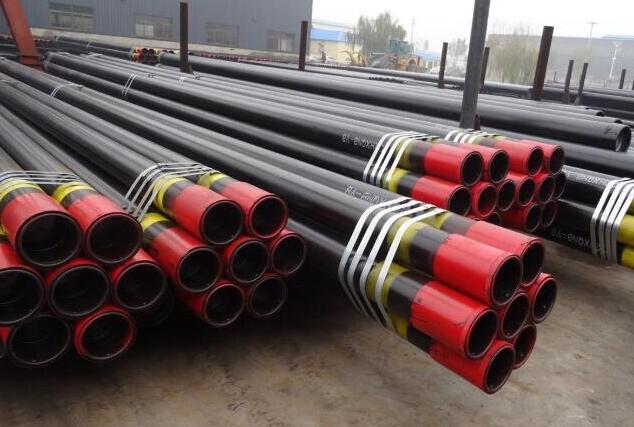
API 5CT C90 CASING Best Chinese Factories
Lastly, the changing global economic landscape also influences oil casing costs. Global economic health directly relates to the consumption of oil. Economic downturns curtail industrial activities, reducing oil consumption and demand for oil casings, inverting the market prices.
In conclusion, the oil casing market’s price variations are significantly shaped by the interplay of multiple complex global trends. These influential parameters – from geopolitical influences to technological advancements, economic indicators to environmental considerations – make the pricing mechanism of the oil casing market a dynamic and constantly evolving field.
Economic Factors and Their Impacts on Oil Casing Market Price Variations
While the complexities of the oil and gas industry can be multifarious and quite intimidating to a novice, one certainly can hardly overlook the intrinsic role that the oil casing market plays. This pivotal function the oil casing market holds in the oil and gas industry has its dynamics deeply tethered to multiple notable factors; factors that imbue the market with its characteristic fluctuations and price variations.
Foremost, it is key to understand how the international crude oil prices significantly shape the oil casing market landscape. As oil prices amplify, so does investment in drilling activity and consequently, demand for oil casings burgeons. In contrast, when oil prices dwindle, investment in the oil industry contracts, and in consequence, the demand for and prices of oil casings follow suit. Therefore, the prevailing health of the international crude oil prices is a mammoth determinant of the oil casing market’s vitality.
Another notable driver of the oil casing market price fluctuations pertains to the geographical regions where oil extraction activities are concentrated. The extraction and production costs can differ significantly based on location, which consequently affects the oil casing market prices. For instance, the costs of drilling in remote areas, or offshore, are exponentially higher than onshore drilling in accessible areas. Hence, the geographical distribution of oil and gas activities can indirectly influence oil casing prices.
Yet more profound considerations are the governmental, regulatory, and political climates in oil-producing regions. Stable and favorable political environments tend to stimulate oil and gas exploration activities, increasing the demand for oil casings. Conversely, legal restrictions, high taxes, or political instability can discourage this exploration, lessening the demand for, and inevitably dropping the prices of oil casings. Thus, the political canvas on which the oil and gas industry paints its activities paints as well onto the oil casing market.
Last but certainly not least is the influence of technological advancements. Technological strides in the oil and gas industry have the potency to improve production efficiency and oil recovery rates. Advancements like hydraulic fracturing and horizontal drilling can potentially increase the demand for oil casing, thereby catapulting its market prices. Contrarily, the advent of technologies that reduce the need for drilling could curtail the demand for oil casings and ultimately deflate its market prices.
 In conclusion, understanding the economic factors affecting the oil casing market prices is not only crucial for industry players but also for economists and investors tracking this segment. The interplay between these factors being international crude oil prices, geographical considerations, the political landscape, and ongoing technological advancements, create an intricate yet fascinating entanglement that deftly weaves the tapestry of the oil casing market prices. It is this interplay that reveals that the oil casing market is much more than just pipes; it is a rich, dynamic, and influential sector, indispensable to the global energy infrastructure. Impacted by the global economy, geography, politics, and technology, the oil casing market is truly a beacon of oil and gas industry dynamics.{:}{:es}
Tendencias globales influyentes que afectan los precios del mercado de carcasas de petróleo
Título: ¿Qué factores notables contribuyen a las variaciones de los precios del mercado de carcasas de petróleo?
El mercado de carcasas de petróleo es un dominio invaluable ya que desempeña un papel fundamental en el sector del petróleo y el gas, y varias tendencias globales influyen en su mecanismo de fijación de precios. Esta discusión busca comprender estos factores fundamentales que contribuyen a las variaciones de precios de este mercado.
El factor más predominante que influye en los precios es la ley universal de la oferta y la demanda. Cuando la oferta aumenta más que la demanda, tiende a reducir los precios y, de la misma manera, si la demanda supera a la oferta, provoca un aumento de los precios. Importantes naciones productoras de petróleo, como Rusia y los países de Medio Oriente, influyen sustancialmente en el lado de la oferta en el mercado de carcasas de petróleo.
Además, las inestabilidades geopolíticas pueden afectar en gran medida los precios del mercado de carcasas de petróleo. Cualquier evento que amenace o interrumpa el suministro de petróleo puede hacer subir los precios. Los conflictos o la agitación política en regiones con abundancia de petróleo, los cambios en las políticas gubernamentales, las sanciones o los embargos pueden hacer que la producción de petróleo sea una tarea desafiante, reduciendo así la oferta y elevando los precios.
Otra influencia crucial es la especulación del mercado sobre las tendencias futuras de los precios basada en sobre los acontecimientos globales en curso y los indicadores económicos. Las especulaciones pueden provocar rápidas actividades de compra o venta en el mercado, impactando significativamente el equilibrio entre la oferta y la demanda y, por lo tanto, afectando los precios del mercado. Este comportamiento especulativo a menudo exagera los impactos económicos fundamentales en los precios de las materias primas, incluidos los del mercado de envolturas de petróleo.
Además, los tipos de cambio y la fortaleza del dólar estadounidense influyen principalmente en los precios del petróleo y, en consecuencia, en los mercados de petróleo. Dado que el comercio mundial de petróleo se realiza principalmente en dólares, cualquier fluctuación en la fortaleza del dólar impacta directamente en los precios del petróleo. Un dólar débil aumenta los precios en términos de dólares y encarece el petróleo para los países con otras monedas, lo que reduce la demanda y afecta los precios de las carcasas.
Sumado a esto, los avances en la tecnología también indican variaciones de precios. La llegada de tecnologías de perforación más nuevas y efectivas puede minimizar los costos de perforación, haciendo que la extracción de petróleo sea más económica y reduciendo los costos de revestimiento. Sin embargo, por otro lado, si las tecnologías más nuevas son caras, pueden elevar los costos.
Las consideraciones ambientales también afectan los precios de mercado de las carcasas de petróleo. A nivel mundial, existe una presión creciente para avanzar hacia fuentes de energía más sostenibles y respetuosas con el medio ambiente. Los cambios en el sector energético que favorecen las fuentes renovables pueden afectar negativamente a la demanda de petróleo, empujando a la baja la demanda de carcasas de petróleo y, por tanto, sus precios.
CARCASA API 5CT C90 Mejores fábricas chinas
Por último, el cambiante panorama económico mundial también influye en los costos de la carcasa del petróleo. La salud económica mundial se relaciona directamente con el consumo de petróleo. Las crisis económicas restringen las actividades industriales, lo que reduce el consumo de petróleo y la demanda de tripas de petróleo, invirtiendo los precios del mercado.
En conclusión, las variaciones de precios del mercado de tripas de petróleo están significativamente determinadas por la interacción de múltiples tendencias globales complejas. Estos influyentes parámetros, desde influencias geopolíticas hasta avances tecnológicos, desde indicadores económicos hasta consideraciones medioambientales, hacen del mecanismo de fijación de precios del mercado de tripas de petróleo un campo dinámico y en constante evolución.
Factores económicos y sus impactos en las variaciones de precios de mercado de carcasas de petróleo
Si bien las complejidades de la industria del petróleo y el gas pueden ser variadas y bastante intimidantes para un novato, ciertamente no se puede pasar por alto el papel intrínseco que desempeña el mercado de carcasas de petróleo. Esta función fundamental que desempeña el mercado de carcasas de petróleo en la industria del petróleo y el gas tiene su dinámica profundamente ligada a múltiples factores notables; factores que imbuyen al mercado con sus fluctuaciones y variaciones de precios características.
Ante todo, es clave comprender cómo los precios internacionales del petróleo crudo moldean significativamente el panorama del mercado de carcasas de petróleo. A medida que aumentan los precios del petróleo, también lo hace la inversión en actividades de perforación y, en consecuencia, crece la demanda de carcasas de petróleo. Por el contrario, cuando los precios del petróleo bajan, la inversión en la industria petrolera se contrae y, en consecuencia, la demanda y los precios de las carcasas de petróleo hacen lo mismo. Por lo tanto, la salud predominante de los precios internacionales del petróleo crudo es un determinante gigantesco de la vitalidad del mercado de carcasas de petróleo. Otro factor notable de las fluctuaciones de los precios del mercado de carcasas de petróleo se refiere a las regiones geográficas donde se concentran las actividades de extracción de petróleo. Los costos de extracción y producción pueden diferir significativamente según la ubicación, lo que en consecuencia afecta los precios de mercado de las tripas de petróleo. Por ejemplo, los costos de perforación en áreas remotas, o en alta mar, son exponencialmente más altos que los de perforación en tierra en áreas accesibles. Por lo tanto, la distribución geográfica de las actividades de petróleo y gas puede influir indirectamente en los precios de las carcasas de petróleo.
Aún hay consideraciones más profundas en el clima gubernamental, regulatorio y político en las regiones productoras de petróleo. Los entornos políticos estables y favorables tienden a estimular las actividades de exploración de petróleo y gas, aumentando la demanda de revestimientos de petróleo. Por el contrario, las restricciones legales, los altos impuestos o la inestabilidad política pueden desalentar esta exploración, disminuyendo la demanda e inevitablemente haciendo caer los precios de las carcasas de petróleo. Por lo tanto, el lienzo político en el que la industria del petróleo y el gas pinta sus actividades también influye en el mercado de las carcasas de petróleo.
Por último, pero no menos importante, está la influencia de los avances tecnológicos. Los avances tecnológicos en la industria del petróleo y el gas tienen el potencial de mejorar la eficiencia de la producción y las tasas de recuperación de petróleo. Avances como la fracturación hidráulica y la perforación horizontal pueden aumentar potencialmente la demanda de revestimiento de petróleo, catapultando así sus precios de mercado. Por el contrario, la llegada de tecnologías que reduzcan la necesidad de perforación podría reducir la demanda de revestimientos de petróleo y, en última instancia, desinflar sus precios de mercado.
En conclusión, comprender los factores económicos que afectan los precios del mercado de carcasas de petróleo no sólo es crucial para los actores de la industria sino también para los economistas e inversores que siguen este segmento. La interacción entre estos factores (los precios internacionales del petróleo crudo, las consideraciones geográficas, el panorama político y los avances tecnológicos en curso) crea un enredo intrincado pero fascinante que teje hábilmente el tapiz de los precios del mercado de las carcasas del petróleo. Es esta interacción la que revela que el mercado de carcasas de petróleo es mucho más que simples tuberías; es un sector rico, dinámico e influyente, indispensable para la infraestructura energética global. Impactado por la economía, la geografía, la política y la tecnología global, el mercado de carcasas de petróleo es verdaderamente un faro de la dinámica de la industria del petróleo y el gas.{:}{:de}
Einflussreiche globale Trends, die sich auf die Marktpreise für Ölgehäuse auswirken
Titel: Welche bemerkenswerten Faktoren tragen zu den Preisschwankungen auf dem Markt für Ölgehäuse bei?
Der Markt für Ölgehäuse ist ein unschätzbar wertvoller Bereich, da er eine entscheidende Rolle im Öl- und Gassektor spielt und verschiedene globale Trends seinen Preismechanismus beeinflussen. Ziel dieser Diskussion ist es, diese entscheidenden Faktoren zu verstehen, die zu den Preisschwankungen dieses Marktes beitragen.
Der wichtigste Faktor, der die Preisgestaltung beeinflusst, ist das universelle Gesetz von Angebot und Nachfrage. Wenn das Angebot stärker steigt als die Nachfrage, sinken tendenziell die Preise, und wenn die Nachfrage das Angebot übersteigt, führt dies gleichermaßen zu einem Preisanstieg. Bedeutende Ölfördernationen wie Russland und die Länder des Nahen Ostens haben erheblichen Einfluss auf die Angebotsseite auf dem Markt für Ölgehäuse.
Darüber hinaus können geopolitische Instabilitäten die Preise auf dem Markt für Ölgehäuse stark beeinflussen. Jedes Ereignis, das die Ölversorgung bedroht oder unterbricht, kann die Preise in die Höhe treiben. Konflikte oder politische Unruhen in ölreichen Regionen, Änderungen in der Regierungspolitik, Sanktionen oder Embargos können die Ölförderung zu einer anspruchsvollen Aufgabe machen, wodurch das Angebot sinkt und die Preise steigen.
Ein weiterer entscheidender Einfluss sind Marktspekulationen über zukünftige Preistrends über die aktuellen globalen Ereignisse und Wirtschaftsindikatoren. Spekulationen können schnelle Kauf- oder Verkaufsaktivitäten auf dem Markt auslösen, die das Gleichgewicht zwischen Nachfrage und Angebot erheblich beeinträchtigen und dadurch die Marktpreise beeinflussen. Dieses spekulative Verhalten überbewertet häufig die grundlegenden wirtschaftlichen Auswirkungen auf die Rohstoffpreise, einschließlich derjenigen auf dem Markt für Ölgehäuse.
Darüber hinaus haben vor allem die Wechselkurse und die Stärke des US-Dollars Einfluss auf die Ölpreise und damit auf die Ölgehäusemärkte. Da der Ölhandel weltweit hauptsächlich in Dollar abgewickelt wird, wirkt sich jede Schwankung der Dollarstärke direkt auf die Ölpreise aus. Ein schwacher Dollar erhöht die Preise in Dollar und verteuert Öl für Länder mit anderen Währungen, wodurch die Nachfrage sinkt und sich auf die Gehäusepreise auswirkt.
Darüber hinaus weisen die Fortschritte in der Technologie auch auf Preisschwankungen hin. Das Aufkommen neuer und effektiverer Bohrtechnologien kann die Bohrkosten minimieren, die Ölförderung wirtschaftlicher machen und die Verrohrungskosten senken. Andererseits können neuere Technologien, wenn sie teuer sind, die Kosten in die Höhe treiben.
Umweltaspekte wirken sich auch auf die Marktpreise für Ölgehäuse aus. Weltweit wächst der Druck, auf nachhaltigere und umweltfreundlichere Energiequellen umzusteigen. Verschiebungen im Energiesektor zugunsten erneuerbarer Energiequellen können sich negativ auf die Ölnachfrage auswirken und die Nachfrage nach Ölgehäusen und damit deren Preise senken.
API 5CT C90 CASING Beste chinesische Fabriken
Schließlich beeinflusst die sich verändernde globale Wirtschaftslandschaft auch die Kosten für Ölgehäuse. Die globale wirtschaftliche Gesundheit steht in direktem Zusammenhang mit dem Ölverbrauch. Konjunkturabschwünge schränken die Industrieaktivitäten ein, verringern den Ölverbrauch und die Nachfrage nach Ölgehäusen und kehren die Marktpreise um.
Zusammenfassend lässt sich sagen, dass die Preisschwankungen auf dem Ölgehäusemarkt maßgeblich durch das Zusammenspiel mehrerer komplexer globaler Trends beeinflusst werden. Diese einflussreichen Parameter – von geopolitischen Einflüssen über technologische Fortschritte, Wirtschaftsindikatoren bis hin zu Umweltaspekten – machen den Preismechanismus des Ölgehäusemarktes zu einem dynamischen und sich ständig weiterentwickelnden Bereich.
Wirtschaftliche Faktoren und ihre Auswirkungen auf Preisschwankungen auf dem Markt für Ölgehäuse
Während die Komplexität der Öl- und Gasindustrie vielfältig und für einen Neuling ziemlich einschüchternd sein kann, kann man die wesentliche Rolle, die der Markt für Ölgehäuse spielt, sicherlich kaum übersehen. Die Dynamik dieser zentralen Funktion des Ölgehäusemarktes in der Öl- und Gasindustrie ist eng mit mehreren bemerkenswerten Faktoren verknüpft. Faktoren, die dem Markt seine charakteristischen Schwankungen und Preisschwankungen verleihen.
Vor allem ist es wichtig zu verstehen, wie die internationalen Rohölpreise die Marktlandschaft für Ölgehäuse maßgeblich beeinflussen. Mit steigenden Ölpreisen steigen auch die Investitionen in Bohraktivitäten und damit auch die Nachfrage nach Ölgehäusen. Sinken dagegen die Ölpreise, sinken die Investitionen in der Ölindustrie und damit auch die Nachfrage nach und die Preise für Ölgehäuse. Daher ist die vorherrschende Gesundheit der internationalen Rohölpreise ein entscheidender Faktor für die Vitalität des Ölgehäusemarktes.
Ein weiterer bemerkenswerter Faktor für die Preisschwankungen auf dem Ölgehäusemarkt betrifft die geografischen Regionen, in denen sich die Ölförderungsaktivitäten konzentrieren. Die Förder- und Produktionskosten können je nach Standort erheblich variieren, was sich folglich auf die Marktpreise für Ölgehäuse auswirkt. Beispielsweise sind die Kosten für Bohrungen in abgelegenen Gebieten oder vor der Küste exponentiell höher als für Bohrungen an Land in zugänglichen Gebieten. Daher kann die geografische Verteilung der Öl- und Gasaktivitäten indirekt die Preise für Ölgehäuse beeinflussen.
Noch tiefgreifendere Überlegungen sind das staatliche, regulatorische und politische Klima in Ölförderregionen. Ein stabiles und günstiges politisches Umfeld stimuliert tendenziell die Öl- und Gasexplorationsaktivitäten und erhöht die Nachfrage nach Ölgehäusen. Umgekehrt können gesetzliche Beschränkungen, hohe Steuern oder politische Instabilität diese Exploration behindern, die Nachfrage nach Ölgehäusen verringern und zwangsläufig die Preise dafür senken. Somit wirkt sich die politische Leinwand, auf der die Öl- und Gasindustrie ihre Aktivitäten ausmalt, auch auf den Markt für Ölgehäuse aus.
Last but not least ist der Einfluss technologischer Fortschritte zu berücksichtigen. Technologische Fortschritte in der Öl- und Gasindustrie haben das Potenzial, die Produktionseffizienz und die Ölgewinnungsraten zu verbessern. Fortschritte wie hydraulisches Brechen und Horizontalbohren können möglicherweise die Nachfrage nach Ölgehäusen erhöhen und dadurch deren Marktpreise in die Höhe treiben. Im Gegensatz dazu könnte das Aufkommen von Technologien, die den Bohrbedarf verringern, die Nachfrage nach Ölgehäusen verringern und letztendlich zu einem Rückgang der Marktpreise führen.
Zusammenfassend lässt sich sagen, dass das Verständnis der wirtschaftlichen Faktoren, die die Marktpreise für Ölgehäuse beeinflussen, nicht nur für die Akteure der Branche von entscheidender Bedeutung ist, sondern auch für Ökonomen und Investoren, die dieses Segment verfolgen. Das Zusammenspiel dieser Faktoren – internationale Rohölpreise, geografische Überlegungen, die politische Landschaft und fortlaufende technologische Fortschritte – schafft eine komplizierte und dennoch faszinierende Verflechtung, die geschickt das Geflecht der Marktpreise für Ölgehäuse webt. Es ist dieses Zusammenspiel, das zeigt, dass der Markt für Ölgehäuse viel mehr als nur Rohre umfasst; Es handelt sich um einen reichen, dynamischen und einflussreichen Sektor, der für die globale Energieinfrastruktur unverzichtbar ist. Der Markt für Ölgehäuse wird von der globalen Wirtschaft, Geografie, Politik und Technologie beeinflusst und ist ein wahrer Leuchtturm der Dynamik der Öl- und Gasindustrie.{:}{:fr}
Tendances mondiales influentes affectant les prix du marché des cuvelages pétroliers
API 5CT C90 BOÎTIER Meilleures usines chinoises
Facteurs économiques et leurs impacts sur les variations des prix du marché des caissons pétroliers
En conclusion, comprendre les facteurs économiques affectant les prix du marché des caissons pétroliers est non seulement crucial pour les acteurs de l’industrie mais également pour les économistes et les investisseurs qui suivent ce segment. L’interaction entre ces facteurs (les prix internationaux du pétrole brut, les considérations géographiques, le paysage politique et les progrès technologiques en cours) crée un enchevêtrement complexe mais fascinant qui tisse habilement la tapisserie des prix du marché du pétrole. C’est cette interaction qui révèle que le marché des carters pétroliers est bien plus que de simples tuyaux ; c’est un secteur riche, dynamique et influent, indispensable à l’infrastructure énergétique mondiale. Impacté par l’économie mondiale, la géographie, la politique et la technologie, le marché des caissons pétroliers est véritablement un phare de la dynamique de l’industrie pétrolière et gazière.
Lastly, the changing global economic landscape also influences oil casing costs. Global economic health directly relates to the consumption of oil. Economic downturns curtail industrial activities, reducing oil consumption and demand for oil casings, inverting the market prices.
In conclusion, the oil casing market’s price variations are significantly shaped by the interplay of multiple complex global trends. These influential parameters – from geopolitical influences to technological advancements, economic indicators to environmental considerations – make the pricing mechanism of the oil casing market a dynamic and constantly evolving field.
Economic Factors and Their Impacts on Oil Casing Market Price Variations
While the complexities of the oil and gas industry can be multifarious and quite intimidating to a novice, one certainly can hardly overlook the intrinsic role that the oil casing market plays. This pivotal function the oil casing market holds in the oil and gas industry has its dynamics deeply tethered to multiple notable factors; factors that imbue the market with its characteristic fluctuations and price variations.
Foremost, it is key to understand how the international crude oil prices significantly shape the oil casing market landscape. As oil prices amplify, so does investment in drilling activity and consequently, demand for oil casings burgeons. In contrast, when oil prices dwindle, investment in the oil industry contracts, and in consequence, the demand for and prices of oil casings follow suit. Therefore, the prevailing health of the international crude oil prices is a mammoth determinant of the oil casing market’s vitality.
Another notable driver of the oil casing market price fluctuations pertains to the geographical regions where oil extraction activities are concentrated. The extraction and production costs can differ significantly based on location, which consequently affects the oil casing market prices. For instance, the costs of drilling in remote areas, or offshore, are exponentially higher than onshore drilling in accessible areas. Hence, the geographical distribution of oil and gas activities can indirectly influence oil casing prices.
Yet more profound considerations are the governmental, regulatory, and political climates in oil-producing regions. Stable and favorable political environments tend to stimulate oil and gas exploration activities, increasing the demand for oil casings. Conversely, legal restrictions, high taxes, or political instability can discourage this exploration, lessening the demand for, and inevitably dropping the prices of oil casings. Thus, the political canvas on which the oil and gas industry paints its activities paints as well onto the oil casing market.
Last but certainly not least is the influence of technological advancements. Technological strides in the oil and gas industry have the potency to improve production efficiency and oil recovery rates. Advancements like hydraulic fracturing and horizontal drilling can potentially increase the demand for oil casing, thereby catapulting its market prices. Contrarily, the advent of technologies that reduce the need for drilling could curtail the demand for oil casings and ultimately deflate its market prices.
In conclusion, understanding the economic factors affecting the oil casing market prices is not only crucial for industry players but also for economists and investors tracking this segment. The interplay between these factors being international crude oil prices, geographical considerations, the political landscape, and ongoing technological advancements, create an intricate yet fascinating entanglement that deftly weaves the tapestry of the oil casing market prices. It is this interplay that reveals that the oil casing market is much more than just pipes; it is a rich, dynamic, and influential sector, indispensable to the global energy infrastructure. Impacted by the global economy, geography, politics, and technology, the oil casing market is truly a beacon of oil and gas industry dynamics.{:}{:ru}
Влиятельные глобальные тенденции, влияющие на рыночные цены нефтяных корпусов
Название: Какие заметные факторы способствуют колебаниям цен на рынке нефтяных корпусов?
Рынок нефтяных корпусов является бесценной сферой, поскольку он играет важную роль в нефтегазовом секторе, и различные глобальные тенденции влияют на его механизм ценообразования. Эта дискуссия направлена на понимание этих ключевых факторов, способствующих колебаниям цен на этом рынке. Самый главный фактор, влияющий на ценообразование, — это универсальный закон спроса и предложения. Когда предложение увеличивается больше, чем спрос, это имеет тенденцию снижать цены, и аналогичным образом, если спрос превышает предложение, это вызывает рост цен. Крупные нефтедобывающие страны, такие как Россия и страны Ближнего Востока, существенно влияют на предложение на рынке нефтяных колонн.
Более того, геополитическая нестабильность может сильно повлиять на рыночные цены на нефтяные колонны. Любое событие, которое угрожает или нарушает поставки нефти, может привести к росту цен. Конфликты или политические потрясения в богатых нефтью регионах, изменения в государственной политике, санкции или эмбарго могут сделать добычу нефти сложной задачей, тем самым сокращая предложение и повышая цены. о происходящих в мире событиях и экономических показателях. Спекуляции могут спровоцировать быстрые покупки или продажи на рынке, что существенно влияет на равновесие спроса и предложения и тем самым влияет на рыночные цены. Такое спекулятивное поведение часто преувеличивает фундаментальное экономическое воздействие на цены на сырьевые товары, в том числе на рынок нефтяных труб.
Более того, обменные курсы и сила доллара США в первую очередь влияют на цены на нефть и, следовательно, на рынки нефтяных труб. Поскольку торговля нефтью во всем мире ведется в основном в долларах, любые колебания курса доллара напрямую влияют на цены на нефть. Слабый доллар увеличивает цены в долларовом выражении и делает нефть более дорогой для стран с другими валютами, снижая спрос и влияя на цены на обсадные трубы.
Помимо этого, технологические достижения также указывают на колебания цен. Появление новых и более эффективных технологий бурения позволяет минимизировать затраты на бурение, сделать добычу нефти более экономичной, снизить стоимость обсадных труб. Однако, с другой стороны, если новые технологии дороги, они могут привести к увеличению затрат. Экологические соображения также влияют на рыночные цены на нефтяные колонны. Во всем мире растет потребность в переходе к более устойчивым и экологически чистым источникам энергии. Сдвиги в энергетическом секторе в пользу возобновляемых источников могут негативно повлиять на спрос на нефть, что приведет к снижению спроса на нефтяные оболочки и, следовательно, к снижению их цен.
API 5CT C90 КОРПУС Лучшие китайские фабрики
Наконец, меняющаяся глобальная экономическая ситуация также влияет на стоимость обсадных колонн. Глобальное экономическое здоровье напрямую связано с потреблением нефти. Экономические спады ограничивают промышленную деятельность, сокращая потребление нефти и спрос на нефтяные оболочки, инвертируя рыночные цены.
В заключение отметим, что колебания цен на рынке нефтяных труб в значительной степени определяются взаимодействием множества сложных глобальных тенденций. Эти влиятельные параметры – от геополитического влияния до технологических достижений, от экономических показателей до экологических соображений – делают механизм ценообразования на рынке нефтяных колонн динамичной и постоянно развивающейся областью.
Экономические факторы и их влияние на изменение рыночных цен на нефтяные колонны
Хотя сложности нефтегазовой отрасли могут быть разнообразными и весьма пугающими для новичка, вряд ли можно упустить из виду важную роль, которую играет рынок нефтяных колонн. Динамика этой ключевой функции, которую рынок нефтяных колонн выполняет в нефтегазовой отрасли, глубоко связана с множеством заметных факторов; факторы, которые наполняют рынок его характерными колебаниями и колебаниями цен.
Прежде всего, важно понять, как международные цены на сырую нефть существенно формируют ландшафт рынка нефтяных труб. По мере роста цен на нефть растут инвестиции в буровую деятельность и, следовательно, растет спрос на нефтяные обсадные колонны. Напротив, когда цены на нефть падают, инвестиции в нефтяную промышленность сокращаются, и, как следствие, спрос и цены на нефтяные колонны следуют этому примеру. Таким образом, преобладающее состояние международных цен на сырую нефть является решающим фактором, определяющим жизнеспособность рынка нефтяных труб.
Еще один заметный фактор колебаний цен на рынке нефтяных труб относится к географическим регионам, где сконцентрирована деятельность по добыче нефти. Затраты на добычу и производство могут существенно различаться в зависимости от местоположения, что, следовательно, влияет на рыночные цены на нефтяные колонны. Например, затраты на бурение в отдаленных районах или на море экспоненциально выше, чем затраты на бурение на суше в доступных районах. Следовательно, географическое распределение нефтегазовой деятельности может косвенно влиять на цены на нефтяные колонны. Еще более важными факторами являются правительственный, нормативный и политический климат в нефтедобывающих регионах. Стабильная и благоприятная политическая обстановка, как правило, стимулирует деятельность по разведке нефти и газа, увеличивая спрос на нефтяные колонны. И наоборот, правовые ограничения, высокие налоги или политическая нестабильность могут препятствовать этой разведке, уменьшая спрос и неизбежно снижая цены на нефтяные колонны. Таким образом, политическая канва, на которой нефтегазовая промышленность рисует свою деятельность, отражается и на рынке нефтяных труб. Последнее, но не менее важное – это влияние технологических достижений. Технологические достижения в нефтегазовой отрасли способны повысить эффективность добычи и уровень нефтеотдачи. Такие достижения, как гидроразрыв пласта и горизонтальное бурение, потенциально могут увеличить спрос на нефтяные колонны, тем самым катапультируя их рыночные цены. Напротив, появление технологий, которые уменьшают потребность в бурении, может сократить спрос на нефтяные обсадные колонны и в конечном итоге привести к снижению ее рыночных цен.
В заключение, понимание экономических факторов, влияющих на рыночные цены на нефтяные колонны, имеет решающее значение не только для игроков отрасли, но также для экономистов и инвесторов, отслеживающих этот сегмент. Взаимодействие между этими факторами, такими как международные цены на сырую нефть, географические соображения, политический ландшафт и текущие технологические достижения, создают сложную, но захватывающую запутанность, которая ловко сплетает гобелен рыночных цен на нефтяные колонны. Именно это взаимодействие показывает, что рынок нефтяных колонн – это нечто большее, чем просто трубы; это богатый, динамичный и влиятельный сектор, незаменимый для глобальной энергетической инфраструктуры. Под влиянием глобальной экономики, географии, политики и технологий рынок нефтяных колонн действительно является маяком динамики нефтегазовой отрасли.{:}{:it}
Tendenze globali influenti che influiscono sui prezzi di mercato degli involucri petroliferi
Titolo: Quali fattori notevoli contribuiscono alle variazioni dei prezzi di mercato del mercato degli involucri petroliferi?
Il mercato degli involucri petroliferi è un settore inestimabile in quanto svolge un ruolo determinante nel settore del petrolio e del gas e varie tendenze globali influenzano il suo meccanismo di prezzo. Questa discussione cerca di comprendere questi fattori cruciali che contribuiscono alle variazioni di prezzo di questo mercato.
Il fattore più importante che influenza il prezzo è la legge universale della domanda e dell’offerta. Quando l’offerta aumenta più della domanda, tende a ridurre i prezzi e, allo stesso modo, se la domanda supera l’offerta, si innesca un aumento dei prezzi. Importanti nazioni produttrici di petrolio, come la Russia e i paesi del Medio Oriente, influenzano sostanzialmente il lato dell’offerta nel mercato dei rivestimenti petroliferi.
Inoltre, le instabilità geopolitiche possono avere un forte impatto sui prezzi di mercato dei rivestimenti petroliferi. Qualsiasi evento che minacci o interrompa l’offerta di petrolio può far salire i prezzi. Conflitti o disordini politici in regioni ricche di petrolio, cambiamenti nelle politiche governative, sanzioni o embarghi possono rendere la produzione di petrolio un compito impegnativo, riducendo così l’offerta e facendo aumentare i prezzi.
Un’altra influenza cruciale è la speculazione di mercato sulle future tendenze dei prezzi basata sugli eventi globali in corso e sugli indicatori economici. Le speculazioni possono indurre rapide attività di acquisto o vendita sul mercato, incidendo in modo significativo sull’equilibrio tra domanda e offerta e influenzando così i prezzi di mercato. Questo comportamento speculativo spesso sopravvaluta gli impatti economici fondamentali sui prezzi delle materie prime, compresi quelli nel mercato degli involucri petroliferi.
Inoltre, i tassi di cambio e la forza del dollaro USA influenzano principalmente i prezzi del petrolio e, di conseguenza, i mercati delle carcasse petrolifere. Poiché il commercio di petrolio a livello globale avviene principalmente in dollari, qualsiasi fluttuazione della forza del dollaro ha un impatto diretto sui prezzi del petrolio. Un dollaro debole aumenta i prezzi in termini di dollari e rende il petrolio più costoso per i paesi con altre valute, riducendo la domanda e influenzando i prezzi delle carcasse.
In aggiunta a questi, i progressi tecnologici indicano anche variazioni di prezzo. L’avvento di tecnologie di perforazione più nuove e più efficaci può ridurre al minimo i costi di perforazione, rendendo l’estrazione del petrolio più economica e riducendo i costi di rivestimento. Tuttavia, d’altro canto, se le nuove tecnologie sono costose, possono aumentare i costi.
Considerazioni ambientali influiscono anche sui prezzi di mercato degli involucri petroliferi. A livello globale, c’è una crescente pressione per spostarsi verso fonti energetiche più sostenibili ed ecologiche. Gli spostamenti nel settore energetico a favore delle fonti rinnovabili potrebbero influenzare negativamente la domanda di petrolio, spingendo al ribasso la domanda di involucri petroliferi e quindi i loro prezzi.
INVOLUCRO API 5CT C90 Le migliori fabbriche cinesi
Infine, il mutevole panorama economico globale influenza anche i costi delle carcasse petrolifere. La salute economica globale è direttamente collegata al consumo di petrolio. Le recessioni economiche limitano le attività industriali, riducendo il consumo di petrolio e la domanda di involucri petroliferi, invertendo i prezzi di mercato.
In conclusione, le variazioni dei prezzi del mercato degli involucri petroliferi sono significativamente modellate dall’interazione di molteplici e complesse tendenze globali. Questi parametri influenti – dalle influenze geopolitiche ai progressi tecnologici, dagli indicatori economici alle considerazioni ambientali – rendono il meccanismo dei prezzi del mercato degli involucri petroliferi un campo dinamico e in continua evoluzione.
Fattori economici e loro impatto sulle variazioni dei prezzi di mercato dei rivestimenti petroliferi
Mentre le complessità dell’industria del petrolio e del gas possono essere molteplici e piuttosto intimidatorie per un principiante, difficilmente si può trascurare il ruolo intrinseco svolto dal mercato degli involucri petroliferi. Questa funzione fondamentale che il mercato degli involucri petroliferi svolge nell’industria del petrolio e del gas ha le sue dinamiche profondamente legate a molteplici fattori degni di nota; fattori che permeano il mercato con le sue caratteristiche fluttuazioni e variazioni di prezzo.
Innanzitutto, è fondamentale capire come i prezzi internazionali del petrolio greggio modellano in modo significativo il panorama del mercato degli involucri petroliferi. Con l’aumento dei prezzi del petrolio, crescono anche gli investimenti nelle attività di trivellazione e, di conseguenza, la domanda di involucri petroliferi. Al contrario, quando i prezzi del petrolio diminuiscono, gli investimenti nell’industria petrolifera si contraggono e, di conseguenza, la domanda e i prezzi degli involucri petroliferi seguono l’esempio. Pertanto, la salute prevalente dei prezzi internazionali del petrolio greggio è un determinante enorme della vitalità del mercato degli involucri petroliferi.
Un altro fattore notevole delle fluttuazioni dei prezzi di mercato del petrolio greggio riguarda le regioni geografiche in cui si concentrano le attività di estrazione del petrolio. I costi di estrazione e produzione possono variare in modo significativo in base alla posizione, il che di conseguenza influisce sui prezzi di mercato degli involucri petroliferi. Ad esempio, i costi delle perforazioni in aree remote, o offshore, sono esponenzialmente più elevati rispetto alle perforazioni onshore in aree accessibili. Pertanto, la distribuzione geografica delle attività legate al petrolio e al gas può influenzare indirettamente i prezzi del petrolio.
Tuttavia considerazioni più profonde riguardano il clima governativo, normativo e politico nelle regioni produttrici di petrolio. Ambienti politici stabili e favorevoli tendono a stimolare le attività di esplorazione di petrolio e gas, aumentando la domanda di rivestimenti petroliferi. Al contrario, restrizioni legali, tasse elevate o instabilità politica possono scoraggiare questa esplorazione, diminuendo la domanda e inevitabilmente abbassando i prezzi degli involucri petroliferi. Pertanto, la tela politica su cui l’industria del petrolio e del gas dipinge le proprie attività si riflette anche sul mercato degli involucri petroliferi.
Ultimo ma certamente non meno importante è l’influenza dei progressi tecnologici. I progressi tecnologici nel settore del petrolio e del gas hanno il potere di migliorare l’efficienza produttiva e i tassi di recupero del petrolio. Progressi come la fratturazione idraulica e la perforazione orizzontale possono potenzialmente aumentare la domanda di rivestimenti petroliferi, catapultando così i suoi prezzi di mercato. Al contrario, l’avvento di tecnologie che riducono la necessità di trivellazione potrebbe ridurre la domanda di involucri petroliferi e, in definitiva, sgonfiarne i prezzi di mercato.
In conclusione, comprendere i fattori economici che influenzano i prezzi di mercato delle carcasse petrolifere non è cruciale solo per gli operatori del settore ma anche per gli economisti e gli investitori che seguono questo segmento. L’interazione tra questi fattori, ovvero i prezzi internazionali del petrolio greggio, le considerazioni geografiche, il panorama politico e i progressi tecnologici in corso, crea un intreccio intricato ma affascinante che intreccia abilmente l’arazzo dei prezzi di mercato del rivestimento del petrolio. È questa interazione che rivela che il mercato dei rivestimenti petroliferi è molto più che semplici tubi; è un settore ricco, dinamico e influente, indispensabile per l’infrastruttura energetica globale. Influenzato dall’economia globale, dalla geografia, dalla politica e dalla tecnologia, il mercato degli involucri petroliferi è davvero un faro delle dinamiche dell’industria del petrolio e del gas.{:}{:pl}
Wpływowe trendy światowe wpływające na ceny rynkowe osłonek do ropy naftowej
Title: Jakie istotne czynniki wpływają na wahania cen na rynku osłonek do ropy naftowej?
Rynek osłonek do ropy naftowej jest bezcenną dziedziną, ponieważ odgrywa kluczową rolę w sektorze ropy i gazu, a różne światowe trendy wpływają na jego mechanizm cenowy. Ta dyskusja ma na celu zrozumienie tych kluczowych czynników wpływających na wahania cen na tym rynku.
Najbardziej nadrzędnym czynnikiem wpływającym na ceny jest uniwersalne prawo podaży i popytu. Kiedy podaż wzrasta bardziej niż popyt, ma to tendencję do obniżania cen i podobnie, jeśli popyt przewyższa podaż, powoduje to wzrost cen. Znaczące kraje produkujące ropę naftową, takie jak Rosja i kraje Bliskiego Wschodu, znacząco wpływają na stronę podażową na rynku osłonki olejowej.
Ponadto niestabilność geopolityczna może znacząco wpłynąć na ceny na rynku osłonki olejowej. Każde wydarzenie zagrażające dostawom ropy naftowej lub zakłócające ją może spowodować wzrost cen. Konflikty lub zamieszanie polityczne w regionach zasobnych w ropę naftową, zmiany w polityce rządu, sankcje lub embargo mogą sprawić, że wydobycie ropy naftowej będzie trudnym zadaniem, ograniczając w ten sposób podaż i podnosząc ceny.
Innym istotnym wpływem są spekulacje rynkowe na temat przyszłych trendów cenowych na bieżących wydarzeniach światowych i wskaźnikach gospodarczych. Spekulacje mogą wywołać szybkie działania kupna lub sprzedaży na rynku, znacząco wpływając na równowagę popytu i podaży, a tym samym wpływając na ceny rynkowe. To spekulacyjne zachowanie często wyolbrzymia fundamentalny wpływ gospodarczy na ceny towarów, w tym na rynku osłonki olejowej.
Ponadto kursy walut i siła dolara amerykańskiego wpływają przede wszystkim na ceny ropy, a co za tym idzie na rynki osłonek olejowych. Ponieważ handel ropą na całym świecie odbywa się głównie w dolarach, wszelkie wahania siły dolara mają bezpośredni wpływ na ceny ropy. Słaby dolar zwiększa ceny wyrażone w dolarach i sprawia, że ropa staje się droższa dla krajów, w których obowiązują inne waluty, ograniczając popyt i wpływając na ceny osłonki.
Do tego postęp technologiczny wskazuje również na wahania cen. Pojawienie się nowszych i skuteczniejszych technologii wierceń może zminimalizować koszty wierceń, sprawiając, że wydobycie ropy naftowej będzie bardziej ekonomiczne, zmniejszając koszty osłony. Jednak z drugiej strony, jeśli nowsze technologie są drogie, mogą podnieść koszty.
Względy środowiskowe również wpływają na ceny rynkowe osłonek olejowych. Na całym świecie rośnie presja, aby przejść na bardziej zrównoważone i przyjazne dla środowiska źródła energii. Zmiany w energetyce faworyzujące źródła odnawialne mogą negatywnie wpłynąć na popyt na ropę naftową, spychając w dół popyt na osłonki olejowe, a tym samym ich ceny.
OBUDOWA API 5CT C90 Najlepsze chińskie fabryki
Wreszcie, zmieniający się światowy krajobraz gospodarczy wpływa również na koszty osłonki olejowej. Globalna kondycja gospodarcza jest bezpośrednio powiązana ze zużyciem ropy. Spowolnienie gospodarcze ogranicza działalność przemysłową, zmniejszając zużycie ropy i popyt na osłonki olejowe, odwracając ceny rynkowe.
Podsumowując, wahania cen na rynku osłonek olejowych są w znacznym stopniu kształtowane przez wzajemne oddziaływanie wielu złożonych trendów światowych. Te wpływowe parametry – od wpływów geopolitycznych po postęp technologiczny, wskaźniki ekonomiczne po względy środowiskowe – sprawiają, że mechanizm cenowy rynku osłon olejowych jest dynamiczną i stale rozwijającą się dziedziną.
Czynniki ekonomiczne i ich wpływ na wahania cen rynkowych osłon ropy naftowej
Podsumowując, zrozumienie czynników ekonomicznych wpływających na ceny rynkowe osłonek olejowych jest kluczowe nie tylko dla graczy z branży, ale także dla ekonomistów i inwestorów śledzących ten segment. Wzajemne oddziaływanie tych czynników, czyli międzynarodowych cen ropy naftowej, względów geograficznych, krajobrazu politycznego i ciągłego postępu technologicznego, tworzy skomplikowany, ale fascynujący splot, który zręcznie splata gobelin cen rynkowych osłonek ropy. To właśnie ta zależność pokazuje, że rynek osłon olejowych to znacznie więcej niż tylko rury; jest to sektor bogaty, dynamiczny i wpływowy, niezbędny dla globalnej infrastruktury energetycznej. Pod wpływem globalnej gospodarki, geografii, polityki i technologii rynek osłonek olejowych jest prawdziwym drogowskazem dynamiki przemysłu naftowego i gazowego.
In conclusion, understanding the economic factors affecting the oil casing market prices is not only crucial for industry players but also for economists and investors tracking this segment. The interplay between these factors being international crude oil prices, geographical considerations, the political landscape, and ongoing technological advancements, create an intricate yet fascinating entanglement that deftly weaves the tapestry of the oil casing market prices. It is this interplay that reveals that the oil casing market is much more than just pipes; it is a rich, dynamic, and influential sector, indispensable to the global energy infrastructure. Impacted by the global economy, geography, politics, and technology, the oil casing market is truly a beacon of oil and gas industry dynamics.{:}{:hi}
तेल आवरण बाजार की कीमतों को प्रभावित करने वाले प्रभावशाली वैश्विक रुझान
शीर्षक: तेल आवरण बाजार मूल्य भिन्नता में कौन से उल्लेखनीय कारक योगदान करते हैं?
तेल आवरण बाजार एक अमूल्य डोमेन है क्योंकि यह तेल और गैस क्षेत्र में एक महत्वपूर्ण भूमिका निभाता है, और विभिन्न वैश्विक रुझान इसके मूल्य निर्धारण तंत्र को प्रभावित करते हैं। यह चर्चा इस बाजार की कीमत भिन्नता में योगदान देने वाले इन महत्वपूर्ण कारकों को समझने का प्रयास करती है।
मूल्य निर्धारण को प्रभावित करने वाला सबसे प्रमुख कारक आपूर्ति और मांग का सार्वभौमिक कानून है। जब आपूर्ति मांग से अधिक बढ़ जाती है, तो इससे कीमतें कम हो जाती हैं, और इसी तरह, यदि मांग आपूर्ति से अधिक हो जाती है, तो इससे कीमतों में वृद्धि हो जाती है। महत्वपूर्ण तेल उत्पादक देश, जैसे कि रूस और मध्य पूर्व के देश, तेल आवरण बाजार में आपूर्ति पक्ष को काफी हद तक प्रभावित करते हैं। इसके अलावा, भू-राजनीतिक अस्थिरताएं तेल आवरण बाजार की कीमतों पर काफी प्रभाव डाल सकती हैं। कोई भी घटना जो तेल की आपूर्ति को खतरे में डालती है या बाधित करती है, कीमतों को बढ़ा सकती है। तेल प्रचुर क्षेत्रों में संघर्ष या राजनीतिक उथल-पुथल, सरकारी नीतियों में बदलाव, प्रतिबंध या प्रतिबंध तेल उत्पादन को एक चुनौतीपूर्ण कार्य बना सकते हैं, जिससे आपूर्ति कम हो जाएगी और कीमतें बढ़ जाएंगी। चल रही वैश्विक घटनाओं और आर्थिक संकेतकों पर। अटकलें बाजार में तेजी से खरीदारी या बिक्री गतिविधियों को प्रेरित कर सकती हैं, जिससे मांग-आपूर्ति संतुलन पर काफी असर पड़ता है और जिससे बाजार की कीमतें प्रभावित होती हैं। यह सट्टेबाजी व्यवहार अक्सर कमोडिटी की कीमतों पर बुनियादी आर्थिक प्रभावों को बढ़ा-चढ़ाकर पेश करता है, जिसमें तेल आवरण बाजार भी शामिल है।
इसके अलावा, विनिमय दरें और अमेरिकी डॉलर की ताकत मुख्य रूप से तेल की कीमतों को प्रभावित करती है, और परिणामस्वरूप तेल आवरण बाजार। चूंकि वैश्विक स्तर पर तेल का व्यापार मुख्य रूप से डॉलर में होता है, इसलिए डॉलर की मजबूती में किसी भी उतार-चढ़ाव का सीधा असर तेल की कीमतों पर पड़ता है। एक कमजोर डॉलर डॉलर के संदर्भ में कीमतें बढ़ाता है और अन्य मुद्राओं वाले देशों के लिए तेल को और अधिक महंगा बनाता है, मांग कम करता है और आवरण कीमतों को प्रभावित करता है।
इनके अलावा, प्रौद्योगिकी में प्रगति भी मूल्य भिन्नता का संकेत देती है। नई और अधिक प्रभावी ड्रिलिंग प्रौद्योगिकियों के आगमन से ड्रिलिंग लागत कम हो सकती है, तेल निष्कर्षण अधिक किफायती हो सकता है, और आवरण लागत कम हो सकती है। हालाँकि, दूसरी ओर, यदि नई प्रौद्योगिकियाँ महंगी हैं, तो वे लागत बढ़ा सकती हैं।
पर्यावरणीय विचार भी तेल आवरण बाजार की कीमतों को प्रभावित करते हैं। विश्व स्तर पर, अधिक टिकाऊ और पर्यावरण-अनुकूल ऊर्जा स्रोतों की ओर बढ़ने का दबाव बढ़ रहा है। नवीकरणीय स्रोतों के पक्ष में ऊर्जा क्षेत्र में बदलाव तेल की मांग को नकारात्मक रूप से प्रभावित कर सकता है, जिससे तेल केसिंग की मांग नीचे की ओर बढ़ सकती है और इस प्रकार उनकी कीमतें गिर सकती हैं।
एपीआई 5सीटी सी90 केसिंग सर्वश्रेष्ठ चीनी फ़ैक्टरियाँ
अंत में, बदलता वैश्विक आर्थिक परिदृश्य भी तेल आवरण लागत को प्रभावित करता है। वैश्विक आर्थिक स्वास्थ्य का सीधा संबंध तेल की खपत से है। आर्थिक मंदी के कारण औद्योगिक गतिविधियाँ कम हो जाती हैं, तेल की खपत कम हो जाती है और तेल केसिंग की मांग कम हो जाती है, जिससे बाजार की कीमतें उलट जाती हैं। ये प्रभावशाली पैरामीटर – भू-राजनीतिक प्रभावों से लेकर तकनीकी प्रगति, आर्थिक संकेतकों से लेकर पर्यावरणीय विचारों तक – तेल आवरण बाजार के मूल्य निर्धारण तंत्र को एक गतिशील और लगातार विकसित होने वाला क्षेत्र बनाते हैं।
आर्थिक कारक और तेल आवरण बाजार मूल्य भिन्नता पर उनके प्रभाव
हालांकि तेल और गैस उद्योग की जटिलताएं विविध हो सकती हैं और एक नौसिखिया के लिए काफी डराने वाली हो सकती हैं, कोई भी निश्चित रूप से तेल आवरण बाजार द्वारा निभाई जाने वाली आंतरिक भूमिका को नजरअंदाज नहीं कर सकता है। तेल और गैस उद्योग में तेल आवरण बाजार का यह महत्वपूर्ण कार्य इसकी गतिशीलता कई उल्लेखनीय कारकों से गहराई से जुड़ा हुआ है; ऐसे कारक जो बाजार को उसके विशिष्ट उतार-चढ़ाव और मूल्य भिन्नताओं से प्रभावित करते हैं। सबसे महत्वपूर्ण बात यह समझना महत्वपूर्ण है कि अंतरराष्ट्रीय कच्चे तेल की कीमतें तेल आवरण बाजार परिदृश्य को कैसे महत्वपूर्ण रूप से आकार देती हैं। जैसे-जैसे तेल की कीमतें बढ़ती हैं, वैसे-वैसे ड्रिलिंग गतिविधि में निवेश बढ़ता है और परिणामस्वरूप, तेल केसिंग की मांग बढ़ती है। इसके विपरीत, जब तेल की कीमतें घटती हैं, तो तेल उद्योग में निवेश सिकुड़ जाता है, और परिणामस्वरूप, तेल केसिंग की मांग और कीमतें भी घट जाती हैं। इसलिए, अंतरराष्ट्रीय कच्चे तेल की कीमतों का मौजूदा स्वास्थ्य तेल आवरण बाजार की जीवन शक्ति का एक बड़ा निर्धारक है। तेल आवरण बाजार मूल्य में उतार-चढ़ाव का एक और उल्लेखनीय चालक उन भौगोलिक क्षेत्रों से संबंधित है जहां तेल निष्कर्षण गतिविधियां केंद्रित हैं। स्थान के आधार पर निष्कर्षण और उत्पादन लागत काफी भिन्न हो सकती है, जिसके परिणामस्वरूप तेल आवरण बाजार की कीमतें प्रभावित होती हैं। उदाहरण के लिए, दूरदराज के क्षेत्रों या अपतटीय क्षेत्रों में ड्रिलिंग की लागत, सुलभ क्षेत्रों में तटवर्ती ड्रिलिंग की तुलना में तेजी से अधिक है। इसलिए, तेल और गैस गतिविधियों का भौगोलिक वितरण अप्रत्यक्ष रूप से तेल आवरण की कीमतों को प्रभावित कर सकता है।
फिर भी अधिक गहन विचार तेल उत्पादक क्षेत्रों में सरकारी, नियामक और राजनीतिक माहौल हैं। स्थिर और अनुकूल राजनीतिक वातावरण तेल और गैस की खोज गतिविधियों को प्रोत्साहित करते हैं, जिससे तेल केसिंग की मांग बढ़ जाती है। इसके विपरीत, कानूनी प्रतिबंध, उच्च कर, या राजनीतिक अस्थिरता इस अन्वेषण को हतोत्साहित कर सकती है, मांग कम कर सकती है और अनिवार्य रूप से तेल आवरण की कीमतें गिर सकती हैं। इस प्रकार, जिस राजनीतिक कैनवास पर तेल और गैस उद्योग अपनी गतिविधियों को चित्रित करता है, वह तेल आवरण बाजार पर भी रंग डालता है।
अंतिम लेकिन निश्चित रूप से कम से कम तकनीकी प्रगति का प्रभाव नहीं है। तेल और गैस उद्योग में तकनीकी प्रगति में उत्पादन दक्षता और तेल वसूली दर में सुधार करने की क्षमता है। हाइड्रोलिक फ्रैक्चरिंग और क्षैतिज ड्रिलिंग जैसी प्रगति संभावित रूप से तेल आवरण की मांग को बढ़ा सकती है, जिससे इसकी बाजार कीमतें बढ़ सकती हैं। इसके विपरीत, ड्रिलिंग की आवश्यकता को कम करने वाली प्रौद्योगिकियों के आगमन से तेल आवरण की मांग में कमी आ सकती है और अंततः इसकी बाजार कीमतें कम हो सकती हैं।
निष्कर्ष में, तेल आवरण बाजार की कीमतों को प्रभावित करने वाले आर्थिक कारकों को समझना न केवल उद्योग के खिलाड़ियों के लिए बल्कि इस खंड पर नज़र रखने वाले अर्थशास्त्रियों और निवेशकों के लिए भी महत्वपूर्ण है। अंतर्राष्ट्रीय कच्चे तेल की कीमतें, भौगोलिक विचार, राजनीतिक परिदृश्य और चल रही तकनीकी प्रगति जैसे इन कारकों के बीच परस्पर क्रिया, एक जटिल लेकिन आकर्षक उलझन पैदा करती है जो तेल आवरण बाजार की कीमतों की चतुराई से बुनाई करती है। यह परस्पर क्रिया है जिससे पता चलता है कि तेल आवरण बाजार सिर्फ पाइपों से कहीं अधिक है; यह एक समृद्ध, गतिशील और प्रभावशाली क्षेत्र है, जो वैश्विक ऊर्जा बुनियादी ढांचे के लिए अपरिहार्य है। वैश्विक अर्थव्यवस्था, भूगोल, राजनीति और प्रौद्योगिकी से प्रभावित, तेल आवरण बाजार वास्तव में तेल और गैस उद्योग की गतिशीलता का एक प्रतीक है।{:}{:th}
หัวข้อ: ปัจจัยสำคัญใดบ้างที่มีส่วนทำให้เกิดการเปลี่ยนแปลงราคาในตลาดท่อน้ำมัน?
ตลาดท่อน้ำมันเป็นโดเมนที่ทรงคุณค่าเนื่องจากมีบทบาทสำคัญในภาคน้ำมันและก๊าซ และแนวโน้มต่างๆ ทั่วโลกมีอิทธิพลต่อกลไกการกำหนดราคา การสนทนานี้พยายามทำความเข้าใจปัจจัยสำคัญเหล่านี้ที่มีส่วนทำให้เกิดความผันแปรของราคาของตลาด
ปัจจัยที่สำคัญที่สุดที่มีอิทธิพลต่อการกำหนดราคาคือกฎสากลของอุปสงค์และอุปทาน เมื่ออุปทานเพิ่มขึ้นมากกว่าอุปสงค์ ก็มีแนวโน้มที่จะลดราคา และในทำนองเดียวกัน หากความต้องการมากกว่าอุปทาน ก็จะทำให้ราคาเพิ่มขึ้น ประเทศที่ผลิตน้ำมันที่สำคัญ เช่น รัสเซียและประเทศในตะวันออกกลาง มีอิทธิพลอย่างมากต่อด้านอุปทานในตลาดท่อน้ำมัน
นอกจากนี้ ความไม่แน่นอนทางภูมิรัฐศาสตร์ยังส่งผลกระทบอย่างมากต่อราคาตลาดท่อน้ำมัน เหตุการณ์ใดๆ ที่คุกคามหรือขัดขวางการจัดหาน้ำมันสามารถผลักดันราคาให้สูงขึ้นได้ ความขัดแย้งหรือความวุ่นวายทางการเมืองในภูมิภาคที่มีน้ำมันอุดมสมบูรณ์ การเปลี่ยนแปลงนโยบายของรัฐบาล การคว่ำบาตร หรือการคว่ำบาตรอาจทำให้การผลิตน้ำมันเป็นงานที่ท้าทาย ซึ่งส่งผลให้อุปทานลดลงและทำให้ราคาสูงขึ้น
อิทธิพลที่สำคัญอีกประการหนึ่งคือการเก็งกำไรของตลาดเกี่ยวกับแนวโน้มราคาในอนาคตโดยอิงจาก เกี่ยวกับเหตุการณ์ระดับโลกที่กำลังดำเนินอยู่และตัวชี้วัดทางเศรษฐกิจ การเก็งกำไรสามารถกระตุ้นให้เกิดการซื้อหรือขายอย่างรวดเร็วในตลาด ซึ่งส่งผลกระทบอย่างมีนัยสำคัญต่อความสมดุลของอุปสงค์และอุปทาน และส่งผลต่อราคาตลาดด้วย พฤติกรรมเก็งกำไรนี้มักจะกล่าวเกินจริงถึงผลกระทบทางเศรษฐกิจขั้นพื้นฐานต่อราคาสินค้าโภคภัณฑ์ รวมถึงผลกระทบในตลาดท่อน้ำมัน
ยิ่งกว่านั้น อัตราแลกเปลี่ยนและการแข็งค่าของเงินดอลลาร์สหรัฐฯ มีอิทธิพลต่อราคาน้ำมันเป็นหลัก และส่งผลต่อตลาดท่อน้ำมันด้วย เนื่องจากการค้าน้ำมันทั่วโลกเกิดขึ้นโดยใช้สกุลเงินดอลลาร์เป็นหลัก ความผันผวนของค่าเงินดอลลาร์ที่แข็งค่าจึงส่งผลกระทบโดยตรงต่อราคาน้ำมัน เงินดอลลาร์ที่อ่อนค่าจะทำให้ราคาสูงขึ้นในรูปเงินดอลลาร์ และทำให้น้ำมันมีราคาแพงขึ้นสำหรับประเทศที่ใช้สกุลเงินอื่น อุปสงค์ลดลงและส่งผลกระทบต่อราคาท่อ
นอกจากนี้ ความก้าวหน้าทางเทคโนโลยียังบ่งบอกถึงความผันแปรของราคาด้วย การเกิดขึ้นของเทคโนโลยีการขุดเจาะที่ใหม่กว่าและมีประสิทธิภาพมากขึ้นสามารถลดต้นทุนการขุดเจาะได้ ทำให้การสกัดน้ำมันประหยัดมากขึ้น และลดต้นทุนการขุดเจาะ อย่างไรก็ตาม ในทางกลับกัน หากเทคโนโลยีใหม่มีราคาแพง ก็จะสามารถยกระดับต้นทุนได้
การพิจารณาด้านสิ่งแวดล้อมยังส่งผลต่อราคาตลาดท่อน้ำมันด้วย ทั่วโลกมีความกดดันเพิ่มขึ้นในการมุ่งสู่แหล่งพลังงานที่ยั่งยืนและเป็นมิตรกับสิ่งแวดล้อมมากขึ้น การเปลี่ยนแปลงในภาคพลังงานที่สนับสนุนแหล่งพลังงานหมุนเวียนอาจส่งผลเสียต่อความต้องการน้ำมัน ส่งผลให้อุปสงค์สำหรับท่อน้ำมันและราคาลดลง
API 5CT C90 CASING โรงงานจีนที่ดีที่สุด
สุดท้ายนี้ ภูมิทัศน์เศรษฐกิจโลกที่เปลี่ยนแปลงไปยังส่งผลต่อต้นทุนท่อน้ำมันอีกด้วย สุขภาพเศรษฐกิจโลกเกี่ยวข้องโดยตรงกับการบริโภคน้ำมัน ภาวะเศรษฐกิจตกต่ำทำให้กิจกรรมทางอุตสาหกรรมลดลง ลดการใช้น้ำมันและความต้องการท่อน้ำมัน ส่งผลให้ราคาตลาดพลิกกลับ
โดยสรุป ความผันแปรของราคาของตลาดท่อน้ำมันได้รับอิทธิพลอย่างมีนัยสำคัญจากอิทธิพลที่มีอิทธิพลซึ่งกันและกันของแนวโน้มระดับโลกที่ซับซ้อนหลายประการ พารามิเตอร์ที่มีอิทธิพลเหล่านี้ ตั้งแต่อิทธิพลทางภูมิรัฐศาสตร์ไปจนถึงความก้าวหน้าทางเทคโนโลยี ตัวชี้วัดทางเศรษฐกิจ ไปจนถึงการพิจารณาด้านสิ่งแวดล้อม ทำให้กลไกการกำหนดราคาของตลาดท่อน้ำมันเป็นสาขาที่มีพลวัตและมีการพัฒนาอย่างต่อเนื่อง
ปัจจัยทางเศรษฐกิจและผลกระทบต่อการเปลี่ยนแปลงราคาตลาดท่อน้ำมัน
โดยสรุป การทำความเข้าใจปัจจัยทางเศรษฐกิจที่ส่งผลต่อราคาตลาดท่อน้ำมันไม่เพียงแต่มีความสำคัญสำหรับผู้เล่นในอุตสาหกรรมเท่านั้น แต่ยังรวมถึงนักเศรษฐศาสตร์และนักลงทุนที่ติดตามส่วนนี้ด้วย อิทธิพลซึ่งกันและกันระหว่างปัจจัยเหล่านี้ ได้แก่ ราคาน้ำมันดิบระหว่างประเทศ การพิจารณาทางภูมิศาสตร์ ภูมิทัศน์ทางการเมือง และความก้าวหน้าทางเทคโนโลยีที่กำลังดำเนินอยู่ ก่อให้เกิดความยุ่งเหยิงที่ซับซ้อนแต่น่าหลงใหลซึ่งถักทอผืนผ้าใบของราคาตลาดท่อน้ำมันอย่างช่ำชอง การทำงานร่วมกันนี้เองที่เผยให้เห็นว่าตลาดท่อน้ำมันเป็นมากกว่าท่อ มันเป็นภาคส่วนที่ร่ำรวย มีพลวัต และมีอิทธิพล ซึ่งขาดไม่ได้ในโครงสร้างพื้นฐานด้านพลังงานทั่วโลก ได้รับผลกระทบจากเศรษฐกิจโลก ภูมิศาสตร์ การเมือง และเทคโนโลยี ตลาดท่อน้ำมันถือเป็นสัญญาณบ่งบอกถึงการเปลี่ยนแปลงของอุตสาหกรรมน้ำมันและก๊าซอย่างแท้จริง
While the complexities of the oil and gas industry can be multifarious and quite intimidating to a novice, one certainly can hardly overlook the intrinsic role that the oil casing market plays. This pivotal function the oil casing market holds in the oil and gas industry has its dynamics deeply tethered to multiple notable factors; factors that imbue the market with its characteristic fluctuations and price variations.
Foremost, it is key to understand how the international crude oil prices significantly shape the oil casing market landscape. As oil prices amplify, so does investment in drilling activity and consequently, demand for oil casings burgeons. In contrast, when oil prices dwindle, investment in the oil industry contracts, and in consequence, the demand for and prices of oil casings follow suit. Therefore, the prevailing health of the international crude oil prices is a mammoth determinant of the oil casing market’s vitality.
Another notable driver of the oil casing market price fluctuations pertains to the geographical regions where oil extraction activities are concentrated. The extraction and production costs can differ significantly based on location, which consequently affects the oil casing market prices. For instance, the costs of drilling in remote areas, or offshore, are exponentially higher than onshore drilling in accessible areas. Hence, the geographical distribution of oil and gas activities can indirectly influence oil casing prices.
Yet more profound considerations are the governmental, regulatory, and political climates in oil-producing regions. Stable and favorable political environments tend to stimulate oil and gas exploration activities, increasing the demand for oil casings. Conversely, legal restrictions, high taxes, or political instability can discourage this exploration, lessening the demand for, and inevitably dropping the prices of oil casings. Thus, the political canvas on which the oil and gas industry paints its activities paints as well onto the oil casing market.
Last but certainly not least is the influence of technological advancements. Technological strides in the oil and gas industry have the potency to improve production efficiency and oil recovery rates. Advancements like hydraulic fracturing and horizontal drilling can potentially increase the demand for oil casing, thereby catapulting its market prices. Contrarily, the advent of technologies that reduce the need for drilling could curtail the demand for oil casings and ultimately deflate its market prices.
In conclusion, understanding the economic factors affecting the oil casing market prices is not only crucial for industry players but also for economists and investors tracking this segment. The interplay between these factors being international crude oil prices, geographical considerations, the political landscape, and ongoing technological advancements, create an intricate yet fascinating entanglement that deftly weaves the tapestry of the oil casing market prices. It is this interplay that reveals that the oil casing market is much more than just pipes; it is a rich, dynamic, and influential sector, indispensable to the global energy infrastructure. Impacted by the global economy, geography, politics, and technology, the oil casing market is truly a beacon of oil and gas industry dynamics.{:}{:ko}
오일케이싱 시장가격에 영향을 미치는 글로벌 영향력 동향
제목: 오일 케이싱 시장 가격 변동에 기여하는 주목할만한 요소는 무엇입니까?
오일 케이싱 시장은 석유 및 가스 부문에서 중요한 역할을 하고 다양한 글로벌 추세가 가격 메커니즘에 영향을 미치기 때문에 매우 귀중한 영역입니다. 이 토론에서는 이 시장의 가격 변동에 기여하는 이러한 중추적인 요소를 이해하려고 합니다.
가격에 영향을 미치는 가장 중요한 요소는 수요와 공급의 보편적인 법칙입니다. 수요보다 공급이 많아지면 가격이 낮아지고, 수요가 공급보다 많아지면 가격이 오르게 된다. 러시아, 중동 국가 등 주요 산유국은 오일 케이싱 시장의 공급 측면에 상당한 영향을 미칩니다.
게다가 지정학적 불안정성은 오일 케이싱 시장 가격에 큰 영향을 미칠 수 있습니다. 석유 공급을 위협하거나 방해하는 모든 사건은 가격을 상승시킬 수 있습니다. 석유가 풍부한 지역의 갈등이나 정치적 혼란, 정부 정책의 변화, 제재 또는 금수 조치로 인해 석유 생산이 어려워질 수 있으며, 이로 인해 공급이 줄어들고 가격이 상승할 수 있습니다.
또 다른 중요한 영향은 미래 가격 추세에 대한 시장 추측입니다. 현재 진행 중인 글로벌 이벤트와 경제 지표에 대해 알아보세요. 투기는 시장에서 신속한 구매 또는 판매 활동을 촉발할 수 있으며, 이는 수요 공급 균형에 큰 영향을 미치고 그에 따라 시장 가격에도 영향을 미칩니다. 이러한 투기적 행동은 오일 케이싱 시장을 포함하여 원자재 가격에 대한 근본적인 경제적 영향을 과장하는 경우가 많습니다.
게다가 환율과 달러화 강세는 주로 유가에 영향을 미치고 결과적으로 오일케이싱 시장에도 영향을 미칩니다. 전 세계적으로 석유 거래는 주로 달러로 이루어지기 때문에 달러 강세의 변동은 유가에 직접적인 영향을 미칩니다. 달러 약세는 달러 기준으로 가격을 인상하고 다른 통화를 사용하는 국가의 석유 가격을 더 비싸게 만들어 수요를 감소시키고 케이싱 가격에 영향을 미칩니다.
이에 더해 기술의 발전은 가격 변동을 나타냅니다. 보다 새롭고 효과적인 시추 기술의 출현으로 시추 비용을 최소화하고 오일 추출을 더욱 경제적으로 만들고 케이싱 비용을 줄일 수 있습니다. 그러나 반대로, 새로운 기술이 비싸면 비용이 높아질 수 있습니다.
환경적 고려 사항도 오일 케이싱 시장 가격에 영향을 미칩니다. 전 세계적으로 보다 지속 가능하고 친환경적인 에너지원으로 전환하려는 압력이 커지고 있습니다. 재생 가능 에너지원을 선호하는 에너지 부문의 변화는 석유 수요에 부정적인 영향을 미쳐 오일 케이싱에 대한 수요와 가격을 하락시킬 수 있습니다.
API 5CT C90 CASING 중국 최고의 공장
마지막으로 변화하는 세계 경제 환경도 오일 케이싱 비용에 영향을 미칩니다. 세계 경제 건전성은 석유 소비와 직접적인 관련이 있습니다. 경기 침체로 인해 산업 활동이 위축되고, 석유 소비와 오일 케이싱에 대한 수요가 감소하여 시장 가격이 반전됩니다.
결론적으로, 오일 케이싱 시장의 가격 변동은 여러 복잡한 글로벌 추세의 상호 작용에 의해 크게 형성됩니다. 지정학적 영향부터 기술 발전, 경제 지표, 환경 고려 사항까지 이러한 영향력 있는 매개변수는 오일 케이싱 시장의 가격 책정 메커니즘을 역동적이고 지속적으로 발전하는 분야로 만듭니다.
경제적 요인과 오일케이싱 시장가격 변동에 미치는 영향
석유 및 가스 산업의 복잡성은 초보자에게 다양하고 상당히 위협적일 수 있지만, 오일 케이싱 시장이 수행하는 본질적인 역할을 간과할 수는 없습니다. 석유 및 가스 산업에서 오일 케이싱 시장이 차지하는 이 중추적인 기능은 여러 가지 주목할만한 요소와 깊이 연관되어 있습니다. 특징적인 변동 및 가격 변동으로 시장에 영향을 미치는 요인.
무엇보다도 국제 원유 가격이 오일 케이싱 시장 환경을 어떻게 크게 형성하는지 이해하는 것이 중요합니다. 유가가 상승함에 따라 시추 활동에 대한 투자도 늘어나고 결과적으로 오일 케이싱에 대한 수요도 급증합니다. 반면, 유가가 하락하면 석유 산업에 대한 투자가 위축되고, 결과적으로 오일 케이싱의 수요와 가격도 이에 따라 하락합니다. 따라서 국제 원유 가격의 일반적인 건전성은 오일 케이싱 시장의 활력을 결정하는 거대한 결정 요소입니다.
오일 케이싱 시장 가격 변동의 또 다른 주목할만한 동인은 오일 추출 활동이 집중된 지역과 관련이 있습니다. 추출 및 생산 비용은 위치에 따라 크게 달라질 수 있으며 이는 결과적으로 오일 케이싱 시장 가격에 영향을 미칩니다. 예를 들어, 외딴 지역이나 해상에서 시추하는 비용은 접근 가능한 지역에서 육상 시추하는 것보다 기하급수적으로 높습니다. 따라서 석유 및 가스 활동의 지리적 분포는 석유 케이싱 가격에 간접적으로 영향을 미칠 수 있습니다.
그러나 더 심오한 고려 사항은 석유 생산 지역의 정부, 규제 및 정치적 환경입니다. 안정적이고 유리한 정치 환경은 석유 및 가스 탐사 활동을 자극하여 석유 케이싱에 대한 수요를 증가시키는 경향이 있습니다. 반대로 법적 제한, 높은 세금 또는 정치적 불안정으로 인해 이러한 탐사가 방해를 받고 석유 케이싱에 대한 수요가 줄어들고 필연적으로 가격이 하락할 수 있습니다. 따라서 석유 및 가스 산업이 활동을 펼치는 정치적 캔버스는 오일 케이싱 시장에도 영향을 미칩니다.
마지막으로 중요한 것은 기술 발전의 영향입니다. 석유 및 가스 산업의 기술 발전은 생산 효율성과 석유 회수율을 향상시킬 수 있는 잠재력을 가지고 있습니다. 수압파쇄 및 수평 시추와 같은 발전은 잠재적으로 오일 케이싱에 대한 수요를 증가시켜 시장 가격을 급등시킬 수 있습니다. 반대로 시추 필요성을 줄이는 기술의 출현은 오일 케이싱에 대한 수요를 감소시키고 궁극적으로 시장 가격을 하락시킬 수 있습니다.
결론적으로, 오일 케이싱 시장 가격에 영향을 미치는 경제적 요인을 이해하는 것은 업계 참가자뿐만 아니라 이 부문을 추적하는 경제학자와 투자자에게도 중요합니다. 국제 원유 가격, 지리적 고려 사항, 정치적 지형, 지속적인 기술 발전 등 이러한 요소 간의 상호 작용은 오일 케이싱 시장 가격의 태피스트리를 능숙하게 엮는 복잡하면서도 매혹적인 얽힘을 만들어냅니다. 오일 케이싱 시장이 단순한 파이프 그 이상임을 보여주는 것은 바로 이러한 상호 작용입니다. 이는 글로벌 에너지 인프라에 없어서는 안 될 풍부하고 역동적이며 영향력 있는 부문입니다. 세계 경제, 지리, 정치, 기술의 영향을 받는 오일 케이싱 시장은 석유 및 가스 산업 역학의 진정한 상징입니다.{:}{:sv}
Inflytelserika globala trender som påverkar marknadspriserna för oljefodral
Titel: Vilka anmärkningsvärda faktorer bidrar till prisvariationerna på oljehusen?
Marknaden för oljefodral är en ovärderlig domän eftersom den spelar en avgörande roll i olje- och gassektorn, och olika globala trender påverkar dess prismekanism. Den här diskussionen försöker förstå dessa avgörande faktorer som bidrar till denna marknads prisvariationer.
Den mest överordnade faktorn som påverkar prissättningen är den universella lagen om utbud och efterfrågan. När utbudet ökar mer än efterfrågan, tenderar det att sänka priserna, och på samma sätt, om efterfrågan överstiger utbudet, utlöser det en ökning av priserna. Betydande oljeproducerande nationer, som Ryssland och länderna i Mellanöstern, påverkar avsevärt utbudssidan på oljetarmmarknaden.
Dessutom kan geopolitisk instabilitet i hög grad påverka priserna på oljetarmsmarknaden. Varje händelse som hotar eller stör tillgången på olja kan pressa upp priserna. Konflikter eller politisk oro i oljerika regioner, förändringar i regeringens politik, sanktioner eller embargon kan göra oljeproduktionen till en utmanande uppgift och därigenom minska utbudet och höja priserna.
En annan avgörande påverkan är marknadens spekulationer om framtida pristrender baserade på om pågående globala händelser och ekonomiska indikatorer. Spekulationer kan leda till snabba köp- eller säljaktiviteter på marknaden, vilket avsevärt påverkar jämvikten mellan utbud och efterfrågan och därigenom påverkar marknadspriserna. Detta spekulativa beteende överskattar ofta de grundläggande ekonomiska effekterna på råvarupriserna, inklusive priserna på oljetarmsmarknaden.
Dessutom påverkar växelkurserna och den amerikanska dollarns styrka i första hand oljepriserna, och följaktligen oljetarmmarknaderna. Eftersom oljehandel globalt sker främst i dollar, påverkar alla fluktuationer i dollarstyrkan direkt oljepriserna. En svag dollar höjer priserna i dollar och gör olja dyrare för länder med andra valutor, vilket minskar efterfrågan och påverkar priserna på hölje.
Utöver dessa indikerar de tekniska framstegen också prisvariationer. Tillkomsten av nyare och mer effektiva borrtekniker kan minimera borrningskostnaderna, vilket gör oljeutvinningen mer ekonomisk och minskar foderkostnaderna. Men å andra sidan, om nyare teknologier är dyra, kan de höja kostnaderna.
Miljöhänsyn påverkar också marknadspriserna för oljetarm. Globalt finns det ett växande tryck att gå mot mer hållbara och miljövänliga energikällor. Förändringar i energisektorn som gynnar förnybara källor kan påverka oljeefterfrågan negativt, pressa efterfrågan på oljetarm och därmed priserna nedåt.
API 5CT C90 CASING Bästa kinesiska fabrikerna
Sistligen påverkar det föränderliga globala ekonomiska landskapet också kostnaderna för oljetarm. Global ekonomisk hälsa är direkt relaterad till konsumtionen av olja. Konjunkturnedgångar begränsar industriell verksamhet, minskar oljeförbrukningen och efterfrågan på oljetarm, inverterar marknadspriserna.
Sammanfattningsvis är prisvariationerna på oljetarmsmarknaden avsevärt formade av samspelet mellan flera komplexa globala trender. Dessa inflytelserika parametrar – från geopolitiska influenser till tekniska framsteg, ekonomiska indikatorer till miljöhänsyn – gör prissättningsmekanismen för oljetarmsmarknaden till ett dynamiskt och ständigt utvecklande område.
Ekonomiska faktorer och deras inverkan på prisvariationer i oljehus
Medan olje- och gasindustrins komplexitet kan vara mångskiftande och ganska skrämmande för en nybörjare, kan man knappast förbise den inneboende roll som oljehöljesmarknaden spelar. Denna centrala funktion som oljehusmarknaden har inom olje- och gasindustrin har sin dynamik djupt förbunden med flera anmärkningsvärda faktorer; faktorer som genomsyrar marknaden med dess karaktäristiska fluktuationer och prisvariationer.
Först och främst är det nyckeln att förstå hur de internationella råoljepriserna avsevärt formar landskapet på oljehusmarknaden. I takt med att oljepriserna ökar, ökar också investeringarna i borrningsaktiviteten och följaktligen ökar efterfrågan på oljetömmar. Däremot, när oljepriserna sjunker, minskar investeringarna i oljeindustrin, och följaktligen följer efterfrågan på och priserna på oljehöljen efter. Därför är det rådande tillståndet för de internationella råoljepriserna en enorm bestämningsfaktor för oljetarmmarknadens vitalitet.
En annan anmärkningsvärd drivkraft för fluktuationerna på oljetarmmarknaden är de geografiska regioner där oljeutvinningsverksamheten är koncentrerad. Utvinnings- och produktionskostnaderna kan skilja sig avsevärt beroende på plats, vilket följaktligen påverkar priserna på oljetarmsmarknaden. Till exempel är kostnaderna för borrning i avlägsna områden, eller offshore, exponentiellt högre än för borrning på land i tillgängliga områden. Därför kan den geografiska fördelningen av olje- och gasaktiviteter indirekt påverka priserna på oljetarmsolja.
Men djupare överväganden är det statliga, reglerande och politiska klimatet i oljeproducerande regioner. Stabila och gynnsamma politiska miljöer tenderar att stimulera olje- och gasprospekteringsaktiviteter, vilket ökar efterfrågan på oljetarm. Omvänt kan lagliga restriktioner, höga skatter eller politisk instabilitet avskräcka denna utforskning, minska efterfrågan på och oundvikligen sänka priserna på oljetarm. Sålunda målar den politiska duk som olje- och gasindustrin målar sin verksamhet på också ut på oljehöljesmarknaden.
Sist men absolut inte minst är inflytandet från tekniska framsteg. Teknologiska framsteg inom olje- och gasindustrin har förmågan att förbättra produktionseffektiviteten och oljeutvinningsgraden. Framsteg som hydraulisk sprickbildning och horisontell borrning kan potentiellt öka efterfrågan på oljehölje och därmed slunga marknadspriserna. Tvärtom kan tillkomsten av tekniker som minskar behovet av borrning minska efterfrågan på oljetömmar och i slutändan sänka marknadspriserna.
Sammanfattningsvis, förståelse för de ekonomiska faktorerna som påverkar oljetarmmarknadspriserna är inte bara avgörande för branschaktörer utan också för ekonomer och investerare som spårar detta segment. Samspelet mellan dessa faktorer, som är internationella råoljepriser, geografiska överväganden, det politiska landskapet och pågående tekniska framsteg, skapar en intrikat men ändå fascinerande förveckling som skickligt väver väven av oljehöljesmarknadspriserna. Det är detta samspel som avslöjar att oljehusmarknaden är mycket mer än bara rör; det är en rik, dynamisk och inflytelserik sektor, oumbärlig för den globala energiinfrastrukturen. Påverkad av den globala ekonomin, geografin, politiken och teknologin är oljehöljesmarknaden verkligen en ledstjärna för olje- och gasindustrins dynamik.{:}