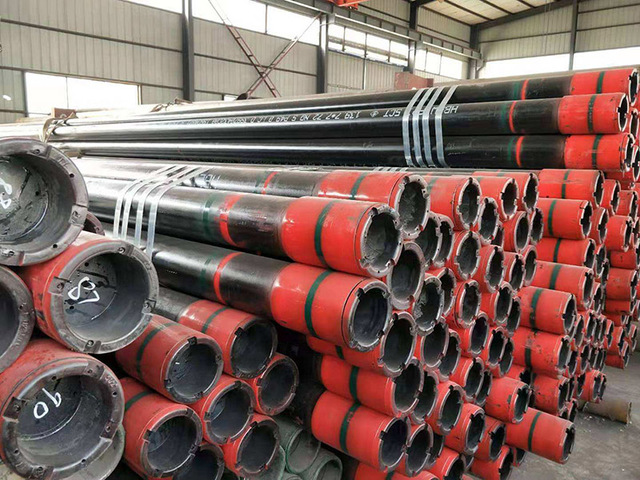
{:en}The Versatile Role of Oil Casing in Modern Energy Exploration{:}{:es}El papel versátil de la carcasa de petróleo en la exploración energética moderna{:}{:de}Die vielseitige Rolle von Ölgehäusen in der modernen Energieexploration{:}{:fr}Le rôle polyvalent du tubage pétrolier dans l’exploration énergétique moderne{:}{:ru}Универсальная роль нефтяных колонн в современной энергетической разведке{:}{:it}Il ruolo versatile del rivestimento petrolifero nella moderna esplorazione energetica{:}{:pl}Wszechstronna rola łupków naftowych we współczesnych poszukiwaniach energii{:}{:hi}आधुनिक ऊर्जा अन्वेषण में तेल आवरण की बहुमुखी भूमिका{:}{:th}บทบาทที่หลากหลายของท่อน้ำมันในการสำรวจพลังงานสมัยใหม่{:}{:ko}현대 에너지 탐사에서 오일 케이싱의 다양한 역할{:}{:sv}Oljehöljets mångsidiga roll i modern energiutforskning{:}
{:en} Benefits of Using Oil Casing in Energy Exploration Oil casing plays a crucial role in modern energy exploration, providing…
{:en}
Benefits of Using Oil Casing in Energy Exploration
Oil casing plays a crucial role in modern energy exploration, providing numerous benefits that contribute to the efficiency and success of drilling operations. From protecting the wellbore to ensuring the integrity of the well, oil casing serves as a versatile tool that is essential for extracting oil and gas from deep beneath the earth’s surface.

One of the primary benefits of using oil casing is its ability to protect the wellbore from external forces and prevent the collapse of the well walls. By providing structural support to the well, casing helps maintain the integrity of the hole and prevents it from caving in. This is particularly important in deep drilling operations where the pressure and weight of the surrounding rock formations can pose a significant risk to the stability of the wellbore.
In addition to protecting the wellbore, oil casing also serves as a barrier to prevent the migration of fluids between different geological formations. By isolating the production zone from other formations, casing helps control the flow of oil and gas and prevents contamination of the surrounding environment. This is essential for ensuring the safety and sustainability of energy exploration activities.
Furthermore, oil casing plays a critical role in maintaining the integrity of the well by preventing leaks and blowouts. By creating a sealed environment within the well, casing helps contain the pressure of the reservoir fluids and prevents them from escaping uncontrollably. This not only protects the environment but also ensures the safety of workers and equipment on the drilling rig.
Another key benefit of using oil casing is its ability to facilitate the extraction of oil and gas from deep underground reservoirs. By providing a conduit for the flow of fluids from the reservoir to the surface, casing enables efficient production and extraction of hydrocarbons. This is essential for maximizing the yield of a well and optimizing the overall productivity of the drilling operation.
Moreover, oil casing can also be used to enhance the performance of the well by providing additional support and reinforcement to the production zone. By using casing with specific properties and configurations, engineers can optimize the flow of fluids and improve the overall efficiency of the well. This allows for greater control over the production process and enables operators to maximize the recovery of oil and gas from the reservoir.
In conclusion, oil casing plays a versatile and essential role in modern energy exploration, providing a wide range of benefits that contribute to the success and efficiency of drilling operations. From protecting the wellbore to ensuring the integrity of the well, casing serves as a critical tool that is indispensable for extracting oil and gas from deep beneath the earth’s surface. By understanding the importance of oil casing and utilizing it effectively in drilling operations, energy companies can maximize their production and achieve greater success in their exploration activities.
Innovations in Oil Casing Technology for Improved Efficiency
Oil casing plays a crucial role in modern energy exploration, serving as a protective barrier that ensures the integrity of oil wells. This cylindrical steel pipe is inserted into the drilled hole to prevent the collapse of the wellbore and to isolate different geological formations. In addition to providing structural support, oil casing also helps in controlling the flow of oil and gas, protecting the environment, and maximizing production efficiency.
One of the key functions of oil casing is to prevent the collapse of the wellbore. As drilling progresses deeper into the earth, the pressure from surrounding rock formations can cause the walls of the wellbore to cave in. Oil casing provides a sturdy barrier that supports the walls of the well, preventing them from collapsing and maintaining the integrity of the wellbore. This is essential for ensuring the safety of workers on the drilling rig and for protecting the surrounding environment from potential oil spills.
In addition to preventing collapse, oil casing also serves to isolate different geological formations. Oil wells often pass through multiple layers of rock and sediment, each with its own unique properties. By using different types of casing at different depths, engineers can isolate and control the flow of oil and gas from each formation. This allows for more efficient extraction of resources and reduces the risk of contamination between different layers.
bushing change,Furthermore, oil casing plays a crucial role in controlling the flow of oil and gas from the well. By using specialized casing components such as packers and seals, engineers can regulate the pressure and flow rate of oil and gas coming out of the well. This not only ensures a steady production rate but also helps to prevent blowouts and other dangerous situations that can occur when pressure is not properly controlled.
oil pipe gameAnother important function of oil casing is to protect the environment. Oil and gas extraction can have a significant impact on the surrounding ecosystem, with the potential for leaks and spills to contaminate water sources and harm wildlife. By using high-quality casing materials and proper installation techniques, engineers can minimize the risk of environmental damage and ensure that oil and gas are safely contained within the well.
In recent years, there have been significant advancements in oil casing technology that have improved efficiency and safety in energy exploration. One such innovation is the use of corrosion-resistant alloys that can withstand harsh drilling conditions and extend the lifespan of the casing. These materials are more durable and require less maintenance, reducing downtime and increasing overall production efficiency.
Another innovation in oil casing technology is the development of expandable casing systems. These systems allow for casing to be expanded or contracted to fit the specific dimensions of the wellbore, reducing the need for multiple casing strings and simplifying the drilling process. This not only saves time and money but also reduces the environmental impact of drilling operations.
Overall, oil casing plays a versatile and essential role in modern energy exploration. From preventing collapse and isolating formations to controlling flow and protecting the environment, oil casing is a critical component of oil and gas wells. With ongoing advancements in technology, the future of oil casing looks promising, with even greater efficiency and safety on the horizon.{:}{:es}
Beneficios del uso de revestimientos de petróleo en la exploración energética
La carcasa de petróleo juega un papel crucial en la exploración energética moderna, proporcionando numerosos beneficios que contribuyen a la eficiencia y el éxito de las operaciones de perforación. Desde proteger el pozo hasta garantizar la integridad del pozo, el revestimiento de petróleo sirve como una herramienta versátil que es esencial para extraer petróleo y gas de las profundidades de la superficie terrestre.
Uno de los principales beneficios del uso de revestimiento de petróleo es su capacidad para proteger el pozo de fuerzas externas y prevenir el colapso de las paredes del pozo. Al proporcionar soporte estructural al pozo, el revestimiento ayuda a mantener la integridad del pozo y evita que se derrumbe. Esto es particularmente importante en operaciones de perforación profunda donde la presión y el peso de las formaciones rocosas circundantes pueden representar un riesgo significativo para la estabilidad del pozo. el pozo.
Además de proteger el pozo, el revestimiento de petróleo también sirve como barrera para evitar la migración de fluidos entre diferentes formaciones geológicas. Al aislar la zona de producción de otras formaciones, el revestimiento ayuda a controlar el flujo de petróleo y gas y previene la contaminación del medio ambiente circundante. Esto es esencial para garantizar la seguridad y sostenibilidad de las actividades de exploración energética.
Además, la carcasa de petróleo desempeña un papel fundamental en el mantenimiento de la integridad del pozo al prevenir fugas y explosiones. Al crear un ambiente sellado dentro del pozo, el revestimiento ayuda a contener la presión de los fluidos del yacimiento y evita que se escapen incontrolablemente. Esto no solo protege el medio ambiente sino que también garantiza la seguridad de los trabajadores y los equipos en la plataforma de perforación.
Otro beneficio clave del uso de carcasas de petróleo es su capacidad para facilitar la extracción de petróleo y gas de yacimientos subterráneos profundos. Al proporcionar un conducto para el flujo de fluidos desde el yacimiento hasta la superficie, la carcasa permite una producción y extracción eficiente de hidrocarburos. Esto es esencial para maximizar el rendimiento de un pozo y optimizar la productividad general de la operación de perforación.
Además, el revestimiento de petróleo también se puede utilizar para mejorar el rendimiento del pozo proporcionando soporte y refuerzo adicional a la zona de producción. Al utilizar revestimiento con propiedades y configuraciones específicas, los ingenieros pueden optimizar el flujo de fluidos y mejorar la eficiencia general del pozo. Esto permite un mayor control sobre el proceso de producción y permite a los operadores maximizar la recuperación de petróleo y gas del yacimiento.
En conclusión, la carcasa de petróleo desempeña un papel versátil y esencial en la exploración energética moderna, proporcionando una amplia gama de beneficios que contribuyen para el éxito y la eficiencia de las operaciones de perforación. Desde proteger el pozo hasta garantizar la integridad del pozo, el revestimiento sirve como una herramienta fundamental que es indispensable para extraer petróleo y gas de las profundidades de la superficie terrestre. Al comprender la importancia del revestimiento de petróleo y utilizarlo eficazmente en las operaciones de perforación, las empresas de energía pueden maximizar su producción y lograr un mayor éxito en sus actividades de exploración.
Innovaciones en tecnología de carcasas de aceite para mejorar la eficiencia
La carcasa de petróleo juega un papel crucial en la exploración energética moderna, ya que sirve como una barrera protectora que garantiza la integridad de los pozos petroleros. Este tubo cilíndrico de acero se inserta en el pozo perforado para evitar el colapso del pozo y aislar diferentes formaciones geológicas. Además de proporcionar soporte estructural, el revestimiento de petróleo también ayuda a controlar el flujo de petróleo y gas, proteger el medio ambiente y maximizar la eficiencia de la producción.
Una de las funciones clave del revestimiento de petróleo es evitar el colapso del pozo. A medida que la perforación avanza más profundamente en la tierra, la presión de las formaciones rocosas circundantes puede hacer que las paredes del pozo se derrumben. La carcasa de petróleo proporciona una barrera resistente que sostiene las paredes del pozo, evitando que colapsen y manteniendo la integridad del pozo. . Esto es esencial para garantizar la seguridad de los trabajadores en la plataforma de perforación y para proteger el medio ambiente circundante de posibles derrames de petróleo.
Además de evitar el colapso, la carcasa de petróleo también sirve para aislar diferentes formaciones geológicas. Los pozos de petróleo suelen atravesar múltiples capas de roca y sedimentos, cada una con sus propias propiedades únicas. Al utilizar diferentes tipos de revestimiento a diferentes profundidades, los ingenieros pueden aislar y controlar el flujo de petróleo y gas de cada formación. Esto permite una extracción más eficiente de recursos y reduce el riesgo de contaminación entre diferentes capas.
cambio de buje. Además, la carcasa de petróleo juega un papel crucial en el control del flujo de petróleo y gas del pozo. Al utilizar componentes de carcasa especializados, como empacadores y sellos, los ingenieros pueden regular la presión y el caudal de petróleo y gas que sale del pozo. Esto no solo garantiza una tasa de producción constante, sino que también ayuda a prevenir reventones y otras situaciones peligrosas que pueden ocurrir cuando la presión no se controla adecuadamente.
Juego de tuberías de aceiteOtra función importante de la carcasa de aceite es proteger el medio ambiente. La extracción de petróleo y gas puede tener un impacto significativo en el ecosistema circundante, con la posibilidad de que se produzcan fugas y derrames que contaminen las fuentes de agua y dañen la vida silvestre. Al utilizar materiales de revestimiento de alta calidad y técnicas de instalación adecuadas, los ingenieros pueden minimizar el riesgo de daños ambientales y garantizar que el petróleo y el gas estén contenidos de forma segura dentro del pozo.
En los últimos años, ha habido avances significativos en la tecnología de revestimiento de petróleo que han mejora de la eficiencia y seguridad en la exploración energética. Una de esas innovaciones es el uso de aleaciones resistentes a la corrosión que pueden soportar duras condiciones de perforación y prolongar la vida útil de la carcasa. Estos materiales son más duraderos y requieren menos mantenimiento, lo que reduce el tiempo de inactividad y aumenta la eficiencia general de la producción.
Otra innovación en la tecnología de carcasas de aceite es el desarrollo de Sistemas de carcasa expandibles. Estos sistemas permiten expandir o contraer el revestimiento para adaptarse a las dimensiones específicas del pozo, lo que reduce la necesidad de múltiples sartas de revestimiento y simplifica el proceso de perforación. Esto no solo ahorra tiempo y dinero, sino que también reduce el impacto ambiental de las operaciones de perforación.
En general, la tubería de revestimiento de petróleo desempeña un papel versátil y esencial en la exploración energética moderna. Desde prevenir el colapso y aislar formaciones hasta controlar el flujo y proteger el medio ambiente, el revestimiento de petróleo es un componente crítico de los pozos de petróleo y gas. Con los continuos avances tecnológicos, el futuro de las carcasas de petróleo parece prometedor, con una eficiencia y seguridad aún mayores en el horizonte.{:}{:de}
Vorteile der Verwendung von Ölgehäusen bei der Energieexploration
Ölgehäuse spielen eine entscheidende Rolle bei der modernen Energieexploration und bieten zahlreiche Vorteile, die zur Effizienz und zum Erfolg von Bohrarbeiten beitragen. Vom Schutz des Bohrlochs bis hin zur Gewährleistung der Integrität des Bohrlochs dient die Ölverrohrung als vielseitiges Werkzeug, das für die Förderung von Öl und Gas tief unter der Erdoberfläche unerlässlich ist.
Einer der Hauptvorteile der Verwendung von Ölgehäusen ist ihre Fähigkeit, das Bohrloch vor äußeren Kräften zu schützen und den Einsturz der Bohrlochwände zu verhindern. Durch die strukturelle Unterstützung des Bohrlochs trägt die Verrohrung dazu bei, die Integrität des Bohrlochs aufrechtzuerhalten und ein Einsturz des Bohrlochs zu verhindern. Dies ist besonders wichtig bei Tiefbohrarbeiten, bei denen der Druck und das Gewicht der umgebenden Gesteinsformationen ein erhebliches Risiko für die Stabilität des Bohrlochs darstellen können Das Bohrloch.
Zusätzlich zum Schutz des Bohrlochs dient die Ölverrohrung auch als Barriere, um die Migration von Flüssigkeiten zwischen verschiedenen geologischen Formationen zu verhindern. Durch die Isolierung der Förderzone von anderen Formationen trägt die Verrohrung zur Kontrolle des Öl- und Gasflusses bei und verhindert eine Kontamination der Umgebung. Dies ist für die Gewährleistung der Sicherheit und Nachhaltigkeit von Energieexplorationsaktivitäten von entscheidender Bedeutung.
Darüber hinaus spielt die Ölverrohrung eine entscheidende Rolle bei der Aufrechterhaltung der Integrität des Bohrlochs, indem sie Lecks und Ausbrüche verhindert. Durch die Schaffung einer abgedichteten Umgebung innerhalb des Bohrlochs trägt die Verrohrung dazu bei, den Druck der Reservoirflüssigkeiten einzudämmen und zu verhindern, dass diese unkontrolliert austreten. Dies schützt nicht nur die Umwelt, sondern gewährleistet auch die Sicherheit von Arbeitern und Geräten auf der Bohrinsel.
Ein weiterer wichtiger Vorteil der Verwendung von Ölgehäusen ist die Möglichkeit, die Förderung von Öl und Gas aus tiefen unterirdischen Lagerstätten zu erleichtern. Durch die Bereitstellung einer Leitung für den Flüssigkeitsfluss von der Lagerstätte zur Oberfläche ermöglicht die Verrohrung eine effiziente Produktion und Gewinnung von Kohlenwasserstoffen. Dies ist für die Maximierung der Ausbeute eines Bohrlochs und die Optimierung der Gesamtproduktivität des Bohrvorgangs von wesentlicher Bedeutung.
Darüber hinaus kann die Ölverrohrung auch zur Leistungssteigerung des Bohrlochs eingesetzt werden, indem sie der Förderzone zusätzliche Unterstützung und Verstärkung bietet. Durch die Verwendung von Gehäusen mit spezifischen Eigenschaften und Konfigurationen können Ingenieure den Flüssigkeitsfluss optimieren und die Gesamteffizienz des Bohrlochs verbessern. Dies ermöglicht eine bessere Kontrolle über den Produktionsprozess und ermöglicht es den Betreibern, die Gewinnung von Öl und Gas aus der Lagerstätte zu maximieren.
Zusammenfassend lässt sich sagen, dass Ölgehäuse eine vielseitige und wesentliche Rolle bei der modernen Energieexploration spielen und eine Vielzahl von Vorteilen bieten, die dazu beitragen für den Erfolg und die Effizienz von Bohrarbeiten. Vom Schutz des Bohrlochs bis zur Gewährleistung der Integrität des Bohrlochs dient die Verrohrung als wichtiges Werkzeug, das für die Förderung von Öl und Gas tief unter der Erdoberfläche unverzichtbar ist. Durch das Verständnis der Bedeutung von Ölgehäusen und deren effektive Nutzung bei Bohrarbeiten können Energieunternehmen ihre Produktion maximieren und größere Erfolge bei ihren Explorationsaktivitäten erzielen.
Innovationen in der Ölgehäusetechnologie für verbesserte Effizienz
Ölhüllen spielen eine entscheidende Rolle bei der modernen Energieexploration und dienen als Schutzbarriere, die die Integrität von Ölquellen gewährleistet. Dieses zylindrische Stahlrohr wird in das Bohrloch eingeführt, um den Einsturz des Bohrlochs zu verhindern und verschiedene geologische Formationen zu isolieren. Neben der strukturellen Unterstützung trägt die Ölverrohrung auch dazu bei, den Öl- und Gasfluss zu kontrollieren, die Umwelt zu schützen und die Produktionseffizienz zu maximieren.
Eine der Schlüsselfunktionen der Ölverrohrung besteht darin, den Einsturz des Bohrlochs zu verhindern. Wenn die Bohrung tiefer in die Erde vordringt, kann der Druck der umliegenden Felsformationen dazu führen, dass die Wände des Bohrlochs einstürzen. Ölgehäuse bilden eine stabile Barriere, die die Wände des Bohrlochs stützt, ein Einsturz verhindert und die Integrität des Bohrlochs aufrechterhält . Dies ist wichtig, um die Sicherheit der Arbeiter auf der Bohrinsel zu gewährleisten und die Umgebung vor möglichen Ölverschmutzungen zu schützen.
Neben der Verhinderung von Einsturz dienen Ölverrohrungen auch dazu, verschiedene geologische Formationen zu isolieren. Ölquellen verlaufen häufig durch mehrere Gesteins- und Sedimentschichten, von denen jede ihre eigenen einzigartigen Eigenschaften aufweist. Durch die Verwendung unterschiedlicher Gehäusetypen in unterschiedlichen Tiefen können Ingenieure den Öl- und Gasfluss aus jeder Formation isolieren und steuern. Dies ermöglicht eine effizientere Gewinnung von Ressourcen und verringert das Risiko einer Kontamination zwischen verschiedenen Schichten.
Änderung der Buchse. Darüber hinaus spielt die Ölverrohrung eine entscheidende Rolle bei der Steuerung des Öl- und Gasflusses aus dem Bohrloch. Durch den Einsatz spezieller Gehäusekomponenten wie Packer und Dichtungen können Ingenieure den Druck und die Durchflussrate des aus dem Bohrloch austretenden Öls und Gases regulieren. Dies sorgt nicht nur für eine konstante Produktionsrate, sondern hilft auch dabei, Ausfälle und andere gefährliche Situationen zu verhindern, die auftreten können, wenn der Druck nicht richtig kontrolliert wird.
ÖlleitungsspielEine weitere wichtige Funktion des Ölgehäuses ist der Schutz der Umwelt. Die Öl- und Gasförderung kann erhebliche Auswirkungen auf das umliegende Ökosystem haben und zu Lecks und Verschüttungen führen, die Wasserquellen verunreinigen und die Tierwelt schädigen können. Durch die Verwendung hochwertiger Gehäusematerialien und geeigneter Installationstechniken können Ingenieure das Risiko von Umweltschäden minimieren und sicherstellen, dass Öl und Gas sicher im Bohrloch eingeschlossen sind.
In den letzten Jahren gab es erhebliche Fortschritte in der Ölgehäusetechnologie verbesserte Effizienz und Sicherheit bei der Energieexploration. Eine dieser Innovationen ist die Verwendung korrosionsbeständiger Legierungen, die rauen Bohrbedingungen standhalten und die Lebensdauer des Gehäuses verlängern. Diese Materialien sind langlebiger und erfordern weniger Wartung, wodurch Ausfallzeiten reduziert und die Gesamtproduktionseffizienz gesteigert werden.
Eine weitere Innovation in der Ölgehäusetechnologie ist die Entwicklung von erweiterbare Gehäusesysteme. Mit diesen Systemen kann die Verrohrung erweitert oder verkleinert werden, um sie an die spezifischen Abmessungen des Bohrlochs anzupassen. Dadurch wird der Bedarf an mehreren Verrohrungssträngen reduziert und der Bohrvorgang vereinfacht. Dies spart nicht nur Zeit und Geld, sondern reduziert auch die Umweltbelastung durch Bohrarbeiten.
Insgesamt spielt die Ölverrohrung eine vielseitige und wesentliche Rolle bei der modernen Energieexploration. Von der Verhinderung von Einsturz und der Isolierung von Formationen bis hin zur Steuerung des Durchflusses und dem Schutz der Umwelt ist die Ölverrohrung ein wichtiger Bestandteil von Öl- und Gasquellen. Angesichts der kontinuierlichen Fortschritte in der Technologie sieht die Zukunft des Ölgehäuses vielversprechend aus, und es zeichnet sich eine noch höhere Effizienz und Sicherheit ab.{:}{:fr}
Avantages de l’utilisation du tubage pétrolier dans l’exploration énergétique
Innovations dans la technologie des enveloppes pétrolières pour une efficacité améliorée
Le tubage pétrolier joue un rôle crucial dans l’exploration énergétique moderne, servant de barrière protectrice qui garantit l’intégrité des puits de pétrole. Ce tube cylindrique en acier est inséré dans le trou foré pour éviter l’effondrement du puits de forage et isoler différentes formations géologiques. En plus de fournir un support structurel, le tubage pétrolier aide également à contrôler le flux de pétrole et de gaz, à protéger l’environnement et à maximiser l’efficacité de la production.
L’une des fonctions clés du tubage pétrolier est d’empêcher l’effondrement du puits de forage. À mesure que le forage progresse plus profondément dans la terre, la pression des formations rocheuses environnantes peut provoquer l’effondrement des parois du puits de forage. Le tubage de pétrole fournit une barrière solide qui soutient les parois du puits, les empêchant de s’effondrer et préservant l’intégrité du puits de forage. . Ceci est essentiel pour garantir la sécurité des travailleurs sur la plate-forme de forage et pour protéger l’environnement d’éventuelles marées noires.
En plus d’empêcher l’effondrement, le tubage pétrolier sert également à isoler différentes formations géologiques. Les puits de pétrole traversent souvent plusieurs couches de roches et de sédiments, chacune ayant ses propres propriétés uniques. En utilisant différents types de tubage à différentes profondeurs, les ingénieurs peuvent isoler et contrôler le flux de pétrole et de gaz de chaque formation. Cela permet une extraction plus efficace des ressources et réduit le risque de contamination entre les différentes couches.
changement de bague,De plus, le tubage pétrolier joue un rôle crucial dans le contrôle du flux de pétrole et de gaz du puits. En utilisant des composants de tubage spécialisés tels que des packers et des joints, les ingénieurs peuvent réguler la pression et le débit du pétrole et du gaz sortant du puits. Cela garantit non seulement un taux de production constant, mais contribue également à prévenir les éruptions et autres situations dangereuses qui peuvent survenir lorsque la pression n’est pas correctement contrôlée.
jeu des conduites d’huileUne autre fonction importante du carter d’huile est de protéger l’environnement. L’extraction de pétrole et de gaz peut avoir un impact significatif sur l’écosystème environnant, avec un risque de fuites et de déversements susceptibles de contaminer les sources d’eau et de nuire à la faune. En utilisant des matériaux de tubage de haute qualité et des techniques d’installation appropriées, les ingénieurs peuvent minimiser le risque de dommages environnementaux et garantir que le pétrole et le gaz sont contenus en toute sécurité dans le puits.
Ces dernières années, des progrès significatifs ont été réalisés dans la technologie des tubages pétroliers. amélioration de l’efficacité et de la sécurité dans l’exploration énergétique. L’une de ces innovations est l’utilisation d’alliages résistants à la corrosion, capables de résister à des conditions de forage difficiles et de prolonger la durée de vie du boîtier. Ces matériaux sont plus durables et nécessitent moins d’entretien, ce qui réduit les temps d’arrêt et augmente l’efficacité globale de la production.
Une autre innovation dans la technologie des boîtiers d’huile est le développement de systèmes de boîtiers extensibles. Ces systèmes permettent d’étendre ou de contracter le tubage pour s’adapter aux dimensions spécifiques du puits de forage, réduisant ainsi le besoin de plusieurs trains de tubage et simplifiant le processus de forage. Cela permet non seulement d’économiser du temps et de l’argent, mais réduit également l’impact environnemental des opérations de forage.
Dans l’ensemble, le tubage pétrolier joue un rôle polyvalent et essentiel dans l’exploration énergétique moderne. Qu’il s’agisse de prévenir l’effondrement et d’isoler les formations, de contrôler le débit ou de protéger l’environnement, le tubage pétrolier est un élément essentiel des puits de pétrole et de gaz. Avec les progrès technologiques continus, l’avenir du tubage pétrolier semble prometteur, avec une efficacité et une sécurité encore plus grandes à l’horizon.
Innovations in Oil Casing Technology for Improved Efficiency
Oil casing plays a crucial role in modern energy exploration, serving as a protective barrier that ensures the integrity of oil wells. This cylindrical steel pipe is inserted into the drilled hole to prevent the collapse of the wellbore and to isolate different geological formations. In addition to providing structural support, oil casing also helps in controlling the flow of oil and gas, protecting the environment, and maximizing production efficiency.
One of the key functions of oil casing is to prevent the collapse of the wellbore. As drilling progresses deeper into the earth, the pressure from surrounding rock formations can cause the walls of the wellbore to cave in. Oil casing provides a sturdy barrier that supports the walls of the well, preventing them from collapsing and maintaining the integrity of the wellbore. This is essential for ensuring the safety of workers on the drilling rig and for protecting the surrounding environment from potential oil spills.
In addition to preventing collapse, oil casing also serves to isolate different geological formations. Oil wells often pass through multiple layers of rock and sediment, each with its own unique properties. By using different types of casing at different depths, engineers can isolate and control the flow of oil and gas from each formation. This allows for more efficient extraction of resources and reduces the risk of contamination between different layers.
bushing change,Furthermore, oil casing plays a crucial role in controlling the flow of oil and gas from the well. By using specialized casing components such as packers and seals, engineers can regulate the pressure and flow rate of oil and gas coming out of the well. This not only ensures a steady production rate but also helps to prevent blowouts and other dangerous situations that can occur when pressure is not properly controlled.
oil pipe gameAnother important function of oil casing is to protect the environment. Oil and gas extraction can have a significant impact on the surrounding ecosystem, with the potential for leaks and spills to contaminate water sources and harm wildlife. By using high-quality casing materials and proper installation techniques, engineers can minimize the risk of environmental damage and ensure that oil and gas are safely contained within the well.
In recent years, there have been significant advancements in oil casing technology that have improved efficiency and safety in energy exploration. One such innovation is the use of corrosion-resistant alloys that can withstand harsh drilling conditions and extend the lifespan of the casing. These materials are more durable and require less maintenance, reducing downtime and increasing overall production efficiency.
Another innovation in oil casing technology is the development of expandable casing systems. These systems allow for casing to be expanded or contracted to fit the specific dimensions of the wellbore, reducing the need for multiple casing strings and simplifying the drilling process. This not only saves time and money but also reduces the environmental impact of drilling operations.
Overall, oil casing plays a versatile and essential role in modern energy exploration. From preventing collapse and isolating formations to controlling flow and protecting the environment, oil casing is a critical component of oil and gas wells. With ongoing advancements in technology, the future of oil casing looks promising, with even greater efficiency and safety on the horizon.{:}{:ru}
Преимущества использования нефтяных обсадных колонн при разведке энергетических ресурсов
Нефтяные колонны играют решающую роль в современной энергетической разведке, предоставляя многочисленные преимущества, которые способствуют эффективности и успеху буровых работ. От защиты ствола скважины до обеспечения ее целостности, нефтяная колонна служит универсальным инструментом, необходимым для добычи нефти и газа из глубоких недр земли.
Одним из основных преимуществ использования нефтяной колонны является ее способность защищать ствол скважины от внешних сил и предотвращать обрушение стенок скважины. Обеспечивая структурную поддержку скважины, обсадная колонна помогает поддерживать целостность скважины и предотвращает ее обрушение. Это особенно важно при операциях глубокого бурения, когда давление и вес окружающих горных пород могут представлять значительный риск для устойчивости скважины. ствол скважины.
Помимо защиты ствола скважины, нефтяная колонна также служит барьером, предотвращающим миграцию жидкостей между различными геологическими формациями. Изолируя зону добычи от других пластов, обсадная колонна помогает контролировать потоки нефти и газа и предотвращает загрязнение окружающей среды. Это важно для обеспечения безопасности и устойчивости деятельности по разведке энергетических ресурсов.
Более того, нефтяная колонна играет решающую роль в поддержании целостности скважины, предотвращая утечки и выбросы. Создавая герметичную среду внутри скважины, обсадная колонна помогает сдерживать давление пластовых флюидов и предотвращает их бесконтрольный выход. Это не только защищает окружающую среду, но также обеспечивает безопасность рабочих и оборудования на буровой установке. Еще одним ключевым преимуществом использования нефтяной колонны является ее способность облегчать добычу нефти и газа из глубоких подземных резервуаров. Обеспечивая канал для потока флюидов из пласта на поверхность, обсадная колонна обеспечивает эффективную добычу и добычу углеводородов. Это важно для максимизации дебита скважины и оптимизации общей производительности бурения.
Более того, нефтяная обсадная колонна также может использоваться для повышения производительности скважины путем обеспечения дополнительной поддержки и укрепления продуктивной зоны. Используя обсадную колонну с особыми свойствами и конфигурацией, инженеры могут оптимизировать поток флюидов и повысить общую эффективность скважины. Это позволяет лучше контролировать производственный процесс и позволяет операторам максимизировать извлечение нефти и газа из пласта. успеху и эффективности буровых работ. От защиты ствола скважины до обеспечения ее целостности, обсадная колонна служит важнейшим инструментом, незаменимым для добычи нефти и газа из глубоких недр земли. Понимая важность нефтяной колонны и эффективно используя ее в буровых операциях, энергетические компании могут максимизировать свою добычу и добиться большего успеха в геологоразведочной деятельности.
Инновации в технологии масляных кожухов для повышения эффективности
Нефтяная колонна играет решающую роль в современной энергетической разведке, служа защитным барьером, обеспечивающим целостность нефтяных скважин. Эта цилиндрическая стальная труба вставляется в пробуренную скважину, чтобы предотвратить обрушение ствола скважины и изолировать различные геологические образования. Помимо обеспечения структурной поддержки, нефтяная колонна также помогает контролировать поток нефти и газа, защищать окружающую среду и максимизировать эффективность производства.
Одной из ключевых функций нефтяной колонны является предотвращение обрушения ствола скважины. По мере продвижения бурения вглубь земли давление окружающих горных пород может привести к обрушению стенок ствола скважины. Нефтяная колонна обеспечивает прочный барьер, который поддерживает стенки скважины, предотвращая их обрушение и сохраняя целостность ствола скважины. . Это важно для обеспечения безопасности рабочих на буровой установке и защиты окружающей среды от потенциальных разливов нефти.
Помимо предотвращения обрушения, нефтяная колонна также служит для изоляции различных геологических образований. Нефтяные скважины часто проходят через несколько слоев горных пород и отложений, каждый из которых имеет свои уникальные свойства. Используя разные типы обсадных труб на разных глубинах, инженеры могут изолировать и контролировать поток нефти и газа из каждого пласта. Это позволяет более эффективно извлекать ресурсы и снижает риск загрязнения между различными слоями.
Замена втулки. Кроме того, нефтяная колонна играет решающую роль в контроле потока нефти и газа из скважины. Используя специализированные компоненты обсадной колонны, такие как пакеры и уплотнения, инженеры могут регулировать давление и скорость потока нефти и газа, выходящих из скважины. Это не только обеспечивает стабильную производительность, но также помогает предотвратить выбросы и другие опасные ситуации, которые могут возникнуть, если давление не контролируется должным образом.
Игра в нефтяные трубы Еще одна важная функция нефтяных обсадных труб — защита окружающей среды. Добыча нефти и газа может оказать существенное воздействие на окружающую экосистему, поскольку протечки и разливы могут привести к загрязнению водных источников и нанесению вреда дикой природе. Используя высококачественные материалы обсадных труб и правильные методы установки, инженеры могут свести к минимуму риск ущерба окружающей среде и обеспечить безопасное удержание нефти и газа внутри скважины.
В последние годы произошли значительные успехи в технологии обсадных труб, которые повышение эффективности и безопасности при разведке энергетических ресурсов. Одним из таких нововведений является использование коррозионностойких сплавов, которые выдерживают суровые условия бурения и продлевают срок службы обсадной колонны. Эти материалы более долговечны и требуют меньшего обслуживания, что сокращает время простоев и повышает общую эффективность производства. расширяемые системы корпусов. Эти системы позволяют расширять или сжимать обсадную колонну в соответствии с конкретными размерами ствола скважины, уменьшая необходимость в нескольких обсадных колоннах и упрощая процесс бурения. Это не только экономит время и деньги, но и снижает воздействие буровых работ на окружающую среду. В целом, нефтяные колонны играют разностороннюю и важную роль в современной разведке энергетических ресурсов. Нефтяная колонна является важнейшим компонентом нефтяных и газовых скважин: от предотвращения обрушения и изоляции пластов до контроля потока и защиты окружающей среды. Благодаря постоянному развитию технологий будущее нефтяных колонн выглядит многообещающим, а на горизонте — еще большая эффективность и безопасность.{:}{:it}
Vantaggi derivanti dall’utilizzo dell’involucro petrolifero nell’esplorazione energetica
Il rivestimento petrolifero svolge un ruolo cruciale nella moderna esplorazione energetica, offrendo numerosi vantaggi che contribuiscono all’efficienza e al successo delle operazioni di perforazione. Dalla protezione del pozzo alla garanzia dell’integrità del pozzo, il rivestimento petrolifero funge da strumento versatile essenziale per estrarre petrolio e gas dalle profondità sotto la superficie terrestre.
Uno dei principali vantaggi derivanti dall’utilizzo del rivestimento petrolifero è la sua capacità di proteggere il pozzo dalle forze esterne e prevenire il collasso delle pareti del pozzo. Fornendo supporto strutturale al pozzo, il rivestimento aiuta a mantenere l’integrità del foro e ne previene il cedimento. Ciò è particolarmente importante nelle operazioni di perforazione profonda dove la pressione e il peso delle formazioni rocciose circostanti possono rappresentare un rischio significativo per la stabilità del pozzo. il pozzo.
Oltre a proteggere il pozzo, il rivestimento petrolifero funge anche da barriera per impedire la migrazione di fluidi tra diverse formazioni geologiche. Isolando la zona di produzione da altre formazioni, l’involucro aiuta a controllare il flusso di petrolio e gas e previene la contaminazione dell’ambiente circostante. Ciò è essenziale per garantire la sicurezza e la sostenibilità delle attività di esplorazione energetica.
Inoltre, il rivestimento petrolifero svolge un ruolo fondamentale nel mantenere l’integrità del pozzo prevenendo perdite e scoppi. Creando un ambiente sigillato all’interno del pozzo, l’involucro aiuta a contenere la pressione dei fluidi del giacimento e ne impedisce la fuoriuscita incontrollata. Ciò non solo protegge l’ambiente, ma garantisce anche la sicurezza dei lavoratori e delle attrezzature sulla piattaforma di perforazione.
Un altro vantaggio chiave derivante dall’utilizzo di involucri petroliferi è la sua capacità di facilitare l’estrazione di petrolio e gas da giacimenti sotterranei profondi. Fornendo un condotto per il flusso dei fluidi dal serbatoio alla superficie, l’involucro consente un’efficiente produzione ed estrazione di idrocarburi. Ciò è essenziale per massimizzare la resa di un pozzo e ottimizzare la produttività complessiva dell’operazione di perforazione.
Inoltre, il rivestimento petrolifero può essere utilizzato anche per migliorare le prestazioni del pozzo fornendo ulteriore supporto e rinforzo alla zona di produzione. Utilizzando un involucro con proprietà e configurazioni specifiche, gli ingegneri possono ottimizzare il flusso dei fluidi e migliorare l’efficienza complessiva del pozzo. Ciò consente un maggiore controllo sul processo di produzione e consente agli operatori di massimizzare il recupero di petrolio e gas dal giacimento.
In conclusione, il rivestimento del petrolio svolge un ruolo versatile ed essenziale nella moderna esplorazione energetica, fornendo un’ampia gamma di vantaggi che contribuiscono al successo e all’efficienza delle operazioni di perforazione. Dalla protezione del pozzo alla garanzia dell’integrità del pozzo, il rivestimento funge da strumento fondamentale indispensabile per estrarre petrolio e gas dalle profondità sotto la superficie terrestre. Comprendendo l’importanza delle casse petrolifere e utilizzandole in modo efficace nelle operazioni di trivellazione, le aziende energetiche possono massimizzare la produzione e ottenere maggiore successo nelle attività di esplorazione.
Innovazioni nella tecnologia degli involucri petroliferi per una migliore efficienza
L’involucro petrolifero svolge un ruolo cruciale nella moderna esplorazione energetica, fungendo da barriera protettiva che garantisce l’integrità dei pozzi petroliferi. Questo tubo cilindrico d’acciaio viene inserito nel foro praticato per impedire il collasso del pozzo e per isolare diverse formazioni geologiche. Oltre a fornire supporto strutturale, l’involucro petrolifero aiuta anche a controllare il flusso di petrolio e gas, proteggendo l’ambiente e massimizzando l’efficienza produttiva.
Una delle funzioni chiave dell’involucro petrolifero è prevenire il collasso del pozzo. Man mano che la perforazione avanza più in profondità nel terreno, la pressione esercitata dalle formazioni rocciose circostanti può causare il crollo delle pareti del pozzo. L’involucro petrolifero fornisce una barriera robusta che sostiene le pareti del pozzo, impedendo loro di crollare e mantenendo l’integrità del pozzo. . Ciò è essenziale per garantire la sicurezza dei lavoratori sulla piattaforma di perforazione e per proteggere l’ambiente circostante da potenziali fuoriuscite di petrolio.
Oltre a prevenire il collasso, l’involucro petrolifero serve anche a isolare diverse formazioni geologiche. I pozzi petroliferi spesso attraversano più strati di roccia e sedimenti, ciascuno con le sue proprietà uniche. Utilizzando diversi tipi di rivestimento a diverse profondità, gli ingegneri possono isolare e controllare il flusso di petrolio e gas da ciascuna formazione. Ciò consente un’estrazione più efficiente delle risorse e riduce il rischio di contaminazione tra diversi strati.
cambio delle boccole,Inoltre, l’involucro dell’olio svolge un ruolo cruciale nel controllo del flusso di petrolio e gas dal pozzo. Utilizzando componenti specializzati dell’involucro, come packer e guarnizioni, gli ingegneri possono regolare la pressione e la portata del petrolio e del gas in uscita dal pozzo. Ciò non solo garantisce un tasso di produzione costante, ma aiuta anche a prevenire scoppi e altre situazioni pericolose che possono verificarsi quando la pressione non è adeguatamente controllata.
Oil Pipe GameUn’altra importante funzione della cassa dell’olio è quella di proteggere l’ambiente. L’estrazione di petrolio e gas può avere un impatto significativo sull’ecosistema circostante, con il rischio che perdite e sversamenti contaminino le fonti d’acqua e danneggino la fauna selvatica. Utilizzando materiali dell’involucro di alta qualità e tecniche di installazione adeguate, gli ingegneri possono ridurre al minimo il rischio di danni ambientali e garantire che il petrolio e il gas siano contenuti in modo sicuro all’interno del pozzo.
Negli ultimi anni, ci sono stati progressi significativi nella tecnologia degli involucri petroliferi che hanno miglioramento dell’efficienza e della sicurezza nell’esplorazione energetica. Una di queste innovazioni è l’uso di leghe resistenti alla corrosione in grado di resistere a condizioni di perforazione difficili e prolungare la durata della carcassa. Questi materiali sono più durevoli e richiedono meno manutenzione, riducendo i tempi di fermo e aumentando l’efficienza produttiva complessiva.
Un’altra innovazione nella tecnologia dei rivestimenti dell’olio è lo sviluppo di sistemi di involucri espandibili. Questi sistemi consentono di espandere o contrarre il rivestimento per adattarlo alle dimensioni specifiche del pozzo, riducendo la necessità di più stringhe di rivestimento e semplificando il processo di perforazione. Ciò non solo fa risparmiare tempo e denaro, ma riduce anche l’impatto ambientale delle operazioni di trivellazione.
Nel complesso, il rivestimento petrolifero svolge un ruolo versatile ed essenziale nella moderna esplorazione energetica. Dalla prevenzione del collasso e dall’isolamento delle formazioni al controllo del flusso e alla protezione dell’ambiente, gli involucri petroliferi sono una componente fondamentale dei pozzi di petrolio e gas. Con i continui progressi tecnologici, il futuro degli involucri petroliferi sembra promettente, con efficienza e sicurezza ancora maggiori all’orizzonte.{:}{:pl}
Korzyści ze stosowania łupków naftowych w poszukiwaniach energii
Okładzina naftowa odgrywa kluczową rolę we współczesnych poszukiwaniach energii, zapewniając liczne korzyści, które przyczyniają się do wydajności i powodzenia operacji wiertniczych. Od ochrony odwiertu po zapewnienie jego integralności, osłona naftowa służy jako wszechstronne narzędzie niezbędne do wydobywania ropy i gazu z głębi powierzchni ziemi.
Jedną z głównych zalet stosowania obudowy olejowej jest jej zdolność do ochrony odwiertu przed siłami zewnętrznymi i zapobiegania zawaleniu się ścian odwiertu. Zapewniając konstrukcyjne wsparcie odwiertu, obudowa pomaga zachować integralność odwiertu i zapobiega jego zapadnięciu. Jest to szczególnie ważne w przypadku głębokich wierceń, gdzie ciśnienie i ciężar otaczających formacji skalnych mogą stanowić poważne ryzyko dla stabilności odwiertu odwiertu.
Oprócz ochrony odwiertu, osłona naftowa służy również jako bariera zapobiegająca migracji płynów pomiędzy różnymi formacjami geologicznymi. Izolując strefę wydobywczą od innych formacji, obudowa pomaga kontrolować przepływ ropy i gazu oraz zapobiega zanieczyszczeniu otaczającego środowiska. Jest to niezbędne dla zapewnienia bezpieczeństwa i zrównoważonego rozwoju poszukiwań energii.
Ponadto osłona naftowa odgrywa kluczową rolę w utrzymaniu integralności odwiertu, zapobiegając wyciekom i wydmuchom. Tworząc szczelne środowisko w odwiercie, obudowa pomaga utrzymać ciśnienie płynów złożowych i zapobiega ich niekontrolowanej ucieczce. To nie tylko chroni środowisko, ale także zapewnia bezpieczeństwo pracowników i sprzętu na platformie wiertniczej.
Kolejną kluczową korzyścią wynikającą ze stosowania szybu naftowego jest jego zdolność do ułatwienia wydobycia ropy i gazu z głęboko podziemnych złóż. Zapewniając kanał przepływu płynów ze złoża na powierzchnię, obudowa umożliwia efektywną produkcję i ekstrakcję węglowodorów. Jest to niezbędne do maksymalizacji wydajności odwiertu i optymalizacji ogólnej produktywności operacji wiercenia.
Co więcej, obudowa olejowa może również zostać wykorzystana do zwiększenia wydajności odwiertu poprzez zapewnienie dodatkowego wsparcia i wzmocnienia strefy produkcyjnej. Stosując obudowę o określonych właściwościach i konfiguracjach, inżynierowie mogą zoptymalizować przepływ płynów i poprawić ogólną wydajność odwiertu. Pozwala to na większą kontrolę nad procesem wydobycia i umożliwia operatorom maksymalizację odzysku ropy i gazu ze złóż.
Podsumowując, osłona naftowa odgrywa wszechstronną i istotną rolę w nowoczesnych poszukiwaniach energii, zapewniając szeroki zakres korzyści, które przyczyniają się do do powodzenia i efektywności operacji wiertniczych. Od ochrony odwiertu po zapewnienie jego integralności, obudowa służy jako najważniejsze narzędzie niezbędne do wydobywania ropy i gazu z głębi powierzchni ziemi. Rozumiejąc znaczenie gazu łupkowego i efektywnie go wykorzystując w operacjach wiertniczych, przedsiębiorstwa energetyczne mogą zmaksymalizować swoją produkcję i osiągnąć większy sukces w swojej działalności poszukiwawczej.
Innowacje w technologii osłon olejowych zwiększające wydajność
Obudowa naftowa odgrywa kluczową rolę we współczesnych poszukiwaniach energii, pełniąc funkcję bariery ochronnej zapewniającej integralność odwiertów naftowych. Ta cylindryczna rura stalowa jest wkładana do wywierconego otworu, aby zapobiec zapadnięciu się odwiertu i odizolować różne formacje geologiczne. Oprócz zapewniania wsparcia strukturalnego, osłona naftowa pomaga również w kontrolowaniu przepływu ropy i gazu, ochronie środowiska i maksymalizacji wydajności produkcji.
Jedną z kluczowych funkcji osłony naftowej jest zapobieganie zawaleniu się odwiertu. W miarę wchodzenia w głąb ziemi ciśnienie z otaczających formacji skalnych może spowodować zapadnięcie się ścian odwiertu. Okładzina olejowa stanowi solidną barierę, która podtrzymuje ściany odwiertu, zapobiegając ich zapadaniu się i utrzymując integralność odwiertu . Jest to niezbędne dla zapewnienia bezpieczeństwa pracowników platformy wiertniczej oraz ochrony otaczającego środowiska przed potencjalnymi wyciekami ropy.
Oprócz zapobiegania zawaleniom, osłona olejowa służy również do izolowania różnych formacji geologicznych. Szyby naftowe często przechodzą przez wiele warstw skał i osadów, z których każda ma swoje unikalne właściwości. Stosując różne typy obudowy na różnych głębokościach, inżynierowie mogą izolować i kontrolować przepływ ropy i gazu z każdej formacji. Pozwala to na bardziej efektywne wydobycie zasobów i zmniejsza ryzyko skażenia pomiędzy różnymi warstwami.
Wymiana tulei,Ponadto osłona olejowa odgrywa kluczową rolę w kontrolowaniu przepływu ropy i gazu z odwiertu. Używając specjalistycznych elementów obudowy, takich jak pakery i uszczelki, inżynierowie mogą regulować ciśnienie i natężenie przepływu ropy i gazu wydobywającego się ze odwiertu. Zapewnia to nie tylko stałą wydajność produkcji, ale także pomaga zapobiegać wydmuchom i innym niebezpiecznym sytuacjom, które mogą wystąpić, gdy ciśnienie nie jest odpowiednio kontrolowane.
gra w rurze olejowejKolejną ważną funkcją osłony olejowej jest ochrona środowiska. Wydobywanie ropy i gazu może mieć znaczący wpływ na otaczający ekosystem, powodując wycieki i wycieki, które mogą zanieczyścić źródła wody i zaszkodzić dzikiej przyrodzie. Stosując wysokiej jakości materiały obudów i odpowiednie techniki montażu, inżynierowie mogą zminimalizować ryzyko szkód dla środowiska i zapewnić bezpieczne przechowywanie ropy i gazu w odwiercie.
W ostatnich latach nastąpił znaczny postęp w technologii obudów olejowych, który spowodował poprawa efektywności i bezpieczeństwa w poszukiwaniach energii. Jedną z takich innowacji jest zastosowanie stopów odpornych na korozję, które wytrzymują trudne warunki wiercenia i wydłużają żywotność obudowy. Materiały te są trwalsze i wymagają mniej konserwacji, redukując przestoje i zwiększając ogólną wydajność produkcji.
Kolejną innowacją w technologii osłon olejowych jest rozwój systemy obudów z możliwością rozbudowy. Systemy te umożliwiają rozszerzanie lub kurczenie obudowy w celu dopasowania do określonych wymiarów odwiertu, redukując potrzebę stosowania wielu ciągów obudowy i upraszczając proces wiercenia. To nie tylko oszczędza czas i pieniądze, ale także zmniejsza wpływ operacji wiertniczych na środowisko.
Ogólnie rzecz biorąc, osłona naftowa odgrywa wszechstronną i zasadniczą rolę we współczesnych poszukiwaniach energii. Od zapobiegania zapadnięciom i izolowania formacji po kontrolowanie przepływu i ochronę środowiska, obudowy naftowe są kluczowym elementem odwiertów naftowych i gazowych. Dzięki ciągłemu postępowi technologicznemu przyszłość osłonek olejowych wygląda obiecująco, z jeszcze większą wydajnością i bezpieczeństwem na horyzoncie.{:}{:hi}
ऊर्जा अन्वेषण में तेल आवरण का उपयोग करने के लाभ
तेल आवरण आधुनिक ऊर्जा अन्वेषण में एक महत्वपूर्ण भूमिका निभाता है, जिससे कई लाभ मिलते हैं जो ड्रिलिंग कार्यों की दक्षता और सफलता में योगदान करते हैं। कुएं की सुरक्षा से लेकर कुएं की अखंडता सुनिश्चित करने तक, तेल आवरण एक बहुमुखी उपकरण के रूप में कार्य करता है जो पृथ्वी की सतह के नीचे से तेल और गैस निकालने के लिए आवश्यक है।
तेल आवरण का उपयोग करने के प्राथमिक लाभों में से एक बाहरी ताकतों से कुएं की रक्षा करने और कुएं की दीवारों के पतन को रोकने की क्षमता है। कुएं को संरचनात्मक समर्थन प्रदान करके, आवरण छेद की अखंडता को बनाए रखने में मदद करता है और इसे धंसने से रोकता है। यह गहरे ड्रिलिंग कार्यों में विशेष रूप से महत्वपूर्ण है जहां आसपास की चट्टान संरचनाओं का दबाव और वजन स्थिरता के लिए महत्वपूर्ण खतरा पैदा कर सकता है। वेलबोर.
वेलबोर की सुरक्षा के अलावा, तेल आवरण विभिन्न भूवैज्ञानिक संरचनाओं के बीच तरल पदार्थों के प्रवास को रोकने के लिए एक बाधा के रूप में भी कार्य करता है। उत्पादन क्षेत्र को अन्य संरचनाओं से अलग करके, आवरण तेल और गैस के प्रवाह को नियंत्रित करने में मदद करता है और आसपास के वातावरण के प्रदूषण को रोकता है। यह ऊर्जा अन्वेषण गतिविधियों की सुरक्षा और स्थिरता सुनिश्चित करने के लिए आवश्यक है। इसके अलावा, तेल आवरण रिसाव और विस्फोट को रोककर कुएं की अखंडता को बनाए रखने में महत्वपूर्ण भूमिका निभाता है। कुएं के भीतर एक सीलबंद वातावरण बनाकर, आवरण जलाशय के तरल पदार्थों के दबाव को नियंत्रित करने में मदद करता है और उन्हें अनियंत्रित रूप से बाहर निकलने से रोकता है। यह न केवल पर्यावरण की रक्षा करता है बल्कि ड्रिलिंग रिग पर श्रमिकों और उपकरणों की सुरक्षा भी सुनिश्चित करता है। तेल आवरण का उपयोग करने का एक अन्य महत्वपूर्ण लाभ गहरे भूमिगत जलाशयों से तेल और गैस निकालने की सुविधा प्रदान करने की इसकी क्षमता है। जलाशय से सतह तक तरल पदार्थ के प्रवाह के लिए एक नाली प्रदान करके, आवरण हाइड्रोकार्बन के कुशल उत्पादन और निष्कर्षण को सक्षम बनाता है। यह कुएं की उपज को अधिकतम करने और ड्रिलिंग ऑपरेशन की समग्र उत्पादकता को अनुकूलित करने के लिए आवश्यक है। इसके अलावा, तेल आवरण का उपयोग उत्पादन क्षेत्र को अतिरिक्त समर्थन और सुदृढीकरण प्रदान करके कुएं के प्रदर्शन को बढ़ाने के लिए भी किया जा सकता है। विशिष्ट गुणों और विन्यास के साथ आवरण का उपयोग करके, इंजीनियर तरल पदार्थ के प्रवाह को अनुकूलित कर सकते हैं और कुएं की समग्र दक्षता में सुधार कर सकते हैं। यह उत्पादन प्रक्रिया पर अधिक नियंत्रण की अनुमति देता है और ऑपरेटरों को जलाशय से तेल और गैस की अधिकतम वसूली करने में सक्षम बनाता है।
निष्कर्ष में, तेल आवरण आधुनिक ऊर्जा अन्वेषण में एक बहुमुखी और आवश्यक भूमिका निभाता है, जो योगदान देने वाले लाभों की एक विस्तृत श्रृंखला प्रदान करता है ड्रिलिंग कार्यों की सफलता और दक्षता के लिए। कुएं की सुरक्षा से लेकर कुएं की अखंडता सुनिश्चित करने तक, आवरण एक महत्वपूर्ण उपकरण के रूप में कार्य करता है जो पृथ्वी की सतह के नीचे से तेल और गैस निकालने के लिए अपरिहार्य है। तेल आवरण के महत्व को समझकर और ड्रिलिंग कार्यों में इसका प्रभावी ढंग से उपयोग करके, ऊर्जा कंपनियां अपने उत्पादन को अधिकतम कर सकती हैं और अपनी अन्वेषण गतिविधियों में अधिक सफलता प्राप्त कर सकती हैं।
बेहतर दक्षता के लिए तेल आवरण प्रौद्योगिकी में नवाचार
तेल आवरण आधुनिक ऊर्जा अन्वेषण में एक महत्वपूर्ण भूमिका निभाता है, एक सुरक्षात्मक बाधा के रूप में कार्य करता है जो तेल कुओं की अखंडता सुनिश्चित करता है। इस बेलनाकार स्टील पाइप को वेलबोर के पतन को रोकने और विभिन्न भूवैज्ञानिक संरचनाओं को अलग करने के लिए ड्रिल किए गए छेद में डाला जाता है। संरचनात्मक सहायता प्रदान करने के अलावा, ऑयल केसिंग तेल और गैस के प्रवाह को नियंत्रित करने, पर्यावरण की रक्षा करने और उत्पादन क्षमता को अधिकतम करने में भी मदद करता है।
ऑयल केसिंग का एक प्रमुख कार्य वेलबोर के पतन को रोकना है। जैसे-जैसे ड्रिलिंग धरती में गहराई तक बढ़ती है, आसपास की चट्टानों के दबाव के कारण वेलबोर की दीवारें धंस सकती हैं। तेल आवरण एक मजबूत अवरोध प्रदान करता है जो कुएं की दीवारों को सहारा देता है, उन्हें ढहने से बचाता है और वेलबोर की अखंडता को बनाए रखता है। . ड्रिलिंग रिग पर श्रमिकों की सुरक्षा सुनिश्चित करने और आसपास के वातावरण को संभावित तेल रिसाव से बचाने के लिए यह आवश्यक है।
पतन को रोकने के अलावा, तेल आवरण विभिन्न भूवैज्ञानिक संरचनाओं को अलग करने का भी काम करता है। तेल के कुएं अक्सर चट्टान और तलछट की कई परतों से होकर गुजरते हैं, जिनमें से प्रत्येक की अपनी अनूठी विशेषताएं होती हैं। अलग-अलग गहराई पर विभिन्न प्रकार के आवरणों का उपयोग करके, इंजीनियर प्रत्येक संरचना से तेल और गैस के प्रवाह को अलग और नियंत्रित कर सकते हैं। यह संसाधनों के अधिक कुशल निष्कर्षण की अनुमति देता है और विभिन्न परतों के बीच संदूषण के जोखिम को कम करता है।
झाड़ी परिवर्तन, इसके अलावा, तेल आवरण कुएं से तेल और गैस के प्रवाह को नियंत्रित करने में महत्वपूर्ण भूमिका निभाता है। पैकर्स और सील्स जैसे विशेष आवरण घटकों का उपयोग करके, इंजीनियर कुएं से निकलने वाले तेल और गैस के दबाव और प्रवाह दर को नियंत्रित कर सकते हैं। यह न केवल एक स्थिर उत्पादन दर सुनिश्चित करता है बल्कि ब्लोआउट और अन्य खतरनाक स्थितियों को रोकने में भी मदद करता है जो दबाव ठीक से नियंत्रित नहीं होने पर हो सकती हैं। तेल पाइप गेम तेल आवरण का एक अन्य महत्वपूर्ण कार्य पर्यावरण की रक्षा करना है। तेल और गैस के निष्कर्षण का आसपास के पारिस्थितिकी तंत्र पर महत्वपूर्ण प्रभाव पड़ सकता है, जिसमें रिसाव और फैलाव से जल स्रोतों को दूषित होने और वन्यजीवों को नुकसान पहुंचने की संभावना है। उच्च गुणवत्ता वाली आवरण सामग्री और उचित स्थापना तकनीकों का उपयोग करके, इंजीनियर पर्यावरणीय क्षति के जोखिम को कम कर सकते हैं और यह सुनिश्चित कर सकते हैं कि तेल और गैस कुएं के भीतर सुरक्षित रूप से समाहित हैं। हाल के वर्षों में, तेल आवरण प्रौद्योगिकी में महत्वपूर्ण प्रगति हुई है ऊर्जा अन्वेषण में बेहतर दक्षता और सुरक्षा। ऐसा ही एक नवाचार संक्षारण प्रतिरोधी मिश्र धातुओं का उपयोग है जो कठोर ड्रिलिंग स्थितियों का सामना कर सकता है और आवरण के जीवनकाल को बढ़ा सकता है। ये सामग्रियां अधिक टिकाऊ होती हैं और कम रखरखाव की आवश्यकता होती है, जिससे डाउनटाइम कम होता है और समग्र उत्पादन क्षमता बढ़ती है। विस्तार योग्य आवरण प्रणाली। ये सिस्टम वेलबोर के विशिष्ट आयामों को फिट करने के लिए केसिंग को विस्तारित या अनुबंधित करने की अनुमति देते हैं, जिससे कई केसिंग स्ट्रिंग्स की आवश्यकता कम हो जाती है और ड्रिलिंग प्रक्रिया सरल हो जाती है। इससे न केवल समय और धन की बचत होती है, बल्कि ड्रिलिंग कार्यों के पर्यावरणीय प्रभाव भी कम होते हैं। कुल मिलाकर, तेल आवरण आधुनिक ऊर्जा अन्वेषण में एक बहुमुखी और आवश्यक भूमिका निभाता है। ढहने से रोकने और संरचनाओं को अलग करने से लेकर प्रवाह को नियंत्रित करने और पर्यावरण की रक्षा करने तक, तेल आवरण तेल और गैस कुओं का एक महत्वपूर्ण घटक है। प्रौद्योगिकी में निरंतर प्रगति के साथ, तेल आवरण का भविष्य और भी अधिक दक्षता और सुरक्षा के साथ आशाजनक लग रहा है।{:}{:th}
ท่อส่งน้ำมันมีบทบาทสำคัญในการสำรวจพลังงานสมัยใหม่ โดยให้ประโยชน์มากมายที่ส่งผลต่อประสิทธิภาพและความสำเร็จของการขุดเจาะ ตั้งแต่การปกป้องหลุมเจาะไปจนถึงการรับประกันความสมบูรณ์ของหลุม ท่อน้ำมันทำหน้าที่เป็นเครื่องมืออเนกประสงค์ที่จำเป็นสำหรับการสกัดน้ำมันและก๊าซจากส่วนลึกใต้พื้นผิวโลก
ข้อดีหลักประการหนึ่งของการใช้ท่อน้ำมันคือความสามารถในการปกป้องหลุมเจาะจากแรงภายนอกและป้องกันการพังทลายของผนังหลุม ด้วยการให้การสนับสนุนทางโครงสร้างแก่บ่อ เคสจะช่วยรักษาความสมบูรณ์ของหลุมและป้องกันไม่ให้พังเข้าไป ซึ่งมีความสำคัญอย่างยิ่งในการขุดเจาะลึก ซึ่งความดันและน้ำหนักของหินที่อยู่รอบๆ อาจก่อให้เกิดความเสี่ยงที่สำคัญต่อเสถียรภาพของบ่อน้ำ หลุมเจาะ
นอกเหนือจากการปกป้องหลุมเจาะแล้ว ท่อน้ำมันยังทำหน้าที่เป็นอุปสรรคในการป้องกันการอพยพของของไหลระหว่างการก่อตัวทางธรณีวิทยาต่างๆ เคสจะช่วยควบคุมการไหลของน้ำมันและก๊าซและป้องกันการปนเปื้อนของสภาพแวดล้อมโดยรอบด้วยการแยกโซนการผลิตออกจากบริเวณก่อตัวอื่นๆ นี่เป็นสิ่งสำคัญในการรับรองความปลอดภัยและความยั่งยืนของกิจกรรมสำรวจพลังงาน
นอกจากนี้ ท่อน้ำมันยังมีบทบาทสำคัญในการรักษาความสมบูรณ์ของบ่อด้วยการป้องกันการรั่วไหลและการระเบิด ด้วยการสร้างสภาพแวดล้อมที่ปิดสนิทภายในบ่อ เคสจะช่วยกักเก็บแรงดันของของเหลวในอ่างเก็บน้ำและป้องกันไม่ให้ไหลออกไปอย่างควบคุมไม่ได้ สิ่งนี้ไม่เพียงปกป้องสิ่งแวดล้อม แต่ยังรับประกันความปลอดภัยของคนงานและอุปกรณ์บนแท่นขุดเจาะ
ประโยชน์หลักอีกประการหนึ่งของการใช้ท่อน้ำมันคือความสามารถในการอำนวยความสะดวกในการสกัดน้ำมันและก๊าซจากอ่างเก็บน้ำใต้ดินลึก ด้วยการจัดให้มีท่อสำหรับการไหลของของเหลวจากแหล่งกักเก็บสู่พื้นผิว เคสทำให้สามารถผลิตและสกัดไฮโดรคาร์บอนได้อย่างมีประสิทธิภาพ สิ่งนี้จำเป็นสำหรับการเพิ่มผลผลิตของบ่อน้ำให้สูงสุดและเพิ่มประสิทธิภาพการผลิตโดยรวมของการขุดเจาะ
ยิ่งกว่านั้น ท่อน้ำมันยังสามารถใช้เพื่อเพิ่มประสิทธิภาพการทำงานของบ่อด้วยการให้การสนับสนุนและการเสริมกำลังเพิ่มเติมแก่โซนการผลิต การใช้เคสที่มีคุณสมบัติและการกำหนดค่าเฉพาะ วิศวกรสามารถปรับการไหลของของไหลให้เหมาะสมและปรับปรุงประสิทธิภาพโดยรวมของบ่อได้ ซึ่งช่วยให้สามารถควบคุมกระบวนการผลิตได้ดีขึ้น และช่วยให้ผู้ปฏิบัติงานสามารถนำน้ำมันและก๊าซกลับมาใช้ใหม่จากแหล่งกักเก็บได้สูงสุด
โดยสรุป ท่อน้ำมันมีบทบาทที่หลากหลายและจำเป็นในการสำรวจพลังงานสมัยใหม่ โดยให้ประโยชน์มากมายที่มีส่วนช่วย สู่ความสำเร็จและประสิทธิภาพในการขุดเจาะ ตั้งแต่การปกป้องหลุมเจาะไปจนถึงการรับประกันความสมบูรณ์ของหลุม เคสทำหน้าที่เป็นเครื่องมือสำคัญที่ขาดไม่ได้ในการสกัดน้ำมันและก๊าซจากส่วนลึกใต้พื้นผิวโลก ด้วยการเข้าใจถึงความสำคัญของท่อน้ำมันและการใช้งานอย่างมีประสิทธิภาพในการขุดเจาะ บริษัทพลังงานจึงสามารถเพิ่มการผลิตได้สูงสุดและประสบความสำเร็จมากขึ้นในกิจกรรมการสำรวจ
นวัตกรรมในเทคโนโลยีท่อน้ำมันเพื่อประสิทธิภาพที่ดีขึ้น
ท่อน้ำมันมีบทบาทสำคัญในการสำรวจพลังงานสมัยใหม่ โดยทำหน้าที่เป็นเกราะป้องกันที่ช่วยรับประกันความสมบูรณ์ของบ่อน้ำมัน ท่อเหล็กทรงกระบอกนี้ถูกสอดเข้าไปในรูเจาะเพื่อป้องกันการพังทลายของหลุมเจาะและเพื่อแยกการก่อตัวทางธรณีวิทยาต่างๆ นอกจากการให้การสนับสนุนด้านโครงสร้างแล้ว ท่อน้ำมันยังช่วยควบคุมการไหลของน้ำมันและก๊าซ ปกป้องสิ่งแวดล้อม และเพิ่มประสิทธิภาพการผลิตให้สูงสุด
หน้าที่หลักอย่างหนึ่งของท่อน้ำมันคือป้องกันการพังทลายของหลุมเจาะ ขณะที่การขุดเจาะลึกลงไปในดินมากขึ้น แรงกดดันจากการก่อตัวของหินรอบๆ อาจทำให้ผนังของหลุมเจาะพังทลายลงได้ ท่อน้ำมันเป็นเกราะกั้นที่แข็งแรงที่รองรับผนังของหลุม ป้องกันไม่ให้ผนังของหลุมยุบและรักษาความสมบูรณ์ของหลุมเจาะ . นี่เป็นสิ่งสำคัญในการรับรองความปลอดภัยของคนงานบนแท่นขุดเจาะและเพื่อปกป้องสิ่งแวดล้อมโดยรอบจากการรั่วไหลของน้ำมันที่อาจเกิดขึ้น
นอกจากป้องกันการพังทลายแล้ว ท่อน้ำมันยังทำหน้าที่แยกการก่อตัวทางธรณีวิทยาต่างๆ อีกด้วย บ่อน้ำมันมักจะผ่านหินและตะกอนหลายชั้น โดยแต่ละชั้นมีคุณสมบัติเฉพาะของตัวเอง การใช้เคสประเภทต่างๆ ที่ความลึกต่างกัน วิศวกรสามารถแยกและควบคุมการไหลของน้ำมันและก๊าซจากแต่ละชั้นได้ ช่วยให้สามารถสกัดทรัพยากรได้อย่างมีประสิทธิภาพมากขึ้นและลดความเสี่ยงของการปนเปื้อนระหว่างชั้นต่างๆ
การเปลี่ยนบุชชิ่ง นอกจากนี้ ท่อน้ำมันยังมีบทบาทสำคัญในการควบคุมการไหลของน้ำมันและก๊าซจากบ่ออีกด้วย การใช้ส่วนประกอบเคสแบบพิเศษ เช่น กล่องบรรจุและซีล วิศวกรสามารถควบคุมความดันและอัตราการไหลของน้ำมันและก๊าซที่ออกมาจากบ่อได้ สิ่งนี้ไม่เพียงแต่รับประกันอัตราการผลิตที่มั่นคง แต่ยังช่วยป้องกันการระเบิดและสถานการณ์อันตรายอื่นๆ ที่อาจเกิดขึ้นได้เมื่อไม่ได้ควบคุมแรงดันอย่างเหมาะสม
เกมท่อน้ำมันหน้าที่ที่สำคัญอีกประการหนึ่งของท่อน้ำมันคือการปกป้องสิ่งแวดล้อม การขุดน้ำมันและก๊าซอาจส่งผลกระทบอย่างมีนัยสำคัญต่อระบบนิเวศโดยรอบ โดยอาจเกิดการรั่วไหลและการรั่วไหลเพื่อปนเปื้อนแหล่งน้ำและเป็นอันตรายต่อสัตว์ป่า ด้วยการใช้วัสดุปลอกคุณภาพสูงและเทคนิคการติดตั้งที่เหมาะสม วิศวกรสามารถลดความเสี่ยงของความเสียหายต่อสิ่งแวดล้อม และรับประกันว่าน้ำมันและก๊าซจะถูกบรรจุไว้อย่างปลอดภัยภายในบ่อ
ในช่วงไม่กี่ปีที่ผ่านมา มีความก้าวหน้าที่สำคัญในเทคโนโลยีท่อน้ำมันที่มี ปรับปรุงประสิทธิภาพและความปลอดภัยในการสำรวจพลังงาน นวัตกรรมอย่างหนึ่งคือการใช้โลหะผสมที่ทนต่อการกัดกร่อนซึ่งสามารถทนต่อสภาพการเจาะที่รุนแรงและยืดอายุการใช้งานของตัวเรือนได้ วัสดุเหล่านี้มีความคงทนมากกว่าและต้องการการบำรุงรักษาน้อยกว่า ลดเวลาหยุดทำงาน และเพิ่มประสิทธิภาพการผลิตโดยรวม
นวัตกรรมอีกประการหนึ่งของเทคโนโลยีท่อน้ำมันคือการพัฒนา ระบบปลอกขยายได้ ระบบเหล่านี้ช่วยให้สามารถขยายหรือหดตัวท่อให้พอดีกับขนาดเฉพาะของหลุมเจาะ ช่วยลดความจำเป็นในการใช้สายท่อหลายสาย และทำให้กระบวนการขุดเจาะง่ายขึ้น ซึ่งไม่เพียงช่วยประหยัดเวลาและเงิน แต่ยังช่วยลดผลกระทบต่อสิ่งแวดล้อมจากการขุดเจาะ
โดยรวมแล้ว ท่อน้ำมันมีบทบาทที่หลากหลายและจำเป็นในการสำรวจพลังงานสมัยใหม่ ตั้งแต่การป้องกันการพังทลายและการแยกชั้นหินไปจนถึงการควบคุมการไหลและการปกป้องสิ่งแวดล้อม ท่อน้ำมันเป็นองค์ประกอบสำคัญของบ่อน้ำมันและก๊าซ ด้วยความก้าวหน้าทางเทคโนโลยีอย่างต่อเนื่อง อนาคตของท่อบรรจุน้ำมันจึงดูสดใส พร้อมด้วยประสิทธิภาพและความปลอดภัยที่ดียิ่งขึ้นในอนาคต
Oil casing plays a crucial role in modern energy exploration, serving as a protective barrier that ensures the integrity of oil wells. This cylindrical steel pipe is inserted into the drilled hole to prevent the collapse of the wellbore and to isolate different geological formations. In addition to providing structural support, oil casing also helps in controlling the flow of oil and gas, protecting the environment, and maximizing production efficiency.
One of the key functions of oil casing is to prevent the collapse of the wellbore. As drilling progresses deeper into the earth, the pressure from surrounding rock formations can cause the walls of the wellbore to cave in. Oil casing provides a sturdy barrier that supports the walls of the well, preventing them from collapsing and maintaining the integrity of the wellbore. This is essential for ensuring the safety of workers on the drilling rig and for protecting the surrounding environment from potential oil spills.
In addition to preventing collapse, oil casing also serves to isolate different geological formations. Oil wells often pass through multiple layers of rock and sediment, each with its own unique properties. By using different types of casing at different depths, engineers can isolate and control the flow of oil and gas from each formation. This allows for more efficient extraction of resources and reduces the risk of contamination between different layers.
bushing change,Furthermore, oil casing plays a crucial role in controlling the flow of oil and gas from the well. By using specialized casing components such as packers and seals, engineers can regulate the pressure and flow rate of oil and gas coming out of the well. This not only ensures a steady production rate but also helps to prevent blowouts and other dangerous situations that can occur when pressure is not properly controlled.
oil pipe gameAnother important function of oil casing is to protect the environment. Oil and gas extraction can have a significant impact on the surrounding ecosystem, with the potential for leaks and spills to contaminate water sources and harm wildlife. By using high-quality casing materials and proper installation techniques, engineers can minimize the risk of environmental damage and ensure that oil and gas are safely contained within the well.
In recent years, there have been significant advancements in oil casing technology that have improved efficiency and safety in energy exploration. One such innovation is the use of corrosion-resistant alloys that can withstand harsh drilling conditions and extend the lifespan of the casing. These materials are more durable and require less maintenance, reducing downtime and increasing overall production efficiency.
Another innovation in oil casing technology is the development of expandable casing systems. These systems allow for casing to be expanded or contracted to fit the specific dimensions of the wellbore, reducing the need for multiple casing strings and simplifying the drilling process. This not only saves time and money but also reduces the environmental impact of drilling operations.
Overall, oil casing plays a versatile and essential role in modern energy exploration. From preventing collapse and isolating formations to controlling flow and protecting the environment, oil casing is a critical component of oil and gas wells. With ongoing advancements in technology, the future of oil casing looks promising, with even greater efficiency and safety on the horizon.{:}{:ko}
에너지 탐사에 있어서 오일 케이싱 활용의 이점
오일 케이싱은 현대 에너지 탐사에서 중요한 역할을 하며 시추 작업의 효율성과 성공에 기여하는 수많은 이점을 제공합니다. 유정 보호부터 유정의 무결성 보장까지, 오일 케이싱은 지표면 아래 깊은 곳에서 석유와 가스를 추출하는 데 필수적인 다용도 도구 역할을 합니다.
오일 케이싱 사용의 주요 이점 중 하나는 외부 힘으로부터 유정을 보호하고 유정 벽의 붕괴를 방지하는 능력입니다. 케이싱은 유정에 구조적 지지를 제공함으로써 구멍의 무결성을 유지하고 구멍이 움푹 들어가는 것을 방지하는 데 도움이 됩니다. 이는 주변 암석층의 압력과 무게가 유정의 안정성에 심각한 위험을 초래할 수 있는 깊은 시추 작업에서 특히 중요합니다. 유정을 보호하는 것 외에도 오일 케이싱은 서로 다른 지질 구조 사이의 유체 이동을 방지하는 장벽 역할도 합니다. 케이싱은 생산 구역을 다른 구조물로부터 격리함으로써 오일과 가스의 흐름을 제어하고 주변 환경의 오염을 방지합니다. 이는 에너지 탐사 활동의 안전과 지속 가능성을 보장하는 데 필수적입니다.
또한 오일 케이싱은 누출 및 폭발을 방지하여 유정의 무결성을 유지하는 데 중요한 역할을 합니다. 케이싱은 유정 내부에 밀폐된 환경을 조성함으로써 저장소 유체의 압력을 억제하고 유체가 통제할 수 없게 빠져나가는 것을 방지합니다. 이는 환경을 보호할 뿐만 아니라 굴착 장비의 작업자와 장비의 안전을 보장합니다.
오일 케이싱 사용의 또 다른 주요 이점은 깊은 지하 저장소에서 석유와 가스를 쉽게 추출할 수 있다는 것입니다. 저장소에서 표면까지의 유체 흐름을 위한 도관을 제공함으로써 케이싱은 탄화수소의 효율적인 생산 및 추출을 가능하게 합니다. 이는 유정의 생산량을 최대화하고 시추 작업의 전반적인 생산성을 최적화하는 데 필수적입니다.
또한 오일 케이싱은 생산 구역에 추가 지원 및 보강을 제공하여 유정의 성능을 향상시키는 데에도 사용할 수 있습니다. 특정 특성과 구성을 갖춘 케이싱을 사용함으로써 엔지니어는 유체 흐름을 최적화하고 유정의 전반적인 효율성을 향상시킬 수 있습니다. 이를 통해 생산 공정에 대한 통제력이 향상되고 운영자가 저장소에서 석유와 가스의 회수를 극대화할 수 있습니다.
결론적으로, 오일 케이싱은 현대 에너지 탐사에서 다양하고 필수적인 역할을 하며 기여하는 광범위한 이점을 제공합니다. 시추 작업의 성공과 효율성을 보장합니다. 유정 보호부터 유정의 무결성 보장에 이르기까지 케이싱은 지표면 아래 깊은 곳에서 석유와 가스를 추출하는 데 없어서는 안 될 중요한 도구 역할을 합니다. 오일 케이싱의 중요성을 이해하고 이를 시추 작업에 효과적으로 활용함으로써 에너지 기업은 생산량을 극대화하고 탐사 활동에서 더 큰 성공을 거둘 수 있습니다.
효율 향상을 위한 오일 케이싱 기술 혁신
오일 케이싱은 현대 에너지 탐사에서 중요한 역할을 하며 유정의 무결성을 보장하는 보호 장벽 역할을 합니다. 이 원통형 강철 파이프는 유정의 붕괴를 방지하고 다양한 지질 구조를 격리하기 위해 천공된 구멍에 삽입됩니다. 오일 케이싱은 구조적 지지를 제공하는 것 외에도 석유와 가스의 흐름을 제어하고 환경을 보호하며 생산 효율성을 극대화하는 데에도 도움이 됩니다.
오일 케이싱의 주요 기능 중 하나는 유정의 붕괴를 방지하는 것입니다. 시추 작업이 땅속 깊이 진행됨에 따라 주변 암석의 압력으로 인해 유정 벽이 함몰될 수 있습니다. 오일 케이싱은 유정 벽을 지지하는 견고한 장벽을 제공하여 벽이 무너지는 것을 방지하고 유정의 무결성을 유지합니다. . 이는 굴착 장비에 있는 작업자의 안전을 보장하고 잠재적인 기름 유출로부터 주변 환경을 보호하는 데 필수적입니다.
석유 케이싱은 붕괴를 방지하는 것 외에도 다양한 지질 구조를 격리하는 역할도 합니다. 유정은 종종 고유한 특성을 지닌 여러 층의 암석과 퇴적물을 통과합니다. 다양한 깊이에서 다양한 유형의 케이싱을 사용함으로써 엔지니어는 각 지층에서 석유와 가스의 흐름을 분리하고 제어할 수 있습니다. 이를 통해 자원을 보다 효율적으로 추출하고 서로 다른 층 사이의 오염 위험을 줄일 수 있습니다.
부싱 변경, 또한 오일 케이싱은 유정에서 나오는 오일과 가스의 흐름을 제어하는 데 중요한 역할을 합니다. 패커 및 씰과 같은 특수 케이싱 구성 요소를 사용하여 엔지니어는 유정에서 나오는 오일 및 가스의 압력과 유속을 조절할 수 있습니다. 이는 안정적인 생산 속도를 보장할 뿐만 아니라 압력이 제대로 제어되지 않을 때 발생할 수 있는 파열 및 기타 위험한 상황을 방지하는 데 도움이 됩니다.
오일 파이프 게임오일 케이싱의 또 다른 중요한 기능은 환경을 보호하는 것입니다. 석유 및 가스 추출은 주변 생태계에 심각한 영향을 미칠 수 있으며, 누출 및 유출로 인해 수원이 오염되고 야생 동물에게 해를 끼칠 가능성이 있습니다. 엔지니어는 고품질 케이싱 재료와 적절한 설치 기술을 사용하여 환경 피해 위험을 최소화하고 석유와 가스가 유정 내에 안전하게 보관되도록 할 수 있습니다.
최근 몇 년 동안 오일 케이싱 기술이 크게 발전하여 에너지 탐사의 효율성과 안전성이 향상되었습니다. 그러한 혁신 중 하나는 가혹한 드릴링 조건을 견딜 수 있고 케이싱의 수명을 연장할 수 있는 내식성 합금을 사용하는 것입니다. 이러한 소재는 내구성이 더 뛰어나고 유지 관리가 덜 필요하여 가동 중지 시간을 줄이고 전반적인 생산 효율성을 높입니다.
오일 케이싱 기술의 또 다른 혁신은 다음과 같습니다. 확장 가능한 케이싱 시스템. 이러한 시스템을 사용하면 유정의 특정 치수에 맞게 케이싱을 확장하거나 축소할 수 있으므로 여러 케이싱 스트링의 필요성이 줄어들고 드릴링 프로세스가 단순화됩니다. 이는 시간과 비용을 절약할 뿐만 아니라 시추 작업이 환경에 미치는 영향도 줄여줍니다.
전반적으로 오일 케이싱은 현대 에너지 탐사에서 다양하고 필수적인 역할을 합니다. 붕괴 방지 및 지층 분리부터 흐름 제어 및 환경 보호에 이르기까지 오일 케이싱은 유정 및 가스정의 중요한 구성 요소입니다. 지속적인 기술 발전으로 인해 오일 케이싱의 미래는 더욱 밝아지고 효율성과 안전성이 더욱 높아질 것으로 보입니다.{:}{:sv}
Fördelar med att använda oljehölje vid energiutforskning
Oljehölje spelar en avgörande roll i modern energiprospektering och ger många fördelar som bidrar till effektiviteten och framgången för borroperationer. Från att skydda borrhålet till att säkerställa brunnens integritet, fungerar oljehölje som ett mångsidigt verktyg som är nödvändigt för att utvinna olja och gas från djupt under jordens yta.
En av de främsta fördelarna med att använda oljehölje är dess förmåga att skydda borrhålet från yttre krafter och förhindra kollaps av brunnens väggar. Genom att tillhandahålla ett strukturellt stöd till brunnen hjälper höljet till att bibehålla hålets integritet och förhindrar det från att grotta in. Detta är särskilt viktigt vid djupborrningsoperationer där trycket och vikten av de omgivande bergformationerna kan utgöra en betydande risk för stabiliteten av hålet. borrhålet.
Förutom att skydda borrhålet, fungerar oljehölje också som en barriär för att förhindra migrering av vätskor mellan olika geologiska formationer. Genom att isolera produktionszonen från andra formationer hjälper höljet till att kontrollera flödet av olja och gas och förhindrar kontaminering av den omgivande miljön. Detta är viktigt för att säkerställa säkerheten och hållbarheten för energiprospekteringsaktiviteter.
Dessutom spelar oljehölje en avgörande roll för att upprätthålla brunnens integritet genom att förhindra läckor och utblåsningar. Genom att skapa en förseglad miljö i brunnen hjälper höljet till att hålla tillbaka trycket från reservoarvätskorna och förhindrar dem från att fly okontrollerat. Detta skyddar inte bara miljön utan säkerställer också säkerheten för arbetare och utrustning på borriggen.
En annan viktig fördel med att använda oljehölje är dess förmåga att underlätta utvinningen av olja och gas från djupa underjordiska reservoarer. Genom att tillhandahålla en ledning för flödet av vätskor från reservoaren till ytan, möjliggör hölje effektiv produktion och utvinning av kolväten. Detta är väsentligt för att maximera utbytet av en brunn och optimera den totala produktiviteten för borrningsoperationen.
Dessutom kan oljehölje också användas för att förbättra brunnens prestanda genom att ge ytterligare stöd och förstärkning till produktionszonen. Genom att använda hölje med specifika egenskaper och konfigurationer kan ingenjörer optimera flödet av vätskor och förbättra brunnens totala effektivitet. Detta möjliggör större kontroll över produktionsprocessen och gör det möjligt för operatörer att maximera utvinningen av olja och gas från reservoaren.
Sammanfattningsvis spelar oljehölje en mångsidig och viktig roll i modern energiprospektering, vilket ger ett brett utbud av fördelar som bidrar till framgång och effektivitet för borrningsoperationer. Från att skydda borrhålet till att säkerställa brunnens integritet, fungerar hölje som ett kritiskt verktyg som är oumbärligt för att utvinna olja och gas från djupt under jordens yta. Genom att förstå vikten av oljehus och använda det effektivt i borrningsoperationer kan energibolag maximera sin produktion och nå större framgång i sina prospekteringsaktiviteter.
Innovationer inom oljehöljesteknik för förbättrad effektivitet
Oljehölje spelar en avgörande roll i modern energiprospektering och fungerar som en skyddande barriär som säkerställer oljekällornas integritet. Detta cylindriska stålrör förs in i det borrade hålet för att förhindra att borrhålet kollapsar och för att isolera olika geologiska formationer. Förutom att ge strukturellt stöd hjälper oljehöljen också till att kontrollera flödet av olja och gas, skydda miljön och maximera produktionseffektiviteten.
En av nyckelfunktionerna hos oljehölje är att förhindra att borrhålet kollapsar. När borrningen fortskrider djupare ner i jorden kan trycket från omgivande stenformationer göra att brunnens väggar faller in. Oljehölje ger en robust barriär som stöder brunnens väggar, förhindrar dem från att kollapsa och bibehåller brunnens integritet. . Detta är väsentligt för att säkerställa säkerheten för arbetarna på borriggen och för att skydda den omgivande miljön från potentiella oljeutsläpp.
Förutom att förhindra kollaps, tjänar oljehöljet även till att isolera olika geologiska formationer. Oljekällor passerar ofta genom flera lager av berg och sediment, var och en med sina egna unika egenskaper. Genom att använda olika typer av hölje på olika djup kan ingenjörer isolera och kontrollera flödet av olja och gas från varje formation. Detta möjliggör effektivare utvinning av resurser och minskar risken för kontaminering mellan olika lager.
bussningsbyte,Dessutom spelar oljehölje en avgörande roll för att kontrollera flödet av olja och gas från brunnen. Genom att använda specialiserade höljeskomponenter som packare och tätningar kan ingenjörer reglera trycket och flödeshastigheten för olja och gas som kommer ut ur brunnen. Detta säkerställer inte bara en jämn produktionshastighet utan hjälper också till att förhindra utblåsningar och andra farliga situationer som kan uppstå när trycket inte är korrekt kontrollerat.
oljerörspel En annan viktig funktion hos oljehölje är att skydda miljön. Olje- och gasutvinning kan ha en betydande inverkan på det omgivande ekosystemet, med risk för läckor och spill för att förorena vattenkällor och skada vilda djur. Genom att använda högkvalitativa höljesmaterial och korrekt installationsteknik kan ingenjörer minimera risken för miljöskador och säkerställa att olja och gas är säkert innesluten i brunnen.
Under de senaste åren har det skett betydande framsteg inom oljehöljesteknik som har förbättrad effektivitet och säkerhet vid energiutforskning. En sådan innovation är användningen av korrosionsbeständiga legeringar som tål tuffa borrförhållanden och förlänger höljets livslängd. Dessa material är mer hållbara och kräver mindre underhåll, vilket minskar stilleståndstiden och ökar den totala produktionseffektiviteten.
En annan innovation inom oljehöljesteknik är utvecklingen av expanderbara höljessystem. Dessa system gör det möjligt att expandera eller dra ihop foderröret för att passa de specifika dimensionerna för borrhålet, vilket minskar behovet av flera fodersträngar och förenklar borrningsprocessen. Detta sparar inte bara tid och pengar utan minskar också miljöpåverkan från borroperationer.
Sammantaget spelar oljehölje en mångsidig och viktig roll i modern energiprospektering. Från att förhindra kollaps och isolera formationer till att kontrollera flödet och skydda miljön, är oljehölje en kritisk komponent i olje- och gaskällor. Med pågående framsteg inom tekniken ser framtiden för oljehölje lovande ut, med ännu större effektivitet och säkerhet i horisonten.{:}