
{:en}Primary Traits and Selection of Oil Casing Materials{:}{:es}Rasgos primarios y selección de materiales de la carcasa de aceite{:}{:de}Hauptmerkmale und Auswahl der Ölgehäusematerialien{:}{:fr}Caractéristiques principales et sélection des matériaux du tubage d'huile{:}{:ru}Основные характеристики и выбор материалов корпуса масла{:}{:it}Caratteristiche primarie e selezione dei materiali della cassa dell'olio{:}{:pl}Podstawowe cechy i wybór materiałów osłonki olejowej{:}{:hi}प्राथमिक लक्षण और तेल आवरण सामग्री का चयन{:}{:th}ลักษณะหลักและการเลือกใช้วัสดุท่อน้ำมัน{:}{:ko}오일 케이싱 소재의 주요 특성 및 선택{:}{:sv}Primära egenskaper och urval av oljehöljematerial{:}
{:en} Primary Traits to Consider When Selecting Oil Casing Materials: Oil casing materials play a crucial role in the oil…
{:en}
Primary Traits to Consider When Selecting Oil Casing Materials:
Oil casing materials play a crucial role in the oil and gas industry, as they provide structural support and protection for the wellbore. When selecting the right casing material for an oil well, several primary traits must be carefully considered to ensure optimal performance and longevity.
One of the key factors to consider when choosing oil casing materials is the mechanical properties of the material. The casing must be able to withstand high pressures, corrosive environments, and mechanical stresses during drilling and production operations. Therefore, materials with high tensile strength, yield strength, and impact resistance are preferred to ensure the integrity of the wellbore.
Corrosion resistance is another critical trait that must be taken into account when selecting oil casing materials. Oil wells are often exposed to corrosive fluids, such as brine water and hydrogen sulfide, which can degrade the casing over time. Choosing materials with excellent corrosion resistance, such as stainless steel or corrosion-resistant alloys, can help prevent premature failure and extend the lifespan of the well.
Furthermore, the thermal stability of the casing material is essential, especially in high-temperature reservoirs where the casing is subjected to elevated temperatures. Materials that can maintain their mechanical properties at high temperatures without undergoing significant degradation are preferred for such applications to ensure the structural integrity of the wellbore.
 In addition to mechanical and chemical properties, the manufacturability and weldability of the casing material are also important considerations. The material should be easy to fabricate into the required casing dimensions and should exhibit good weldability to ensure strong and reliable connections between casing joints.
Cost-effectiveness is another factor that influences the selection of oil casing materials. While high-performance materials may offer superior properties, they often come at a higher cost. Therefore, it is essential to strike a balance between performance requirements and budget constraints to optimize the overall economics of the well construction.
Moreover, environmental considerations, such as the recyclability and sustainability of the casing material, are becoming increasingly important in the oil and gas industry. Choosing materials that are environmentally friendly and can be recycled or reused after the well’s operational life can help reduce the industry’s environmental footprint and promote sustainable practices.
In conclusion, selecting the right oil casing material involves a careful evaluation of various primary traits, including mechanical properties, corrosion resistance, thermal stability, manufacturability, weldability, cost-effectiveness, and environmental impact. By considering these factors in the material selection process, oil and gas companies can ensure the reliability, longevity, and sustainability of their well construction projects.
– Strength and Durability
Oil casing materials play a crucial role in the oil and gas industry, providing structural support and protection for wells during drilling and production operations. When it comes to selecting the right casing material, several key factors must be considered to ensure optimal performance and longevity. Among these factors, strength and durability stand out as primary traits that significantly influence the choice of casing materials.
Strength is a critical characteristic of oil casing materials as it determines their ability to withstand the extreme pressures and stresses encountered in downhole environments. The casing must be strong enough to support the weight of the surrounding rock formations and resist the forces exerted during drilling, completion, and production activities. High-strength materials such as carbon steel, alloy steel, and stainless steel are commonly used for oil casing applications due to their excellent mechanical properties and ability to withstand harsh operating conditions.
Durability is another essential trait that influences the selection of oil casing materials. Casing materials must be able to withstand corrosion, erosion, and other forms of degradation that can occur over time due to exposure to corrosive fluids, high temperatures, and mechanical wear. Corrosion-resistant materials such as corrosion-resistant alloys (CRAs) and high-alloy steels are often chosen for their superior resistance to chemical attack and erosion, ensuring the long-term integrity and reliability of the casing.
In addition to strength and durability, other factors such as cost, availability, and compatibility with downhole conditions also play a significant role in the selection of oil casing materials. The cost-effectiveness of the material, its availability in the market, and its compatibility with the specific downhole environment are important considerations that must be taken into account to ensure the overall success of the well construction and operation.
Transitional phrases such as “in addition to,” “furthermore,” and “moreover” can be used to smoothly transition between different aspects of the discussion and guide the reader through the article. By incorporating these transitional phrases, the article can maintain a coherent flow of ideas and provide a comprehensive overview of the primary traits and selection criteria for oil casing materials.
Oil Well
In conclusion, the strength and durability of oil casing materials are essential characteristics that must be carefully evaluated when selecting the most suitable material for well construction and operation. By considering factors such as strength, durability, cost, availability, and compatibility with downhole conditions, operators can make informed decisions that ensure the integrity and performance of oil and gas wells. Choosing the right casing material is a critical step in the success of drilling and production operations, and careful consideration of these primary traits is key to achieving optimal results in the field.{:}{:es}
Rasgos principales a considerar al seleccionar materiales de carcasa de aceite:
Los materiales de revestimiento de petróleo desempeñan un papel crucial en la industria del petróleo y el gas, ya que proporcionan soporte estructural y protección al pozo. Al seleccionar el material de revestimiento adecuado para un pozo petrolero, se deben considerar cuidadosamente varias características principales para garantizar un rendimiento y una longevidad óptimos.
Uno de los factores clave a considerar al elegir materiales para el revestimiento de petróleo son las propiedades mecánicas del material. La carcasa debe poder soportar altas presiones, ambientes corrosivos y tensiones mecánicas durante las operaciones de perforación y producción. Por lo tanto, se prefieren materiales con alta resistencia a la tracción, límite elástico y resistencia al impacto para garantizar la integridad del pozo.
La resistencia a la corrosión es otro rasgo crítico que debe tenerse en cuenta al seleccionar materiales de revestimiento de petróleo. Los pozos de petróleo suelen estar expuestos a fluidos corrosivos, como agua salada y sulfuro de hidrógeno, que pueden degradar la carcasa con el tiempo. La elección de materiales con excelente resistencia a la corrosión, como acero inoxidable o aleaciones resistentes a la corrosión, puede ayudar a prevenir fallas prematuras y extender la vida útil del pozo.
Además, la estabilidad térmica del material de la carcasa es esencial, especialmente en yacimientos de alta temperatura. donde la carcasa está sometida a temperaturas elevadas. Para dichas aplicaciones se prefieren materiales que puedan mantener sus propiedades mecánicas a altas temperaturas sin sufrir una degradación significativa para garantizar la integridad estructural del pozo.
Además de las propiedades mecánicas y químicas, la capacidad de fabricación y soldabilidad del material de la carcasa también son consideraciones importantes. El material debe ser fácil de fabricar en las dimensiones requeridas de la carcasa y debe presentar una buena soldabilidad para garantizar conexiones fuertes y confiables entre las juntas de la carcasa.
La rentabilidad es otro factor que influye en la selección de los materiales de la carcasa de aceite. Si bien los materiales de alto rendimiento pueden ofrecer propiedades superiores, a menudo tienen un costo mayor. Por lo tanto, es esencial lograr un equilibrio entre los requisitos de rendimiento y las limitaciones presupuestarias para optimizar la economía general de la construcción del pozo.
Además, las consideraciones medioambientales, como la reciclabilidad y la sostenibilidad del material de la carcasa, son cada vez más importantes en la industria petrolera. y la industria del gas. Elegir materiales que sean respetuosos con el medio ambiente y que puedan reciclarse o reutilizarse después de la vida operativa del pozo puede ayudar a reducir la huella ambiental de la industria y promover prácticas sustentables.
En conclusión, seleccionar el material de revestimiento de petróleo adecuado implica una evaluación cuidadosa de varios rasgos primarios, incluyendo propiedades mecánicas, resistencia a la corrosión, estabilidad térmica, capacidad de fabricación, soldabilidad, rentabilidad e impacto ambiental. Al considerar estos factores en el proceso de selección de materiales, las empresas de petróleo y gas pueden garantizar la confiabilidad, longevidad y sostenibilidad de sus proyectos de construcción de pozos.
– Resistencia y Durabilidad
Los materiales de revestimiento de petróleo desempeñan un papel crucial en la industria del petróleo y el gas, proporcionando soporte estructural y protección a los pozos durante las operaciones de perforación y producción. Cuando se trata de seleccionar el material de carcasa adecuado, se deben considerar varios factores clave para garantizar un rendimiento y una longevidad óptimos. Entre estos factores, la resistencia y la durabilidad se destacan como rasgos principales que influyen significativamente en la elección de los materiales de revestimiento.
La resistencia es una característica crítica de los materiales de revestimiento de petróleo, ya que determina su capacidad para soportar las presiones y tensiones extremas que se encuentran en los ambientes del fondo de pozo. La carcasa debe ser lo suficientemente fuerte como para soportar el peso de las formaciones rocosas circundantes y resistir las fuerzas ejercidas durante las actividades de perforación, terminación y producción. Los materiales de alta resistencia como el acero al carbono, el acero aleado y el acero inoxidable se utilizan comúnmente para aplicaciones de carcasas de aceite debido a sus excelentes propiedades mecánicas y su capacidad para soportar duras condiciones de funcionamiento.
La durabilidad es otro rasgo esencial que influye en la selección de la carcasa de aceite. materiales. Los materiales de la carcasa deben poder resistir la corrosión, la erosión y otras formas de degradación que pueden ocurrir con el tiempo debido a la exposición a fluidos corrosivos, altas temperaturas y desgaste mecánico. Los materiales resistentes a la corrosión, como las aleaciones resistentes a la corrosión (CRA) y los aceros de alta aleación, a menudo se eligen por su resistencia superior al ataque químico y la erosión, lo que garantiza la integridad y confiabilidad a largo plazo de la carcasa.
Además de la resistencia y durabilidad, otros factores como el costo, la disponibilidad y la compatibilidad con las condiciones del fondo del pozo también juegan un papel importante en la selección de materiales de revestimiento de petróleo. La rentabilidad del material, su disponibilidad en el mercado y su compatibilidad con el entorno específico del fondo del pozo son consideraciones importantes que deben tenerse en cuenta para garantizar el éxito general de la construcción y operación del pozo.
Se pueden utilizar frases de transición como “además de”, “además” y “además” para realizar una transición fluida entre diferentes aspectos de la discusión y guiar al lector a través del artículo. Al incorporar estas frases de transición, el artículo puede mantener un flujo coherente de ideas y proporcionar una descripción general completa de las características principales y los criterios de selección de los materiales de la carcasa de aceite.
Pozo de petróleo
En conclusión, la resistencia y durabilidad de los materiales de la carcasa de petróleo son características esenciales que deben evaluarse cuidadosamente al seleccionar el material más adecuado para la construcción y operación de pozos. Al considerar factores como la resistencia, la durabilidad, el costo, la disponibilidad y la compatibilidad con las condiciones del fondo del pozo, los operadores pueden tomar decisiones informadas que garanticen la integridad y el rendimiento de los pozos de petróleo y gas. Elegir el material de revestimiento adecuado es un paso fundamental para el éxito de las operaciones de perforación y producción, y una consideración cuidadosa de estas características principales es clave para lograr resultados óptimos en el campo.{:}{:de}
Hauptmerkmale, die bei der Auswahl von Ölgehäusematerialien zu berücksichtigen sind:
Ölgehäusematerialien spielen in der Öl- und Gasindustrie eine entscheidende Rolle, da sie dem Bohrloch strukturelle Unterstützung und Schutz bieten. Bei der Auswahl des richtigen Gehäusematerials für eine Ölquelle müssen mehrere Hauptmerkmale sorgfältig berücksichtigt werden, um optimale Leistung und Langlebigkeit zu gewährleisten.
Einer der Schlüsselfaktoren, die bei der Auswahl von Ölgehäusematerialien berücksichtigt werden müssen, sind die mechanischen Eigenschaften des Materials. Das Gehäuse muss hohen Drücken, korrosiven Umgebungen und mechanischen Belastungen während Bohr- und Produktionsarbeiten standhalten. Daher werden Materialien mit hoher Zugfestigkeit, Streckgrenze und Schlagfestigkeit bevorzugt, um die Integrität des Bohrlochs sicherzustellen.
Korrosionsbeständigkeit ist ein weiteres kritisches Merkmal, das bei der Auswahl von Ölgehäusematerialien berücksichtigt werden muss. Ölquellen sind häufig korrosiven Flüssigkeiten wie Salzwasser und Schwefelwasserstoff ausgesetzt, die das Gehäuse mit der Zeit beschädigen können. Die Wahl von Materialien mit ausgezeichneter Korrosionsbeständigkeit, wie zum Beispiel Edelstahl oder korrosionsbeständige Legierungen, kann dazu beitragen, vorzeitige Ausfälle zu verhindern und die Lebensdauer des Bohrlochs zu verlängern.
Außerdem ist die thermische Stabilität des Gehäusematerials von entscheidender Bedeutung, insbesondere in Hochtemperaturlagerstätten wo das Gehäuse erhöhten Temperaturen ausgesetzt ist. Für solche Anwendungen werden Materialien bevorzugt, die ihre mechanischen Eigenschaften bei hohen Temperaturen beibehalten können, ohne dass es zu einer nennenswerten Verschlechterung kommt, um die strukturelle Integrität des Bohrlochs sicherzustellen.
Neben den mechanischen und chemischen Eigenschaften sind auch die Herstellbarkeit und Schweißbarkeit des Gehäusematerials wichtige Überlegungen. Das Material sollte sich leicht in die erforderlichen Gehäuseabmessungen verarbeiten lassen und eine gute Schweißbarkeit aufweisen, um starke und zuverlässige Verbindungen zwischen Gehäuseverbindungen zu gewährleisten.
Kosteneffizienz ist ein weiterer Faktor, der die Auswahl von Ölgehäusematerialien beeinflusst. Obwohl Hochleistungsmaterialien überlegene Eigenschaften bieten, sind sie oft mit höheren Kosten verbunden. Daher ist es wichtig, ein Gleichgewicht zwischen Leistungsanforderungen und Budgetbeschränkungen zu finden, um die Gesamtwirtschaftlichkeit des Bohrlochbaus zu optimieren.
Darüber hinaus werden Umweltaspekte wie die Recyclingfähigkeit und Nachhaltigkeit des Gehäusematerials in der Ölförderung immer wichtiger und Gasindustrie. Die Auswahl umweltfreundlicher Materialien, die nach der Betriebsdauer des Bohrlochs recycelt oder wiederverwendet werden können, kann dazu beitragen, den ökologischen Fußabdruck der Branche zu verringern und nachhaltige Praktiken zu fördern.
Zusammenfassend lässt sich sagen, dass die Auswahl des richtigen Ölgehäusematerials eine sorgfältige Bewertung verschiedener Hauptmerkmale erfordert, darunter mechanische Eigenschaften, Korrosionsbeständigkeit, thermische Stabilität, Herstellbarkeit, Schweißbarkeit, Kosteneffizienz und Umweltauswirkungen. Durch die Berücksichtigung dieser Faktoren im Materialauswahlprozess können Öl- und Gasunternehmen die Zuverlässigkeit, Langlebigkeit und Nachhaltigkeit ihrer Bohrlochbauprojekte sicherstellen.
– Stärke und Haltbarkeit
Ölgehäusematerialien spielen eine entscheidende Rolle in der Öl- und Gasindustrie und bieten strukturelle Unterstützung und Schutz für Bohrlöcher während des Bohr- und Förderbetriebs. Bei der Auswahl des richtigen Gehäusematerials müssen mehrere Schlüsselfaktoren berücksichtigt werden, um optimale Leistung und Langlebigkeit zu gewährleisten. Unter diesen Faktoren stechen Festigkeit und Haltbarkeit als Hauptmerkmale hervor, die die Wahl der Gehäusematerialien maßgeblich beeinflussen.
Festigkeit ist ein entscheidendes Merkmal von Ölgehäusematerialien, da sie ihre Fähigkeit bestimmt, den extremen Drücken und Belastungen standzuhalten, die in Bohrlochumgebungen auftreten. Das Gehäuse muss stark genug sein, um das Gewicht der umliegenden Felsformationen zu tragen und den Kräften standzuhalten, die während der Bohr-, Fertigstellungs- und Produktionsaktivitäten auftreten. Hochfeste Materialien wie Kohlenstoffstahl, legierter Stahl und Edelstahl werden aufgrund ihrer hervorragenden mechanischen Eigenschaften und ihrer Fähigkeit, rauen Betriebsbedingungen standzuhalten, häufig für Ölgehäuseanwendungen verwendet.
Haltbarkeit ist ein weiteres wesentliches Merkmal, das die Auswahl des Ölgehäuses beeinflusst Materialien. Gehäusematerialien müssen Korrosion, Erosion und anderen Formen der Verschlechterung standhalten, die im Laufe der Zeit aufgrund der Einwirkung korrosiver Flüssigkeiten, hoher Temperaturen und mechanischer Abnutzung auftreten können. Korrosionsbeständige Materialien wie korrosionsbeständige Legierungen (CRAs) und hochlegierte Stähle werden häufig aufgrund ihrer überlegenen Beständigkeit gegenüber chemischen Angriffen und Erosion ausgewählt, wodurch die langfristige Integrität und Zuverlässigkeit des Gehäuses gewährleistet wird.
Zusätzlich zu Festigkeit und Neben der Haltbarkeit spielen auch andere Faktoren wie Kosten, Verfügbarkeit und Kompatibilität mit den Bohrlochbedingungen eine wichtige Rolle bei der Auswahl der Ölgehäusematerialien. Die Kosteneffizienz des Materials, seine Verfügbarkeit auf dem Markt und seine Kompatibilität mit der spezifischen Bohrlochumgebung sind wichtige Überlegungen, die berücksichtigt werden müssen, um den Gesamterfolg des Bohrlochbaus und -betriebs sicherzustellen.
Übergangsformulierungen wie „zusätzlich zu“, „darüber hinaus“ und „darüber hinaus“ können verwendet werden, um einen reibungslosen Übergang zwischen verschiedenen Aspekten der Diskussion zu ermöglichen und den Leser durch den Artikel zu leiten. Durch die Einbeziehung dieser Übergangsformulierungen kann der Artikel einen kohärenten Ideenfluss aufrechterhalten und einen umfassenden Überblick über die Hauptmerkmale und Auswahlkriterien für Ölgehäusematerialien bieten.
Ölquelle
Zusammenfassend lässt sich sagen, dass die Festigkeit und Haltbarkeit von Ölgehäusematerialien wesentliche Eigenschaften sind, die bei der Auswahl des am besten geeigneten Materials für den Bohrlochbau und -betrieb sorgfältig bewertet werden müssen. Durch die Berücksichtigung von Faktoren wie Festigkeit, Haltbarkeit, Kosten, Verfügbarkeit und Kompatibilität mit den Bohrlochbedingungen können Betreiber fundierte Entscheidungen treffen, die die Integrität und Leistung von Öl- und Gasquellen sicherstellen. Die Wahl des richtigen Gehäusematerials ist ein entscheidender Schritt für den Erfolg von Bohr- und Produktionsvorgängen, und die sorgfältige Berücksichtigung dieser Hauptmerkmale ist der Schlüssel zur Erzielung optimaler Ergebnisse vor Ort.{:}{:fr}
Principales caractéristiques à prendre en compte lors de la sélection des matériaux du carter d’huile :
Les matériaux de tubage pétrolier jouent un rôle crucial dans l’industrie pétrolière et gazière, car ils fournissent un support structurel et une protection au puits de forage. Lors de la sélection du bon matériau de tubage pour un puits de pétrole, plusieurs caractéristiques principales doivent être soigneusement prises en compte pour garantir des performances et une longévité optimales.
L’un des facteurs clés à prendre en compte lors du choix des matériaux de tubage pétrolier est les propriétés mécaniques du matériau. Le tubage doit être capable de résister à des pressions élevées, aux environnements corrosifs et aux contraintes mécaniques lors des opérations de forage et de production. Par conséquent, les matériaux à haute résistance à la traction, à la limite d’élasticité et à la résistance aux chocs sont préférés pour garantir l’intégrité du puits de forage.
La résistance à la corrosion est un autre trait critique qui doit être pris en compte lors de la sélection des matériaux de tubage pétrolier. Les puits de pétrole sont souvent exposés à des fluides corrosifs, tels que l’eau de saumure et le sulfure d’hydrogène, qui peuvent dégrader le tubage au fil du temps. Le choix de matériaux présentant une excellente résistance à la corrosion, tels que l’acier inoxydable ou des alliages résistants à la corrosion, peut contribuer à prévenir une défaillance prématurée et à prolonger la durée de vie du puits.
De plus, la stabilité thermique du matériau du tubage est essentielle, en particulier dans les réservoirs à haute température. où le boîtier est soumis à des températures élevées. Les matériaux capables de conserver leurs propriétés mécaniques à des températures élevées sans subir de dégradation significative sont préférés pour de telles applications afin de garantir l’intégrité structurelle du puits de forage.
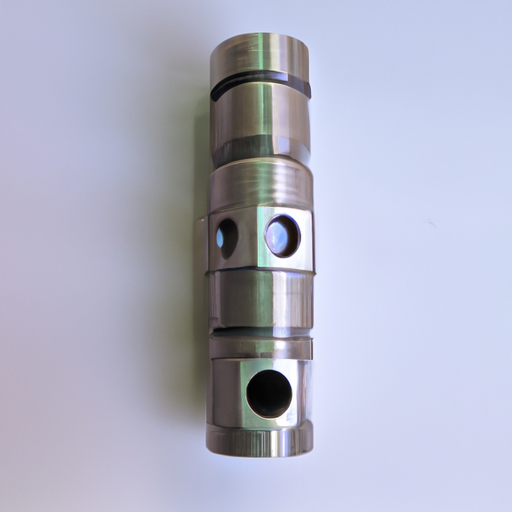 – Résistance et durabilité
Des expressions de transition telles que « en plus de », « de plus » et « de plus » peuvent être utilisées pour faciliter la transition entre les différents aspects de la discussion et guider le lecteur tout au long de l’article. En incorporant ces phrases de transition, l’article peut maintenir un flux cohérent d’idées et fournir un aperçu complet des principales caractéristiques et critères de sélection des matériaux de tubage pétrolier.
Puits de pétrole
En conclusion, la résistance et la durabilité des matériaux de tubage pétrolier sont des caractéristiques essentielles qui doivent être soigneusement évaluées lors de la sélection du matériau le plus approprié pour la construction et l’exploitation d’un puits. En prenant en compte des facteurs tels que la résistance, la durabilité, le coût, la disponibilité et la compatibilité avec les conditions de fond, les opérateurs peuvent prendre des décisions éclairées qui garantissent l’intégrité et les performances des puits de pétrole et de gaz. Le choix du bon matériau de tubage est une étape cruciale dans le succès des opérations de forage et de production, et un examen attentif de ces caractéristiques principales est essentiel pour obtenir des résultats optimaux sur le terrain.
Oil Well
In conclusion, the strength and durability of oil casing materials are essential characteristics that must be carefully evaluated when selecting the most suitable material for well construction and operation. By considering factors such as strength, durability, cost, availability, and compatibility with downhole conditions, operators can make informed decisions that ensure the integrity and performance of oil and gas wells. Choosing the right casing material is a critical step in the success of drilling and production operations, and careful consideration of these primary traits is key to achieving optimal results in the field.{:}{:ru}
Основные характеристики, которые следует учитывать при выборе материалов масляного корпуса:
Материалы нефтяных колонн играют решающую роль в нефтегазовой отрасли, поскольку они обеспечивают структурную поддержку и защиту ствола скважины. При выборе подходящего материала обсадной колонны для нефтяной скважины необходимо тщательно учитывать несколько основных характеристик, чтобы обеспечить оптимальную производительность и долговечность.
Одним из ключевых факторов, которые следует учитывать при выборе материалов обсадной колонны, являются механические свойства материала. Обсадная колонна должна выдерживать высокое давление, агрессивные среды и механические нагрузки при бурении и добыче. Поэтому для обеспечения целостности ствола скважины предпочтительны материалы с высокой прочностью на разрыв, пределом текучести и ударопрочностью.
Устойчивость к коррозии является еще одной важной характеристикой, которую необходимо учитывать при выборе материалов нефтяных корпусов. Нефтяные скважины часто подвергаются воздействию агрессивных жидкостей, таких как рассол и сероводород, которые со временем могут привести к разрушению обсадной колонны. Выбор материалов с превосходной коррозионной стойкостью, таких как нержавеющая сталь или коррозионностойкие сплавы, может помочь предотвратить преждевременный выход из строя и продлить срок службы скважины.
Кроме того, термическая стабильность материала обсадной колонны имеет важное значение, особенно в высокотемпературных резервуарах. где корпус подвергается воздействию повышенных температур. Для таких применений предпочтительны материалы, которые могут сохранять свои механические свойства при высоких температурах, не подвергаясь значительной деградации, чтобы обеспечить структурную целостность ствола скважины.
Помимо механических и химических свойств, важными факторами также являются технологичность и свариваемость материала корпуса. Из материала должно быть легко изготовить необходимые размеры корпуса, и он должен обладать хорошей свариваемостью, чтобы обеспечить прочные и надежные соединения между соединениями корпуса.
Экономическая эффективность является еще одним фактором, влияющим на выбор материалов нефтяного корпуса. Хотя высокопроизводительные материалы могут обладать превосходными свойствами, они часто обходятся дороже. Поэтому крайне важно найти баланс между требованиями к производительности и бюджетными ограничениями, чтобы оптимизировать общую экономику строительства скважин. и газовая промышленность. Выбор материалов, которые являются экологически чистыми и могут быть переработаны или повторно использованы после окончания срока эксплуатации скважины, может помочь уменьшить воздействие отрасли на окружающую среду и способствовать внедрению устойчивых методов.
В заключение, выбор правильного материала нефтяной колонны предполагает тщательную оценку различных основных характеристик, в том числе механические свойства, коррозионная стойкость, термическая стабильность, технологичность, свариваемость, экономичность и воздействие на окружающую среду. Учитывая эти факторы в процессе выбора материалов, нефтегазовые компании могут обеспечить надежность, долговечность и устойчивость своих проектов строительства скважин.
– Прочность и долговечность
Материалы нефтяных колонн играют решающую роль в нефтегазовой отрасли, обеспечивая структурную поддержку и защиту скважин во время бурения и добычи. Когда дело доходит до выбора подходящего материала корпуса, необходимо учитывать несколько ключевых факторов для обеспечения оптимальной производительности и долговечности. Среди этих факторов прочность и долговечность выделяются как основные характеристики, которые существенно влияют на выбор материалов корпуса.
Прочность является важнейшей характеристикой материалов нефтяных корпусов, поскольку она определяет их способность противостоять экстремальным давлениям и нагрузкам, возникающим в скважинных средах. Обсадная колонна должна быть достаточно прочной, чтобы выдерживать вес окружающих горных пород и противостоять силам, возникающим во время бурения, заканчивания и добычи. Высокопрочные материалы, такие как углеродистая сталь, легированная сталь и нержавеющая сталь, обычно используются для изготовления масляных корпусов из-за их превосходных механических свойств и способности выдерживать суровые условия эксплуатации.
Долговечность — еще одна важная характеристика, влияющая на выбор масляного корпуса. материалы. Материалы корпуса должны быть способны противостоять коррозии, эрозии и другим формам деградации, которые могут возникнуть с течением времени из-за воздействия агрессивных жидкостей, высоких температур и механического износа. Коррозионностойкие материалы, такие как коррозионностойкие сплавы (CRA) и высоколегированные стали, часто выбираются из-за их превосходной стойкости к химическому воздействию и эрозии, обеспечивая долговременную целостность и надежность корпуса.
В дополнение к прочности и долговечность, другие факторы, такие как стоимость, доступность и совместимость со скважинными условиями, также играют значительную роль при выборе материалов нефтяных корпусов. Экономическая эффективность материала, его доступность на рынке и его совместимость с конкретной скважинной средой являются важными факторами, которые необходимо учитывать для обеспечения общего успеха строительства и эксплуатации скважины.
Переходные фразы, такие как «помимо», «кроме того» и «кроме того», можно использовать для плавного перехода между различными аспектами обсуждения и направления читателя по статье. Включив эти переходные фразы, статья может сохранить связный поток идей и предоставить всесторонний обзор основных характеристик и критериев выбора материалов для нефтяных корпусов.
Нефтяная скважина
В заключение, прочность и долговечность материалов нефтяных корпусов являются важными характеристиками, которые необходимо тщательно оценивать при выборе наиболее подходящего материала для строительства и эксплуатации скважин. Принимая во внимание такие факторы, как прочность, долговечность, стоимость, доступность и совместимость со скважинными условиями, операторы могут принимать обоснованные решения, обеспечивающие целостность и производительность нефтяных и газовых скважин. Выбор правильного материала обсадной колонны является решающим шагом в успехе буровых и эксплуатационных операций, а тщательное рассмотрение этих основных характеристик является ключом к достижению оптимальных результатов на месторождении.{:}{:it}
Caratteristiche principali da considerare quando si selezionano i materiali della cassa dell’olio:
I materiali dell’involucro petrolifero svolgono un ruolo cruciale nell’industria del petrolio e del gas, poiché forniscono supporto strutturale e protezione per il pozzo. Quando si seleziona il materiale giusto per l’involucro di un pozzo petrolifero, è necessario considerare attentamente diverse caratteristiche principali per garantire prestazioni e longevità ottimali.
Uno dei fattori chiave da considerare quando si scelgono i materiali dell’involucro petrolifero sono le proprietà meccaniche del materiale. L’involucro deve essere in grado di resistere a pressioni elevate, ambienti corrosivi e sollecitazioni meccaniche durante le operazioni di perforazione e produzione. Pertanto, per garantire l’integrità del pozzo, sono preferiti materiali con elevata resistenza alla trazione, carico di snervamento e resistenza agli urti.
La resistenza alla corrosione è un altro tratto critico che deve essere preso in considerazione quando si selezionano i materiali del rivestimento dell’olio. I pozzi petroliferi sono spesso esposti a fluidi corrosivi, come acqua salata e idrogeno solforato, che possono degradare l’involucro nel tempo. La scelta di materiali con eccellente resistenza alla corrosione, come acciaio inossidabile o leghe resistenti alla corrosione, può aiutare a prevenire guasti prematuri e prolungare la durata del pozzo.
Inoltre, la stabilità termica del materiale dell’involucro è essenziale, soprattutto nei serbatoi ad alta temperatura dove l’involucro è sottoposto a temperature elevate. Per tali applicazioni, al fine di garantire l’integrità strutturale del pozzo, si preferiscono materiali in grado di mantenere le proprie proprietà meccaniche ad alte temperature senza subire un degrado significativo.
Oltre alle proprietà meccaniche e chimiche, anche la producibilità e la saldabilità del materiale dell’involucro sono considerazioni importanti. Il materiale deve essere facile da fabbricare nelle dimensioni richieste dell’involucro e deve presentare una buona saldabilità per garantire connessioni forti e affidabili tra i giunti dell’involucro.
Il rapporto costo-efficacia è un altro fattore che influenza la scelta dei materiali dell’involucro dell’olio. Sebbene i materiali ad alte prestazioni possano offrire proprietà superiori, spesso hanno un costo più elevato. Pertanto, è essenziale trovare un equilibrio tra requisiti prestazionali e vincoli di budget per ottimizzare l’economia complessiva della costruzione del pozzo.
Inoltre, considerazioni ambientali, come la riciclabilità e la sostenibilità del materiale dell’involucro, stanno diventando sempre più importanti nel settore petrolifero e l’industria del gas. La scelta di materiali rispettosi dell’ambiente e che possono essere riciclati o riutilizzati dopo la vita operativa del pozzo può contribuire a ridurre l’impatto ambientale del settore e promuovere pratiche sostenibili.
In conclusione, la selezione del giusto materiale per l’involucro dell’olio implica un’attenta valutazione di varie caratteristiche primarie, tra cui proprietà meccaniche, resistenza alla corrosione, stabilità termica, producibilità, saldabilità, rapporto costo-efficacia e impatto ambientale. Considerando questi fattori nel processo di selezione dei materiali, le aziende petrolifere e del gas possono garantire l’affidabilità, la longevità e la sostenibilità dei loro progetti di costruzione di pozzi.
– Resistenza e durata
I materiali dell’involucro petrolifero svolgono un ruolo cruciale nell’industria del petrolio e del gas, fornendo supporto strutturale e protezione per i pozzi durante le operazioni di perforazione e produzione. Quando si tratta di selezionare il materiale giusto per la custodia, è necessario considerare diversi fattori chiave per garantire prestazioni e longevità ottimali. Tra questi fattori, resistenza e durata risaltano come caratteristiche primarie che influenzano in modo significativo la scelta dei materiali dell’involucro.
La resistenza è una caratteristica fondamentale dei materiali dell’involucro dell’olio poiché determina la loro capacità di resistere alle pressioni e alle sollecitazioni estreme incontrate negli ambienti di fondo pozzo. L’involucro deve essere sufficientemente robusto da sostenere il peso delle formazioni rocciose circostanti e resistere alle forze esercitate durante le attività di perforazione, completamento e produzione. Materiali ad alta resistenza come acciaio al carbonio, acciaio legato e acciaio inossidabile sono comunemente utilizzati per le applicazioni nei corpi dell’olio grazie alle loro eccellenti proprietà meccaniche e alla capacità di resistere a condizioni operative difficili.
La durabilità è un altro tratto essenziale che influenza la scelta del corpo dell’olio materiali. I materiali dell’involucro devono essere in grado di resistere alla corrosione, all’erosione e ad altre forme di degrado che possono verificarsi nel tempo a causa dell’esposizione a fluidi corrosivi, alte temperature e usura meccanica. I materiali resistenti alla corrosione come le leghe resistenti alla corrosione (CRA) e gli acciai altolegati sono spesso scelti per la loro resistenza superiore agli attacchi chimici e all’erosione, garantendo l’integrità e l’affidabilità a lungo termine dell’involucro.
Oltre alla robustezza e la durabilità, anche altri fattori come il costo, la disponibilità e la compatibilità con le condizioni del fondo pozzo svolgono un ruolo significativo nella selezione dei materiali dell’involucro dell’olio. Il rapporto costo-efficacia del materiale, la sua disponibilità sul mercato e la sua compatibilità con lo specifico ambiente del pozzo sono considerazioni importanti che devono essere prese in considerazione per garantire il successo complessivo della costruzione e del funzionamento del pozzo.
Frasi di transizione come “in aggiunta a”, “inoltre” e “inoltre” possono essere utilizzate per passare agevolmente tra i diversi aspetti della discussione e guidare il lettore attraverso l’articolo. Incorporando queste frasi transitorie, l’articolo può mantenere un flusso coerente di idee e fornire una panoramica completa delle caratteristiche principali e dei criteri di selezione dei materiali per gli involucri petroliferi.
Pozzo petrolifero
In conclusione, la resistenza e la durabilità dei materiali dell’involucro petrolifero sono caratteristiche essenziali che devono essere attentamente valutate nella scelta del materiale più adatto per la costruzione e il funzionamento del pozzo. Considerando fattori quali resistenza, durata, costi, disponibilità e compatibilità con le condizioni del pozzo, gli operatori possono prendere decisioni informate che garantiscono l’integrità e le prestazioni dei pozzi di petrolio e gas. La scelta del materiale giusto per l’involucro è un passaggio fondamentale per il successo delle operazioni di perforazione e produzione e un’attenta considerazione di queste caratteristiche primarie è fondamentale per ottenere risultati ottimali sul campo.{:}{:pl}
Podstawowe cechy, które należy wziąć pod uwagę przy wyborze materiałów osłonki olejowej:
Materiały osłonowe odgrywają kluczową rolę w przemyśle naftowym i gazowym, ponieważ zapewniają wsparcie konstrukcyjne i ochronę odwiertu. Wybierając odpowiedni materiał na obudowę odwiertu naftowego, należy dokładnie rozważyć kilka podstawowych cech, aby zapewnić optymalną wydajność i trwałość.
Jednym z kluczowych czynników, które należy wziąć pod uwagę przy wyborze materiałów na obudowę ropy naftowej, są właściwości mechaniczne materiału. Obudowa musi być w stanie wytrzymać wysokie ciśnienia, środowiska korozyjne i naprężenia mechaniczne podczas wiercenia i operacji produkcyjnych. Dlatego też, aby zapewnić integralność odwiertu, preferowane są materiały o wysokiej wytrzymałości na rozciąganie, granicy plastyczności i udarności.
Odporność na korozję to kolejna krytyczna cecha, którą należy wziąć pod uwagę przy wyborze materiałów na osłonę oleju. Szyby naftowe są często narażone na działanie płynów korozyjnych, takich jak woda solankowa i siarkowodór, które z czasem mogą powodować degradację obudowy. Wybór materiałów o doskonałej odporności na korozję, takich jak stal nierdzewna lub stopy odporne na korozję, może pomóc zapobiec przedwczesnym awariom i wydłużyć żywotność odwiertu.
Ponadto stabilność termiczna materiału obudowy jest niezbędna, zwłaszcza w zbiornikach o wysokiej temperaturze gdzie obudowa jest narażona na działanie podwyższonych temperatur. W takich zastosowaniach preferowane są materiały, które mogą zachować swoje właściwości mechaniczne w wysokich temperaturach bez ulegania znacznej degradacji, aby zapewnić integralność strukturalną odwiertu.
Oprócz właściwości mechanicznych i chemicznych, ważnymi czynnikami są również możliwości produkcyjne i spawalność materiału osłony. Materiał powinien być łatwy do przetworzenia w wymagane wymiary obudowy i powinien wykazywać dobrą spawalność, aby zapewnić mocne i niezawodne połączenia pomiędzy złączami obudowy.
Opłacalność to kolejny czynnik wpływający na wybór materiałów na osłonę olejową. Chociaż materiały o wysokiej wydajności mogą oferować doskonałe właściwości, często wiążą się z wyższymi kosztami. Dlatego istotne jest znalezienie równowagi pomiędzy wymaganiami dotyczącymi wydajności a ograniczeniami budżetowymi, aby zoptymalizować ogólną ekonomikę budowy odwiertu.
Ponadto względy środowiskowe, takie jak możliwość recyklingu i zrównoważony rozwój materiału obudowy, stają się coraz ważniejsze w przypadku ropy naftowej i gazownictwa. Wybór materiałów przyjaznych dla środowiska, które można poddać recyklingowi lub ponownie wykorzystać po zakończeniu eksploatacji odwiertu, może pomóc w zmniejszeniu śladu środowiskowego branży i promowaniu zrównoważonych praktyk.
Podsumowując, wybór odpowiedniego materiału na osłonę ropy naftowej wymaga dokładnej oceny różnych podstawowych cech, w tym właściwości mechaniczne, odporność na korozję, stabilność termiczna, zdolność produkcyjna, spawalność, opłacalność i wpływ na środowisko. Uwzględniając te czynniki w procesie wyboru materiałów, firmy naftowe i gazowe mogą zapewnić niezawodność, trwałość i trwałość swoich projektów budowy odwiertów.
– Siła i trwałość
Materiały osłonowe odgrywają kluczową rolę w przemyśle naftowym i gazowym, zapewniając wsparcie konstrukcyjne i ochronę odwiertów podczas wierceń i operacji produkcyjnych. Wybierając odpowiedni materiał obudowy, należy wziąć pod uwagę kilka kluczowych czynników, aby zapewnić optymalną wydajność i trwałość. Wśród tych czynników, wytrzymałość i trwałość wyróżniają się jako podstawowe cechy, które znacząco wpływają na wybór materiałów osłonowych.
Wytrzymałość jest krytyczną cechą materiałów osłonowych do ropy naftowej, ponieważ określa ich zdolność do wytrzymywania ekstremalnych ciśnień i naprężeń występujących w środowiskach odwiertowych. Obudowa musi być wystarczająco mocna, aby utrzymać ciężar otaczających formacji skalnych i wytrzymać siły wywierane podczas wiercenia, wykończenia i działań produkcyjnych. Materiały o wysokiej wytrzymałości, takie jak stal węglowa, stal stopowa i stal nierdzewna, są powszechnie stosowane w osłonach olejowych ze względu na ich doskonałe właściwości mechaniczne i odporność na trudne warunki pracy.
Trwałość to kolejna istotna cecha wpływająca na wybór osłony olejowej materiały. Materiały osłonowe muszą być odporne na korozję, erozję i inne formy degradacji, które mogą wystąpić z czasem w wyniku narażenia na płyny korozyjne, wysokie temperatury i zużycie mechaniczne. Materiały odporne na korozję, takie jak stopy odporne na korozję (CRA) i stale wysokostopowe, są często wybierane ze względu na ich doskonałą odporność na ataki chemiczne i erozję, zapewniając długoterminową integralność i niezawodność obudowy.
Oprócz wytrzymałości i trwałość, inne czynniki, takie jak koszt, dostępność i zgodność z warunkami odwiertu również odgrywają znaczącą rolę w wyborze materiałów osłony olejowej. Opłacalność materiału, jego dostępność na rynku i zgodność z konkretnym środowiskiem odwiertu to ważne czynniki, które należy wziąć pod uwagę, aby zapewnić ogólny sukces budowy i eksploatacji odwiertu.
Wyrażenia przejściowe, takie jak „oprócz”, „ponadto” i „ponadto”, można zastosować, aby płynnie przechodzić między różnymi aspektami dyskusji i prowadzić czytelnika przez artykuł. Włączając te wyrażenia przejściowe, artykuł może zachować spójny przepływ pomysłów i zapewnić kompleksowy przegląd podstawowych cech i kryteriów wyboru materiałów osłonek olejowych.
Stud naftowy
Podsumowując, wytrzymałość i trwałość materiałów osłony ropy naftowej to podstawowe cechy, które należy dokładnie ocenić przy wyborze najbardziej odpowiedniego materiału do budowy i eksploatacji odwiertu. Biorąc pod uwagę takie czynniki, jak wytrzymałość, trwałość, koszt, dostępność i zgodność z warunkami w odwiercie, operatorzy mogą podejmować świadome decyzje, które zapewnią integralność i wydajność odwiertów naftowych i gazowych. Wybór odpowiedniego materiału osłonowego jest kluczowym krokiem w powodzeniu operacji wiertniczych i produkcyjnych, a dokładne rozważenie tych podstawowych cech jest kluczem do osiągnięcia optymalnych wyników w terenie.{:}{:hi}
तेल आवरण सामग्री का चयन करते समय विचार करने योग्य प्राथमिक लक्षण:
तेल आवरण सामग्री तेल और गैस उद्योग में एक महत्वपूर्ण भूमिका निभाती है, क्योंकि वे वेलबोर के लिए संरचनात्मक समर्थन और सुरक्षा प्रदान करती हैं। किसी तेल कुएं के लिए सही आवरण सामग्री का चयन करते समय, इष्टतम प्रदर्शन और दीर्घायु सुनिश्चित करने के लिए कई प्राथमिक लक्षणों पर सावधानीपूर्वक विचार किया जाना चाहिए। तेल आवरण सामग्री चुनते समय विचार करने वाले प्रमुख कारकों में से एक सामग्री के यांत्रिक गुण हैं। ड्रिलिंग और उत्पादन कार्यों के दौरान आवरण को उच्च दबाव, संक्षारक वातावरण और यांत्रिक तनाव का सामना करने में सक्षम होना चाहिए। इसलिए, वेलबोर की अखंडता सुनिश्चित करने के लिए उच्च तन्यता ताकत, उपज शक्ति और प्रभाव प्रतिरोध वाली सामग्रियों को प्राथमिकता दी जाती है। संक्षारण प्रतिरोध एक और महत्वपूर्ण गुण है जिसे तेल आवरण सामग्री का चयन करते समय ध्यान में रखा जाना चाहिए। तेल के कुएं अक्सर नमकीन पानी और हाइड्रोजन सल्फाइड जैसे संक्षारक तरल पदार्थों के संपर्क में आते हैं, जो समय के साथ आवरण को ख़राब कर सकते हैं। उत्कृष्ट संक्षारण प्रतिरोध वाली सामग्री का चयन, जैसे कि स्टेनलेस स्टील या संक्षारण प्रतिरोधी मिश्र धातु, समय से पहले विफलता को रोकने और कुएं के जीवनकाल को बढ़ाने में मदद कर सकता है। इसके अलावा, आवरण सामग्री की थर्मल स्थिरता आवश्यक है, खासकर उच्च तापमान वाले जलाशयों में जहां आवरण ऊंचे तापमान के अधीन है। वेलबोर की संरचनात्मक अखंडता सुनिश्चित करने के लिए ऐसे अनुप्रयोगों के लिए ऐसी सामग्रियों को प्राथमिकता दी जाती है जो उच्च तापमान पर बिना किसी महत्वपूर्ण गिरावट के अपने यांत्रिक गुणों को बनाए रख सकती हैं।
यांत्रिक और रासायनिक गुणों के अलावा, आवरण सामग्री की विनिर्माण क्षमता और वेल्डेबिलिटी भी महत्वपूर्ण विचार हैं। सामग्री को आवश्यक आवरण आयामों में बनाना आसान होना चाहिए और आवरण जोड़ों के बीच मजबूत और विश्वसनीय कनेक्शन सुनिश्चित करने के लिए अच्छी वेल्डेबिलिटी प्रदर्शित करनी चाहिए। लागत-प्रभावशीलता एक अन्य कारक है जो तेल आवरण सामग्री के चयन को प्रभावित करती है। जबकि उच्च-प्रदर्शन सामग्री बेहतर गुण प्रदान कर सकती है, वे अक्सर उच्च लागत पर आती हैं। इसलिए, कुएं के निर्माण की समग्र अर्थव्यवस्था को अनुकूलित करने के लिए प्रदर्शन आवश्यकताओं और बजट बाधाओं के बीच संतुलन बनाना आवश्यक है। इसके अलावा, पर्यावरणीय विचार, जैसे आवरण सामग्री की पुनर्चक्रण और स्थिरता, तेल में तेजी से महत्वपूर्ण होते जा रहे हैं। और गैस उद्योग. ऐसी सामग्रियों का चयन करना जो पर्यावरण के अनुकूल हैं और जिन्हें कुएं के परिचालन जीवन के बाद पुनर्नवीनीकरण या पुन: उपयोग किया जा सकता है, उद्योग के पर्यावरणीय पदचिह्न को कम करने और टिकाऊ प्रथाओं को बढ़ावा देने में मदद कर सकता है।
अंत में, सही तेल आवरण सामग्री का चयन करने में विभिन्न प्राथमिक लक्षणों का सावधानीपूर्वक मूल्यांकन शामिल है। यांत्रिक गुण, संक्षारण प्रतिरोध, थर्मल स्थिरता, विनिर्माण क्षमता, वेल्डेबिलिटी, लागत-प्रभावशीलता और पर्यावरणीय प्रभाव। सामग्री चयन प्रक्रिया में इन कारकों पर विचार करके, तेल और गैस कंपनियां अपने कुएं निर्माण परियोजनाओं की विश्वसनीयता, दीर्घायु और स्थिरता सुनिश्चित कर सकती हैं।
– ताकत और स्थायित्व
तेल आवरण सामग्री तेल और गैस उद्योग में एक महत्वपूर्ण भूमिका निभाती है, जो ड्रिलिंग और उत्पादन कार्यों के दौरान कुओं के लिए संरचनात्मक समर्थन और सुरक्षा प्रदान करती है। जब सही आवरण सामग्री का चयन करने की बात आती है, तो इष्टतम प्रदर्शन और दीर्घायु सुनिश्चित करने के लिए कई प्रमुख कारकों पर विचार किया जाना चाहिए। इन कारकों में, ताकत और स्थायित्व प्राथमिक लक्षण के रूप में सामने आते हैं जो आवरण सामग्री की पसंद को महत्वपूर्ण रूप से प्रभावित करते हैं।
ताकत तेल आवरण सामग्री की एक महत्वपूर्ण विशेषता है क्योंकि यह डाउनहोल वातावरण में आने वाले अत्यधिक दबाव और तनाव को झेलने की उनकी क्षमता निर्धारित करती है। आवरण इतना मजबूत होना चाहिए कि वह आसपास की चट्टान संरचनाओं के वजन का समर्थन कर सके और ड्रिलिंग, समापन और उत्पादन गतिविधियों के दौरान लगाए गए बलों का विरोध कर सके। कार्बन स्टील, मिश्र धातु इस्पात और स्टेनलेस स्टील जैसी उच्च शक्ति वाली सामग्री का उपयोग आमतौर पर उनके उत्कृष्ट यांत्रिक गुणों और कठोर परिचालन स्थितियों का सामना करने की क्षमता के कारण तेल आवरण अनुप्रयोगों के लिए किया जाता है। स्थायित्व एक और आवश्यक गुण है जो तेल आवरण के चयन को प्रभावित करता है। सामग्री. आवरण सामग्री को संक्षारण, क्षरण और अन्य प्रकार के क्षरण का सामना करने में सक्षम होना चाहिए जो संक्षारक तरल पदार्थ, उच्च तापमान और यांत्रिक पहनने के कारण समय के साथ हो सकता है। संक्षारण प्रतिरोधी सामग्री जैसे संक्षारण प्रतिरोधी मिश्र धातु (सीआरए) और उच्च-मिश्र धातु स्टील्स को अक्सर रासायनिक हमले और क्षरण के लिए उनके बेहतर प्रतिरोध के लिए चुना जाता है, जिससे आवरण की दीर्घकालिक अखंडता और विश्वसनीयता सुनिश्चित होती है। स्थायित्व, लागत, उपलब्धता और डाउनहोल स्थितियों के साथ अनुकूलता जैसे अन्य कारक भी तेल आवरण सामग्री के चयन में महत्वपूर्ण भूमिका निभाते हैं। सामग्री की लागत-प्रभावशीलता, बाजार में इसकी उपलब्धता, और विशिष्ट डाउनहोल वातावरण के साथ इसकी अनुकूलता महत्वपूर्ण विचार हैं जिन्हें कुएं के निर्माण और संचालन की समग्र सफलता सुनिश्चित करने के लिए ध्यान में रखा जाना चाहिए।
संक्रमणकालीन वाक्यांश जैसे “इसके अलावा,” “इसके अलावा,” और “इसके अलावा” का उपयोग चर्चा के विभिन्न पहलुओं के बीच सुचारू रूप से परिवर्तन करने और लेख के माध्यम से पाठक का मार्गदर्शन करने के लिए किया जा सकता है। इन संक्रमणकालीन वाक्यांशों को शामिल करके, लेख विचारों के सुसंगत प्रवाह को बनाए रख सकता है और तेल आवरण सामग्री के लिए प्राथमिक लक्षणों और चयन मानदंडों का व्यापक अवलोकन प्रदान कर सकता है।
तेल कुआँ
निष्कर्ष में, तेल आवरण सामग्री की ताकत और स्थायित्व आवश्यक विशेषताएं हैं जिनका अच्छी तरह से निर्माण और संचालन के लिए सबसे उपयुक्त सामग्री का चयन करते समय सावधानीपूर्वक मूल्यांकन किया जाना चाहिए। ताकत, स्थायित्व, लागत, उपलब्धता और डाउनहोल स्थितियों के साथ अनुकूलता जैसे कारकों पर विचार करके, ऑपरेटर सूचित निर्णय ले सकते हैं जो तेल और गैस कुओं की अखंडता और प्रदर्शन सुनिश्चित करते हैं। सही आवरण सामग्री का चयन ड्रिलिंग और उत्पादन कार्यों की सफलता में एक महत्वपूर्ण कदम है, और इन प्राथमिक लक्षणों पर सावधानीपूर्वक विचार करना क्षेत्र में इष्टतम परिणाम प्राप्त करने की कुंजी है।{:}{:th}
วัสดุปลอกหุ้มน้ำมันมีบทบาทสำคัญในอุตสาหกรรมน้ำมันและก๊าซ เนื่องจากวัสดุเหล่านี้ให้การสนับสนุนทางโครงสร้างและการปกป้องหลุมเจาะ เมื่อเลือกวัสดุปลอกหุ้มที่เหมาะสมสำหรับบ่อน้ำมัน จะต้องพิจารณาคุณสมบัติหลักหลายประการอย่างรอบคอบเพื่อให้มั่นใจถึงประสิทธิภาพสูงสุดและอายุการใช้งานที่ยาวนาน
ปัจจัยสำคัญประการหนึ่งที่ควรพิจารณาเมื่อเลือกวัสดุปลอกหุ้มน้ำมันคือคุณสมบัติทางกลของวัสดุ เคสต้องสามารถทนต่อแรงดันสูง สภาพแวดล้อมที่มีฤทธิ์กัดกร่อน และความเค้นทางกลระหว่างการขุดเจาะและการผลิต ดังนั้น จึงควรใช้วัสดุที่มีความต้านทานแรงดึงสูง กำลังครากของผลผลิต และทนต่อแรงกระแทก เพื่อให้มั่นใจในความสมบูรณ์ของหลุมเจาะ
ความต้านทานการกัดกร่อนเป็นคุณลักษณะที่สำคัญอีกประการหนึ่งที่ต้องนำมาพิจารณาเมื่อเลือกวัสดุท่อส่งน้ำมัน บ่อน้ำมันมักจะสัมผัสกับของเหลวที่มีฤทธิ์กัดกร่อน เช่น น้ำเกลือและไฮโดรเจนซัลไฟด์ ซึ่งสามารถเสื่อมสภาพของท่อเมื่อเวลาผ่านไป การเลือกวัสดุที่มีความต้านทานการกัดกร่อนที่ดีเยี่ยม เช่น สแตนเลสหรือโลหะผสมที่ทนต่อการกัดกร่อน สามารถช่วยป้องกันความเสียหายก่อนเวลาอันควรและยืดอายุการใช้งานของบ่อน้ำ
ยิ่งไปกว่านั้น ความคงตัวทางความร้อนของวัสดุท่อถือเป็นสิ่งสำคัญ โดยเฉพาะอย่างยิ่งในอ่างเก็บน้ำที่มีอุณหภูมิสูง โดยที่ปลอกหุ้มอยู่ภายใต้อุณหภูมิสูง วัสดุที่สามารถรักษาคุณสมบัติทางกลไว้ที่อุณหภูมิสูงโดยไม่ผ่านการย่อยสลายอย่างมีนัยสำคัญเป็นที่ต้องการสำหรับการใช้งานดังกล่าวเพื่อให้มั่นใจในความสมบูรณ์ของโครงสร้างของหลุมเจาะ
นอกเหนือจากคุณสมบัติทางกลและทางเคมีแล้ว ความสามารถในการผลิตและความสามารถในการเชื่อมของวัสดุปลอกหุ้มก็เป็นสิ่งสำคัญเช่นกัน วัสดุควรประกอบได้ง่ายตามขนาดปลอกที่ต้องการ และควรมีความสามารถในการเชื่อมที่ดี เพื่อให้แน่ใจว่าการเชื่อมต่อระหว่างข้อต่อของปลอกหุ้มจะแข็งแกร่งและเชื่อถือได้
ความคุ้มค่าเป็นอีกปัจจัยหนึ่งที่มีอิทธิพลต่อการเลือกวัสดุปลอกหุ้มน้ำมัน แม้ว่าวัสดุที่มีประสิทธิภาพสูงอาจมีคุณสมบัติที่เหนือกว่า แต่ก็มักจะมีต้นทุนที่สูงกว่า ดังนั้นจึงจำเป็นอย่างยิ่งที่จะต้องสร้างสมดุลระหว่างข้อกำหนดด้านประสิทธิภาพและข้อจำกัดด้านงบประมาณ เพื่อเพิ่มประสิทธิภาพทางเศรษฐกิจโดยรวมของการก่อสร้างบ่อน้ำ
ยิ่งไปกว่านั้น ข้อพิจารณาด้านสิ่งแวดล้อม เช่น การรีไซเคิลได้และความยั่งยืนของวัสดุปลอกหุ้ม กำลังมีความสำคัญมากขึ้นในน้ำมัน และอุตสาหกรรมก๊าซ การเลือกวัสดุที่เป็นมิตรต่อสิ่งแวดล้อมและสามารถรีไซเคิลหรือนำกลับมาใช้ใหม่ได้หลังจากอายุการใช้งานของบ่อน้ำมันสามารถช่วยลดผลกระทบต่อสิ่งแวดล้อมของอุตสาหกรรมและส่งเสริมแนวทางปฏิบัติที่ยั่งยืน
โดยสรุป การเลือกวัสดุท่อส่งน้ำมันที่เหมาะสมเกี่ยวข้องกับการประเมินคุณลักษณะหลักต่างๆ อย่างรอบคอบ ซึ่งรวมถึง สมบัติทางกล ความต้านทานการกัดกร่อน ความคงตัวทางความร้อน ความสามารถในการผลิต ความสามารถในการเชื่อม ความคุ้มค่า และผลกระทบต่อสิ่งแวดล้อม เมื่อพิจารณาปัจจัยเหล่านี้ในกระบวนการคัดเลือกวัสดุ บริษัทน้ำมันและก๊าซสามารถรับประกันความน่าเชื่อถือ อายุการใช้งานยาวนาน และความยั่งยืนของโครงการก่อสร้างบ่อน้ำของตน
– ความแข็งแกร่งและความทนทาน
วัสดุปลอกหุ้มน้ำมันมีบทบาทสำคัญในอุตสาหกรรมน้ำมันและก๊าซ โดยให้การสนับสนุนด้านโครงสร้างและการปกป้องหลุมในระหว่างการขุดเจาะและการผลิต เมื่อเป็นเรื่องของการเลือกวัสดุปลอกหุ้มที่เหมาะสม จะต้องพิจารณาปัจจัยสำคัญหลายประการเพื่อให้มั่นใจถึงประสิทธิภาพสูงสุดและอายุการใช้งานที่ยาวนาน ในบรรดาปัจจัยเหล่านี้ ความแข็งแรงและความทนทานมีความโดดเด่นในฐานะคุณสมบัติหลักที่มีอิทธิพลอย่างมากต่อการเลือกวัสดุปลอกหุ้ม
ความแข็งแกร่งเป็นคุณลักษณะที่สำคัญของวัสดุปลอกหุ้มน้ำมัน เนื่องจากเป็นตัวกำหนดความสามารถในการทนต่อแรงกดดันและความเค้นสุดขีดที่พบในสภาพแวดล้อมใต้หลุมเจาะ เคสต้องแข็งแรงพอที่จะรองรับน้ำหนักของชั้นหินที่อยู่รอบๆ และต้านทานแรงที่กระทำระหว่างการขุดเจาะ การสร้างเสร็จ และการผลิต วัสดุที่มีความแข็งแรงสูง เช่น เหล็กกล้าคาร์บอน โลหะผสมเหล็ก และสแตนเลส มักใช้สำหรับการใช้งานท่อน้ำมัน เนื่องจากมีสมบัติทางกลที่ดีเยี่ยมและความสามารถในการทนต่อสภาวะการทำงานที่รุนแรง
ความทนทานเป็นคุณลักษณะที่สำคัญอีกประการหนึ่งที่มีอิทธิพลต่อการเลือกท่อน้ำมัน วัสดุ. วัสดุปลอกหุ้มต้องสามารถทนต่อการกัดกร่อน การกัดเซาะ และการเสื่อมสภาพในรูปแบบอื่นๆ ที่อาจเกิดขึ้นเมื่อเวลาผ่านไปเนื่องจากการสัมผัสกับของเหลวที่มีฤทธิ์กัดกร่อน อุณหภูมิสูง และการสึกหรอทางกล วัสดุที่ทนต่อการกัดกร่อน เช่น โลหะผสมที่ทนต่อการกัดกร่อน (CRA) และเหล็กกล้าโลหะผสมสูง มักถูกเลือกใช้เนื่องจากมีความทนทานต่อการโจมตีทางเคมีและการกัดเซาะที่เหนือกว่า ทำให้มั่นใจในความสมบูรณ์และความน่าเชื่อถือของปลอกในระยะยาว
นอกเหนือจากความแข็งแกร่งและ ความทนทาน ปัจจัยอื่นๆ เช่น ต้นทุน ความพร้อมใช้งาน และความเข้ากันได้กับสภาวะในหลุมเจาะ ยังมีบทบาทสำคัญในการเลือกวัสดุท่อน้ำมัน ความคุ้มค่าของวัสดุ ความพร้อมใช้งานในตลาด และความเข้ากันได้กับสภาพแวดล้อมในหลุมเจาะที่เฉพาะเจาะจง ถือเป็นข้อพิจารณาที่สำคัญที่ต้องนำมาพิจารณาเพื่อให้แน่ใจว่าการก่อสร้างและการปฏิบัติงานโดยรวมของหลุมจะประสบความสำเร็จ
บ่อน้ำมัน
โดยสรุป ความแข็งแรงและความทนทานของวัสดุท่อน้ำมันเป็นคุณลักษณะสำคัญที่ต้องได้รับการประเมินอย่างรอบคอบเมื่อเลือกวัสดุที่เหมาะสมที่สุดสำหรับการก่อสร้างและการใช้งานหลุม เมื่อพิจารณาปัจจัยต่างๆ เช่น ความแข็งแกร่ง ความทนทาน ต้นทุน ความพร้อมใช้งาน และความเข้ากันได้กับสภาพหลุมเจาะ ผู้ปฏิบัติงานสามารถตัดสินใจโดยใช้ข้อมูลรอบด้านเพื่อรับประกันความสมบูรณ์และประสิทธิภาพของบ่อน้ำมันและก๊าซ การเลือกวัสดุปลอกหุ้มที่เหมาะสมเป็นขั้นตอนสำคัญในความสำเร็จของการขุดเจาะและการผลิต และการพิจารณาคุณลักษณะหลักเหล่านี้อย่างรอบคอบเป็นกุญแจสำคัญในการบรรลุผลลัพธ์ที่ดีที่สุดในภาคสนาม
Oil Well
In conclusion, the strength and durability of oil casing materials are essential characteristics that must be carefully evaluated when selecting the most suitable material for well construction and operation. By considering factors such as strength, durability, cost, availability, and compatibility with downhole conditions, operators can make informed decisions that ensure the integrity and performance of oil and gas wells. Choosing the right casing material is a critical step in the success of drilling and production operations, and careful consideration of these primary traits is key to achieving optimal results in the field.{:}{:ko}
오일 케이싱 재질 선택 시 고려해야 할 주요 특성:
오일 케이싱 재료는 유정에 대한 구조적 지지 및 보호 기능을 제공하므로 석유 및 가스 산업에서 중요한 역할을 합니다. 유정에 적합한 케이싱 재료를 선택할 때 최적의 성능과 수명을 보장하기 위해 몇 가지 주요 특성을 신중하게 고려해야 합니다.
유정 케이싱 재료를 선택할 때 고려해야 할 주요 요소 중 하나는 재료의 기계적 특성입니다. 케이싱은 드릴링 및 생산 작업 중 높은 압력, 부식성 환경, 기계적 응력을 견딜 수 있어야 합니다. 따라서 유정의 무결성을 보장하려면 인장 강도, 항복 강도 및 충격 저항이 높은 재료가 선호됩니다.
부식성은 오일 케이싱 재료를 선택할 때 고려해야 하는 또 다른 중요한 특성입니다. 유정은 종종 염수나 황화수소와 같은 부식성 유체에 노출되어 시간이 지남에 따라 케이싱의 품질이 저하될 수 있습니다. 스테인레스 스틸 또는 내식성 합금과 같이 내식성이 뛰어난 재료를 선택하면 조기 파손을 방지하고 유정의 수명을 연장할 수 있습니다.
또한 케이싱 재료의 열 안정성은 특히 고온 저장소에서 필수적입니다. 케이싱이 높은 온도에 노출되는 곳. 심각한 성능 저하 없이 고온에서 기계적 특성을 유지할 수 있는 재료는 유정의 구조적 완전성을 보장하는 응용 분야에 선호됩니다.
기계적, 화학적 특성 외에도 케이싱 재료의 제조성과 용접성도 중요한 고려 사항입니다. 재료는 필요한 케이싱 치수로 쉽게 제작할 수 있어야 하며 케이싱 접합부 사이의 강력하고 안정적인 연결을 보장하기 위해 우수한 용접성을 나타내야 합니다.
비용 효율성은 오일 케이싱 재료 선택에 영향을 미치는 또 다른 요소입니다. 고성능 소재는 우수한 특성을 제공할 수 있지만 종종 더 높은 비용이 듭니다. 따라서 유정 건설의 전반적인 경제성을 최적화하려면 성능 요구 사항과 예산 제약 사이의 균형을 유지하는 것이 필수적입니다.
또한 케이싱 재료의 재활용 가능성 및 지속 가능성과 같은 환경 고려 사항이 석유 산업에서 점점 더 중요해지고 있습니다. 그리고 가스 산업. 환경 친화적이고 유정 운영 수명이 끝난 후 재활용 또는 재사용할 수 있는 재료를 선택하면 업계의 환경 발자국을 줄이고 지속 가능한 관행을 촉진하는 데 도움이 될 수 있습니다.
결론적으로, 올바른 오일 케이싱 재료를 선택하려면 다음을 포함한 다양한 주요 특성을 신중하게 평가해야 합니다. 기계적 성질, 내식성, 열 안정성, 제조성, 용접성, 비용 효율성 및 환경 영향. 자재 선택 과정에서 이러한 요소를 고려함으로써 석유 및 가스 회사는 유정 건설 프로젝트의 신뢰성, 수명 및 지속 가능성을 보장할 수 있습니다.
– 강도와 내구성
오일 케이싱 재료는 석유 및 가스 산업에서 시추 및 생산 작업 중에 유정을 구조적으로 지지하고 보호하는 데 중요한 역할을 합니다. 올바른 케이스 재료를 선택할 때 최적의 성능과 수명을 보장하려면 몇 가지 주요 요소를 고려해야 합니다. 이러한 요소 중에서 강도와 내구성은 케이싱 재료 선택에 큰 영향을 미치는 주요 특성으로 두드러집니다.
강도는 다운홀 환경에서 직면하는 극심한 압력과 응력을 견딜 수 있는 능력을 결정하므로 오일 케이싱 재료의 중요한 특성입니다. 케이싱은 주변 암석층의 무게를 지탱하고 드릴링, 완성 및 생산 활동 중에 가해지는 힘을 견딜 수 있을 만큼 충분히 강해야 합니다. 탄소강, 합금강, 스테인레스강과 같은 고강도 소재는 우수한 기계적 특성과 혹독한 작동 조건을 견딜 수 있는 능력으로 인해 오일 케이싱 용도에 일반적으로 사용됩니다.
내구성은 오일 케이싱 선택에 영향을 미치는 또 다른 필수 특성입니다. 재료. 케이싱 재료는 부식성 유체 노출, 고온 및 기계적 마모로 인해 시간이 지남에 따라 발생할 수 있는 부식, 침식 및 기타 형태의 저하를 견딜 수 있어야 합니다. 내식성 합금(CRA) 및 고합금강과 같은 내식성 재료는 화학적 공격 및 침식에 대한 탁월한 저항성을 위해 선택되는 경우가 많으며, 케이스의 장기적인 무결성과 신뢰성을 보장합니다.
강도 및 내구성, 비용, 가용성 및 다운홀 조건과의 호환성과 같은 기타 요소도 오일 케이싱 재료 선택에 중요한 역할을 합니다. 재료의 비용 효율성, 시장에서의 가용성 및 특정 다운홀 환경과의 호환성은 유정 건설 및 운영의 전반적인 성공을 보장하기 위해 반드시 고려해야 하는 중요한 고려 사항입니다.
“추가로”, “더 나아가”, “더욱”과 같은 전환 문구를 사용하면 토론의 다양한 측면을 원활하게 전환하고 독자가 기사 전체를 안내할 수 있습니다. 이러한 전환 문구를 통합함으로써 기사는 일관된 아이디어 흐름을 유지하고 오일 케이싱 재료의 주요 특성 및 선택 기준에 대한 포괄적인 개요를 제공할 수 있습니다.
유정
결론적으로 오일 케이싱 재료의 강도와 내구성은 유정 건설 및 운영에 가장 적합한 재료를 선택할 때 신중하게 평가해야 하는 필수 특성입니다. 강도, 내구성, 비용, 가용성, 시추공 조건과의 호환성 등의 요소를 고려하여 운영자는 석유 및 가스정의 무결성과 성능을 보장하는 정보에 입각한 결정을 내릴 수 있습니다. 올바른 케이싱 재료를 선택하는 것은 시추 및 생산 작업의 성공에 중요한 단계이며, 이러한 주요 특성을 신중하게 고려하는 것이 현장에서 최적의 결과를 얻는 데 중요합니다.{:}{:sv}
Primära egenskaper att tänka på när man väljer material för oljehölje:
Oljehöljesmaterial spelar en avgörande roll i olje- och gasindustrin, eftersom de ger strukturellt stöd och skydd för borrhålet. När man väljer rätt höljematerial för en oljekälla måste flera primära egenskaper övervägas noggrant för att säkerställa optimal prestanda och livslängd.
En av nyckelfaktorerna att tänka på när man väljer oljehöljesmaterial är materialets mekaniska egenskaper. Höljet måste kunna motstå höga tryck, korrosiva miljöer och mekaniska påfrestningar under borrning och tillverkning. Därför är material med hög draghållfasthet, sträckgräns och slaghållfasthet att föredra för att säkerställa borrhålets integritet.
Korrosionsbeständighet är en annan kritisk egenskap som måste beaktas vid val av oljehöljesmaterial. Oljekällor utsätts ofta för frätande vätskor, såsom saltlösningsvatten och svavelväte, som kan bryta ned höljet med tiden. Att välja material med utmärkt korrosionsbeständighet, såsom rostfritt stål eller korrosionsbeständiga legeringar, kan bidra till att förhindra för tidigt haveri och förlänga brunnens livslängd.
Dessutom är den termiska stabiliteten hos höljesmaterialet väsentlig, särskilt i högtemperaturreservoarer där höljet utsätts för förhöjda temperaturer. Material som kan bibehålla sina mekaniska egenskaper vid höga temperaturer utan att genomgå betydande nedbrytning föredras för sådana applikationer för att säkerställa borrhålets strukturella integritet.
Förutom mekaniska och kemiska egenskaper är även tillverkningsbarheten och svetsbarheten hos höljesmaterialet viktiga överväganden. Materialet bör vara lätt att tillverka till de erforderliga höljesdimensionerna och bör uppvisa god svetsbarhet för att säkerställa starka och pålitliga kopplingar mellan höljesfogar.
Kostnadseffektivitet är en annan faktor som påverkar valet av oljehöljesmaterial. Även om högpresterande material kan erbjuda överlägsna egenskaper, kommer de ofta till en högre kostnad. Därför är det viktigt att hitta en balans mellan prestandakrav och budgetrestriktioner för att optimera den övergripande ekonomin för brunnskonstruktionen.
Dessutom blir miljöhänsyn, såsom återvinningsbarhet och hållbarhet hos höljesmaterialet, allt viktigare i oljan. och gasindustrin. Att välja material som är miljövänliga och som kan återvinnas eller återanvändas efter brunnens operativa liv kan bidra till att minska industrins miljöavtryck och främja hållbara metoder.
Sammanfattningsvis innebär valet av rätt oljehöljematerial en noggrann utvärdering av olika primära egenskaper, inklusive mekaniska egenskaper, korrosionsbeständighet, termisk stabilitet, tillverkningsbarhet, svetsbarhet, kostnadseffektivitet och miljöpåverkan. Genom att överväga dessa faktorer i materialvalsprocessen kan olje- och gasbolag säkerställa tillförlitligheten, livslängden och hållbarheten för sina brunnskonstruktionsprojekt.
– Styrka och hållbarhet
Oljehöljesmaterial spelar en avgörande roll i olje- och gasindustrin, och ger strukturellt stöd och skydd för brunnar under borrning och produktionsverksamhet. När det gäller att välja rätt höljesmaterial måste flera nyckelfaktorer beaktas för att säkerställa optimal prestanda och livslängd. Bland dessa faktorer utmärker sig styrka och hållbarhet som primära egenskaper som avsevärt påverkar valet av höljesmaterial.
Styrkan är en kritisk egenskap hos oljehöljesmaterial eftersom den bestämmer deras förmåga att motstå de extrema trycken och påfrestningarna som utsätts för i miljöer i borrhål. Höljet måste vara tillräckligt starkt för att bära vikten av de omgivande bergformationerna och stå emot de krafter som utövas under borrning, färdigställande och produktionsaktiviteter. Höghållfasta material som kolstål, legerat stål och rostfritt stål används ofta för oljehöljetillämpningar på grund av deras utmärkta mekaniska egenskaper och förmåga att motstå tuffa driftsförhållanden.
Hållbarhet är en annan viktig egenskap som påverkar valet av oljehölje material. Höljesmaterial måste kunna motstå korrosion, erosion och andra former av nedbrytning som kan uppstå med tiden på grund av exponering för korrosiva vätskor, höga temperaturer och mekaniskt slitage. Korrosionsbeständiga material som korrosionsbeständiga legeringar (CRA) och höglegerade stål väljs ofta för sin överlägsna motståndskraft mot kemiska angrepp och erosion, vilket säkerställer höljets långsiktiga integritet och tillförlitlighet.
Förutom styrka och hållbarhet, andra faktorer såsom kostnad, tillgänglighet och kompatibilitet med förhållanden i borrhålet spelar också en betydande roll vid valet av oljehöljesmaterial. Materialets kostnadseffektivitet, dess tillgänglighet på marknaden och dess kompatibilitet med den specifika miljön i borrhålet är viktiga överväganden som måste tas i beaktande för att säkerställa den övergripande framgången för brunnskonstruktionen och driften.
Övergångsfraser som “utöver”, “desutom” och “desutom” kan användas för att smidigt övergå mellan olika aspekter av diskussionen och vägleda läsaren genom artikeln. Genom att införliva dessa övergångsfraser kan artikeln upprätthålla ett sammanhängande flöde av idéer och ge en heltäckande översikt över de primära egenskaperna och urvalskriterierna för oljehöljesmaterial.
Oljekälla
Sammanfattningsvis är styrkan och hållbarheten hos oljehöljesmaterial väsentliga egenskaper som måste utvärderas noggrant när man väljer det mest lämpliga materialet för brunnskonstruktion och drift. Genom att beakta faktorer som styrka, hållbarhet, kostnad, tillgänglighet och kompatibilitet med förhållanden i borrhålet kan operatörer fatta välgrundade beslut som säkerställer integriteten och prestanda för olje- och gaskällor. Att välja rätt höljesmaterial är ett avgörande steg i framgången för borrnings- och produktionsoperationer, och noggrant övervägande av dessa primära egenskaper är nyckeln till att uppnå optimala resultat på fältet.{:}


