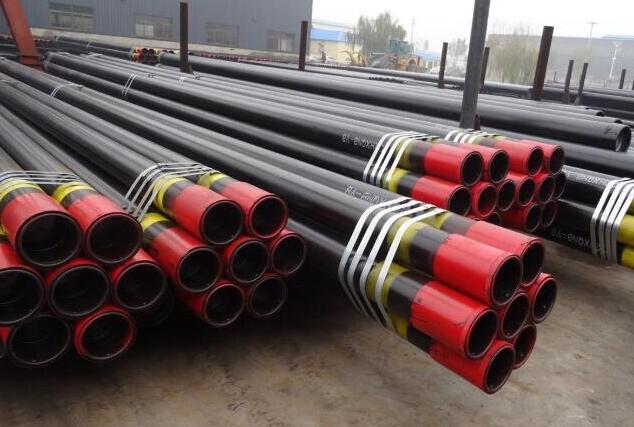
{:en}Outstanding Factors of Market Price Fluctuation in Oil Casing{:}{:es}Factores destacados de la fluctuación del precio de mercado en las carcasas de petróleo{:}{:de}Herausragende Faktoren der Marktpreisschwankung bei Ölgehäusen{:}{:fr}Facteurs exceptionnels de fluctuation des prix du marché des cuvelages pétroliers{:}{:ru}Особые факторы колебания рыночных цен на нефтяные колонны{:}{:it}Fattori importanti della fluttuazione del prezzo di mercato nelle carcasse petrolifere{:}{:pl}Wyjątkowe czynniki wahań cen rynkowych w osłonach naftowych{:}{:hi}तेल आवरण में बाजार मूल्य में उतार-चढ़ाव के उत्कृष्ट कारक{:}{:th}ปัจจัยที่โดดเด่นของความผันผวนของราคาตลาดในท่อน้ำมัน{:}{:ko}오일케이싱 시장가격 변동의 주요 요인{:}{:sv}Enastående faktorer för marknadsprisfluktuationer i oljehölje{:}
{:en} Supply and Demand Dynamics The dynamics of supply and demand play a pivotal role in determining the market price…
{:en}
Supply and Demand Dynamics
The dynamics of supply and demand play a pivotal role in determining the market price fluctuations of oil casing, a critical component in the oil and gas industry. Understanding these dynamics requires a comprehensive examination of various factors that influence both supply and demand, as well as the interplay between them. Oil casing, which is used to line the borehole during drilling operations, is essential for maintaining the integrity of the well and preventing the collapse of the surrounding geological formations. Consequently, any changes in the market for oil casing can have significant implications for the broader oil and gas sector.
To begin with, the demand for oil casing is intrinsically linked to the level of exploration and production activities in the oil and gas industry. When oil prices are high, exploration and drilling activities tend to increase, leading to a higher demand for oil casing. Conversely, when oil prices decline, companies may scale back their operations, resulting in a decreased need for casing. This relationship highlights the sensitivity of oil casing demand to fluctuations in oil prices, which are influenced by a myriad of factors, including geopolitical tensions, natural disasters, and changes in global economic conditions.
Moreover, the demand for oil casing is also affected by technological advancements and innovations within the industry. As drilling techniques evolve, the specifications and requirements for oil casing may change, leading to variations in demand. For instance, the rise of unconventional oil extraction methods, such as hydraulic fracturing and horizontal drilling, has necessitated the use of specialized casing materials and designs. This shift not only alters the demand landscape but also introduces new players into the market, further complicating the supply-demand equation.
On the supply side, the production of oil casing is influenced by several factors, including raw material availability, manufacturing capacity, and logistical considerations. The primary raw materials used in the production of oil casing are steel and other alloys, which are subject to their own market fluctuations. Changes in the price of these raw materials can directly impact the cost of producing oil casing, thereby affecting its market price. Additionally, the manufacturing capacity of casing producers can fluctuate based on economic conditions, labor availability, and technological advancements, all of which can lead to variations in supply.

Furthermore, logistical challenges, such as transportation costs and supply chain disruptions, can significantly impact the availability of oil casing in the market. For instance, if a natural disaster disrupts transportation routes or if geopolitical tensions lead to trade restrictions, the supply of oil casing may be adversely affected, resulting in price increases. Conversely, if supply chains are efficient and production capacities are optimized, the market may experience a surplus of oil casing, leading to price reductions.
drivepipe Best Chinese Manufacturers
In conclusion, the market price fluctuations of oil casing are a complex interplay of supply and demand dynamics influenced by various factors. The demand for oil casing is closely tied to exploration and production activities, technological advancements, and the overall health of the oil and gas industry. On the supply side, raw material availability, manufacturing capacity, and logistical considerations play crucial roles in determining the market’s equilibrium. As these factors continue to evolve, stakeholders in the oil and gas sector must remain vigilant and adaptable to navigate the challenges and opportunities presented by the ever-changing landscape of oil casing pricing. Understanding these dynamics is essential for making informed decisions in an industry characterized by volatility and uncertainty.{:}{:es}
Dinámica de la oferta y la demanda
La dinámica de la oferta y la demanda juega un papel fundamental en la determinación de las fluctuaciones de los precios de mercado de la carcasa de petróleo, un componente crítico en la industria del petróleo y el gas. Comprender estas dinámicas requiere un examen exhaustivo de diversos factores que influyen tanto en la oferta como en la demanda, así como en la interacción entre ellas. La carcasa de petróleo, que se utiliza para revestir el pozo durante las operaciones de perforación, es esencial para mantener la integridad del pozo y prevenir el colapso de las formaciones geológicas circundantes. En consecuencia, cualquier cambio en el mercado de revestimientos de petróleo puede tener implicaciones significativas para el sector del petróleo y el gas en general.
Para empezar, la demanda de revestimientos de petróleo está intrínsecamente ligada al nivel de actividades de exploración y producción en la industria del petróleo y el gas. Cuando los precios del petróleo son altos, las actividades de exploración y perforación tienden a aumentar, lo que genera una mayor demanda de revestimiento de petróleo. Por el contrario, cuando los precios del petróleo bajan, las empresas pueden reducir sus operaciones, lo que resulta en una menor necesidad de carcasa. Esta relación resalta la sensibilidad de la demanda de carcasas de petróleo a las fluctuaciones en los precios del petróleo, que están influenciadas por una multitud de factores, incluidas tensiones geopolíticas, desastres naturales y cambios en las condiciones económicas globales.
Además, la demanda de carcasas de petróleo también se ve afectada. por los avances tecnológicos y las innovaciones dentro de la industria. A medida que evolucionan las técnicas de perforación, las especificaciones y requisitos para la tubería de revestimiento de petróleo pueden cambiar, lo que genera variaciones en la demanda. Por ejemplo, el aumento de métodos de extracción de petróleo no convencionales, como la fracturación hidráulica y la perforación horizontal, ha requerido el uso de materiales y diseños de carcasa especializados. Este cambio no sólo altera el panorama de la demanda, sino que también introduce nuevos actores en el mercado, lo que complica aún más la ecuación oferta-demanda.
Por el lado de la oferta, la producción de carcasas de petróleo está influenciada por varios factores, incluida la disponibilidad de materia prima y la capacidad de fabricación. y consideraciones logísticas. Las principales materias primas utilizadas en la producción de revestimientos de petróleo son el acero y otras aleaciones, que están sujetas a las fluctuaciones del mercado. Los cambios en el precio de estas materias primas pueden impactar directamente el costo de producción de carcasa de aceite, afectando así su precio de mercado. Además, la capacidad de fabricación de los productores de carcasas puede fluctuar según las condiciones económicas, la disponibilidad de mano de obra y los avances tecnológicos, todo lo cual puede generar variaciones en el suministro.
Además, los desafíos logísticos, como los costos de transporte y las interrupciones de la cadena de suministro, pueden afectar significativamente la disponibilidad de carcasas de petróleo en el mercado. Por ejemplo, si un desastre natural interrumpe las rutas de transporte o si las tensiones geopolíticas conducen a restricciones comerciales, el suministro de petróleo puede verse afectado negativamente, lo que resultará en aumentos de precios. Por el contrario, si las cadenas de suministro son eficientes y se optimizan las capacidades de producción, el mercado puede experimentar un excedente de tripa de petróleo, lo que provocará reducciones de precios.
drivepipe mejores fabricantes chinos
En conclusión, las fluctuaciones de los precios de mercado de las tripas de petróleo son una interacción compleja de la dinámica de la oferta y la demanda influenciada por varios factores. La demanda de revestimientos de petróleo está estrechamente relacionada con las actividades de exploración y producción, los avances tecnológicos y la salud general de la industria del petróleo y el gas. Por el lado de la oferta, la disponibilidad de materias primas, la capacidad de fabricación y las consideraciones logísticas desempeñan papeles cruciales en la determinación del equilibrio del mercado. A medida que estos factores continúan evolucionando, las partes interesadas en el sector del petróleo y el gas deben permanecer alerta y adaptarse para afrontar los desafíos y oportunidades que presenta el panorama en constante cambio de los precios de las carcasas de petróleo. Comprender estas dinámicas es esencial para tomar decisiones informadas en una industria caracterizada por la volatilidad y la incertidumbre.{:}{:de}
Angebots- und Nachfragedynamik
Die Dynamik von Angebot und Nachfrage spielt eine entscheidende Rolle bei der Bestimmung der Marktpreisschwankungen von Ölgehäusen, einem kritischen Bestandteil in der Öl- und Gasindustrie. Um diese Dynamik zu verstehen, ist eine umfassende Untersuchung verschiedener Faktoren erforderlich, die sowohl Angebot als auch Nachfrage sowie das Zusammenspiel zwischen ihnen beeinflussen. Ölgehäuse, die zur Auskleidung des Bohrlochs während Bohrarbeiten verwendet werden, sind für die Aufrechterhaltung der Integrität des Bohrlochs und die Verhinderung des Einsturzes der umgebenden geologischen Formationen von entscheidender Bedeutung. Folglich können alle Veränderungen auf dem Markt für Ölgehäuse erhebliche Auswirkungen auf den gesamten Öl- und Gassektor haben.
Erstens ist die Nachfrage nach Ölgehäusen untrennbar mit dem Umfang der Explorations- und Produktionsaktivitäten in der Öl- und Gasindustrie verbunden. Wenn die Ölpreise hoch sind, nehmen die Explorations- und Bohraktivitäten tendenziell zu, was zu einer höheren Nachfrage nach Ölgehäusen führt. Umgekehrt können Unternehmen bei sinkenden Ölpreisen ihre Geschäftstätigkeit zurückfahren, was zu einem geringeren Bedarf an Gehäusen führt. Dieser Zusammenhang verdeutlicht die Sensibilität der Nachfrage nach Ölgehäusen gegenüber Schwankungen der Ölpreise, die von einer Vielzahl von Faktoren beeinflusst werden, darunter geopolitische Spannungen, Naturkatastrophen und Veränderungen der globalen Wirtschaftsbedingungen.
Darüber hinaus wird auch die Nachfrage nach Ölgehäusen beeinflusst durch technologische Fortschritte und Innovationen in der Branche. Mit der Weiterentwicklung der Bohrtechniken können sich die Spezifikationen und Anforderungen an Ölgehäuse ändern, was zu Schwankungen in der Nachfrage führen kann. Beispielsweise hat der Aufstieg unkonventioneller Ölfördermethoden wie hydraulisches Brechen und Horizontalbohren den Einsatz spezieller Gehäusematerialien und -konstruktionen erforderlich gemacht. Diese Verschiebung verändert nicht nur die Nachfragelandschaft, sondern bringt auch neue Akteure auf den Markt, was die Angebot-Nachfrage-Gleichung weiter verkompliziert.
Auf der Angebotsseite wird die Produktion von Ölgehäusen von mehreren Faktoren beeinflusst, darunter Rohstoffverfügbarkeit und Produktionskapazität und logistische Überlegungen. Die bei der Produktion von Ölgehäusen verwendeten Rohstoffe sind vor allem Stahl und andere Legierungen, die eigenen Marktschwankungen unterliegen. Preisänderungen dieser Rohstoffe können sich direkt auf die Kosten für die Herstellung von Ölhüllen und damit auf deren Marktpreis auswirken. Darüber hinaus kann die Produktionskapazität von Hüllenherstellern aufgrund der wirtschaftlichen Bedingungen, der Verfügbarkeit von Arbeitskräften und des technologischen Fortschritts schwanken, was alles zu Schwankungen im Angebot führen kann.
Darüber hinaus können logistische Herausforderungen wie Transportkosten und Unterbrechungen der Lieferkette die Verfügbarkeit von Ölgehäusen auf dem Markt erheblich beeinträchtigen. Wenn beispielsweise eine Naturkatastrophe Transportwege stört oder geopolitische Spannungen zu Handelsbeschränkungen führen, kann dies die Versorgung mit Ölhüllen beeinträchtigen und zu Preiserhöhungen führen. Umgekehrt kann es bei effizienten Lieferketten und optimierten Produktionskapazitäten auf dem Markt zu einem Überschuss an Ölhüllen kommen, was zu Preissenkungen führt.
drivepipe Beste chinesische Hersteller
Zusammenfassend lässt sich sagen, dass die Marktpreisschwankungen von Ölgehäusen ein komplexes Zusammenspiel von Angebots- und Nachfragedynamiken sind, die von verschiedenen Faktoren beeinflusst werden. Die Nachfrage nach Ölgehäusen ist eng mit Explorations- und Produktionsaktivitäten, technologischen Fortschritten und der allgemeinen Gesundheit der Öl- und Gasindustrie verknüpft. Auf der Angebotsseite spielen Rohstoffverfügbarkeit, Produktionskapazität und logistische Überlegungen eine entscheidende Rolle bei der Bestimmung des Marktgleichgewichts. Während sich diese Faktoren weiterentwickeln, müssen die Akteure im Öl- und Gassektor wachsam und anpassungsfähig bleiben, um die Herausforderungen und Chancen zu meistern, die sich aus der sich ständig verändernden Preislandschaft für Ölgehäuse ergeben. Das Verständnis dieser Dynamik ist für fundierte Entscheidungen in einer Branche, die von Volatilität und Unsicherheit geprägt ist, von entscheidender Bedeutung.{:}{:fr}
Dynamique de l’offre et de la demande
drivepipe Meilleurs fabricants chinois
En conclusion, les fluctuations des prix du marché des cuvelages pétroliers sont une interaction complexe de la dynamique de l’offre et de la demande influencée par divers facteurs. La demande de tubage pétrolier est étroitement liée aux activités d’exploration et de production, aux progrès technologiques et à la santé globale de l’industrie pétrolière et gazière. Du côté de l’offre, la disponibilité des matières premières, la capacité de fabrication et les considérations logistiques jouent un rôle crucial dans la détermination de l’équilibre du marché. À mesure que ces facteurs continuent d’évoluer, les parties prenantes du secteur pétrolier et gazier doivent rester vigilantes et s’adapter pour faire face aux défis et aux opportunités présentés par le paysage en constante évolution des prix du pétrole. Comprendre ces dynamiques est essentiel pour prendre des décisions éclairées dans un secteur caractérisé par la volatilité et l’incertitude.
Furthermore, logistical challenges, such as transportation costs and supply chain disruptions, can significantly impact the availability of oil casing in the market. For instance, if a natural disaster disrupts transportation routes or if geopolitical tensions lead to trade restrictions, the supply of oil casing may be adversely affected, resulting in price increases. Conversely, if supply chains are efficient and production capacities are optimized, the market may experience a surplus of oil casing, leading to price reductions.
drivepipe Best Chinese Manufacturers
In conclusion, the market price fluctuations of oil casing are a complex interplay of supply and demand dynamics influenced by various factors. The demand for oil casing is closely tied to exploration and production activities, technological advancements, and the overall health of the oil and gas industry. On the supply side, raw material availability, manufacturing capacity, and logistical considerations play crucial roles in determining the market’s equilibrium. As these factors continue to evolve, stakeholders in the oil and gas sector must remain vigilant and adaptable to navigate the challenges and opportunities presented by the ever-changing landscape of oil casing pricing. Understanding these dynamics is essential for making informed decisions in an industry characterized by volatility and uncertainty.{:}{:ru}
Динамика спроса и предложения
Динамика спроса и предложения играет решающую роль в определении колебаний рыночных цен на нефтяные колонны, важнейший компонент нефтегазовой отрасли. Понимание этой динамики требует всестороннего изучения различных факторов, влияющих как на спрос, так и на предложение, а также на взаимодействие между ними. Нефтяная колонна, которая используется для облицовки ствола скважины во время буровых работ, необходима для поддержания целостности скважины и предотвращения обрушения окружающих геологических образований. Следовательно, любые изменения на рынке нефтяных колонн могут иметь серьезные последствия для более широкого нефтегазового сектора.
Начнем с того, что спрос на нефтяные колонны неразрывно связан с уровнем разведки и добычи в нефтегазовой отрасли. Когда цены на нефть высоки, деятельность по разведке и бурению имеет тенденцию к увеличению, что приводит к увеличению спроса на нефтяные обсадные колонны. И наоборот, когда цены на нефть падают, компании могут свернуть свою деятельность, что приведет к снижению потребности в обсадных колоннах. Эта взаимосвязь подчеркивает чувствительность спроса на нефтяные обсадные колонны к колебаниям цен на нефть, на которые влияет множество факторов, включая геополитическую напряженность, стихийные бедствия и изменения глобальных экономических условий.
Более того, спрос на нефтяные обсадные колонны также влияет благодаря технологическим достижениям и инновациям в отрасли. По мере развития технологий бурения спецификации и требования к нефтяным колоннам могут меняться, что приводит к изменениям в спросе. Например, появление нетрадиционных методов добычи нефти, таких как гидроразрыв пласта и горизонтальное бурение, привело к необходимости использования специализированных материалов и конструкций обсадных труб. Этот сдвиг не только меняет структуру спроса, но и выводит на рынок новых игроков, еще больше усложняя уравнение спроса и предложения.
Со стороны предложения на производство нефтяных кожухов влияет несколько факторов, включая наличие сырья, производственные мощности. и логистические соображения. Основным сырьем, используемым при производстве масляных кожухов, являются сталь и другие сплавы, которые подвержены колебаниям рынка. Изменения цен на это сырье могут напрямую повлиять на себестоимость производства нефтяной колонны, тем самым влияя на ее рыночную цену. Кроме того, производственные мощности производителей оболочек могут колебаться в зависимости от экономических условий, наличия рабочей силы и технологических достижений, и все это может привести к изменениям в поставках.
Кроме того, логистические проблемы, такие как транспортные расходы и сбои в цепочке поставок, могут существенно повлиять на доступность нефтяных колонн на рынке. Например, если стихийное бедствие нарушит транспортные маршруты или если геополитическая напряженность приведет к торговым ограничениям, это может отрицательно сказаться на поставках нефтяных колонн, что приведет к росту цен. И наоборот, если цепочки поставок эффективны, а производственные мощности оптимизированы, на рынке может возникнуть избыток нефтяных колонн, что приведет к снижению цен.
приводные трубы лучших китайских производителей
В заключение, колебания рыночных цен на нефтяные колонны представляют собой сложное взаимодействие динамики спроса и предложения, на которое влияют различные факторы. Спрос на нефтяные колонны тесно связан с разведкой и добычей, технологическими достижениями и общим состоянием нефтегазовой отрасли. Что касается предложения, то наличие сырья, производственные мощности и логистические соображения играют решающую роль в определении рыночного равновесия. Поскольку эти факторы продолжают развиваться, заинтересованные стороны в нефтегазовом секторе должны сохранять бдительность и способность адаптироваться, чтобы справляться с проблемами и возможностями, которые открывает постоянно меняющаяся ситуация в ценообразовании на нефтяные колонны. Понимание этой динамики имеет важное значение для принятия обоснованных решений в отрасли, характеризующейся волатильностью и неопределенностью.{:}{:it}
Dinamiche della domanda e dell’offerta
Le dinamiche della domanda e dell’offerta svolgono un ruolo fondamentale nel determinare le fluttuazioni dei prezzi di mercato degli involucri petroliferi, un componente critico nell’industria del petrolio e del gas. Comprendere queste dinamiche richiede un esame completo di vari fattori che influenzano sia l’offerta che la domanda, nonché l’interazione tra loro. L’involucro petrolifero, utilizzato per rivestire il pozzo durante le operazioni di perforazione, è essenziale per mantenere l’integrità del pozzo e prevenire il collasso delle formazioni geologiche circostanti. Di conseguenza, qualsiasi cambiamento nel mercato degli involucri petroliferi può avere implicazioni significative per il settore più ampio del petrolio e del gas.
Per cominciare, la domanda di rivestimenti petroliferi è intrinsecamente legata al livello delle attività di esplorazione e produzione nel settore del petrolio e del gas. Quando i prezzi del petrolio sono elevati, le attività di esplorazione e trivellazione tendono ad aumentare, portando a una maggiore domanda di rivestimenti petroliferi. Al contrario, quando i prezzi del petrolio diminuiscono, le aziende potrebbero ridimensionare le proprie attività, con conseguente diminuzione della necessità di rivestimento. Questa relazione evidenzia la sensibilità della domanda di contenitori petroliferi alle fluttuazioni dei prezzi del petrolio, che sono influenzati da una miriade di fattori, tra cui tensioni geopolitiche, disastri naturali e cambiamenti nelle condizioni economiche globali.
Inoltre, anche la domanda di contenitori petroliferi è influenzata dai progressi tecnologici e dalle innovazioni del settore. Con l’evolversi delle tecniche di trivellazione, le specifiche e i requisiti per i rivestimenti petroliferi possono cambiare, determinando variazioni nella domanda. Ad esempio, l’avvento di metodi non convenzionali di estrazione del petrolio, come la fratturazione idraulica e la perforazione orizzontale, ha reso necessario l’uso di materiali e design specializzati per gli involucri. Questo cambiamento non solo altera il panorama della domanda, ma introduce anche nuovi attori nel mercato, complicando ulteriormente l’equazione domanda-offerta.
Dal lato dell’offerta, la produzione di involucri petroliferi è influenzata da diversi fattori, tra cui la disponibilità di materie prime, la capacità produttiva e considerazioni logistiche. Le materie prime primarie utilizzate nella produzione degli involucri petroliferi sono l’acciaio e altre leghe, soggette alle fluttuazioni del mercato. Le variazioni del prezzo di queste materie prime possono avere un impatto diretto sul costo di produzione dell’involucro dell’olio, influenzandone così il prezzo di mercato. Inoltre, la capacità produttiva dei produttori di involucri può variare in base alle condizioni economiche, alla disponibilità di manodopera e ai progressi tecnologici, che possono portare a variazioni nell’offerta.
Inoltre, le sfide logistiche, come i costi di trasporto e le interruzioni della catena di approvvigionamento, possono avere un impatto significativo sulla disponibilità delle carcasse petrolifere sul mercato. Ad esempio, se un disastro naturale interrompe le rotte di trasporto o se le tensioni geopolitiche portano a restrizioni commerciali, la fornitura di petrolio potrebbe essere influenzata negativamente, con conseguente aumento dei prezzi. Al contrario, se le catene di approvvigionamento sono efficienti e le capacità produttive sono ottimizzate, il mercato potrebbe riscontrare un surplus di carcasse petrolifere, con conseguenti riduzioni dei prezzi.
drivepipe migliori produttori cinesi
In conclusione, le fluttuazioni dei prezzi di mercato delle carcasse petrolifere sono una complessa interazione di dinamiche di domanda e offerta influenzate da vari fattori. La domanda di rivestimenti petroliferi è strettamente legata alle attività di esplorazione e produzione, ai progressi tecnologici e alla salute generale dell’industria del petrolio e del gas. Dal lato dell’offerta, la disponibilità delle materie prime, la capacità produttiva e le considerazioni logistiche svolgono un ruolo cruciale nel determinare l’equilibrio del mercato. Poiché questi fattori continuano ad evolversi, le parti interessate nel settore del petrolio e del gas devono rimanere vigili e adattabili per affrontare le sfide e le opportunità presentate dal panorama in continua evoluzione dei prezzi degli involucri petroliferi. Comprendere queste dinamiche è essenziale per prendere decisioni informate in un settore caratterizzato da volatilità e incertezza.{:}{:pl}
Dynamika podaży i popytu
Dynamika podaży i popytu odgrywa kluczową rolę w określaniu wahań cen rynkowych osłonki olejowej, kluczowego elementu w przemyśle naftowym i gazowym. Zrozumienie tej dynamiki wymaga wszechstronnego zbadania różnych czynników wpływających zarówno na podaż, jak i popyt, a także na wzajemne oddziaływanie między nimi. Okładzina naftowa, która służy do wyłożenia odwiertu podczas operacji wiertniczych, jest niezbędna do utrzymania integralności odwiertu i zapobiegania zapadaniu się otaczających go formacji geologicznych. W związku z tym wszelkie zmiany na rynku osłonki olejowej mogą mieć znaczące konsekwencje dla szerszego sektora naftowo-gazowego.
Po pierwsze, popyt na osłonkę naftową jest nierozerwalnie powiązany z poziomem działalności poszukiwawczo-wydobywczej w przemyśle naftowo-gazowym. Kiedy ceny ropy naftowej są wysokie, działalność poszukiwawcza i wiertnicza zwykle wzrasta, co prowadzi do większego popytu na osłonę olejową. I odwrotnie, gdy ceny ropy naftowej spadną, firmy mogą ograniczyć swoją działalność, co spowoduje zmniejszenie zapotrzebowania na osłonkę. Zależność ta podkreśla wrażliwość popytu na osłonkę olejową na wahania cen ropy, na które wpływa niezliczona ilość czynników, w tym napięcia geopolityczne, klęski żywiołowe i zmiany w światowych warunkach gospodarczych.
Co więcej, wpływa to również na popyt na osłonkę olejową dzięki postępowi technologicznemu i innowacjom w branży. W miarę ewolucji technik wierceń specyfikacje i wymagania dotyczące osłony olejowej mogą się zmieniać, co prowadzi do zmian w zapotrzebowaniu. Na przykład rozwój niekonwencjonalnych metod wydobycia ropy naftowej, takich jak szczelinowanie hydrauliczne i wiercenia poziome, wymusił konieczność stosowania specjalistycznych materiałów i konstrukcji obudowy. Ta zmiana nie tylko zmienia krajobraz popytu, ale także wprowadza na rynek nowych graczy, jeszcze bardziej komplikując równanie podaży i popytu.
Po stronie podaży na produkcję osłonki olejowej wpływa kilka czynników, w tym dostępność surowców, moce produkcyjne oraz względy logistyczne. Podstawowymi surowcami używanymi do produkcji osłonek olejowych są stal i inne stopy, które podlegają własnym wahaniom rynkowym. Zmiany cen tych surowców mogą bezpośrednio wpłynąć na koszt produkcji osłonki olejowej, wpływając tym samym na jej cenę rynkową. Ponadto zdolność produkcyjna producentów osłonek może się zmieniać w zależności od warunków ekonomicznych, dostępności siły roboczej i postępu technologicznego, co może prowadzić do wahań w podaży.
Ponadto wyzwania logistyczne, takie jak koszty transportu i zakłócenia w łańcuchu dostaw, mogą znacząco wpłynąć na dostępność osłonki olejowej na rynku. Na przykład, jeśli klęska żywiołowa zakłóca szlaki transportowe lub jeśli napięcia geopolityczne prowadzą do ograniczeń w handlu, może to mieć niekorzystny wpływ na dostawy osłonki olejowej, co może skutkować wzrostem cen. I odwrotnie, jeśli łańcuchy dostaw będą wydajne, a moce produkcyjne zoptymalizowane, na rynku może pojawić się nadwyżka osłonki olejowej, co doprowadzi do obniżek cen.
drivepipe Najlepsi chińscy producenci
Podsumowując, wahania cen rynkowych osłonki olejowej stanowią złożoną interakcję dynamiki podaży i popytu, na którą wpływają różne czynniki. Zapotrzebowanie na osłonkę olejową jest ściśle powiązane z działalnością poszukiwawczą i wydobywczą, postępem technologicznym oraz ogólną kondycją przemysłu naftowego i gazowego. Po stronie podaży dostępność surowców, moce produkcyjne i względy logistyczne odgrywają kluczową rolę w określaniu równowagi rynkowej. W miarę ciągłej ewolucji tych czynników zainteresowane strony w sektorze ropy i gazu muszą zachować czujność i zdolność do dostosowywania się, aby sprostać wyzwaniom i możliwościom, jakie stwarza stale zmieniający się krajobraz cen osłonek olejowych. Zrozumienie tej dynamiki jest niezbędne do podejmowania świadomych decyzji w branży charakteryzującej się zmiennością i niepewnością.{:}{:hi}
आपूर्ति और मांग की गतिशीलता
तेल और गैस उद्योग में एक महत्वपूर्ण घटक, तेल आवरण के बाजार मूल्य में उतार-चढ़ाव को निर्धारित करने में आपूर्ति और मांग की गतिशीलता महत्वपूर्ण भूमिका निभाती है। इन गतिशीलता को समझने के लिए आपूर्ति और मांग दोनों को प्रभावित करने वाले विभिन्न कारकों के साथ-साथ उनके बीच परस्पर क्रिया को प्रभावित करने वाले विभिन्न कारकों की व्यापक जांच की आवश्यकता होती है। तेल आवरण, जिसका उपयोग ड्रिलिंग कार्यों के दौरान बोरहोल को लाइन करने के लिए किया जाता है, कुएं की अखंडता को बनाए रखने और आसपास के भूवैज्ञानिक संरचनाओं के पतन को रोकने के लिए आवश्यक है। नतीजतन, तेल आवरण के बाजार में किसी भी बदलाव का व्यापक तेल और गैस क्षेत्र पर महत्वपूर्ण प्रभाव पड़ सकता है।
शुरुआत करने के लिए, तेल आवरण की मांग आंतरिक रूप से तेल और गैस उद्योग में अन्वेषण और उत्पादन गतिविधियों के स्तर से जुड़ी हुई है। जब तेल की कीमतें ऊंची होती हैं, तो अन्वेषण और ड्रिलिंग गतिविधियां बढ़ जाती हैं, जिससे तेल आवरण की मांग बढ़ जाती है। इसके विपरीत, जब तेल की कीमतों में गिरावट आती है, तो कंपनियां अपने परिचालन को कम कर सकती हैं, जिसके परिणामस्वरूप आवरण की आवश्यकता कम हो जाती है। यह संबंध तेल की कीमतों में उतार-चढ़ाव के प्रति तेल आवरण की मांग की संवेदनशीलता को उजागर करता है, जो भू-राजनीतिक तनाव, प्राकृतिक आपदाओं और वैश्विक आर्थिक स्थितियों में बदलाव सहित असंख्य कारकों से प्रभावित होता है।
इसके अलावा, तेल आवरण की मांग भी प्रभावित होती है उद्योग के भीतर तकनीकी प्रगति और नवाचारों द्वारा। जैसे-जैसे ड्रिलिंग तकनीक विकसित होती है, तेल आवरण के लिए विनिर्देश और आवश्यकताएं बदल सकती हैं, जिससे मांग में भिन्नता आ सकती है। उदाहरण के लिए, हाइड्रोलिक फ्रैक्चरिंग और क्षैतिज ड्रिलिंग जैसी अपरंपरागत तेल निष्कर्षण विधियों के उदय ने विशेष आवरण सामग्री और डिजाइन के उपयोग की आवश्यकता पैदा कर दी है। यह बदलाव न केवल मांग परिदृश्य को बदलता है बल्कि बाजार में नए खिलाड़ियों को भी पेश करता है, जिससे आपूर्ति-मांग समीकरण और जटिल हो जाता है। आपूर्ति पक्ष पर, तेल आवरण का उत्पादन कच्चे माल की उपलब्धता, विनिर्माण क्षमता सहित कई कारकों से प्रभावित होता है। , और तार्किक विचार। तेल आवरण के उत्पादन में उपयोग किए जाने वाले प्राथमिक कच्चे माल स्टील और अन्य मिश्र धातु हैं, जो अपने स्वयं के बाजार में उतार-चढ़ाव के अधीन हैं। इन कच्चे माल की कीमत में परिवर्तन सीधे तेल आवरण के उत्पादन की लागत को प्रभावित कर सकता है, जिससे इसकी बाजार कीमत प्रभावित हो सकती है। इसके अतिरिक्त, केसिंग उत्पादकों की विनिर्माण क्षमता आर्थिक स्थितियों, श्रम उपलब्धता और तकनीकी प्रगति के आधार पर उतार-चढ़ाव कर सकती है, जिससे आपूर्ति में भिन्नता हो सकती है।
इसके अलावा, परिवहन लागत और आपूर्ति श्रृंखला व्यवधान जैसी लॉजिस्टिक चुनौतियां, बाजार में तेल आवरण की उपलब्धता को महत्वपूर्ण रूप से प्रभावित कर सकती हैं। उदाहरण के लिए, यदि कोई प्राकृतिक आपदा परिवहन मार्गों को बाधित करती है या भू-राजनीतिक तनाव के कारण व्यापार प्रतिबंध होता है, तो तेल आवरण की आपूर्ति पर प्रतिकूल प्रभाव पड़ सकता है, जिसके परिणामस्वरूप कीमतें बढ़ जाती हैं। इसके विपरीत, यदि आपूर्ति शृंखला कुशल है और उत्पादन क्षमता अनुकूलित है, तो बाजार में तेल आवरण की अधिकता का अनुभव हो सकता है, जिससे कीमतों में कटौती हो सकती है।
ड्राइवपाइप सर्वश्रेष्ठ चीनी निर्माता
निष्कर्ष में, तेल आवरण के बाजार मूल्य में उतार-चढ़ाव विभिन्न कारकों से प्रभावित आपूर्ति और मांग की गतिशीलता का एक जटिल परस्पर क्रिया है। तेल आवरण की मांग अन्वेषण और उत्पादन गतिविधियों, तकनीकी प्रगति और तेल और गैस उद्योग के समग्र स्वास्थ्य से निकटता से जुड़ी हुई है। आपूर्ति पक्ष पर, कच्चे माल की उपलब्धता, विनिर्माण क्षमता और तार्किक विचार बाजार के संतुलन को निर्धारित करने में महत्वपूर्ण भूमिका निभाते हैं। जैसे-जैसे ये कारक विकसित होते जा रहे हैं, तेल और गैस क्षेत्र के हितधारकों को तेल आवरण मूल्य निर्धारण के लगातार बदलते परिदृश्य द्वारा प्रस्तुत चुनौतियों और अवसरों से निपटने के लिए सतर्क और अनुकूलनशील रहना चाहिए। अस्थिरता और अनिश्चितता वाले उद्योग में सूचित निर्णय लेने के लिए इन गतिशीलता को समझना आवश्यक है।{:}{:th}
การเปลี่ยนแปลงของอุปสงค์และอุปทานมีบทบาทสำคัญในการกำหนดความผันผวนของราคาในตลาดของท่อน้ำมัน ซึ่งเป็นส่วนประกอบสำคัญในอุตสาหกรรมน้ำมันและก๊าซ การทำความเข้าใจพลวัตเหล่านี้จำเป็นต้องมีการตรวจสอบปัจจัยต่างๆ อย่างครอบคลุมซึ่งมีอิทธิพลต่อทั้งอุปสงค์และอุปทาน ตลอดจนอิทธิพลซึ่งกันและกันระหว่างปัจจัยทั้งสอง ปลอกหุ้มน้ำมันซึ่งใช้วางแนวหลุมเจาะระหว่างการขุดเจาะ เป็นสิ่งจำเป็นสำหรับการรักษาความสมบูรณ์ของบ่อน้ำ และป้องกันการพังทลายของโครงสร้างทางธรณีวิทยาโดยรอบ ดังนั้น การเปลี่ยนแปลงใดๆ ในตลาดสำหรับท่อน้ำมันอาจส่งผลกระทบอย่างมีนัยสำคัญต่อภาคส่วนน้ำมันและก๊าซในวงกว้าง
ประการแรก ความต้องการท่อบรรจุน้ำมันมีการเชื่อมโยงภายในกับระดับของกิจกรรมการสำรวจและการผลิตในอุตสาหกรรมน้ำมันและก๊าซ เมื่อราคาน้ำมันอยู่ในระดับสูง กิจกรรมการสำรวจและขุดเจาะมีแนวโน้มที่จะเพิ่มขึ้น ส่งผลให้ความต้องการท่อน้ำมันเพิ่มมากขึ้น ในทางกลับกัน เมื่อราคาน้ำมันลดลง บริษัทต่างๆ อาจลดขนาดการดำเนินงานลง ส่งผลให้ความต้องการใช้ปลอกลดลง ความสัมพันธ์นี้เน้นให้เห็นถึงความอ่อนไหวของความต้องการท่อน้ำมันต่อความผันผวนของราคาน้ำมัน ซึ่งได้รับอิทธิพลจากปัจจัยมากมาย รวมถึงความตึงเครียดทางภูมิรัฐศาสตร์ ภัยพิบัติทางธรรมชาติ และการเปลี่ยนแปลงของภาวะเศรษฐกิจโลก
นอกจากนี้ ความต้องการท่อน้ำมันยังได้รับผลกระทบด้วย ด้วยความก้าวหน้าทางเทคโนโลยีและนวัตกรรมภายในอุตสาหกรรม เมื่อเทคนิคการขุดเจาะพัฒนาขึ้น ข้อมูลจำเพาะและข้อกำหนดสำหรับท่อบรรจุน้ำมันอาจเปลี่ยนแปลงไป ซึ่งนำไปสู่ความต้องการที่แตกต่างกันไป ตัวอย่างเช่น การเพิ่มขึ้นของวิธีการสกัดน้ำมันที่แหวกแนว เช่น การแตกร้าวด้วยไฮดรอลิกและการเจาะแนวนอน ทำให้จำเป็นต้องใช้วัสดุและการออกแบบปลอกหุ้มแบบพิเศษ การเปลี่ยนแปลงนี้ไม่เพียงแต่เปลี่ยนภูมิทัศน์อุปสงค์ แต่ยังแนะนำผู้เล่นใหม่เข้าสู่ตลาด ซึ่งทำให้สมการอุปสงค์และอุปทานซับซ้อนยิ่งขึ้น
ในด้านอุปทาน การผลิตท่อน้ำมันได้รับอิทธิพลจากปัจจัยหลายประการ รวมถึงความพร้อมของวัตถุดิบ กำลังการผลิต และการพิจารณาด้านลอจิสติกส์ วัตถุดิบหลักที่ใช้ในการผลิตท่อน้ำมันคือเหล็กและโลหะผสมอื่น ๆ ซึ่งขึ้นอยู่กับความผันผวนของตลาดเอง การเปลี่ยนแปลงของราคาวัตถุดิบเหล่านี้อาจส่งผลโดยตรงต่อต้นทุนการผลิตท่อน้ำมัน และส่งผลต่อราคาตลาด นอกจากนี้ กำลังการผลิตของผู้ผลิตเคสอาจผันผวนขึ้นอยู่กับสภาวะทางเศรษฐกิจ ความพร้อมของแรงงาน และความก้าวหน้าทางเทคโนโลยี ซึ่งทั้งหมดนี้สามารถนำไปสู่การเปลี่ยนแปลงในอุปทาน
นอกจากนี้ ความท้าทายด้านลอจิสติกส์ เช่น ต้นทุนการขนส่งและการหยุดชะงักของห่วงโซ่อุปทาน อาจส่งผลกระทบอย่างมีนัยสำคัญต่อความพร้อมของท่อน้ำมันในตลาด ตัวอย่างเช่น หากภัยพิบัติทางธรรมชาติขัดขวางเส้นทางการขนส่ง หรือหากความตึงเครียดทางภูมิรัฐศาสตร์นำไปสู่การจำกัดทางการค้า การจัดหาท่อบรรจุน้ำมันอาจได้รับผลกระทบในทางลบ ส่งผลให้ราคาเพิ่มขึ้น ในทางกลับกัน หากห่วงโซ่อุปทานมีประสิทธิภาพและความสามารถในการผลิตได้รับการปรับให้เหมาะสม ตลาดอาจพบกับท่อน้ำมันส่วนเกิน ซึ่งนำไปสู่การลดราคา
drivepipe ผู้ผลิตจีนที่ดีที่สุด
โดยสรุป ความผันผวนของราคาตลาดของท่อน้ำมันเป็นความสัมพันธ์ที่ซับซ้อนของการเปลี่ยนแปลงของอุปสงค์และอุปทานซึ่งได้รับอิทธิพลจากปัจจัยต่างๆ ความต้องการท่อบรรจุน้ำมันมีความสัมพันธ์อย่างใกล้ชิดกับกิจกรรมการสำรวจและการผลิต ความก้าวหน้าทางเทคโนโลยี และสุขภาพโดยรวมของอุตสาหกรรมน้ำมันและก๊าซ ในด้านอุปทาน ความพร้อมของวัตถุดิบ กำลังการผลิต และการพิจารณาด้านลอจิสติกส์มีบทบาทสำคัญในการกำหนดสมดุลของตลาด เนื่องจากปัจจัยเหล่านี้ยังคงมีการพัฒนาอย่างต่อเนื่อง ผู้มีส่วนได้ส่วนเสียในภาคน้ำมันและก๊าซจะต้องระมัดระวังและปรับตัวเพื่อรับมือกับความท้าทายและโอกาสที่นำเสนอโดยภูมิทัศน์ราคาท่อน้ำมันที่เปลี่ยนแปลงตลอดเวลา การทำความเข้าใจการเปลี่ยนแปลงเหล่านี้ถือเป็นสิ่งสำคัญสำหรับการตัดสินใจโดยอาศัยข้อมูลในอุตสาหกรรมที่มีความผันผวนและความไม่แน่นอน
In conclusion, the market price fluctuations of oil casing are a complex interplay of supply and demand dynamics influenced by various factors. The demand for oil casing is closely tied to exploration and production activities, technological advancements, and the overall health of the oil and gas industry. On the supply side, raw material availability, manufacturing capacity, and logistical considerations play crucial roles in determining the market’s equilibrium. As these factors continue to evolve, stakeholders in the oil and gas sector must remain vigilant and adaptable to navigate the challenges and opportunities presented by the ever-changing landscape of oil casing pricing. Understanding these dynamics is essential for making informed decisions in an industry characterized by volatility and uncertainty.{:}{:ko}
수급 동향
석유 및 가스 산업의 핵심 구성요소인 오일 케이싱의 시장 가격 변동을 결정하는 데는 수요와 공급의 역학이 중추적인 역할을 합니다. 이러한 역학을 이해하려면 공급과 수요 모두에 영향을 미치는 다양한 요소와 이들 간의 상호 작용에 대한 포괄적인 조사가 필요합니다. 시추 작업 중 시추공을 덮는 데 사용되는 오일 케이싱은 유정의 무결성을 유지하고 주변 지질 구조의 붕괴를 방지하는 데 필수적입니다. 결과적으로 오일 케이싱 시장의 모든 변화는 더 넓은 석유 및 가스 부문에 중요한 영향을 미칠 수 있습니다.
우선, 오일 케이싱에 대한 수요는 석유 및 가스 산업의 탐사 및 생산 활동 수준과 본질적으로 연관되어 있습니다. 유가가 높을 때 탐사 및 시추 활동이 증가하는 경향이 있어 오일 케이싱에 대한 수요가 높아집니다. 반대로, 유가가 하락하면 기업은 운영을 축소하여 케이싱의 필요성이 줄어들 수 있습니다. 이 관계는 지정학적 긴장, 자연재해, 세계 경제 상황 변화 등 수많은 요인의 영향을 받는 유가 변동에 대한 오일 케이싱 수요의 민감도를 강조합니다.
또한 오일 케이싱 수요도 영향을 받습니다. 업계 내 기술 발전과 혁신을 통해. 시추 기술이 발전함에 따라 오일 케이싱의 사양과 요구 사항이 변경되어 수요가 달라질 수 있습니다. 예를 들어, 수압파쇄, 수평 시추 등 비전통적인 석유 추출 방법이 등장하면서 특수한 케이싱 재료와 디자인을 사용해야 했습니다. 이러한 변화는 수요 환경을 변화시킬 뿐만 아니라 새로운 플레이어를 시장에 도입하여 공급-수요 방정식을 더욱 복잡하게 만듭니다.
공급 측면에서 오일 케이싱의 생산은 원자재 가용성, 제조 능력을 포함한 여러 요인의 영향을 받습니다. 및 물류 고려 사항. 오일 케이싱 생산에 사용되는 주요 원자재는 강철 및 기타 합금이며 시장 변동에 따라 달라질 수 있습니다. 이러한 원자재 가격의 변화는 오일 케이싱 생산 비용에 직접적인 영향을 미쳐 시장 가격에 영향을 미칠 수 있습니다. 또한 케이싱 제조업체의 제조 능력은 경제 상황, 노동력 가용성, 기술 발전에 따라 변동될 수 있으며, 이로 인해 공급 변동이 발생할 수 있습니다.
또한 운송 비용 및 공급망 중단과 같은 물류 문제는 시장에서 오일 케이싱의 가용성에 큰 영향을 미칠 수 있습니다. 예를 들어, 자연재해로 인해 운송 경로가 중단되거나 지정학적 긴장으로 인해 무역 제한이 발생할 경우 오일 케이싱의 공급에 부정적인 영향을 미쳐 가격이 상승할 수 있습니다. 반대로, 공급망이 효율적이고 생산 능력이 최적화되면 시장은 오일 케이싱의 과잉을 경험하여 가격 하락으로 이어질 수 있습니다.
드라이브파이프 최고의 중국 제조사
결론적으로, 오일 케이싱의 시장 가격 변동은 다양한 요인에 영향을 받는 수요와 공급 역학의 복잡한 상호작용입니다. 오일 케이싱에 대한 수요는 탐사 및 생산 활동, 기술 발전, 석유 및 가스 산업의 전반적인 상태와 밀접하게 연관되어 있습니다. 공급 측면에서는 원자재 가용성, 제조 능력 및 물류 고려 사항이 시장 균형을 결정하는 데 중요한 역할을 합니다. 이러한 요소가 계속 진화함에 따라 석유 및 가스 부문의 이해관계자는 끊임없이 변화하는 오일 케이싱 가격 책정 환경에서 제시되는 과제와 기회를 탐색하기 위해 경계심을 유지하고 적응력을 갖추어야 합니다. 변동성과 불확실성이 특징인 산업에서 정보에 입각한 결정을 내리려면 이러한 역학을 이해하는 것이 필수적입니다.{:}{:sv}
Supply and Demand Dynamics
Dynamiken i utbud och efterfrågan spelar en avgörande roll för att bestämma marknadsprisfluktuationerna för oljehölje, en kritisk komponent i olje- och gasindustrin. För att förstå denna dynamik krävs en omfattande undersökning av olika faktorer som påverkar både utbud och efterfrågan, samt samspelet mellan dem. Oljehölje, som används för att fodra borrhålet under borrningsoperationer, är väsentligt för att upprätthålla brunnens integritet och förhindra kollaps av de omgivande geologiska formationerna. Följaktligen kan alla förändringar på marknaden för oljehölje få betydande konsekvenser för den bredare olje- och gassektorn.
Till att börja med är efterfrågan på oljehölje naturligt kopplad till nivån på prospekterings- och produktionsaktiviteter inom olje- och gasindustrin. När oljepriserna är höga tenderar prospekterings- och borraktiviteterna att öka, vilket leder till en högre efterfrågan på oljetömmar. Omvänt, när oljepriserna sjunker, kan företag dra ner sin verksamhet, vilket resulterar i ett minskat behov av foder. Detta förhållande visar hur känslig efterfrågan på oljetarm är för fluktuationer i oljepriset, som påverkas av en mängd faktorer, inklusive geopolitiska spänningar, naturkatastrofer och förändringar i globala ekonomiska förhållanden.
Dessutom påverkas även efterfrågan på oljetarm. genom tekniska framsteg och innovationer inom branschen. I takt med att borrtekniken utvecklas kan specifikationerna och kraven för oljehölje ändras, vilket leder till variationer i efterfrågan. Till exempel har uppkomsten av okonventionella oljeutvinningsmetoder, såsom hydraulisk sprickning och horisontell borrning, gjort det nödvändigt att använda specialiserade höljesmaterial och konstruktioner. Denna förändring förändrar inte bara efterfrågelandskapet utan introducerar också nya aktörer på marknaden, vilket ytterligare komplicerar ekvationen utbud och efterfrågan.
På utbudssidan påverkas produktionen av oljetarm av flera faktorer, inklusive tillgång på råvaror, tillverkningskapacitet och logistiska överväganden. De primära råvarorna som används vid tillverkningen av oljehöljen är stål och andra legeringar, som är föremål för sina egna marknadsfluktuationer. Förändringar i priset på dessa råvaror kan direkt påverka kostnaden för att producera oljetarm och därigenom påverka marknadspriset. Dessutom kan tillverkningskapaciteten hos höljetillverkarna fluktuera baserat på ekonomiska förhållanden, tillgänglighet på arbetskraft och tekniska framsteg, vilket alla kan leda till variationer i utbudet.
Dessutom kan logistiska utmaningar, såsom transportkostnader och störningar i försörjningskedjan, avsevärt påverka tillgängligheten av oljehöljen på marknaden. Till exempel, om en naturkatastrof stör transportvägar eller om geopolitiska spänningar leder till handelsrestriktioner, kan tillgången på oljetarm påverkas negativt, vilket resulterar i prisökningar. Omvänt, om försörjningskedjorna är effektiva och produktionskapaciteten är optimerad, kan marknaden uppleva ett överskott av oljetarm, vilket leder till prissänkningar.
drivepipe bästa kinesiska tillverkare
Sammanfattningsvis är marknadsprisfluktuationerna för oljetarm ett komplext samspel mellan utbud och efterfrågan som påverkas av olika faktorer. Efterfrågan på oljehölje är nära knuten till prospekterings- och produktionsaktiviteter, tekniska framsteg och den allmänna hälsan för olje- och gasindustrin. På utbudssidan spelar tillgång till råvaror, tillverkningskapacitet och logistiska överväganden avgörande roller för att bestämma marknadens jämvikt. När dessa faktorer fortsätter att utvecklas måste intressenter inom olje- och gassektorn förbli vaksamma och anpassningsbara för att navigera de utmaningar och möjligheter som det ständigt föränderliga landskapet för prissättning av oljetarm innebär. Att förstå denna dynamik är avgörande för att fatta välgrundade beslut i en bransch som kännetecknas av volatilitet och osäkerhet.{:}