
{:en}OCTG Casing and Tubing Pipe Dimensions & Specificaitons{:}{:es}Dimensiones y especificaciones de tuberías y carcasas de OCTG{:}{:de}Abmessungen und Spezifikationen für Gehäuse und Rohre des OCTG{:}{:fr}Dimensions et spécifications des tubes et boîtiers OCTG{:}{:ru}Размеры и характеристики обсадных и насосно-компрессорных труб OCTG{:}{:it}Dimensioni e specifiche dei tubi e dell’involucro OCTG{:}{:pl}Wymiary i dane techniczne rur osłonowych i rurowych OCTG{:}{:hi}OCTG आवरण और ट्यूबिंग पाइप आयाम और विशिष्टताएँ{:}{:th}ขนาดและข้อมูลจำเพาะของท่อปลอกและท่อ OCTG{:}{:ko}OCTG 케이싱 및 튜빙 파이프 치수 및 사양{:}{:sv}OCTG-hölje och rördimensioner och specifikationer{:}
{:en} Understanding the Importance of OCTG Casing and Tubing Pipe Dimensions Oil Country Tubular Goods (OCTG) play a crucial role…
{:en}
Understanding the Importance of OCTG Casing and Tubing Pipe Dimensions
Oil Country Tubular Goods (OCTG) play a crucial role in the oil and gas industry, serving as the lifeline for drilling operations. Among the various components of OCTG, casing and tubing pipes stand out as essential elements that ensure the success and efficiency of drilling projects. Understanding the dimensions and specifications of these pipes is paramount for achieving optimal performance and safety in oil and gas exploration and production activities.
Casing and tubing pipes are designed to withstand the harsh conditions encountered during drilling, including high pressure, corrosive environments, and extreme temperatures. The dimensions of these pipes are carefully engineered to meet industry standards and regulatory requirements, ensuring reliability and durability in challenging operating environments.
When it comes to OCTG casing and tubing pipe dimensions, precision is key. The outer diameter (OD), wall thickness, and length of the pipes are critical factors that determine their strength, load-bearing capacity, and resistance to external forces. Manufacturers adhere to strict dimensional tolerances to guarantee the integrity and performance of the pipes under varying operating conditions.
In addition to dimensions, the material composition and mechanical properties of casing and tubing pipes are vital considerations. These pipes are typically made from high-strength carbon or alloy steel to withstand the demanding conditions encountered in oil and gas wells. The mechanical properties, such as yield strength, tensile strength, and hardness, are carefully controlled to ensure the pipes can withstand the stresses imposed during drilling and production operations.
Furthermore, the specifications of OCTG casing and tubing pipes encompass a wide range of parameters, including grade, connection type, and thread design. The selection of the appropriate pipe specifications depends on the specific requirements of the well, such as depth, pressure, and fluid characteristics. Choosing the right grade and connection type is crucial for ensuring compatibility with other downhole equipment and achieving optimal performance in the wellbore.

The dimensions and specifications of casing and tubing pipes also play a significant role in well completion and production optimization. Proper selection and installation of these pipes contribute to well integrity, reservoir protection, and efficient hydrocarbon recovery. By adhering to industry standards and best practices in pipe design and selection, operators can minimize risks, enhance operational efficiency, and maximize the economic returns of their drilling projects.
In conclusion, understanding the importance of OCTG casing and tubing pipe dimensions and specifications is essential for the success of oil and gas drilling operations. By paying attention to the precise dimensions, material properties, and specifications of these pipes, operators can ensure the reliability, safety, and efficiency of their well construction and production activities. With the right combination of technical expertise, quality assurance, and adherence to industry standards, OCTG casing and tubing pipes can serve as the backbone of successful drilling projects, enabling the extraction of valuable hydrocarbon resources in a sustainable and cost-effective manner.
Exploring the Specifications of OCTG Casing and Tubing Pipes
Oil Country Tubular Goods (OCTG) play a crucial role in the oil and gas industry, serving as the backbone of drilling operations. Among the various components of OCTG, casing and tubing pipes are essential for maintaining well integrity and ensuring efficient extraction of oil and gas reserves. Understanding the dimensions and specifications of these pipes is vital for engineers, operators, and stakeholders involved in the exploration and production of hydrocarbons.
When it comes to OCTG casing and tubing pipes, dimensions and specifications are carefully defined to meet the demanding requirements of downhole environments. These pipes are designed to withstand high pressure, corrosive fluids, and extreme temperatures encountered during drilling and production activities. The dimensions of casing and tubing pipes are standardized to ensure compatibility with other components of the well completion system.
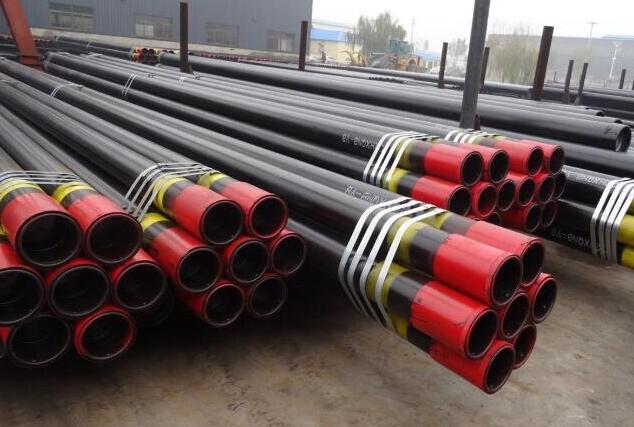
In the oil and gas industry, casing pipes are used to line the wellbore and provide structural support to prevent collapse. Casing pipes are available in various sizes, ranging from a few inches to several feet in diameter. The outer diameter (OD) and wall thickness of casing pipes are critical parameters that determine their load-bearing capacity and resistance to external forces. Additionally, the length of casing pipes is specified based on the depth of the well and the geological conditions encountered.
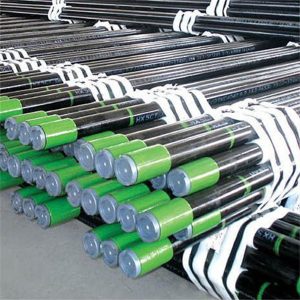
Tubing pipes, on the other hand, are inserted inside the casing to facilitate the production of oil and gas from the reservoir. Tubing pipes are smaller in diameter compared to casing pipes and are designed to transport hydrocarbons to the surface. The dimensions of tubing pipes, including OD, wall thickness, and length, are selected based on the production requirements and well conditions.
In addition to dimensions, the specifications of OCTG casing and tubing pipes include material composition, grade, and connection type. These specifications are crucial for ensuring the mechanical properties, corrosion resistance, and overall performance of the pipes in harsh downhole environments. Different grades of steel are used to manufacture casing and tubing pipes, with each grade offering specific characteristics to meet the operational needs of the well.
Furthermore, the connection type of casing and tubing pipes plays a significant role in ensuring leak-proof and reliable operations. Threaded connections are commonly used to join casing and tubing pipes together, providing a secure seal that prevents fluid migration and maintains well integrity. The type of connection selected depends on factors such as pressure rating, installation method, and well conditions.
In conclusion, the dimensions and specifications of OCTG casing and tubing pipes are critical aspects of well design and construction in the oil and gas industry. By understanding the requirements for these pipes, engineers and operators can ensure the safe and efficient extraction of hydrocarbons from reservoirs. Standardized dimensions, material specifications, and connection types contribute to the overall reliability and performance of OCTG pipes in challenging downhole environments.{:}{:es}
Comprensión de la importancia de las dimensiones de las tuberías de revestimiento y tubería OCTG
Los productos tubulares para campos petrolíferos (OCTG) desempeñan un papel crucial en la industria del petróleo y el gas, ya que sirven como salvavidas para las operaciones de perforación. Entre los diversos componentes de los OCTG, los tubos de revestimiento y tubing se destacan como elementos esenciales que aseguran el éxito y la eficiencia de los proyectos de perforación. Comprender las dimensiones y especificaciones de estas tuberías es fundamental para lograr un rendimiento y una seguridad óptimos en las actividades de exploración y producción de petróleo y gas.
Las tuberías de revestimiento y de tubería están diseñadas para soportar las duras condiciones encontradas durante la perforación, incluidos ambientes corrosivos y de alta presión. temperaturas extremas. Las dimensiones de estas tuberías están diseñadas cuidadosamente para cumplir con los estándares de la industria y los requisitos reglamentarios, lo que garantiza confiabilidad y durabilidad en entornos operativos desafiantes.
Cuando se trata de dimensiones de tuberías y carcasas OCTG, la precisión es clave. El diámetro exterior (OD), el espesor de la pared y la longitud de las tuberías son factores críticos que determinan su resistencia, capacidad de carga y resistencia a fuerzas externas. Los fabricantes se adhieren a estrictas tolerancias dimensionales para garantizar la integridad y el rendimiento de las tuberías en diferentes condiciones operativas.
Además de las dimensiones, la composición del material y las propiedades mecánicas de las tuberías y revestimientos son consideraciones vitales. Estas tuberías suelen estar hechas de acero al carbono o de aleación de alta resistencia para soportar las exigentes condiciones que se encuentran en los pozos de petróleo y gas. Las propiedades mecánicas, como el límite elástico, la resistencia a la tracción y la dureza, se controlan cuidadosamente para garantizar que las tuberías puedan soportar las tensiones impuestas durante las operaciones de perforación y producción.
Además, las especificaciones de las tuberías y revestimientos OCTG abarcan una amplia gama de parámetros, incluido el grado, el tipo de conexión y el diseño de la rosca. La selección de las especificaciones de tubería apropiadas depende de los requisitos específicos del pozo, como la profundidad, la presión y las características del fluido. Elegir la calidad y el tipo de conexión correctos es fundamental para garantizar la compatibilidad con otros equipos de fondo de pozo y lograr un rendimiento óptimo en el pozo.
API 5CT P110 Caing
Las dimensiones y especificaciones de las tuberías de revestimiento y tubería también desempeñan un papel importante en la finalización de pozos y la optimización de la producción. La selección e instalación adecuadas de estas tuberías contribuyen a la integridad del pozo, la protección del yacimiento y la recuperación eficiente de hidrocarburos. Al adherirse a los estándares de la industria y las mejores prácticas en el diseño y selección de tuberías, los operadores pueden minimizar los riesgos, mejorar la eficiencia operativa y maximizar los retornos económicos de sus proyectos de perforación.
En conclusión, comprender la importancia de las dimensiones y especificaciones de las tuberías de revestimiento y tubería OCTG es esencial para el éxito de las operaciones de perforación de petróleo y gas. Al prestar atención a las dimensiones precisas, las propiedades de los materiales y las especificaciones de estas tuberías, los operadores pueden garantizar la confiabilidad, seguridad y eficiencia de sus actividades de construcción y producción de pozos. Con la combinación adecuada de experiencia técnica, garantía de calidad y cumplimiento de los estándares de la industria, las tuberías de revestimiento y tubería OCTG pueden servir como la columna vertebral de proyectos de perforación exitosos, permitiendo la extracción de valiosos recursos de hidrocarburos de una manera sostenible y rentable.
Explorando las especificaciones de tuberías y revestimientos OCTG
Los productos tubulares para campos petrolíferos (OCTG) desempeñan un papel crucial en la industria del petróleo y el gas, ya que sirven como columna vertebral de las operaciones de perforación. Entre los diversos componentes de los OCTG, las tuberías de revestimiento y de tubería son esenciales para mantener la integridad del pozo y garantizar una extracción eficiente de las reservas de petróleo y gas. Comprender las dimensiones y especificaciones de estas tuberías es vital para los ingenieros, operadores y partes interesadas involucradas en la exploración y producción de hidrocarburos.
Cuando se trata de tuberías de revestimiento y tuberías OCTG, las dimensiones y especificaciones se definen cuidadosamente para cumplir con los exigentes requisitos de ambientes de fondo de pozo. Estas tuberías están diseñadas para soportar alta presión, fluidos corrosivos y temperaturas extremas encontradas durante las actividades de perforación y producción. Las dimensiones de las tuberías de revestimiento y de tubería están estandarizadas para garantizar la compatibilidad con otros componentes del sistema de terminación de pozos.
En la industria del petróleo y el gas, las tuberías de revestimiento se utilizan para revestir el pozo y proporcionar soporte estructural para evitar el colapso. Los tubos de revestimiento están disponibles en varios tamaños, desde unas pocas pulgadas hasta varios pies de diámetro. El diámetro exterior (OD) y el espesor de la pared de las tuberías de revestimiento son parámetros críticos que determinan su capacidad de carga y resistencia a fuerzas externas. Además, la longitud de las tuberías de revestimiento se especifica según la profundidad del pozo y las condiciones geológicas encontradas.
J55 Tubería
Las tuberías, por otro lado, se insertan dentro de la carcasa para facilitar la producción de petróleo y gas del yacimiento. Las tuberías tienen un diámetro más pequeño en comparación con las tuberías de revestimiento y están diseñadas para transportar hidrocarburos a la superficie. Las dimensiones de las tuberías, incluido el diámetro exterior, el espesor de la pared y la longitud, se seleccionan en función de los requisitos de producción y las condiciones del pozo.
Además de las dimensiones, las especificaciones de las tuberías y carcasas OCTG incluyen la composición del material, el grado y el tipo de conexión. . Estas especificaciones son cruciales para garantizar las propiedades mecánicas, la resistencia a la corrosión y el rendimiento general de las tuberías en entornos hostiles en el fondo del pozo. Se utilizan diferentes grados de acero para fabricar tuberías de revestimiento y tubería, y cada grado ofrece características específicas para satisfacer las necesidades operativas del pozo.
Además, el tipo de conexión de las tuberías de revestimiento y tubería juega un papel importante para garantizar la estanqueidad y operaciones confiables. Las conexiones roscadas se usan comúnmente para unir tuberías de revestimiento y tuberías, proporcionando un sello seguro que evita la migración de fluidos y mantiene la integridad del pozo. El tipo de conexión seleccionada depende de factores como la presión nominal, el método de instalación y las condiciones del pozo.
En conclusión, las dimensiones y especificaciones de las tuberías de revestimiento y tubería OCTG son aspectos críticos del diseño y la construcción de pozos en la industria del petróleo y el gas. Al comprender los requisitos de estas tuberías, los ingenieros y operadores pueden garantizar la extracción segura y eficiente de hidrocarburos de los yacimientos. Las dimensiones, especificaciones de materiales y tipos de conexión estandarizados contribuyen a la confiabilidad y el rendimiento generales de las tuberías OCTG en entornos desafiantes de fondo de pozo.{:}{:de}
Die Bedeutung der Abmessungen von OCTG-Gehäusen und -Rohrleitungen verstehen
Oil Country Tubular Goods (OCTG) spielen eine entscheidende Rolle in der Öl- und Gasindustrie und dienen als Lebensader für Bohrarbeiten. Unter den verschiedenen Komponenten von OCTG stechen Casing- und Tubing-Rohre als wesentliche Elemente hervor, die den Erfolg und die Effizienz von Bohrprojekten sicherstellen. Das Verständnis der Abmessungen und Spezifikationen dieser Rohre ist für die Erzielung optimaler Leistung und Sicherheit bei Öl- und Gasexplorations- und -produktionsaktivitäten von entscheidender Bedeutung.
Gehäuse- und Rohrrohre sind so konzipiert, dass sie den rauen Bedingungen beim Bohren standhalten, einschließlich hohem Druck, korrosiven Umgebungen usw extreme Temperaturen. Die Abmessungen dieser Rohre wurden sorgfältig entwickelt, um Industriestandards und behördliche Anforderungen zu erfüllen und Zuverlässigkeit und Haltbarkeit in anspruchsvollen Betriebsumgebungen zu gewährleisten.
Bei den Abmessungen von OCTG-Gehäusen und -Rohrleitungen kommt es auf Präzision an. Der Außendurchmesser (AD), die Wandstärke und die Länge der Rohre sind entscheidende Faktoren, die ihre Festigkeit, Tragfähigkeit und Widerstandsfähigkeit gegenüber äußeren Kräften bestimmen. Hersteller halten sich an strenge Maßtoleranzen, um die Integrität und Leistung der Rohre unter unterschiedlichen Betriebsbedingungen zu gewährleisten.
Neben den Abmessungen sind auch die Materialzusammensetzung und die mechanischen Eigenschaften von Gehäuse- und Rohrrohren von entscheidender Bedeutung. Diese Rohre bestehen in der Regel aus hochfestem Kohlenstoffstahl oder legiertem Stahl, um den anspruchsvollen Bedingungen in Öl- und Gasbohrlöchern standzuhalten. Die mechanischen Eigenschaften wie Streckgrenze, Zugfestigkeit und Härte werden sorgfältig kontrolliert, um sicherzustellen, dass die Rohre den Belastungen standhalten, die während Bohr- und Produktionsvorgängen auftreten.
Darüber hinaus umfassen die Spezifikationen von OCTG-Gehäuse- und Rohrrohren ein breites Spektrum Parameter, einschließlich Güteklasse, Verbindungstyp und Gewindedesign. Die Auswahl der geeigneten Rohrspezifikationen hängt von den spezifischen Anforderungen des Bohrlochs wie Tiefe, Druck und Flüssigkeitseigenschaften ab. Die Wahl der richtigen Güteklasse und des richtigen Verbindungstyps ist entscheidend, um die Kompatibilität mit anderen Bohrlochgeräten sicherzustellen und eine optimale Leistung im Bohrloch zu erzielen.
API 5CT P110 Caing
Die Abmessungen und Spezifikationen von Casing- und Tubing-Rohren spielen auch eine wichtige Rolle bei der Fertigstellung von Bohrlöchern und der Produktionsoptimierung. Die richtige Auswahl und Installation dieser Rohre trägt zur Bohrlochintegrität, zum Schutz des Reservoirs und zur effizienten Kohlenwasserstoffgewinnung bei. Durch die Einhaltung von Industriestandards und Best Practices bei der Rohrkonstruktion und -auswahl können Betreiber Risiken minimieren, die betriebliche Effizienz steigern und den wirtschaftlichen Nutzen ihrer Bohrprojekte maximieren.
Abschließend verstehen wir die Bedeutung der Abmessungen und Spezifikationen von OCTG-Futterrohren und -Rohrleitungen ist für den Erfolg von Öl- und Gasbohrungen von entscheidender Bedeutung. Durch die Beachtung der genauen Abmessungen, Materialeigenschaften und Spezifikationen dieser Rohre können Betreiber die Zuverlässigkeit, Sicherheit und Effizienz ihrer Bohrlochbau- und Produktionsaktivitäten gewährleisten. Mit der richtigen Kombination aus technischem Fachwissen, Qualitätssicherung und Einhaltung von Industriestandards können OCTG-Gehäuse- und Rohrrohre als Rückgrat erfolgreicher Bohrprojekte dienen und die Gewinnung wertvoller Kohlenwasserstoffressourcen auf nachhaltige und kostengünstige Weise ermöglichen.
Untersuchung der Spezifikationen von OCTG-Gehäuse- und Rohrrohren
Oil Country Tubular Goods (OCTG) spielen eine entscheidende Rolle in der Öl- und Gasindustrie und dienen als Rückgrat der Bohrarbeiten. Unter den verschiedenen Komponenten von OCTG sind Futterrohre und Rohre für die Aufrechterhaltung der Bohrlochintegrität und die Gewährleistung einer effizienten Förderung von Öl- und Gasreserven von wesentlicher Bedeutung. Das Verständnis der Abmessungen und Spezifikationen dieser Rohre ist für Ingenieure, Betreiber und Interessenvertreter, die an der Exploration und Produktion von Kohlenwasserstoffen beteiligt sind, von entscheidender Bedeutung.
Wenn es um OCTG-Gehäuse- und Rohrrohre geht, werden Abmessungen und Spezifikationen sorgfältig definiert, um den anspruchsvollen Anforderungen von zu entsprechen Bohrlochumgebungen. Diese Rohre sind so konzipiert, dass sie hohem Druck, korrosiven Flüssigkeiten und extremen Temperaturen standhalten, die bei Bohr- und Produktionsaktivitäten auftreten. Die Abmessungen von Futter- und Verrohrungsrohren sind standardisiert, um die Kompatibilität mit anderen Komponenten des Bohrlochvervollständigungssystems sicherzustellen.
In der Öl- und Gasindustrie werden Futterrohre zur Auskleidung des Bohrlochs und zur strukturellen Unterstützung verwendet, um ein Einsturz zu verhindern. Mantelrohre sind in verschiedenen Größen erhältlich, die einen Durchmesser von einigen Zoll bis zu mehreren Fuß haben. Der Außendurchmesser (OD) und die Wandstärke von Mantelrohren sind entscheidende Parameter, die ihre Tragfähigkeit und Widerstandsfähigkeit gegenüber äußeren Kräften bestimmen. Darüber hinaus wird die Länge der Mantelrohre basierend auf der Tiefe des Bohrlochs und den vorgefundenen geologischen Bedingungen angegeben.
J55 Schläuche
Schläuche hingegen werden in das Gehäuse eingeführt, um die Förderung von Öl und Gas aus der Lagerstätte zu erleichtern. Tubing-Rohre haben im Vergleich zu Casing-Rohren einen kleineren Durchmesser und dienen dem Transport von Kohlenwasserstoffen an die Oberfläche. Die Abmessungen der Rohre, einschließlich Außendurchmesser, Wandstärke und Länge, werden auf der Grundlage der Produktionsanforderungen und Bohrlochbedingungen ausgewählt.
Zusätzlich zu den Abmessungen umfassen die Spezifikationen von OCTG-Gehäuse- und Rohrrohren Materialzusammensetzung, Qualität und Verbindungstyp . Diese Spezifikationen sind entscheidend für die Gewährleistung der mechanischen Eigenschaften, der Korrosionsbeständigkeit und der Gesamtleistung der Rohre in rauen Bohrlochumgebungen. Für die Herstellung von Casing- und Tubing-Rohren werden verschiedene Stahlsorten verwendet, wobei jede Sorte spezifische Eigenschaften aufweist, um den betrieblichen Anforderungen des Bohrlochs gerecht zu werden.
Darüber hinaus spielt die Verbindungsart von Casing- und Tubing-Rohren eine wichtige Rolle bei der Gewährleistung von Leckagesicherheit und zuverlässige Abläufe. Gewindeverbindungen werden häufig zum Verbinden von Gehäuse- und Rohrrohren verwendet und sorgen für eine sichere Abdichtung, die eine Flüssigkeitsmigration verhindert und die Bohrlochintegrität aufrechterhält. Der ausgewählte Verbindungstyp hängt von Faktoren wie der Druckstufe, der Installationsmethode und den Bohrlochbedingungen ab.
Zusammenfassend lässt sich sagen, dass die Abmessungen und Spezifikationen von OCTG-Gehäuse- und Rohrrohren kritische Aspekte der Bohrlochkonstruktion und -konstruktion in der Öl- und Gasindustrie sind. Durch das Verständnis der Anforderungen an diese Rohre können Ingenieure und Betreiber die sichere und effiziente Förderung von Kohlenwasserstoffen aus Lagerstätten gewährleisten. Standardisierte Abmessungen, Materialspezifikationen und Verbindungstypen tragen zur Gesamtzuverlässigkeit und Leistung von OCTG-Rohren in anspruchsvollen Bohrlochumgebungen bei.{:}{:fr}
Comprendre l’importance des dimensions des caissons et des tubes OCTG
Les produits tubulaires pour champs pétrolifères (OCTG) jouent un rôle crucial dans l’industrie pétrolière et gazière, servant de bouée de sauvetage pour les opérations de forage. Parmi les différents composants des OCTG, les tubages et tubings se démarquent comme des éléments essentiels qui assurent le succès et l’efficacité des projets de forage. Comprendre les dimensions et les spécifications de ces tuyaux est primordial pour obtenir des performances et une sécurité optimales dans les activités d’exploration et de production pétrolières et gazières.
Les tuyaux de tubage et de tubage sont conçus pour résister aux conditions difficiles rencontrées lors du forage, y compris les environnements corrosifs à haute pression et températures extrêmes. Les dimensions de ces tuyaux sont soigneusement conçues pour répondre aux normes industrielles et aux exigences réglementaires, garantissant ainsi fiabilité et durabilité dans des environnements d’exploitation difficiles.
En ce qui concerne les dimensions des tubages et des tubes OCTG, la précision est essentielle. Le diamètre extérieur (OD), l’épaisseur de paroi et la longueur des tuyaux sont des facteurs critiques qui déterminent leur résistance, leur capacité portante et leur résistance aux forces externes. Les fabricants adhèrent à des tolérances dimensionnelles strictes pour garantir l’intégrité et les performances des tuyaux dans diverses conditions de fonctionnement.
En plus des dimensions, la composition des matériaux et les propriétés mécaniques des tubes de tubage et de tubage sont des considérations vitales. Ces tuyaux sont généralement fabriqués à partir d’acier au carbone ou allié à haute résistance pour résister aux conditions exigeantes rencontrées dans les puits de pétrole et de gaz. Les propriétés mécaniques, telles que la limite d’élasticité, la résistance à la traction et la dureté, sont soigneusement contrôlées pour garantir que les tuyaux peuvent résister aux contraintes imposées lors des opérations de forage et de production.
De plus, les spécifications des tubes de tubage et de tubage OCTG englobent une large gamme de paramètres, y compris la qualité, le type de connexion et la conception du filetage. La sélection des spécifications de tuyauterie appropriées dépend des exigences spécifiques du puits, telles que la profondeur, la pression et les caractéristiques du fluide. Choisir la bonne qualité et le bon type de connexion est crucial pour garantir la compatibilité avec d’autres équipements de fond et obtenir des performances optimales dans le puits de forage.
Exploration des spécifications des tubages et des tubes OCTG
Les produits tubulaires pour champs pétrolifères (OCTG) jouent un rôle crucial dans l’industrie pétrolière et gazière, servant de base aux opérations de forage. Parmi les différents composants des OCTG, les tuyaux de tubage et de tubage sont essentiels pour maintenir l’intégrité des puits et assurer une extraction efficace des réserves de pétrole et de gaz. Comprendre les dimensions et les spécifications de ces tuyaux est vital pour les ingénieurs, les opérateurs et les parties prenantes impliquées dans l’exploration et la production d’hydrocarbures.
En ce qui concerne les tuyaux de tubage et de tubage OCTG, les dimensions et les spécifications sont soigneusement définies pour répondre aux exigences exigeantes de environnements de fond. Ces tuyaux sont conçus pour résister aux hautes pressions, aux fluides corrosifs et aux températures extrêmes rencontrées lors des activités de forage et de production. Les dimensions des tuyaux de tubage et de tubage sont normalisées pour garantir la compatibilité avec les autres composants du système de complétion de puits.
Dans l’industrie pétrolière et gazière, les tuyaux de tubage sont utilisés pour recouvrir le puits de forage et fournir un support structurel pour éviter l’effondrement. Les tuyaux de tubage sont disponibles en différentes tailles, allant de quelques pouces à plusieurs pieds de diamètre. Le diamètre extérieur (OD) et l’épaisseur de paroi des tubes de tubage sont des paramètres critiques qui déterminent leur capacité portante et leur résistance aux forces externes. De plus, la longueur des tuyaux de tubage est spécifiée en fonction de la profondeur du puits et des conditions géologiques rencontrées.
J55 Tubing
Tubing pipes, on the other hand, are inserted inside the casing to facilitate the production of oil and gas from the reservoir. Tubing pipes are smaller in diameter compared to casing pipes and are designed to transport hydrocarbons to the surface. The dimensions of tubing pipes, including OD, wall thickness, and length, are selected based on the production requirements and well conditions.
In addition to dimensions, the specifications of OCTG casing and tubing pipes include material composition, grade, and connection type. These specifications are crucial for ensuring the mechanical properties, corrosion resistance, and overall performance of the pipes in harsh downhole environments. Different grades of steel are used to manufacture casing and tubing pipes, with each grade offering specific characteristics to meet the operational needs of the well.
Furthermore, the connection type of casing and tubing pipes plays a significant role in ensuring leak-proof and reliable operations. Threaded connections are commonly used to join casing and tubing pipes together, providing a secure seal that prevents fluid migration and maintains well integrity. The type of connection selected depends on factors such as pressure rating, installation method, and well conditions.
In conclusion, the dimensions and specifications of OCTG casing and tubing pipes are critical aspects of well design and construction in the oil and gas industry. By understanding the requirements for these pipes, engineers and operators can ensure the safe and efficient extraction of hydrocarbons from reservoirs. Standardized dimensions, material specifications, and connection types contribute to the overall reliability and performance of OCTG pipes in challenging downhole environments.{:}{:ru}
Понимание важности размеров обсадных труб и труб OCTG
Трубная продукция Oil Country (OCTG) играет решающую роль в нефтегазовой отрасли, служа основой для буровых работ. Среди различных компонентов OCTG обсадные и насосно-компрессорные трубы выделяются как важнейшие элементы, обеспечивающие успех и эффективность буровых проектов. Понимание размеров и характеристик этих труб имеет первостепенное значение для достижения оптимальных характеристик и безопасности при разведке и добыче нефти и газа.
Обсадные и насосно-компрессорные трубы спроектированы так, чтобы выдерживать суровые условия, возникающие во время бурения, включая высокое давление, агрессивные среды и экстремальные температуры. Размеры этих труб тщательно разработаны в соответствии с отраслевыми стандартами и нормативными требованиями, что обеспечивает надежность и долговечность в сложных условиях эксплуатации.
Когда дело доходит до размеров обсадных труб и труб OCTG, точность является ключевым моментом. Наружный диаметр (НД), толщина стенки и длина труб являются важнейшими факторами, определяющими их прочность, несущую способность и устойчивость к внешним воздействиям. Производители придерживаются строгих допусков на размеры, чтобы гарантировать целостность и работоспособность труб в различных условиях эксплуатации.
Помимо размеров, жизненно важными факторами являются состав материала и механические свойства обсадных и насосно-компрессорных труб. Эти трубы обычно изготавливаются из высокопрочной углеродистой или легированной стали, чтобы выдерживать сложные условия, встречающиеся в нефтяных и газовых скважинах. Механические свойства, такие как предел текучести, предел прочности и твердость, тщательно контролируются, чтобы гарантировать, что трубы могут выдерживать напряжения, возникающие во время бурения и производственных операций.
Кроме того, характеристики обсадных и насосно-компрессорных труб OCTG охватывают широкий диапазон параметры, включая марку, тип соединения и конструкцию резьбы. Выбор соответствующих характеристик труб зависит от конкретных требований скважины, таких как глубина, давление и характеристики жидкости. Выбор правильной марки и типа соединения имеет решающее значение для обеспечения совместимости с другим скважинным оборудованием и достижения оптимальной производительности в стволе скважины.
API 5CT P110 Caing
Размеры и характеристики обсадных и насосно-компрессорных труб также играют важную роль в заканчивании скважин и оптимизации добычи. Правильный выбор и установка этих труб способствуют целостности скважин, защите пласта и эффективной добыче углеводородов. Придерживаясь отраслевых стандартов и передового опыта в проектировании и выборе труб, операторы могут минимизировать риски, повысить эксплуатационную эффективность и максимизировать экономическую отдачу от своих буровых проектов.
В заключение, понимая важность размеров и технических характеристик обсадных труб и труб OCTG имеет важное значение для успеха операций по бурению нефти и газа. Обращая внимание на точные размеры, свойства материалов и характеристики этих труб, операторы могут обеспечить надежность, безопасность и эффективность своей деятельности по строительству и добыче скважин. При правильном сочетании технических знаний, обеспечения качества и соблюдения отраслевых стандартов обсадные и насосно-компрессорные трубы OCTG могут стать основой успешных буровых проектов, позволяя добывать ценные углеводородные ресурсы устойчивым и экономически эффективным способом.
Изучение характеристик обсадных и насосно-компрессорных труб OCTG
Производство трубной продукции Oil Country (OCTG) играет решающую роль в нефтегазовой отрасли, служа основой буровых операций. Среди различных компонентов OCTG обсадные и насосно-компрессорные трубы имеют решающее значение для поддержания целостности скважин и обеспечения эффективной добычи запасов нефти и газа. Понимание размеров и характеристик этих труб жизненно важно для инженеров, операторов и заинтересованных сторон, участвующих в разведке и добыче углеводородов.
Когда речь идет об обсадных и насосно-компрессорных трубах OCTG, размеры и характеристики тщательно определяются для удовлетворения строгих требований скважинные среды. Эти трубы спроектированы так, чтобы выдерживать высокое давление, агрессивные жидкости и экстремальные температуры, возникающие во время бурения и добычи. Размеры обсадных и насосно-компрессорных труб стандартизированы для обеспечения совместимости с другими компонентами системы заканчивания скважин.
В нефтегазовой промышленности обсадные трубы используются для облицовки ствола скважины и обеспечения структурной поддержки для предотвращения обрушения. Обсадные трубы доступны в различных размерах, от нескольких дюймов до нескольких футов в диаметре. Наружный диаметр (НД) и толщина стенки обсадных труб являются важнейшими параметрами, определяющими их несущую способность и устойчивость к внешним воздействиям. Кроме того, длина обсадных труб указывается в зависимости от глубины скважины и геологических условий.
J55 НКТ
НКТ, с другой стороны, вставляются внутрь обсадной колонны для облегчения добычи нефти и газа из пласта. НКТ имеют меньший диаметр по сравнению с обсадными трубами и предназначены для транспортировки углеводородов на поверхность. Размеры насосно-компрессорных труб, включая внешний диаметр, толщину стенки и длину, выбираются исходя из производственных требований и условий скважины.
Помимо размеров, технические характеристики обсадных и насосно-компрессорных труб OCTG включают состав материала, марку и тип соединения. . Эти характеристики имеют решающее значение для обеспечения механических свойств, коррозионной стойкости и общей производительности труб в суровых скважинных условиях. Для изготовления обсадных и насосно-компрессорных труб используются различные марки стали, причем каждая марка обладает определенными характеристиками для удовлетворения эксплуатационных потребностей скважины.
Кроме того, тип соединения обсадных и насосно-компрессорных труб играет значительную роль в обеспечении герметичности и герметичности. надежные операции. Резьбовые соединения обычно используются для соединения обсадных и насосно-компрессорных труб вместе, обеспечивая надежное уплотнение, предотвращающее миграцию жидкости и поддерживающее целостность скважины. Выбор типа соединения зависит от таких факторов, как номинальное давление, метод установки и условия скважины.
В заключение отметим, что размеры и характеристики обсадных и насосно-компрессорных труб OCTG являются важными аспектами проектирования и строительства скважин в нефтегазовой отрасли. Понимая требования, предъявляемые к этим трубам, инженеры и операторы могут обеспечить безопасную и эффективную добычу углеводородов из пластов. Стандартизированные размеры, характеристики материалов и типы соединений способствуют общей надежности и производительности труб OCTG в сложных скважинных условиях.{:}{:it}
Comprensione dell’importanza delle dimensioni dell’involucro e dei tubi OCTG
I prodotti tubolari petroliferi (OCTG) svolgono un ruolo cruciale nell’industria del petrolio e del gas, fungendo da ancora di salvezza per le operazioni di trivellazione. Tra i vari componenti dell’OCTG, i tubi rivestimento e tubazione si distinguono come elementi essenziali che garantiscono il successo e l’efficienza dei progetti di perforazione. Comprendere le dimensioni e le specifiche di questi tubi è fondamentale per ottenere prestazioni e sicurezza ottimali nelle attività di esplorazione e produzione di petrolio e gas.
I tubi di rivestimento e tubazione sono progettati per resistere alle condizioni difficili incontrate durante la perforazione, inclusi ambienti ad alta pressione, corrosivi e temperature estreme. Le dimensioni di questi tubi sono attentamente progettate per soddisfare gli standard di settore e i requisiti normativi, garantendo affidabilità e durata in ambienti operativi difficili.
Quando si tratta delle dimensioni dei tubi e degli involucri OCTG, la precisione è fondamentale. Il diametro esterno (OD), lo spessore delle pareti e la lunghezza dei tubi sono fattori critici che ne determinano la robustezza, la capacità di carico e la resistenza alle forze esterne. I produttori aderiscono a rigorose tolleranze dimensionali per garantire l’integrità e le prestazioni dei tubi in diverse condizioni operative.
Oltre alle dimensioni, la composizione del materiale e le proprietà meccaniche dei tubi e degli involucri sono considerazioni fondamentali. Questi tubi sono generalmente realizzati in acciaio al carbonio o legato ad alta resistenza per resistere alle difficili condizioni incontrate nei pozzi di petrolio e gas. Le proprietà meccaniche, come resistenza allo snervamento, resistenza alla trazione e durezza, sono attentamente controllate per garantire che i tubi possano resistere alle sollecitazioni imposte durante le operazioni di perforazione e produzione.
Inoltre, le specifiche dei tubi e tubi OCTG comprendono un’ampia gamma di parametri, tra cui qualità, tipo di connessione e design della filettatura. La selezione delle specifiche del tubo appropriate dipende dai requisiti specifici del pozzo, come profondità, pressione e caratteristiche del fluido. La scelta del grado e del tipo di connessione corretti è fondamentale per garantire la compatibilità con altre apparecchiature di fondo pozzo e ottenere prestazioni ottimali nel pozzo.
API 5CT P110 Caing
Anche le dimensioni e le specifiche dei tubi di rivestimento e tubazione svolgono un ruolo significativo nel completamento dei pozzi e nell’ottimizzazione della produzione. La corretta selezione e installazione di questi tubi contribuisce all’integrità del pozzo, alla protezione del serbatoio e all’efficiente recupero degli idrocarburi. Aderendo agli standard di settore e alle migliori pratiche nella progettazione e nella selezione dei tubi, gli operatori possono ridurre al minimo i rischi, migliorare l’efficienza operativa e massimizzare i ritorni economici dei loro progetti di perforazione.
In conclusione, comprendere l’importanza delle dimensioni e delle specifiche dei tubi e dei tubi OCTG è essenziale per il successo delle operazioni di trivellazione di petrolio e gas. Prestando attenzione alle dimensioni precise, alle proprietà dei materiali e alle specifiche di questi tubi, gli operatori possono garantire l’affidabilità, la sicurezza e l’efficienza delle loro attività di costruzione e produzione di pozzi. Con la giusta combinazione di competenza tecnica, garanzia di qualità e rispetto degli standard di settore, i tubi e tubi OCTG possono fungere da spina dorsale di progetti di trivellazione di successo, consentendo l’estrazione di preziose risorse di idrocarburi in modo sostenibile ed economicamente vantaggioso.
Esplorazione delle specifiche dei tubi e dell’involucro OCTG
I prodotti tubolari petroliferi (OCTG) svolgono un ruolo cruciale nell’industria del petrolio e del gas, fungendo da spina dorsale delle operazioni di trivellazione. Tra i vari componenti dell’OCTG, i tubi di rivestimento e di tubazione sono essenziali per mantenere l’integrità del pozzo e garantire un’estrazione efficiente delle riserve di petrolio e gas. Comprendere le dimensioni e le specifiche di questi tubi è vitale per ingegneri, operatori e parti interessate coinvolte nell’esplorazione e nella produzione di idrocarburi.
Quando si tratta di tubi con rivestimento e tubazione OCTG, le dimensioni e le specifiche vengono definite attentamente per soddisfare i severi requisiti di ambienti di fondo pozzo. Questi tubi sono progettati per resistere ad alta pressione, fluidi corrosivi e temperature estreme incontrate durante le attività di perforazione e produzione. Le dimensioni dei tubi di rivestimento e di tubazione sono standardizzate per garantire la compatibilità con altri componenti del sistema di completamento del pozzo.
Nell’industria petrolifera e del gas, i tubi di rivestimento vengono utilizzati per rivestire il pozzo e fornire supporto strutturale per prevenire il collasso. I tubi di rivestimento sono disponibili in varie dimensioni, che vanno da pochi pollici a diversi piedi di diametro. Il diametro esterno (OD) e lo spessore delle pareti dei tubi di rivestimento sono parametri critici che determinano la loro capacità di carico e resistenza alle forze esterne. Inoltre, la lunghezza dei tubi di rivestimento viene specificata in base alla profondità del pozzo e alle condizioni geologiche incontrate.
J55 Tubing
I tubi tubing, invece, sono inseriti all’interno dell’involucro per facilitare la produzione di petrolio e gas dal giacimento. I tubi hanno un diametro inferiore rispetto ai tubi di rivestimento e sono progettati per trasportare gli idrocarburi in superficie. Le dimensioni dei tubi, inclusi diametro esterno, spessore delle pareti e lunghezza, vengono selezionate in base ai requisiti di produzione e alle condizioni del pozzo.
Oltre alle dimensioni, le specifiche dei tubi con rivestimento e tubazione OCTG includono la composizione del materiale, il grado e il tipo di connessione . Queste specifiche sono fondamentali per garantire le proprietà meccaniche, la resistenza alla corrosione e le prestazioni complessive dei tubi in ambienti difficili di fondo pozzo. Per produrre tubi e tubi di rivestimento vengono utilizzati diversi gradi di acciaio, ciascuno dei quali offre caratteristiche specifiche per soddisfare le esigenze operative del pozzo.
Inoltre, il tipo di connessione dei tubi di rivestimento e tubazione gioca un ruolo significativo nel garantire la tenuta e operazioni affidabili. Le connessioni filettate sono comunemente utilizzate per unire insieme tubi e tubi, fornendo una tenuta sicura che impedisce la migrazione del fluido e mantiene l’integrità del pozzo. Il tipo di connessione selezionato dipende da fattori quali pressione nominale, metodo di installazione e condizioni del pozzo.
In conclusione, le dimensioni e le specifiche dei tubi e degli involucri OCTG sono aspetti critici della progettazione e della costruzione dei pozzi nell’industria del petrolio e del gas. Comprendendo i requisiti di questi tubi, ingegneri e operatori possono garantire l’estrazione sicura ed efficiente degli idrocarburi dai serbatoi. Dimensioni standardizzate, specifiche dei materiali e tipi di connessione contribuiscono all’affidabilità e alle prestazioni complessive dei tubi OCTG in ambienti downhole difficili.{:}{:pl}
Zrozumienie znaczenia wymiarów obudowy i rurki OCTG
Oil Country Tubular Goods (OCTG) odgrywają kluczową rolę w przemyśle naftowym i gazowym, służąc jako koło ratunkowe w operacjach wiertniczych. Wśród różnych komponentów OCTG, rury osłonowe i rurowe wyróżniają się jako istotne elementy zapewniające powodzenie i efektywność projektów wiertniczych. Zrozumienie wymiarów i specyfikacji tych rur ma kluczowe znaczenie dla osiągnięcia optymalnej wydajności i bezpieczeństwa w działalności związanej z poszukiwaniem i wydobyciem ropy i gazu.
Rury osłonowe i rurowe są zaprojektowane tak, aby wytrzymać trudne warunki napotykane podczas wierceń, w tym wysokie ciśnienie, środowiska korozyjne i ekstremalne temperatury. Wymiary tych rur są starannie zaprojektowane, aby spełniać standardy branżowe i wymagania regulacyjne, zapewniając niezawodność i trwałość w trudnych warunkach operacyjnych.
Jeśli chodzi o wymiary obudowy OCTG i rur, precyzja jest kluczem. Średnica zewnętrzna (OD), grubość ścianki i długość rur to krytyczne czynniki określające ich wytrzymałość, nośność i odporność na siły zewnętrzne. Producenci przestrzegają ścisłych tolerancji wymiarowych, aby zagwarantować integralność i wydajność rur w różnych warunkach pracy.
Oprócz wymiarów, istotnym czynnikiem jest skład materiału i właściwości mechaniczne rur osłonowych i rurowych. Rury te są zwykle wykonane z wysokowytrzymałej stali węglowej lub stopowej, aby wytrzymać wymagające warunki występujące w odwiertach naftowych i gazowych. Właściwości mechaniczne, takie jak granica plastyczności, wytrzymałość na rozciąganie i twardość, są dokładnie kontrolowane, aby zapewnić, że rury wytrzymają naprężenia występujące podczas wiercenia i produkcji.
Ponadto specyfikacje rur osłonowych i rurowych OCTG obejmują szeroki zakres parametry, w tym gatunek, typ połączenia i projekt gwintu. Wybór odpowiednich specyfikacji rur zależy od specyficznych wymagań odwiertu, takich jak głębokość, ciśnienie i charakterystyka płynu. Wybór odpowiedniego gatunku i typu połączenia ma kluczowe znaczenie dla zapewnienia kompatybilności z innym sprzętem odwiertowym i osiągnięcia optymalnej wydajności w odwiercie.
API 5CT P110 Caing
Wymiary i specyfikacje rur osłonowych i rurowych również odgrywają znaczącą rolę w kompletacji odwiertów i optymalizacji produkcji. Właściwy dobór i instalacja tych rur przyczynia się do integralności odwiertu, ochrony złóż i efektywnego odzysku węglowodorów. Przestrzegając standardów branżowych i najlepszych praktyk w zakresie projektowania i doboru rur, operatorzy mogą zminimalizować ryzyko, zwiększyć wydajność operacyjną i zmaksymalizować zyski ekonomiczne ze swoich projektów wiertniczych.
Podsumowując, zrozumienie znaczenia wymiarów i specyfikacji rur osłonowych i rurowych OCTG ma zasadnicze znaczenie dla powodzenia operacji wierceń ropy i gazu. Zwracając uwagę na dokładne wymiary, właściwości materiału i specyfikacje tych rur, operatorzy mogą zapewnić niezawodność, bezpieczeństwo i wydajność swojej działalności związanej z budową odwiertów i produkcją. Dzięki odpowiedniemu połączeniu wiedzy technicznej, zapewnienia jakości i zgodności z normami branżowymi, rury osłonowe i rurowe OCTG mogą służyć jako szkielet udanych projektów wiertniczych, umożliwiając wydobycie cennych zasobów węglowodorów w sposób zrównoważony i opłacalny.
Badanie specyfikacji rur osłonowych i rurowych OCTG
Oil Country Tubular Goods (OCTG) odgrywają kluczową rolę w przemyśle naftowym i gazowym, stanowiąc podstawę operacji wiertniczych. Wśród różnych elementów OCTG, rury osłonowe i rurowe są niezbędne do utrzymania integralności odwiertu i zapewnienia wydajnego wydobycia złóż ropy i gazu. Zrozumienie wymiarów i specyfikacji tych rur jest niezbędne dla inżynierów, operatorów i interesariuszy zaangażowanych w poszukiwanie i produkcję węglowodorów.
Jeśli chodzi o rury osłonowe i przewody OCTG, wymiary i specyfikacje są dokładnie określone, aby spełnić rygorystyczne wymagania środowiska głębinowe. Rury te są zaprojektowane tak, aby wytrzymać wysokie ciśnienie, płyny korozyjne i ekstremalne temperatury występujące podczas wiercenia i produkcji. Wymiary rur osłonowych i rurowych są znormalizowane, aby zapewnić kompatybilność z innymi elementami systemu wykańczania odwiertów.
W przemyśle naftowym i gazowym rury osłonowe służą do wyłożenia odwiertu i zapewniają podparcie konstrukcyjne zapobiegające zawaleniu się. Rury osłonowe są dostępne w różnych rozmiarach, o średnicy od kilku cali do kilku stóp. Średnica zewnętrzna (OD) i grubość ścianki rur osłonowych to krytyczne parametry określające ich nośność i odporność na siły zewnętrzne. Dodatkowo długość rur osłonowych określana jest na podstawie głębokości odwiertu i napotkanych warunków geologicznych.
J55 Rury
Rury natomiast są wkładane do obudowy, aby ułatwić wydobycie ropy i gazu ze złoża. Rury rurowe mają mniejszą średnicę w porównaniu do rur osłonowych i są przeznaczone do transportu węglowodorów na powierzchnię. Wymiary rurek, w tym średnica zewnętrzna, grubość ścianki i długość, dobierane są w oparciu o wymagania produkcyjne i warunki odwiertu.
Oprócz wymiarów, specyfikacje rur osłonowych OCTG i rurek obejmują skład materiału, gatunek i typ połączenia . Specyfikacje te mają kluczowe znaczenie dla zapewnienia właściwości mechanicznych, odporności na korozję i ogólnej wydajności rur w trudnych warunkach odwiertowych. Do produkcji rur osłonowych i rurowych stosuje się różne gatunki stali, przy czym każdy gatunek oferuje specyficzne właściwości spełniające potrzeby operacyjne odwiertu.
Co więcej, rodzaj połączenia rur osłonowych i rurowych odgrywa znaczącą rolę w zapewnieniu szczelności i niezawodne operacje. Połączenia gwintowane są powszechnie stosowane do łączenia ze sobą rur osłonowych i rurowych, zapewniając bezpieczne uszczelnienie, które zapobiega migracji płynu i utrzymuje integralność studni. Rodzaj wybranego połączenia zależy od takich czynników, jak ciśnienie znamionowe, metoda instalacji i warunki odwiertu.
Podsumowując, wymiary i specyfikacje rur osłonowych i rurowych OCTG są krytycznymi aspektami projektowania i budowy odwiertów w przemyśle naftowym i gazowym. Rozumiejąc wymagania dotyczące tych rur, inżynierowie i operatorzy mogą zapewnić bezpieczne i wydajne wydobycie węglowodorów ze złóż. Znormalizowane wymiary, specyfikacje materiałowe i rodzaje połączeń przyczyniają się do ogólnej niezawodności i wydajności rur OCTG w trudnych warunkach odwiertów.{:}{:hi}
OCTG आवरण और ट्यूबिंग पाइप आयामों के महत्व को समझना
एपीआई 5सीटी पी110 केंग[/कैप्शन]
केसिंग और ट्यूबिंग पाइप के आयाम और विनिर्देश भी अच्छी तरह से पूरा होने और उत्पादन अनुकूलन में महत्वपूर्ण भूमिका निभाते हैं। इन पाइपों का उचित चयन और स्थापना अच्छी अखंडता, जलाशय संरक्षण और कुशल हाइड्रोकार्बन पुनर्प्राप्ति में योगदान करती है। पाइप डिजाइन और चयन में उद्योग मानकों और सर्वोत्तम प्रथाओं का पालन करके, ऑपरेटर जोखिमों को कम कर सकते हैं, परिचालन दक्षता बढ़ा सकते हैं, और अपनी ड्रिलिंग परियोजनाओं के आर्थिक रिटर्न को अधिकतम कर सकते हैं। तेल और गैस ड्रिलिंग कार्यों की सफलता के लिए आवश्यक है। इन पाइपों के सटीक आयामों, भौतिक गुणों और विशिष्टताओं पर ध्यान देकर, ऑपरेटर अपने कुएं के निर्माण और उत्पादन गतिविधियों की विश्वसनीयता, सुरक्षा और दक्षता सुनिश्चित कर सकते हैं। तकनीकी विशेषज्ञता, गुणवत्ता आश्वासन और उद्योग मानकों के पालन के सही संयोजन के साथ, OCTG आवरण और टयूबिंग पाइप सफल ड्रिलिंग परियोजनाओं की रीढ़ के रूप में काम कर सकते हैं, जो टिकाऊ और लागत प्रभावी तरीके से मूल्यवान हाइड्रोकार्बन संसाधनों के निष्कर्षण को सक्षम करते हैं।
OCTG केसिंग और टयूबिंग पाइप्स की विशिष्टताओं की खोज
J55 ट्यूबिंग[/कैप्शन]
दूसरी ओर, जलाशय से तेल और गैस के उत्पादन को सुविधाजनक बनाने के लिए ट्यूबिंग पाइप को आवरण के अंदर डाला जाता है। ट्यूबिंग पाइप केसिंग पाइप की तुलना में व्यास में छोटे होते हैं और हाइड्रोकार्बन को सतह तक ले जाने के लिए डिज़ाइन किए जाते हैं। ओडी, दीवार की मोटाई और लंबाई सहित टयूबिंग पाइप के आयामों का चयन उत्पादन आवश्यकताओं और कुएं की स्थिति के आधार पर किया जाता है। . ये विशिष्टताएँ यांत्रिक गुणों, संक्षारण प्रतिरोध और कठोर डाउनहोल वातावरण में पाइपों के समग्र प्रदर्शन को सुनिश्चित करने के लिए महत्वपूर्ण हैं। केसिंग और टयूबिंग पाइप के निर्माण के लिए स्टील के विभिन्न ग्रेड का उपयोग किया जाता है, प्रत्येक ग्रेड कुएं की परिचालन आवश्यकताओं को पूरा करने के लिए विशिष्ट विशेषताओं की पेशकश करता है। इसके अलावा, केसिंग और टयूबिंग पाइप का कनेक्शन प्रकार रिसाव-प्रूफ सुनिश्चित करने में महत्वपूर्ण भूमिका निभाता है और विश्वसनीय संचालन. थ्रेडेड कनेक्शन का उपयोग आमतौर पर केसिंग और ट्यूबिंग पाइपों को एक साथ जोड़ने के लिए किया जाता है, जो एक सुरक्षित सील प्रदान करता है जो द्रव प्रवास को रोकता है और अच्छी तरह से अखंडता बनाए रखता है। चयनित कनेक्शन का प्रकार दबाव रेटिंग, स्थापना विधि और कुएं की स्थिति जैसे कारकों पर निर्भर करता है। निष्कर्ष में, ओसीटीजी आवरण और टयूबिंग पाइप के आयाम और विनिर्देश तेल और गैस उद्योग में कुएं के डिजाइन और निर्माण के महत्वपूर्ण पहलू हैं। इन पाइपों की आवश्यकताओं को समझकर, इंजीनियर और ऑपरेटर जलाशयों से हाइड्रोकार्बन की सुरक्षित और कुशल निकासी सुनिश्चित कर सकते हैं। मानकीकृत आयाम, सामग्री विनिर्देश और कनेक्शन प्रकार चुनौतीपूर्ण डाउनहोल वातावरण में OCTG पाइप की समग्र विश्वसनीयता और प्रदर्शन में योगदान करते हैं।
Oil Country Tubular Goods (OCTG) play a crucial role in the oil and gas industry, serving as the backbone of drilling operations. Among the various components of OCTG, casing and tubing pipes are essential for maintaining well integrity and ensuring efficient extraction of oil and gas reserves. Understanding the dimensions and specifications of these pipes is vital for engineers, operators, and stakeholders involved in the exploration and production of hydrocarbons.
When it comes to OCTG casing and tubing pipes, dimensions and specifications are carefully defined to meet the demanding requirements of downhole environments. These pipes are designed to withstand high pressure, corrosive fluids, and extreme temperatures encountered during drilling and production activities. The dimensions of casing and tubing pipes are standardized to ensure compatibility with other components of the well completion system.
In the oil and gas industry, casing pipes are used to line the wellbore and provide structural support to prevent collapse. Casing pipes are available in various sizes, ranging from a few inches to several feet in diameter. The outer diameter (OD) and wall thickness of casing pipes are critical parameters that determine their load-bearing capacity and resistance to external forces. Additionally, the length of casing pipes is specified based on the depth of the well and the geological conditions encountered.
J55 Tubing
Tubing pipes, on the other hand, are inserted inside the casing to facilitate the production of oil and gas from the reservoir. Tubing pipes are smaller in diameter compared to casing pipes and are designed to transport hydrocarbons to the surface. The dimensions of tubing pipes, including OD, wall thickness, and length, are selected based on the production requirements and well conditions.
In addition to dimensions, the specifications of OCTG casing and tubing pipes include material composition, grade, and connection type. These specifications are crucial for ensuring the mechanical properties, corrosion resistance, and overall performance of the pipes in harsh downhole environments. Different grades of steel are used to manufacture casing and tubing pipes, with each grade offering specific characteristics to meet the operational needs of the well.
Furthermore, the connection type of casing and tubing pipes plays a significant role in ensuring leak-proof and reliable operations. Threaded connections are commonly used to join casing and tubing pipes together, providing a secure seal that prevents fluid migration and maintains well integrity. The type of connection selected depends on factors such as pressure rating, installation method, and well conditions.
In conclusion, the dimensions and specifications of OCTG casing and tubing pipes are critical aspects of well design and construction in the oil and gas industry. By understanding the requirements for these pipes, engineers and operators can ensure the safe and efficient extraction of hydrocarbons from reservoirs. Standardized dimensions, material specifications, and connection types contribute to the overall reliability and performance of OCTG pipes in challenging downhole environments.{:}{:th}
Oil Country Tubular Goods (OCTG) มีบทบาทสำคัญในอุตสาหกรรมน้ำมันและก๊าซ โดยทำหน้าที่เป็นเส้นชีวิตในการดำเนินการขุดเจาะ ในบรรดาส่วนประกอบต่างๆ ของ OCTG ท่อปลอกและท่อมีความโดดเด่นเป็นองค์ประกอบสำคัญที่ช่วยให้มั่นใจถึงความสำเร็จและประสิทธิภาพของโครงการขุดเจาะ การทำความเข้าใจขนาดและข้อมูลจำเพาะของท่อเหล่านี้เป็นสิ่งสำคัญอย่างยิ่งในการบรรลุประสิทธิภาพและความปลอดภัยสูงสุดในกิจกรรมการสำรวจและผลิตน้ำมันและก๊าซ
ท่อปลอกและท่อได้รับการออกแบบให้ทนทานต่อสภาวะที่ไม่เอื้ออำนวยที่พบในระหว่างการขุดเจาะ รวมถึงแรงดันสูง สภาพแวดล้อมที่มีฤทธิ์กัดกร่อน และ อุณหภูมิสูงมาก ขนาดของท่อเหล่านี้ได้รับการออกแบบทางวิศวกรรมอย่างรอบคอบเพื่อให้ตรงตามมาตรฐานอุตสาหกรรมและข้อกำหนดด้านกฎระเบียบ เพื่อให้มั่นใจในความน่าเชื่อถือและความทนทานในสภาพแวดล้อมการทำงานที่ท้าทาย
เมื่อพูดถึงขนาดท่อของท่อและท่อ OCTG ความแม่นยำคือสิ่งสำคัญ เส้นผ่านศูนย์กลางภายนอก (OD) ความหนาของผนัง และความยาวของท่อเป็นปัจจัยสำคัญที่กำหนดความแข็งแรง ความสามารถในการรับน้ำหนัก และความต้านทานต่อแรงภายนอก ผู้ผลิตปฏิบัติตามเกณฑ์ความคลาดเคลื่อนด้านขนาดที่เข้มงวดเพื่อรับประกันความสมบูรณ์และประสิทธิภาพของท่อภายใต้สภาวะการทำงานที่แตกต่างกัน
นอกเหนือจากขนาดแล้ว องค์ประกอบของวัสดุและคุณสมบัติทางกลของท่อท่อและท่อก็เป็นสิ่งสำคัญที่ต้องพิจารณา โดยทั่วไปท่อเหล่านี้ทำจากเหล็กกล้าคาร์บอนหรือโลหะผสมที่มีความแข็งแรงสูงเพื่อให้ทนทานต่อสภาวะที่ยากลำบากที่พบในบ่อน้ำมันและก๊าซ คุณสมบัติทางกล เช่น ความแข็งแรงของผลผลิต ความต้านทานแรงดึง และความแข็ง ได้รับการควบคุมอย่างระมัดระวังเพื่อให้แน่ใจว่าท่อสามารถทนต่อความเค้นที่เกิดขึ้นระหว่างการขุดเจาะและการผลิตได้
นอกจากนี้ ข้อกำหนดเฉพาะของท่อปลอกและท่อ OCTG ยังครอบคลุมถึงคุณสมบัติต่างๆ มากมาย พารามิเตอร์ รวมถึงเกรด ประเภทการเชื่อมต่อ และการออกแบบเกลียว การเลือกข้อกำหนดเฉพาะของท่อที่เหมาะสมขึ้นอยู่กับข้อกำหนดเฉพาะของบ่อ เช่น ความลึก ความดัน และคุณลักษณะของของไหล การเลือกเกรดและประเภทการเชื่อมต่อที่เหมาะสมถือเป็นสิ่งสำคัญในการรับประกันความเข้ากันได้กับอุปกรณ์ในหลุมเจาะอื่นๆ และบรรลุประสิทธิภาพที่ดีที่สุดในหลุมเจาะ
API 5CT P110 Caingขนาดและข้อมูลจำเพาะของท่อเคสและท่อยังมีบทบาทสำคัญในการทำให้บ่อสมบูรณ์และเพิ่มประสิทธิภาพการผลิตอีกด้วย การเลือกและการติดตั้งท่อเหล่านี้อย่างเหมาะสมมีส่วนช่วยให้เกิดความสมบูรณ์ที่ดี การปกป้องแหล่งกักเก็บ และการนำไฮโดรคาร์บอนกลับมาใช้ใหม่อย่างมีประสิทธิภาพ ด้วยการยึดมั่นตามมาตรฐานอุตสาหกรรมและแนวทางปฏิบัติที่ดีที่สุดในการออกแบบและการเลือกท่อ ผู้ปฏิบัติงานสามารถลดความเสี่ยง เพิ่มประสิทธิภาพในการปฏิบัติงาน และเพิ่มผลตอบแทนทางเศรษฐกิจสูงสุดสำหรับโครงการขุดเจาะของตน
โดยสรุป การทำความเข้าใจถึงความสำคัญของขนาดและข้อมูลจำเพาะของท่อปลอกและท่อ OCTG เป็นสิ่งจำเป็นสำหรับความสำเร็จของการขุดเจาะน้ำมันและก๊าซ ด้วยการให้ความสนใจกับขนาดที่แม่นยำ คุณสมบัติของวัสดุ และข้อมูลจำเพาะของท่อเหล่านี้ ผู้ปฏิบัติงานสามารถมั่นใจในความน่าเชื่อถือ ความปลอดภัย และประสิทธิภาพของกิจกรรมการก่อสร้างและการผลิตบ่อน้ำของตน ด้วยการผสมผสานที่ลงตัวของความเชี่ยวชาญด้านเทคนิค การประกันคุณภาพ และการยึดมั่นในมาตรฐานอุตสาหกรรม ท่อท่อและท่อ OCTG สามารถทำหน้าที่เป็นแกนหลักของโครงการขุดเจาะที่ประสบความสำเร็จ ช่วยให้สามารถสกัดทรัพยากรไฮโดรคาร์บอนอันมีคุณค่าในลักษณะที่ยั่งยืนและคุ้มค่า
การสำรวจข้อมูลจำเพาะของท่อปลอกและท่อ OCTG
Oil Country Tubular Goods (OCTG) มีบทบาทสำคัญในอุตสาหกรรมน้ำมันและก๊าซ โดยทำหน้าที่เป็นแกนหลักในการดำเนินการขุดเจาะ ในบรรดาส่วนประกอบต่างๆ ของ OCTG ท่อปลอกและท่อมีความจำเป็นต่อการรักษาความสมบูรณ์ที่ดีและรับประกันการสกัดน้ำมันและก๊าซสำรองอย่างมีประสิทธิภาพ การทำความเข้าใจขนาดและข้อมูลจำเพาะของท่อเหล่านี้มีความสำคัญสำหรับวิศวกร ผู้ปฏิบัติงาน และผู้มีส่วนได้ส่วนเสียที่เกี่ยวข้องกับการสำรวจและการผลิตไฮโดรคาร์บอน
เมื่อพูดถึงท่อท่อและท่อ OCTG ขนาดและข้อมูลจำเพาะจะได้รับการกำหนดอย่างรอบคอบเพื่อให้เป็นไปตามข้อกำหนดที่ต้องการของ สภาพแวดล้อมในหลุมเจาะ ท่อเหล่านี้ได้รับการออกแบบให้ทนทานต่อแรงดันสูง ของไหลที่มีฤทธิ์กัดกร่อน และอุณหภูมิสุดขั้วที่เกิดขึ้นระหว่างการขุดเจาะและการผลิต ขนาดของท่อปลอกและท่อได้รับการกำหนดมาตรฐานเพื่อให้แน่ใจว่าสามารถเข้ากันได้กับส่วนประกอบอื่นๆ ของระบบบ่อที่สมบูรณ์
ในอุตสาหกรรมน้ำมันและก๊าซ ท่อปลอกถูกนำมาใช้เพื่อวางแนวหลุมเจาะและให้การสนับสนุนทางโครงสร้างเพื่อป้องกันการพังทลาย ท่อปลอกมีหลายขนาด ตั้งแต่เส้นผ่านศูนย์กลางไม่กี่นิ้วไปจนถึงหลายฟุต เส้นผ่านศูนย์กลางภายนอก (OD) และความหนาของผนังท่อปลอกเป็นพารามิเตอร์ที่สำคัญที่กำหนดความสามารถในการรับน้ำหนักและความต้านทานต่อแรงภายนอก นอกจากนี้ ความยาวของท่อปลอกยังระบุตามความลึกของบ่อและสภาพทางธรณีวิทยาที่พบ
J55 Tubingในทางกลับกัน ท่อแบบท่อจะถูกสอดเข้าไปในท่อเพื่ออำนวยความสะดวกในการผลิตน้ำมันและก๊าซจากอ่างเก็บน้ำ ท่อท่อมีเส้นผ่านศูนย์กลางเล็กกว่าเมื่อเปรียบเทียบกับท่อปลอกและได้รับการออกแบบมาเพื่อขนส่งไฮโดรคาร์บอนสู่พื้นผิว ขนาดของท่อท่อ รวมถึง OD ความหนาของผนัง และความยาว จะถูกเลือกตามความต้องการการผลิตและสภาพของหลุม
นอกจากขนาดแล้ว ข้อมูลจำเพาะของท่อ OCTG และท่อท่อยังรวมถึงองค์ประกอบของวัสดุ เกรด และประเภทการเชื่อมต่อ . ข้อมูลจำเพาะเหล่านี้มีความสำคัญอย่างยิ่งในการรับรองคุณสมบัติทางกล ความต้านทานการกัดกร่อน และประสิทธิภาพโดยรวมของท่อในสภาพแวดล้อมใต้หลุมเจาะที่รุนแรง เหล็กเกรดต่างๆ ถูกนำมาใช้ในการผลิตท่อปลอกและท่อ โดยแต่ละเกรดมีคุณสมบัติเฉพาะเพื่อตอบสนองความต้องการในการปฏิบัติงานของบ่อน้ำ
นอกจากนี้ ประเภทการเชื่อมต่อของท่อปลอกและท่อยังมีบทบาทสำคัญในการรับประกันการป้องกันการรั่วไหลและ การดำเนินงานที่เชื่อถือได้ การเชื่อมต่อแบบเกลียวมักใช้เพื่อเชื่อมต่อท่อปลอกและท่อเข้าด้วยกัน ให้การปิดผนึกที่ปลอดภัยซึ่งป้องกันการเคลื่อนตัวของของไหลและรักษาความสมบูรณ์อย่างดี ประเภทของการเชื่อมต่อที่เลือกขึ้นอยู่กับปัจจัยต่างๆ เช่น ระดับแรงดัน วิธีการติดตั้ง และสภาพของหลุม
โดยสรุป ขนาดและข้อมูลจำเพาะของท่อปลอกและท่อ OCTG ถือเป็นส่วนสำคัญของการออกแบบและการก่อสร้างหลุมในอุตสาหกรรมน้ำมันและก๊าซ ด้วยการทำความเข้าใจข้อกำหนดสำหรับท่อเหล่านี้ วิศวกรและผู้ปฏิบัติงานจึงสามารถรับประกันการสกัดไฮโดรคาร์บอนจากอ่างเก็บน้ำได้อย่างปลอดภัยและมีประสิทธิภาพ ขนาดมาตรฐาน ข้อมูลจำเพาะของวัสดุ และประเภทการเชื่อมต่อมีส่วนทำให้ความน่าเชื่อถือและประสิทธิภาพโดยรวมของท่อ OCTG ในสภาพแวดล้อมใต้หลุมเจาะที่ท้าทาย
J55 Tubing[/caption]
Tubing pipes, on the other hand, are inserted inside the casing to facilitate the production of oil and gas from the reservoir. Tubing pipes are smaller in diameter compared to casing pipes and are designed to transport hydrocarbons to the surface. The dimensions of tubing pipes, including OD, wall thickness, and length, are selected based on the production requirements and well conditions.
In addition to dimensions, the specifications of OCTG casing and tubing pipes include material composition, grade, and connection type. These specifications are crucial for ensuring the mechanical properties, corrosion resistance, and overall performance of the pipes in harsh downhole environments. Different grades of steel are used to manufacture casing and tubing pipes, with each grade offering specific characteristics to meet the operational needs of the well.
Furthermore, the connection type of casing and tubing pipes plays a significant role in ensuring leak-proof and reliable operations. Threaded connections are commonly used to join casing and tubing pipes together, providing a secure seal that prevents fluid migration and maintains well integrity. The type of connection selected depends on factors such as pressure rating, installation method, and well conditions.
In conclusion, the dimensions and specifications of OCTG casing and tubing pipes are critical aspects of well design and construction in the oil and gas industry. By understanding the requirements for these pipes, engineers and operators can ensure the safe and efficient extraction of hydrocarbons from reservoirs. Standardized dimensions, material specifications, and connection types contribute to the overall reliability and performance of OCTG pipes in challenging downhole environments.{:}{:ko}
OCTG 케이싱 및 튜빙 파이프 치수의 중요성 이해
OCTG(Oil Country Tubular Goods)는 석유 및 가스 산업에서 시추 작업의 생명선 역할을 하는 중요한 역할을 합니다. OCTG의 다양한 구성 요소 중에서 케이싱 및 튜빙 파이프는 시추 프로젝트의 성공과 효율성을 보장하는 필수 요소로 두드러집니다. 석유 및 가스 탐사와 생산 활동에서 최적의 성능과 안전을 달성하려면 이러한 파이프의 치수와 사양을 이해하는 것이 무엇보다 중요합니다.
케이싱 및 튜빙 파이프는 고압, 부식성 환경, 극한의 온도. 이러한 파이프의 치수는 업계 표준 및 규제 요구 사항을 충족하도록 세심하게 설계되어 까다로운 운영 환경에서도 신뢰성과 내구성을 보장합니다.
OCTG 케이싱 및 튜빙 파이프 치수의 경우 정밀도가 핵심입니다. 파이프의 외경(OD), 벽 두께 및 길이는 파이프의 강도, 하중 지지력 및 외부 힘에 대한 저항을 결정하는 중요한 요소입니다. 제조업체는 다양한 작동 조건에서 파이프의 무결성과 성능을 보장하기 위해 엄격한 치수 공차를 준수합니다.
치수 외에도 케이싱 및 튜빙 파이프의 재료 구성과 기계적 특성도 중요한 고려 사항입니다. 이러한 파이프는 일반적으로 석유 및 가스정에서 발생하는 까다로운 조건을 견딜 수 있도록 고강도 탄소강 또는 합금강으로 만들어집니다. 파이프가 드릴링 및 생산 작업 중에 부과되는 응력을 견딜 수 있도록 항복 강도, 인장 강도 및 경도와 같은 기계적 특성을 신중하게 제어합니다.
또한 OCTG 케이싱 및 튜빙 파이프의 사양은 광범위한 범위를 포괄합니다. 등급, 연결 유형 및 스레드 설계를 포함한 매개변수. 적절한 파이프 사양의 선택은 깊이, 압력, 유체 특성과 같은 유정의 특정 요구 사항에 따라 달라집니다. 다른 다운홀 장비와의 호환성을 보장하고 유정에서 최적의 성능을 달성하려면 올바른 등급과 연결 유형을 선택하는 것이 중요합니다.
API 5CT P110 Caing
케이싱 및 튜빙 파이프의 치수와 사양도 유정 완성 및 생산 최적화에 중요한 역할을 합니다. 이러한 파이프를 적절하게 선택하고 설치하면 유정 무결성, 저수지 보호 및 효율적인 탄화수소 회수에 기여합니다. 파이프 설계 및 선택 시 업계 표준과 모범 사례를 준수함으로써 운영자는 위험을 최소화하고, 운영 효율성을 향상시키며, 시추 프로젝트의 경제적 수익을 극대화할 수 있습니다.
결론적으로 OCTG 케이싱 및 튜빙 파이프 치수 및 사양의 중요성을 이해합니다. 석유 및 가스 시추 작업의 성공에 필수적입니다. 운영자는 이러한 파이프의 정확한 치수, 재료 특성 및 사양에 주의를 기울여 유정 건설 및 생산 활동의 신뢰성, 안전성 및 효율성을 보장할 수 있습니다. 기술 전문성, 품질 보증 및 업계 표준 준수의 올바른 조합을 통해 OCTG 케이싱 및 튜빙 파이프는 성공적인 시추 프로젝트의 중추 역할을 하여 지속 가능하고 비용 효율적인 방식으로 귀중한 탄화수소 자원을 추출할 수 있습니다.
OCTG 케이싱 및 튜빙 파이프 사양 살펴보기
OCTG(Oil Country Tubular Goods)는 석유 및 가스 산업에서 시추 작업의 중추 역할을 하는 중요한 역할을 합니다. OCTG의 다양한 구성 요소 중에서 케이싱 및 튜빙 파이프는 유정 무결성을 유지하고 석유 및 가스 매장량의 효율적인 추출을 보장하는 데 필수적입니다. 이러한 파이프의 치수와 사양을 이해하는 것은 탄화수소 탐사 및 생산과 관련된 엔지니어, 운영자 및 이해관계자에게 매우 중요합니다.
OCTG 케이싱 및 튜빙 파이프의 경우 치수 및 사양은 까다로운 요구 사항을 충족하도록 신중하게 정의됩니다. 다운홀 환경. 이 파이프는 드릴링 및 생산 활동 중에 발생하는 고압, 부식성 유체 및 극한의 온도를 견디도록 설계되었습니다. 케이싱 및 튜빙 파이프의 치수는 유정 완성 시스템의 다른 구성 요소와의 호환성을 보장하기 위해 표준화되었습니다.
석유 및 가스 산업에서 케이싱 파이프는 유정을 정렬하고 붕괴를 방지하기 위한 구조적 지지를 제공하는 데 사용됩니다. 케이싱 파이프는 직경이 몇 인치에서 수 피트에 이르는 다양한 크기로 제공됩니다. 케이싱 파이프의 외경(OD)과 벽 두께는 하중 지지력과 외부 힘에 대한 저항을 결정하는 중요한 매개변수입니다. 또한, 케이싱 파이프의 길이는 유정의 깊이와 지질학적 조건에 따라 지정됩니다.
J55 튜빙
튜빙 파이프는 케이싱 내부에 삽입되어 저수지에서 석유와 가스의 생산을 용이하게 합니다. 튜빙 파이프는 케이싱 파이프에 비해 직경이 더 작으며 탄화수소를 표면으로 운반하도록 설계되었습니다. OD, 벽 두께 및 길이를 포함한 튜빙 파이프의 치수는 생산 요구 사항 및 유정 조건에 따라 선택됩니다.
치수 외에도 OCTG 케이싱 및 튜빙 파이프의 사양에는 재료 구성, 등급 및 연결 유형이 포함됩니다. . 이러한 사양은 열악한 다운홀 환경에서 파이프의 기계적 특성, 내식성 및 전반적인 성능을 보장하는 데 중요합니다. 케이싱 및 튜빙 파이프를 제조하는 데는 다양한 등급의 강철이 사용되며 각 등급은 유정의 운영 요구 사항을 충족하는 특정 특성을 제공합니다.
또한 케이싱 및 튜빙 파이프의 연결 유형은 누출 방지 및 튜빙 파이프를 보장하는 데 중요한 역할을 합니다. 안정적인 운영. 나사형 연결부는 일반적으로 케이싱과 튜빙 파이프를 함께 연결하는 데 사용되며 유체 이동을 방지하고 유정 무결성을 유지하는 안전한 밀봉을 제공합니다. 선택한 연결 유형은 압력 등급, 설치 방법, 유정 조건 등의 요인에 따라 달라집니다.
결론적으로 OCTG 케이싱 및 튜빙 파이프의 치수와 사양은 석유 및 가스 산업의 유정 설계 및 건설에 있어 중요한 측면입니다. 엔지니어와 운영자는 이러한 파이프에 대한 요구 사항을 이해함으로써 저수지에서 탄화수소를 안전하고 효율적으로 추출할 수 있습니다. 표준화된 치수, 재료 사양 및 연결 유형은 까다로운 다운홀 환경에서 OCTG 파이프의 전반적인 신뢰성과 성능에 기여합니다.{:}{:sv}
Förstå vikten av OCTG-hölje och rördimensioner
Oil Country Tubular Goods (OCTG) spelar en avgörande roll i olje- och gasindustrin och fungerar som livlinan för borrningsoperationer. Bland de olika komponenterna i OCTG framstår hölje och rörledningar som väsentliga element som säkerställer framgång och effektivitet för borrprojekt. Att förstå dimensionerna och specifikationerna för dessa rör är av största vikt för att uppnå optimal prestanda och säkerhet vid olje- och gasprospektering och -produktion.
Hölje och rörledningar är utformade för att motstå de tuffa förhållanden som uppstår under borrning, inklusive högt tryck, korrosiva miljöer, och extrema temperaturer. Dimensionerna på dessa rör är noggrant konstruerade för att möta industristandarder och regulatoriska krav, vilket säkerställer tillförlitlighet och hållbarhet i utmanande driftsmiljöer.
När det kommer till OCTG-hölje och rördimensioner är precision nyckeln. Den yttre diametern (OD), väggtjockleken och längden på rören är kritiska faktorer som bestämmer deras styrka, bärighet och motstånd mot yttre krafter. Tillverkare följer strikta dimensionella toleranser för att garantera rörens integritet och prestanda under varierande driftsförhållanden.
Förutom dimensioner är materialsammansättningen och mekaniska egenskaper hos hölje och rörrör viktiga överväganden. Dessa rör är vanligtvis gjorda av höghållfast kol eller legerat stål för att klara de krävande förhållanden som möter i olje- och gaskällor. De mekaniska egenskaperna, såsom sträckgräns, draghållfasthet och hårdhet, kontrolleras noggrant för att säkerställa att rören kan motstå de påfrestningar som utsätts under borrning och produktionsoperationer.
Dessutom omfattar specifikationerna för OCTG-hölje och rörrör ett brett spektrum av parametrar, inklusive kvalitet, anslutningstyp och gängdesign. Valet av lämpliga rörspecifikationer beror på brunnens specifika krav, såsom djup, tryck och vätskeegenskaper. Att välja rätt kvalitet och anslutningstyp är avgörande för att säkerställa kompatibilitet med annan borrhålsutrustning och för att uppnå optimal prestanda i borrhålet.
API 5CT P110 Caing
Dimensioner och specifikationer för hölje och rörledningar spelar också en viktig roll för komplettering av brunnar och produktionsoptimering. Korrekt val och installation av dessa rör bidrar till brunnsintegritet, reservoarskydd och effektiv kolväteutvinning. Genom att följa branschstandarder och bästa praxis för rördesign och val, kan operatörer minimera risker, förbättra operativ effektivitet och maximera den ekonomiska avkastningen av sina borrprojekt.
Sammanfattningsvis förstår vi vikten av OCTG-hölje och rörledningsdimensioner och specifikationer är avgörande för framgången för olje- och gasborrningsoperationer. Genom att uppmärksamma de exakta dimensionerna, materialegenskaperna och specifikationerna för dessa rör kan operatörer säkerställa tillförlitligheten, säkerheten och effektiviteten i deras brunnskonstruktion och produktionsaktiviteter. Med rätt kombination av teknisk expertis, kvalitetssäkring och efterlevnad av industristandarder kan OCTG-hölje och rörrör fungera som ryggraden i framgångsrika borrprojekt, vilket möjliggör utvinning av värdefulla kolväteresurser på ett hållbart och kostnadseffektivt sätt.
Utforska specifikationerna för OCTG-hölje och rörledningar
Oil Country Tubular Goods (OCTG) spelar en avgörande roll i olje- och gasindustrin och fungerar som ryggraden i borrningsoperationer. Bland de olika komponenterna i OCTG är hölje och rörledningar väsentliga för att upprätthålla brunnsintegritet och säkerställa effektiv utvinning av olje- och gasreserver. Att förstå dimensionerna och specifikationerna för dessa rör är avgörande för ingenjörer, operatörer och intressenter som är involverade i prospektering och produktion av kolväten.
När det kommer till OCTG-hölje och rörledningar är dimensioner och specifikationer noggrant definierade för att möta de krävande kraven hos miljöer i borrhål. Dessa rör är designade för att motstå högt tryck, korrosiva vätskor och extrema temperaturer som uppstår under borrning och produktionsaktiviteter. Dimensionerna på hölje och rörledningar är standardiserade för att säkerställa kompatibilitet med andra komponenter i brunnskompletteringssystemet.
Inom olje- och gasindustrin används höljesrör för att fodra borrhålet och ge strukturellt stöd för att förhindra kollaps. Höljesrör finns i olika storlekar, allt från några tum till flera fot i diameter. Ytterdiametern (OD) och väggtjockleken på höljesrör är kritiska parametrar som bestämmer deras bärförmåga och motstånd mot yttre krafter. Dessutom specificeras längden på höljesrören baserat på brunnens djup och de geologiska förhållanden som uppstår.
J55 Tubing
Slangrör, å andra sidan, är införda inuti höljet för att underlätta produktionen av olja och gas från reservoaren. Slangrör har mindre diameter jämfört med höljesrör och är utformade för att transportera kolväten till ytan. Dimensionerna på rörrör, inklusive ytterdiameter, väggtjocklek och längd, väljs utifrån produktionskraven och brunnsförhållanden.
Förutom dimensionerna inkluderar specifikationerna för OCTG-hölje och rörrör materialsammansättning, kvalitet och anslutningstyp . Dessa specifikationer är avgörande för att säkerställa rörens mekaniska egenskaper, korrosionsbeständighet och övergripande prestanda i tuffa miljöer nere i hålet. Olika stålkvaliteter används för tillverkning av hölje och rörledningar, där varje kvalitet erbjuder specifika egenskaper för att möta brunnens operativa behov.
Dessutom spelar anslutningstypen av hölje och rörrör en viktig roll för att säkerställa läckagesäkra och tillförlitlig verksamhet. Gängade anslutningar används vanligtvis för att sammanfoga hölje och rörledningar, vilket ger en säker tätning som förhindrar vätskemigrering och bibehåller brunnsintegriteten. Vilken typ av anslutning som väljs beror på faktorer som tryckklassificering, installationsmetod och brunnsförhållanden.
Sammanfattningsvis är dimensionerna och specifikationerna för OCTG-hölje och rörledningar kritiska aspekter av brunnsdesign och konstruktion inom olje- och gasindustrin. Genom att förstå kraven för dessa rör kan ingenjörer och operatörer säkerställa säker och effektiv utvinning av kolväten från reservoarer. Standardiserade dimensioner, materialspecifikationer och anslutningstyper bidrar till den övergripande tillförlitligheten och prestandan hos OCTG-rör i utmanande miljöer i borrhålet.{:}