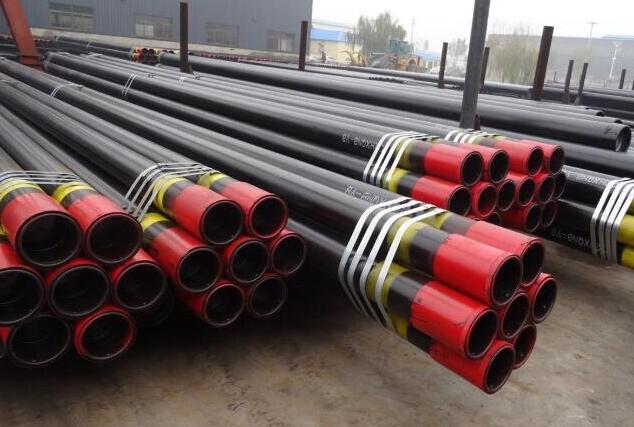
{:en} Benefits of Using Stainless Steel Pipes in Industrial Applications Stainless steel pipes are a popular choice for industrial applications…
{:en}
Benefits of Using Stainless Steel Pipes in Industrial Applications
Stainless steel pipes are a popular choice for industrial applications due to their numerous benefits and advantages. These pipes are made from a durable and corrosion-resistant material that can withstand harsh environments and extreme temperatures. In this article, we will explore the benefits of using stainless steel pipes in various industrial settings.
One of the main advantages of stainless steel pipes is their resistance to corrosion. Unlike other materials such as carbon steel or galvanized steel, stainless steel does not rust or corrode when exposed to moisture, chemicals, or other corrosive substances. This makes stainless steel pipes ideal for use in industries where corrosion is a concern, such as the chemical, petrochemical, and food processing industries.
Calculated Mass c
Nominal Linear Mass T& C b,c
Wall Thick- ness
em, Mass Gain or Loss Due to End Finishing d
Labels a
Outside Diameter
Inside Diameter
Drift Diameter
Plain- end
kg
Round Thread
Buttress Thread
wpe
D
kg/m
t
D
mm
kg/m
Short
Long
RC
SCC
mm
mm
mm
1
2
3
4
5
6
7
8
9
10
11
12
7
17
177.8
25.6
5.87
166.06
162.88
24.89
7.61
—
—
—
7
20
177.8
29.91
6.91
163.98
160.8
29.12
6.74
— 7.94
— 8.28
— 0.58
7
23
177.8
34.67
8.05
161.7
158.75 e 158.52 156.24 153.90
33.7
6.26
7.94
8.28
0.58
7
23
177.8
34.67
8.05
161.7
152.40 e
33.7
6.26
7.37
7.65
–0.54
7
26
177.8
39.14
9.19
159.42
151.6
38.21
5.79
6.79
7.13
–0.69
7
29
177.8
43.6
10.36
157.08
149.32
42.78
—
6.23
6.4
–1.31
7
32
177.8
47.92
11.51
154.78
147.18
47.2
—
6.23
6.4
–1.31
7
32
177.8
47.92
11.51
154.78
142.86
47.2
—
5.68
5.79
–1.91
7
35
177.8
52.09
12.65
152.5
139.72
51.52
—
5.18
5.24
–2.47
7
38
177.8
56.1
13.72
150.36
136.52
55.52
—
—
—
—
7
42.7
177.8
63.84
15.88
146.04
133.38
63.41
—
—
—
—
7
46.4
177.8
69.35
17.45
142.9
130.18
69.01
—
—
—
—
7
50.1
177.8
74.85
19.05
139.7
74.58
—
—
—
—
7
53.6
177.8
80.21
20.62
136.56
79.93
—
—
—
—
7
57.1
177.8
85.42
22.22
133.36
85.25
—
7 5/8
24
193.68
35.72
7.62
178.44
175.26
34.96
7.11
— 8.58
— 9.12
— 2.59
7 5/8
26.4
193.68
39.29
8.33
177.02
173.84
38.08
6.78
7.91
8.38
1.84
7 5/8
29.7
193.68
44.2
9.52
174.64
171.46
43.24
—
7.13
7.51
0.98
7 5/8
33.7
193.68
50.15
10.92
171.84
168.66
49.22
—
6.16
6.44
– 0.10
7 5/8
39
193.68
58.04
12.7
168.28
165.1
56.68
—
5.32
5.5
–1.03
7 5/8
42.8
193.68
63.69
14.27
165.14
161.96
63.14
—
4.87
5.01
–1.52
7 5/8
45.3
193.68
67.41
15.11
163.46
160.28
66.54
—
4.48
4.57
–1.96
7 5/8
47.1
193.68
70.09
15.88
161.92
158.74
69.63
—
—
—
—
7 5/8
51.2
193.68
76.19
17.45
158.78
155.6
75.84
—
—
—
—
7 5/8
55.3
193.68
82.3
19.05
155.58
152.4
82.04
—
7 3/4
46.1
196.85
68.6
15.11
166.63
165.10 e
67.72
—
—
—
—
7 3/4
46.1
196.85
68.6
15.11
166.63
163.45
67.72
—
—
—
—
In addition to their corrosion resistance, stainless steel pipes are also highly durable and long-lasting. These pipes are able to withstand high temperatures and pressures without deforming or breaking, making them a reliable choice for industrial applications where strength and durability are essential. Stainless steel pipes are also easy to maintain and clean, requiring minimal upkeep to keep them in good condition.
Casing
Another benefit of using stainless steel pipes in industrial applications is their versatility. These pipes come in a variety of sizes, shapes, and grades to suit different needs and requirements. Whether you need a seamless pipe for high-pressure applications or a welded pipe for structural purposes, there is a stainless steel pipe that will meet your needs. Stainless steel pipes can also be easily customized and fabricated to fit specific dimensions and specifications, making them a versatile and flexible option for a wide range of industrial applications.
Stainless steel pipes are also known for their aesthetic appeal. These pipes have a sleek and modern look that can enhance the appearance of industrial facilities and equipment. Stainless steel pipes are often used in architectural and decorative applications, where their clean and polished finish adds a touch of elegance and sophistication.
In addition to their aesthetic appeal, stainless steel pipes are also environmentally friendly. These pipes are 100% recyclable and can be reused or repurposed at the end of their service life. By choosing stainless steel pipes for industrial applications, companies can reduce their environmental impact and contribute to a more sustainable future.
Overall, the benefits of using stainless steel pipes in industrial applications are numerous. From their corrosion resistance and durability to their versatility and aesthetic appeal, stainless steel pipes offer a wide range of advantages that make them an ideal choice for a variety of industrial settings. Whether you are looking for a reliable and long-lasting piping solution or a stylish and modern design element, stainless steel pipes are sure to meet your needs and exceed your expectations.
The Advantages of Seamless Steel Tubes in the Oil and Gas Industry
The oil and gas industry is one of the most demanding sectors in terms of materials used for various applications. One of the key components in this industry is steel pipes and tubes, which are essential for transporting oil and gas from the extraction site to refineries and distribution centers. Among the various types of steel pipes available, seamless steel tubes stand out for their numerous advantages that make them the preferred choice for many applications in the oil and gas industry.
Seamless steel tubes are manufactured without any seams or welds, which makes them stronger and more reliable compared to welded tubes. This seamless construction eliminates the weak points that are often found in welded tubes, making them less prone to leaks and failures. This is crucial in the oil and gas industry, where any leakage can result in environmental damage, safety hazards, and costly repairs.
Another advantage of seamless steel tubes is their uniformity in composition and structure. Because they are manufactured in a single piece without any joints, seamless tubes have consistent properties throughout their length. This uniformity ensures that the tubes can withstand high pressure, temperature, and corrosive environments without compromising their integrity. In the oil and gas industry, where pipelines are subjected to extreme conditions, this reliability is essential for ensuring the safe and efficient transportation of oil and gas.
Seamless steel tubes also have a smoother interior surface compared to welded tubes, which reduces friction and allows for better flow of oil and gas. This smooth surface minimizes turbulence and pressure drops, which can improve the overall efficiency of the pipeline system. In addition, seamless tubes are easier to clean and maintain, which is important for preventing the buildup of contaminants and ensuring the purity of the transported fluids.
Furthermore, seamless steel tubes are more resistant to corrosion and erosion compared to welded tubes. The absence of welds eliminates the potential for crevice corrosion and stress corrosion cracking, which are common issues in welded tubes. This corrosion resistance extends the service life of seamless tubes and reduces the need for frequent replacements, saving time and money for oil and gas companies.
In terms of versatility, seamless steel tubes can be manufactured in a wide range of sizes, shapes, and grades to meet the specific requirements of different applications in the oil and gas industry. Whether it is for transporting crude oil, natural gas, or refined products, seamless tubes can be customized to suit the unique needs of each project. This flexibility makes seamless steel tubes a versatile and cost-effective solution for a variety of oil and gas applications.
In conclusion, seamless steel tubes offer numerous advantages that make them the ideal choice for the oil and gas industry. Their strength, reliability, uniformity, smoothness, corrosion resistance, and versatility make them indispensable for transporting oil and gas in a safe and efficient manner. As the demand for oil and gas continues to grow, seamless steel tubes will play a crucial role in meeting the needs of this vital industry.{:}{:de}
Vorteile der Verwendung von Edelstahlrohren in industriellen Anwendungen
Edelstahlrohre sind aufgrund ihrer zahlreichen Vorteile und Vorteile eine beliebte Wahl für industrielle Anwendungen. Diese Rohre bestehen aus einem haltbaren und korrosionsbeständigen Material, das rauen Umgebungen und extremen Temperaturen standhält. In diesem Artikel werden wir die Vorteile der Verwendung von Edelstahlrohren in verschiedenen industriellen Umgebungen untersuchen.
Einer der Hauptvorteile von Edelstahlrohren ist ihre Korrosionsbeständigkeit. Im Gegensatz zu anderen Materialien wie Kohlenstoffstahl oder verzinktem Stahl rostet oder korrodiert Edelstahl nicht, wenn es Feuchtigkeit, Chemikalien oder anderen korrosiven Substanzen ausgesetzt wird. Dadurch eignen sich Edelstahlrohre ideal für den Einsatz in Branchen, in denen Korrosion ein Problem darstellt, beispielsweise in der chemischen, petrochemischen und lebensmittelverarbeitenden Industrie.
Berechnete Masse c
AGB für die nominale lineare Masse b,c
Wandstärke
em, Massengewinn oder -verlust durch Endbearbeitung d
Beschriftungen a
Außendurchmesser
Innendurchmesser
Driftdurchmesser
Plain-End
kg
Rundfaden
Stützfaden
wpe
D
kg/m
t
D
mm
kg/m
Kurz
Lang
RC
SCC
mm
mm
mm
1
2
3
4
5
6
7
8
9
10
11
12
7
17
177.8
25.6
5.87
166.06
162.88
24.89
7.61
—
—
—
7
20
177.8
29.91
6.91
163.98
160.8
29.12
6.74
— 7,94
— 8.28
— 0,58
7
23
177.8
34.67
8.05
161.7
158,75 e 158,52 156,24 153,90
33.7
6.26
7.94
8.28
0.58
7
23
177.8
34.67
8.05
161.7
152,40 e
33.7
6.26
7.37
7.65
–0.54
7
26
177.8
39.14
9.19
159.42
151.6
38.21
5.79
6.79
7.13
–0.69
7
29
177.8
43.6
10.36
157.08
149.32
42.78
—
6.23
6.4
–1.31
7
32
177.8
47.92
11.51
154.78
147.18
47.2
—
6.23
6.4
–1.31
7
32
177.8
47.92
11.51
154.78
142.86
47.2
—
5.68
5.79
–1.91
7
35
177.8
52.09
12.65
152.5
139.72
51.52
—
5.18
5.24
–2.47
7
38
177.8
56.1
13.72
150.36
136.52
55.52
—
—
—
—
7
42.7
177.8
63.84
15.88
146.04
133.38
63.41
—
—
—
—
7
46.4
177.8
69.35
17.45
142.9
130.18
69.01
—
—
—
—
7
50.1
177.8
74.85
19.05
139.7
74.58
—
—
—
—
7
53.6
177.8
80.21
20.62
136.56
79.93
—
—
—
—
7
57.1
177.8
85.42
22.22
133.36
85.25
—
7 5/8
24
193.68
35.72
7.62
178.44
175.26
34.96
7.11
— 8,58
— 9.12
— 2,59
7 5/8
26.4
193.68
39.29
8.33
177.02
173.84
38.08
6.78
7.91
8.38
1.84
7 5/8
29.7
193.68
44.2
9.52
174.64
171.46
43.24
—
7.13
7.51
0.98
7 5/8
33.7
193.68
50.15
10.92
171.84
168.66
49.22
—
6.16
6.44
– 0,10
7 5/8
39
193.68
58.04
12.7
168.28
165.1
56.68
—
5.32
5.5
–1.03
7 5/8
42.8
193.68
63.69
14.27
165.14
161.96
63.14
—
4.87
5.01
–1.52
7 5/8
45.3
193.68
67.41
15.11
163.46
160.28
66.54
—
4.48
4.57
–1.96
7 5/8
47.1
193.68
70.09
15.88
161.92
158.74
69.63
—
—
—
—
7 5/8
51.2
193.68
76.19
17.45
158.78
155.6
75.84
—
—
—
—
7 5/8
55.3
193.68
82.3
19.05
155.58
152.4
82.04
—
7 3/4
46.1
196.85
68.6
15.11
166.63
165.10 e
67.72
—
—
—
—
7 3/4
46.1
196.85
68.6
15.11
166.63
163.45
67.72
—
—
—
—
Zusätzlich zu ihrer Korrosionsbeständigkeit sind Edelstahlrohre auch äußerst langlebig und langlebig. Diese Rohre halten hohen Temperaturen und Drücken stand, ohne sich zu verformen oder zu brechen, was sie zu einer zuverlässigen Wahl für industrielle Anwendungen macht, bei denen es auf Festigkeit und Haltbarkeit ankommt. Edelstahlrohre sind außerdem leicht zu warten und zu reinigen und erfordern nur minimale Wartung, um sie in gutem Zustand zu halten.
Gehäuse
Ein weiterer Vorteil der Verwendung von Edelstahlrohren in industriellen Anwendungen ist ihre Vielseitigkeit. Diese Rohre sind in verschiedenen Größen, Formen und Qualitäten erhältlich, um unterschiedlichen Bedürfnissen und Anforderungen gerecht zu werden. Ganz gleich, ob Sie ein nahtloses Rohr für Hochdruckanwendungen oder ein geschweißtes Rohr für strukturelle Zwecke benötigen, es gibt ein Edelstahlrohr, das Ihren Anforderungen entspricht. Edelstahlrohre können außerdem problemlos an bestimmte Abmessungen und Spezifikationen angepasst und hergestellt werden, was sie zu einer vielseitigen und flexiblen Option für eine Vielzahl industrieller Anwendungen macht.
Edelstahlrohre sind auch für ihre Ästhetik bekannt. Diese Rohre haben ein elegantes und modernes Aussehen, das das Erscheinungsbild von Industrieanlagen und -geräten verbessern kann. Edelstahlrohre werden häufig in architektonischen und dekorativen Anwendungen verwendet, wo ihre saubere und polierte Oberfläche einen Hauch von Eleganz und Raffinesse verleiht.
Neben ihrem ästhetischen Reiz sind Edelstahlrohre auch umweltfreundlich. Diese Rohre sind zu 100 % recycelbar und können am Ende ihrer Lebensdauer wiederverwendet oder einer anderen Verwendung zugeführt werden. Durch die Wahl von Edelstahlrohren für industrielle Anwendungen können Unternehmen ihre Umweltbelastung reduzieren und zu einer nachhaltigeren Zukunft beitragen.
Insgesamt sind die Vorteile der Verwendung von Edelstahlrohren in industriellen Anwendungen zahlreich. Von ihrer Korrosionsbeständigkeit und Haltbarkeit bis hin zu ihrer Vielseitigkeit und Ästhetik bieten Edelstahlrohre eine Vielzahl von Vorteilen, die sie zu einer idealen Wahl für eine Vielzahl von industriellen Umgebungen machen. Ganz gleich, ob Sie eine zuverlässige und langlebige Rohrleitungslösung oder ein stilvolles und modernes Designelement suchen, Edelstahlrohre werden mit Sicherheit Ihre Anforderungen erfüllen und Ihre Erwartungen übertreffen.
Die Vorteile nahtloser Stahlrohre in der Öl- und Gasindustrie
Die Öl- und Gasindustrie ist einer der anspruchsvollsten Sektoren hinsichtlich der für verschiedene Anwendungen verwendeten Materialien. Eine der Schlüsselkomponenten in dieser Branche sind Stahlrohre und -schläuche, die für den Transport von Öl und Gas von der Förderstätte zu Raffinerien und Vertriebszentren unerlässlich sind. Unter den verschiedenen verfügbaren Stahlrohrtypen zeichnen sich nahtlose Stahlrohre durch zahlreiche Vorteile aus, die sie für viele Anwendungen in der Öl- und Gasindustrie zur bevorzugten Wahl machen.
Nahtlose Stahlrohre werden ohne Nähte oder Schweißnähte hergestellt, was sie im Vergleich zu geschweißten Rohren stärker und zuverlässiger macht. Diese nahtlose Konstruktion eliminiert die Schwachstellen, die häufig bei geschweißten Rohren auftreten, und macht sie so weniger anfällig für Lecks und Ausfälle. Dies ist in der Öl- und Gasindustrie von entscheidender Bedeutung, wo jede Leckage zu Umweltschäden, Sicherheitsrisiken und kostspieligen Reparaturen führen kann.
Ein weiterer Vorteil nahtloser Stahlrohre ist ihre Einheitlichkeit in Zusammensetzung und Struktur. Da sie in einem Stück ohne Verbindungsstellen hergestellt werden, weisen nahtlose Rohre über ihre gesamte Länge hinweg gleichbleibende Eigenschaften auf. Diese Gleichmäßigkeit stellt sicher, dass die Rohre hohem Druck, hoher Temperatur und korrosiven Umgebungen standhalten, ohne ihre Integrität zu beeinträchtigen. In der Öl- und Gasindustrie, wo Pipelines extremen Bedingungen ausgesetzt sind, ist diese Zuverlässigkeit von entscheidender Bedeutung für den sicheren und effizienten Transport von Öl und Gas.
Nahtlose Stahlrohre haben im Vergleich zu geschweißten Rohren außerdem eine glattere Innenoberfläche, was die Reibung verringert und ermöglicht einen besseren Öl- und Gasfluss. Diese glatte Oberfläche minimiert Turbulenzen und Druckverluste, was die Gesamteffizienz des Rohrleitungssystems verbessern kann. Darüber hinaus lassen sich nahtlose Rohre leichter reinigen und warten, was wichtig ist, um die Ansammlung von Verunreinigungen zu verhindern und die Reinheit der transportierten Flüssigkeiten sicherzustellen.
Außerdem sind nahtlose Stahlrohre im Vergleich zu geschweißten Rohren widerstandsfähiger gegen Korrosion und Erosion. Das Fehlen von Schweißnähten eliminiert die Gefahr von Spaltkorrosion und Spannungsrisskorrosion, die bei geschweißten Rohren häufig auftreten. Diese Korrosionsbeständigkeit verlängert die Lebensdauer nahtloser Rohre und reduziert die Notwendigkeit eines häufigen Austauschs, was Öl- und Gasunternehmen Zeit und Geld spart.
In Bezug auf die Vielseitigkeit können nahtlose Stahlrohre in einer Vielzahl von Größen, Formen hergestellt werden. und Qualitäten, um den spezifischen Anforderungen verschiedener Anwendungen in der Öl- und Gasindustrie gerecht zu werden. Ganz gleich, ob es sich um den Transport von Rohöl, Erdgas oder raffinierten Produkten handelt, nahtlose Rohre können an die individuellen Anforderungen jedes Projekts angepasst werden. Diese Flexibilität macht nahtlose Stahlrohre zu einer vielseitigen und kostengünstigen Lösung für eine Vielzahl von Öl- und Gasanwendungen.
Zusammenfassend lässt sich sagen, dass nahtlose Stahlrohre zahlreiche Vorteile bieten, die sie zur idealen Wahl für die Öl- und Gasindustrie machen. Ihre Stärke, Zuverlässigkeit, Gleichmäßigkeit, Glätte, Korrosionsbeständigkeit und Vielseitigkeit machen sie unverzichtbar für den sicheren und effizienten Transport von Öl und Gas. Da die Nachfrage nach Öl und Gas weiter wächst, werden nahtlose Stahlrohre eine entscheidende Rolle bei der Erfüllung der Anforderungen dieser wichtigen Industrie spielen.{:}{:pl}
Korzyści stosowania rur ze stali nierdzewnej w zastosowaniach przemysłowych
Rury ze stali nierdzewnej są popularnym wyborem do zastosowań przemysłowych ze względu na liczne zalety i zalety. Rury te są wykonane z trwałego i odpornego na korozję materiału, który wytrzymuje trudne warunki otoczenia i ekstremalne temperatury. W tym artykule zbadamy zalety stosowania rur ze stali nierdzewnej w różnych zastosowaniach przemysłowych.
Jedną z głównych zalet rur ze stali nierdzewnej jest ich odporność na korozję. W przeciwieństwie do innych materiałów, takich jak stal węglowa lub stal ocynkowana, stal nierdzewna nie rdzewieje ani nie koroduje pod wpływem wilgoci, środków chemicznych lub innych substancji żrących. To sprawia, że rury ze stali nierdzewnej idealnie nadają się do stosowania w gałęziach przemysłu, w których występuje problem korozji, takich jak przemysł chemiczny, petrochemiczny i przetwórstwo spożywcze.
Masa obliczona c
Warunki i zasady dotyczące masy liniowej nominalnej b,c
Grubość ściany
em, Przyrost lub strata masy w wyniku wykończenia końcowego d
Etykiety a
Średnica zewnętrzna
Średnica wewnętrzna
Średnica dryfu
Zwykły koniec
kg
Okrągły wątek
Wątek wzmacniający
wpe
D
kg/m2
t
D
mm
kg/m2
Krótki
Długie
RC
SCC
mm
mm
mm
1
2
3
4
5
6
7
8
9
10
11
12
7
17
177.8
25.6
5.87
166.06
162.88
24.89
7.61
—
—
—
7
20
177.8
29.91
6.91
163.98
160.8
29.12
6.74
— 7,94
— 8,28
— 0,58
7
23
177.8
34.67
8.05
161.7
158,75 i 158,52 156,24 153,90
33.7
6.26
7.94
8.28
0.58
7
23
177.8
34.67
8.05
161.7
152,40 e
33.7
6.26
7.37
7.65
–0.54
7
26
177.8
39.14
9.19
159.42
151.6
38.21
5.79
6.79
7.13
–0.69
7
29
177.8
43.6
10.36
157.08
149.32
42.78
—
6.23
6.4
–1.31
7
32
177.8
47.92
11.51
154.78
147.18
47.2
—
6.23
6.4
–1.31
7
32
177.8
47.92
11.51
154.78
142.86
47.2
—
5.68
5.79
–1.91
7
35
177.8
52.09
12.65
152.5
139.72
51.52
—
5.18
5.24
–2.47
7
38
177.8
56.1
13.72
150.36
136.52
55.52
—
—
—
—
7
42.7
177.8
63.84
15.88
146.04
133.38
63.41
—
—
—
—
7
46.4
177.8
69.35
17.45
142.9
130.18
69.01
—
—
—
—
7
50.1
177.8
74.85
19.05
139.7
74.58
—
—
—
—
7
53.6
177.8
80.21
20.62
136.56
79.93
—
—
—
—
7
57.1
177.8
85.42
22.22
133.36
85.25
—
7 5/8
24
193.68
35.72
7.62
178.44
175.26
34.96
7.11
— 8,58
— 9,12
— 2,59
7 5/8
26.4
193.68
39.29
8.33
177.02
173.84
38.08
6.78
7.91
8.38
1.84
7 5/8
29.7
193.68
44.2
9.52
174.64
171.46
43.24
—
7.13
7.51
0.98
7 5/8
33.7
193.68
50.15
10.92
171.84
168.66
49.22
—
6.16
6.44
– 0,10
7 5/8
39
193.68
58.04
12.7
168.28
165.1
56.68
—
5.32
5.5
–1.03
7 5/8
42.8
193.68
63.69
14.27
165.14
161.96
63.14
—
4.87
5.01
–1.52
7 5/8
45.3
193.68
67.41
15.11
163.46
160.28
66.54
—
4.48
4.57
–1.96
7 5/8
47.1
193.68
70.09
15.88
161.92
158.74
69.63
—
—
—
—
7 5/8
51.2
193.68
76.19
17.45
158.78
155.6
75.84
—
—
—
—
7 5/8
55.3
193.68
82.3
19.05
155.58
152.4
82.04
—
7 3/4
46.1
196.85
68.6
15.11
166.63
165,10 e
67.72
—
—
—
—
7 3/4
46.1
196.85
68.6
15.11
166.63
163.45
67.72
—
—
—
—
Oprócz odporności na korozję rury ze stali nierdzewnej są również bardzo trwałe i trwałe. Rury te są w stanie wytrzymać wysokie temperatury i ciśnienia bez odkształcania się i pękania, co czyni je niezawodnym wyborem do zastosowań przemysłowych, gdzie istotna jest wytrzymałość i trwałość. Rury ze stali nierdzewnej są również łatwe w utrzymaniu i czyszczeniu, a utrzymanie ich w dobrym stanie wymaga minimalnej konserwacji.
Obudowa
Kolejną zaletą stosowania rur ze stali nierdzewnej w zastosowaniach przemysłowych jest ich wszechstronność. Rury te są dostępne w różnych rozmiarach, kształtach i gatunkach, aby sprostać różnym potrzebom i wymaganiom. Niezależnie od tego, czy potrzebujesz rury bez szwu do zastosowań wysokociśnieniowych, czy rury spawanej do celów konstrukcyjnych, istnieje rura ze stali nierdzewnej, która spełni Twoje potrzeby. Rury ze stali nierdzewnej można również łatwo dostosować i wyprodukować w celu dopasowania do określonych wymiarów i specyfikacji, co czyni je wszechstronną i elastyczną opcją dla szerokiego zakresu zastosowań przemysłowych.
Rury ze stali nierdzewnej są również znane ze swojej estetyki. Rury te mają elegancki i nowoczesny wygląd, który może poprawić wygląd obiektów i urządzeń przemysłowych. Rury ze stali nierdzewnej są często wykorzystywane w zastosowaniach architektonicznych i dekoracyjnych, gdzie ich czyste i polerowane wykończenie dodaje elegancji i wyrafinowania.
Oprócz walorów estetycznych, rury ze stali nierdzewnej są również przyjazne dla środowiska. Rury te w 100% nadają się do recyklingu i po upływie okresu użytkowania można je ponownie wykorzystać lub zmienić ich przeznaczenie. Wybierając rury ze stali nierdzewnej do zastosowań przemysłowych, firmy mogą zmniejszyć swój wpływ na środowisko i przyczynić się do bardziej zrównoważonej przyszłości.
Ogółem korzyści płynące ze stosowania rur ze stali nierdzewnej w zastosowaniach przemysłowych są liczne. Od odporności na korozję i trwałości po wszechstronność i estetykę, rury ze stali nierdzewnej oferują szeroki zakres zalet, które czynią je idealnym wyborem do różnych zastosowań przemysłowych. Niezależnie od tego, czy szukasz niezawodnego i trwałego rozwiązania rurowego, czy stylowego i nowoczesnego elementu konstrukcyjnego, rury ze stali nierdzewnej z pewnością spełnią Twoje potrzeby i przekroczą Twoje oczekiwania.
Zalety rur stalowych bez szwu w przemyśle naftowym i gazowym
Przemysł naftowo-gazowy to jeden z najbardziej wymagających sektorów pod względem materiałów wykorzystywanych do różnorodnych zastosowań. Jednym z kluczowych komponentów w tej branży są rury stalowe, które są niezbędne do transportu ropy i gazu z miejsca wydobycia do rafinerii i centrów dystrybucyjnych. Wśród różnych dostępnych typów rur stalowych, rury stalowe bez szwu wyróżniają się licznymi zaletami, które czynią je preferowanym wyborem do wielu zastosowań w przemyśle naftowym i gazowym.
Rury stalowe bez szwu produkowane są bez szwów i spawów, co czyni je mocniejszymi i bardziej niezawodnymi w porównaniu do rur spawanych. Ta bezszwowa konstrukcja eliminuje słabe punkty, które często występują w spawanych rurach, czyniąc je mniej podatnymi na wycieki i awarie. Ma to kluczowe znaczenie w przemyśle naftowym i gazowym, gdzie jakikolwiek wyciek może skutkować szkodami dla środowiska, zagrożeniami dla bezpieczeństwa i kosztownymi naprawami.
Kolejną zaletą bezszwowych rur stalowych jest ich jednolitość składu i struktury. Ponieważ rury bezszwowe są produkowane w jednym kawałku bez żadnych połączeń, mają stałe właściwości na całej swojej długości. Ta jednorodność zapewnia, że rury wytrzymują wysokie ciśnienie, temperaturę i środowiska korozyjne bez utraty ich integralności. W przemyśle naftowym i gazowym, gdzie rurociągi poddawane są ekstremalnym warunkom, niezawodność ta jest niezbędna do zapewnienia bezpiecznego i wydajnego transportu ropy i gazu.
Rury stalowe bez szwu mają również gładszą powierzchnię wewnętrzną w porównaniu z rurami spawanymi, co zmniejsza tarcie i pozwala na lepszy przepływ ropy i gazu. Ta gładka powierzchnia minimalizuje turbulencje i spadki ciśnienia, co może poprawić ogólną wydajność systemu rurociągów. Ponadto rury bez szwu są łatwiejsze w czyszczeniu i konserwacji, co jest ważne dla zapobiegania gromadzeniu się zanieczyszczeń i zapewnienia czystości transportowanych płynów.
Ponadto rury stalowe bez szwu są bardziej odporne na korozję i erozję w porównaniu do rur spawanych. Brak spoin eliminuje ryzyko korozji szczelinowej i pękania korozyjnego naprężeniowego, które są częstymi problemami w spawanych rurach. Ta odporność na korozję wydłuża żywotność rur bez szwu i zmniejsza potrzebę częstych wymian, oszczędzając czas i pieniądze firmom naftowym i gazowym.
Pod względem wszechstronności rury stalowe bez szwu mogą być produkowane w szerokiej gamie rozmiarów, kształtów, i gatunki spełniające specyficzne wymagania różnych zastosowań w przemyśle naftowym i gazowym. Niezależnie od tego, czy chodzi o transport ropy naftowej, gazu ziemnego, czy produktów rafinowanych, rury bez szwu można dostosować do unikalnych potrzeb każdego projektu. Ta elastyczność sprawia, że bezszwowe rury stalowe są wszechstronnym i opłacalnym rozwiązaniem do różnych zastosowań w przemyśle naftowym i gazowym.
Podsumowując, bezszwowe rury stalowe oferują wiele zalet, które czynią je idealnym wyborem dla przemysłu naftowego i gazowego. Ich wytrzymałość, niezawodność, jednorodność, gładkość, odporność na korozję i wszechstronność czynią je niezbędnymi do bezpiecznego i wydajnego transportu ropy i gazu. Ponieważ zapotrzebowanie na ropę i gaz stale rośnie, rury stalowe bez szwu będą odgrywać kluczową rolę w zaspokajaniu potrzeb tej ważnej branży.{:}

 Seamless steel tubes are manufactured without any seams or welds, which makes them stronger and more reliable compared to welded tubes. This seamless construction eliminates the weak points that are often found in welded tubes, making them less prone to leaks and failures. This is crucial in the oil and gas industry, where any leakage can result in environmental damage, safety hazards, and costly repairs.
Another advantage of seamless steel tubes is their uniformity in composition and structure. Because they are manufactured in a single piece without any joints, seamless tubes have consistent properties throughout their length. This uniformity ensures that the tubes can withstand high pressure, temperature, and corrosive environments without compromising their integrity. In the oil and gas industry, where pipelines are subjected to extreme conditions, this reliability is essential for ensuring the safe and efficient transportation of oil and gas.
Seamless steel tubes also have a smoother interior surface compared to welded tubes, which reduces friction and allows for better flow of oil and gas. This smooth surface minimizes turbulence and pressure drops, which can improve the overall efficiency of the pipeline system. In addition, seamless tubes are easier to clean and maintain, which is important for preventing the buildup of contaminants and ensuring the purity of the transported fluids.
Furthermore, seamless steel tubes are more resistant to corrosion and erosion compared to welded tubes. The absence of welds eliminates the potential for crevice corrosion and stress corrosion cracking, which are common issues in welded tubes. This corrosion resistance extends the service life of seamless tubes and reduces the need for frequent replacements, saving time and money for oil and gas companies.
In terms of versatility, seamless steel tubes can be manufactured in a wide range of sizes, shapes, and grades to meet the specific requirements of different applications in the oil and gas industry. Whether it is for transporting crude oil, natural gas, or refined products, seamless tubes can be customized to suit the unique needs of each project. This flexibility makes seamless steel tubes a versatile and cost-effective solution for a variety of oil and gas applications.
In conclusion, seamless steel tubes offer numerous advantages that make them the ideal choice for the oil and gas industry. Their strength, reliability, uniformity, smoothness, corrosion resistance, and versatility make them indispensable for transporting oil and gas in a safe and efficient manner. As the demand for oil and gas continues to grow, seamless steel tubes will play a crucial role in meeting the needs of this vital industry.{:}{:de}
Seamless steel tubes are manufactured without any seams or welds, which makes them stronger and more reliable compared to welded tubes. This seamless construction eliminates the weak points that are often found in welded tubes, making them less prone to leaks and failures. This is crucial in the oil and gas industry, where any leakage can result in environmental damage, safety hazards, and costly repairs.
Another advantage of seamless steel tubes is their uniformity in composition and structure. Because they are manufactured in a single piece without any joints, seamless tubes have consistent properties throughout their length. This uniformity ensures that the tubes can withstand high pressure, temperature, and corrosive environments without compromising their integrity. In the oil and gas industry, where pipelines are subjected to extreme conditions, this reliability is essential for ensuring the safe and efficient transportation of oil and gas.
Seamless steel tubes also have a smoother interior surface compared to welded tubes, which reduces friction and allows for better flow of oil and gas. This smooth surface minimizes turbulence and pressure drops, which can improve the overall efficiency of the pipeline system. In addition, seamless tubes are easier to clean and maintain, which is important for preventing the buildup of contaminants and ensuring the purity of the transported fluids.
Furthermore, seamless steel tubes are more resistant to corrosion and erosion compared to welded tubes. The absence of welds eliminates the potential for crevice corrosion and stress corrosion cracking, which are common issues in welded tubes. This corrosion resistance extends the service life of seamless tubes and reduces the need for frequent replacements, saving time and money for oil and gas companies.
In terms of versatility, seamless steel tubes can be manufactured in a wide range of sizes, shapes, and grades to meet the specific requirements of different applications in the oil and gas industry. Whether it is for transporting crude oil, natural gas, or refined products, seamless tubes can be customized to suit the unique needs of each project. This flexibility makes seamless steel tubes a versatile and cost-effective solution for a variety of oil and gas applications.
In conclusion, seamless steel tubes offer numerous advantages that make them the ideal choice for the oil and gas industry. Their strength, reliability, uniformity, smoothness, corrosion resistance, and versatility make them indispensable for transporting oil and gas in a safe and efficient manner. As the demand for oil and gas continues to grow, seamless steel tubes will play a crucial role in meeting the needs of this vital industry.{:}{:de}