{:en}Price List of API Line Pipe, Seamless Pipe, ERW Pipe{:}{:es}Lista de precios de tuberías API, tuberías sin costura y tuberías ERW{:}{:de}Preisliste für API-Leitungsrohre, nahtlose Rohre, ERW-Rohre{:}{:fr}Liste de prix des tuyaux de canalisation API, des tuyaux sans soudure et des tuyaux ERW{:}{:ru}Прайс-лист линейных труб API, бесшовных труб, труб ERW{:}{:it}Listino prezzi di tubi API Line, tubi senza saldatura, tubi ERW{:}{:pl}Cennik rur przewodowych API, rur bez szwu, rur ERW{:}{:hi}एपीआई लाइन पाइप, सीमलेस पाइप, ईआरडब्ल्यू पाइप की मूल्य सूची{:}{:th}รายการราคาของ API Line Pipe, Seamless Pipe, ERW Pipe{:}{:ko}API라인파이프, 심리스파이프, ERW파이프 가격표{:}{:sv}Prislista för API Line Pipe, Seamless Pipe, ERW Pipe{:}
{:en} Key Differences Between API Line Pipe, Seamless Pipe, and ERW Pipe: Key Differences Between API Line Pipe, Seamless Pipe,…
{:en}
Key Differences Between API Line Pipe, Seamless Pipe, and ERW Pipe:
Key Differences Between API Line Pipe, Seamless Pipe, and ERW Pipe:
Pipelines play a crucial role in the transportation of various fluids, gases, and other substances across vast distances. The selection of the right type of pipe is essential to ensure efficient and safe transportation. In this article, we will explore the key differences between API Line Pipe, Seamless Pipe, and ERW Pipe, three commonly used types of pipes in the industry.
API Line Pipe:
API Line Pipe, also known as American Petroleum Institute Line Pipe, is specifically designed for the transportation of oil and gas. It adheres to the standards set by the American Petroleum Institute and undergoes rigorous testing to ensure its quality and reliability.
One of the primary characteristics of API Line Pipe is its high strength, which makes it suitable for handling high-pressure applications. It is manufactured using a combination of alloying elements and advanced manufacturing processes, resulting in a durable and robust pipe.
Seamless Pipe:
Seamless Pipe, as the name suggests, is made from a solid billet of steel without any seams or joints. The absence of seams makes seamless pipes stronger and more reliable compared to pipes with welds. Seamless pipes are widely used in industries such as oil and gas, petrochemicals, and power generation.
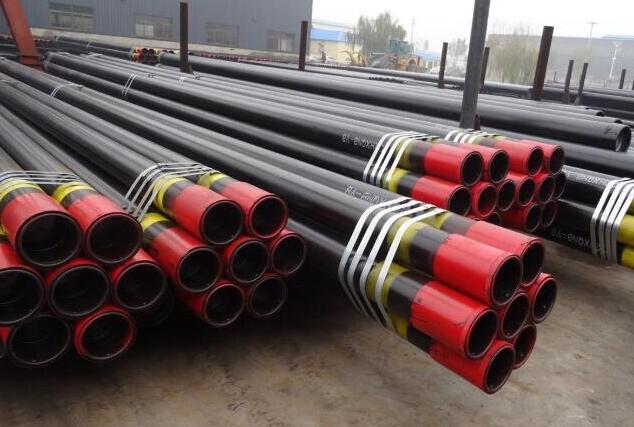
API 5CT N80-Q CASING Best Chinese FactoriesThe seamless manufacturing process involves heating the billet to a high temperature and then piercing it to form a hollow tube. This process ensures uniformity in the pipe’s thickness and internal structure, enhancing its strength and resistance to pressure.
ERW Pipe:
Electric Resistance Welded (ERW) Pipe is manufactured by continuously forming flat steel strips into a tubular shape and then welding the edges together using electric resistance. ERW pipes are widely used in various industries, including construction, agriculture, and water supply.
One key advantage of ERW pipes is their cost-effectiveness. The manufacturing process is relatively simple and efficient, resulting in lower production costs compared to other types of pipes. However, ERW pipes are not as strong as seamless pipes and may have limitations in high-pressure applications.
Transitional Phrases:
To further understand the differences between these three types of pipes, let’s delve into their key features and applications.
Starting with API Line Pipe, it is specifically designed for the transportation of oil and gas. In contrast, Seamless Pipe is made without any seams or joints, making it stronger and more reliable. On the other hand, ERW Pipe is manufactured by continuously forming flat steel strips and welding the edges together.
When it comes to strength and durability, API Line Pipe stands out with its high strength and ability to handle high-pressure applications. Seamless Pipe, with its uniform thickness and internal structure, also offers excellent strength and pressure resistance. However, ER
– Discuss the key differences between these three types of pipes, such as their manufacturing processes, applications, and advantages
API Line Pipe, Seamless Pipe, and ERW Pipe are three distinct types of pipes with unique characteristics, manufacturing processes, applications, and advantages that cater to various industrial and commercial needs. Understanding the differences between these pipe types is crucial for making informed decisions when selecting the appropriate piping solution for specific projects.
Firstly, let’s delve into the manufacturing processes of these pipes. API Line Pipe, also known as steel line pipe, is manufactured through high-quality anti-corrosion coatings and advanced mechanical properties, making it suitable for transporting oil, gas, and water. Seamless Pipe, as the name suggests, is produced without a welded seam, ensuring uniformity and strength. The absence of a seam makes it ideal for high-pressure applications such as hydraulic systems, and it offers enhanced corrosion resistance. On the other hand, ERW (Electric Resistance Welded) Pipe is created by rolling steel plate and welding the seam longitudinally. This method results in a high-quality weld that can withstand stress and is commonly used for low-pressure liquid transportation.
In terms of applications, API Line Pipe is widely utilized in the oil and gas industry for conveying petroleum and natural gas. Its robust construction and corrosion-resistant properties make it suitable for harsh environmental conditions. Seamless Pipe finds its application in industries where high pressure, high temperatures, and corrosive environments are prevalent, such as in the chemical, petrochemical, and oil and gas industries. The seamless nature of this pipe type ensures leak-free performance, making it a preferred choice for critical applications. Conversely, ERW Pipe is often employed for structural and mechanical applications, water transmission, and various low-pressure liquid delivery systems.
Moving on to their advantages, API Line Pipe is favored for its strength, durability, and reliability, ensuring the safe and efficient transportation of fluids across long distances. Additionally, its anti-corrosion properties make it a cost-effective solution for pipeline projects. Seamless Pipe is valued for its uniformity, high-pressure resistance, and ability to withstand harsh operating conditions, providing a long-lasting and low-maintenance piping solution. Meanwhile, ERW Pipe stands out for its affordability, ease of production, and versatility in applications, making it a practical choice for a wide range of industrial and commercial uses.
In conclusion, the key differences between API Line Pipe, Seamless Pipe, and ERW Pipe lie in their manufacturing processes, applications, and advantages. Each type of pipe serves specific purposes and offers distinct benefits, catering to the diverse requirements of various industries. By understanding these differences, stakeholders can make informed decisions when selecting the most suitable pipe type for their projects, considering factors such as environmental conditions, pressure requirements, and budget constraints. The price list of these pipe varieties reflects their unique features and capabilities, enabling
 {:}{:es}
Diferencias clave entre tuberías API, tuberías sin costura y tuberías ERW:
Diferencias clave entre tuberías API, tuberías sin costura y tuberías ERW:
Las tuberías desempeñan un papel crucial en el transporte de diversos fluidos, gases y otras sustancias a través de grandes distancias. La selección del tipo correcto de tubería es fundamental para garantizar un transporte eficiente y seguro. En este artículo, exploraremos las diferencias clave entre API Line Pipe, Seamless Pipe y ERW Pipe, tres tipos de tuberías comúnmente utilizados en la industria.
API Line Pipe:
API Line Pipe, también conocida como American Petroleum Institute Line Pipe, está diseñado específicamente para el transporte de petróleo y gas. Cumple con los estándares establecidos por el Instituto Americano del Petróleo y se somete a pruebas rigurosas para garantizar su calidad y confiabilidad.
Una de las principales características de API Line Pipe es su alta resistencia, lo que lo hace adecuado para manejar aplicaciones de alta presión. Se fabrica utilizando una combinación de elementos de aleación y procesos de fabricación avanzados, lo que da como resultado una tubería duradera y robusta.
Tubo sin costura:
La tubería sin costura, como su nombre indica, está hecha de una pieza sólida de acero sin costuras ni uniones. La ausencia de costuras hace que los tubos sin costura sean más resistentes y confiables en comparación con los tubos soldados. Los tubos sin costura se utilizan ampliamente en industrias como la de petróleo y gas, petroquímica y generación de energía.
CARCASA API 5CT N80-Q Mejores fábricas chinasEl proceso de fabricación sin costura implica calentar el tocho a una temperatura alta y luego perforarlo para formar un tubo hueco. . Este proceso garantiza la uniformidad en el espesor y la estructura interna de la tubería, mejorando su solidez y resistencia a la presión.
Tubería ERW:
La tubería soldada por resistencia eléctrica (ERW) se fabrica formando continuamente tiras planas de acero en forma tubular y luego soldando las Los bordes se unen mediante resistencia eléctrica. Las tuberías ERW se utilizan ampliamente en diversas industrias, incluidas la construcción, la agricultura y el suministro de agua.
Una ventaja clave de las tuberías ERW es su rentabilidad. El proceso de fabricación es relativamente simple y eficiente, lo que resulta en menores costos de producción en comparación con otros tipos de tuberías. Sin embargo, las tuberías ERW no son tan fuertes como las tuberías sin costura y pueden tener limitaciones en aplicaciones de alta presión.
Frases de transición:
Para comprender mejor las diferencias entre estos tres tipos de tuberías, profundicemos en sus características y aplicaciones clave.
A partir de API Line Pipe, está diseñado específicamente para el transporte de petróleo y gas. Por el contrario, el tubo sin costura se fabrica sin costuras ni uniones, lo que lo hace más resistente y confiable. Por otro lado, ERW Pipe se fabrica formando continuamente tiras planas de acero y soldando los bordes entre sí.
Cuando se trata de resistencia y durabilidad, API Line Pipe se destaca por su alta resistencia y capacidad para manejar aplicaciones de alta presión. La tubería sin costura, con su espesor uniforme y estructura interna, también ofrece excelente resistencia y resistencia a la presión. Sin embargo, ER
– Discuta las diferencias clave entre estos tres tipos de tuberías, como sus procesos de fabricación, aplicaciones y ventajas
Las tuberías API, las tuberías sin costura y las tuberías ERW son tres tipos distintos de tuberías con características, procesos de fabricación, aplicaciones y ventajas únicos que satisfacen diversas necesidades industriales y comerciales. Comprender las diferencias entre estos tipos de tuberías es crucial para tomar decisiones informadas al seleccionar la solución de tuberías adecuada para proyectos específicos.
En primer lugar, profundicemos en los procesos de fabricación de estas tuberías. La tubería API, también conocida como tubería de acero, se fabrica con recubrimientos anticorrosión de alta calidad y propiedades mecánicas avanzadas, lo que la hace adecuada para el transporte de petróleo, gas y agua. Los tubos sin costura, como su nombre indica, se producen sin costura soldada, lo que garantiza uniformidad y resistencia. La ausencia de costura lo hace ideal para aplicaciones de alta presión, como sistemas hidráulicos, y ofrece una mayor resistencia a la corrosión. Por otro lado, la tubería ERW (soldada por resistencia eléctrica) se crea enrollando una placa de acero y soldando la costura longitudinalmente. Este método da como resultado una soldadura de alta calidad que puede resistir tensiones y se usa comúnmente para el transporte de líquidos a baja presión.
En términos de aplicaciones, API Line Pipe se utiliza ampliamente en la industria del petróleo y el gas para transportar petróleo y gas natural. Su construcción robusta y sus propiedades resistentes a la corrosión lo hacen adecuado para condiciones ambientales adversas. Seamless Pipe encuentra su aplicación en industrias donde prevalecen la alta presión, las altas temperaturas y los ambientes corrosivos, como en las industrias química, petroquímica y de petróleo y gas. La naturaleza sin costuras de este tipo de tubería garantiza un rendimiento libre de fugas, lo que la convierte en la opción preferida para aplicaciones críticas. Por el contrario, las tuberías ERW se emplean a menudo para aplicaciones estructurales y mecánicas, transmisión de agua y diversos sistemas de suministro de líquidos a baja presión.
Pasando a sus ventajas, las tuberías API Line se prefieren por su resistencia, durabilidad y confiabilidad, lo que garantiza la seguridad y transporte eficiente de fluidos a través de largas distancias. Además, sus propiedades anticorrosión lo convierten en una solución rentable para proyectos de tuberías. La tubería sin costura es valorada por su uniformidad, resistencia a alta presión y capacidad para soportar condiciones operativas duras, lo que proporciona una solución de tubería duradera y de bajo mantenimiento. Mientras tanto, ERW Pipe se destaca por su asequibilidad, facilidad de producción y versatilidad en aplicaciones, lo que la convierte en una opción práctica para una amplia gama de usos industriales y comerciales.
En conclusión, las diferencias clave entre API Line Pipe, Seamless Pipe, y ERW Pipe radican en sus procesos de fabricación, aplicaciones y ventajas. Cada tipo de tubería tiene propósitos específicos y ofrece beneficios distintos, atendiendo a los diversos requisitos de diversas industrias. Al comprender estas diferencias, las partes interesadas pueden tomar decisiones informadas al seleccionar el tipo de tubería más adecuado para sus proyectos, considerando factores como las condiciones ambientales, los requisitos de presión y las restricciones presupuestarias. La lista de precios de estas variedades de tuberías refleja sus características y capacidades únicas, lo que permite
{:}{:de}
Hauptunterschiede zwischen API-Leitungsrohren, nahtlosen Rohren und ERW-Rohren:
Hauptunterschiede zwischen API-Leitungsrohren, nahtlosen Rohren und ERW-Rohren:
Pipelines spielen eine entscheidende Rolle beim Transport verschiedener Flüssigkeiten, Gase und anderer Substanzen über große Entfernungen. Die Auswahl des richtigen Rohrtyps ist für einen effizienten und sicheren Transport von entscheidender Bedeutung. In diesem Artikel werden wir die wichtigsten Unterschiede zwischen API Line Pipe, Seamless Pipe und ERW Pipe untersuchen, drei in der Branche häufig verwendeten Rohrtypen.
API Line Pipe:
API Line Pipe, auch bekannt als American Petroleum Institute Line Pipe ist speziell für den Transport von Öl und Gas konzipiert. Es entspricht den vom American Petroleum Institute festgelegten Standards und wird strengen Tests unterzogen, um seine Qualität und Zuverlässigkeit sicherzustellen.
Eines der Hauptmerkmale von API Line Pipe ist seine hohe Festigkeit, wodurch es für die Handhabung von Hochdruckanwendungen geeignet ist. Es wird unter Verwendung einer Kombination aus Legierungselementen und fortschrittlichen Herstellungsverfahren hergestellt, was zu einem langlebigen und robusten Rohr führt.
Nahtloses Rohr:
Nahtlose Rohre werden, wie der Name schon sagt, aus einem massiven Stahlblock ohne Nähte oder Verbindungen hergestellt. Das Fehlen von Nähten macht nahtlose Rohre im Vergleich zu Rohren mit Schweißnähten stärker und zuverlässiger. Nahtlose Rohre werden häufig in Branchen wie Öl und Gas, Petrochemie und Stromerzeugung eingesetzt.
API 5CT N80-Q GEHÄUSE Beste chinesische FabrikenDer nahtlose Herstellungsprozess umfasst das Erhitzen des Barrens auf eine hohe Temperatur und das anschließende Durchstechen, um ein Hohlrohr zu bilden . Dieser Prozess sorgt für eine gleichmäßige Dicke und innere Struktur des Rohrs und verbessert seine Festigkeit und Druckbeständigkeit.
ERW-Rohr:
Elektrisch widerstandsgeschweißte (ERW) Rohre werden hergestellt, indem flache Stahlbänder kontinuierlich in eine röhrenförmige Form geformt und anschließend verschweißt werden Kanten mit elektrischem Widerstand zusammenfügen. ERW-Rohre werden häufig in verschiedenen Branchen eingesetzt, darunter im Baugewerbe, in der Landwirtschaft und in der Wasserversorgung.
Ein wesentlicher Vorteil von ERW-Rohren ist ihre Kosteneffizienz. Der Herstellungsprozess ist relativ einfach und effizient, was im Vergleich zu anderen Rohrtypen zu geringeren Produktionskosten führt. Allerdings sind ERW-Rohre nicht so stark wie nahtlose Rohre und können bei Hochdruckanwendungen Einschränkungen aufweisen.
Übergangssätze:
Um die Unterschiede zwischen diesen drei Rohrtypen besser zu verstehen, werfen wir einen Blick auf ihre wichtigsten Merkmale und Anwendungen.
Angefangen bei API Line Pipe, das speziell für den Transport von Öl und Gas entwickelt wurde. Im Gegensatz dazu werden nahtlose Rohre ohne Nähte oder Verbindungen hergestellt, wodurch sie stärker und zuverlässiger sind. Andererseits werden ERW-Rohre durch kontinuierliches Formen flacher Stahlbänder und Zusammenschweißen der Kanten hergestellt.
In Bezug auf Festigkeit und Haltbarkeit zeichnet sich API Line Pipe durch seine hohe Festigkeit und die Fähigkeit aus, Hochdruckanwendungen zu bewältigen. Nahtlose Rohre bieten mit ihrer gleichmäßigen Dicke und Innenstruktur außerdem eine hervorragende Festigkeit und Druckbeständigkeit. Allerdings ER
– Besprechen Sie die wichtigsten Unterschiede zwischen diesen drei Rohrtypen, z. B. deren Herstellungsverfahren, Anwendungen und Vorteile.
API-Leitungsrohre, nahtlose Rohre und ERW-Rohre sind drei verschiedene Rohrtypen mit einzigartigen Eigenschaften, Herstellungsprozessen, Anwendungen und Vorteilen, die verschiedene industrielle und kommerzielle Anforderungen erfüllen. Das Verständnis der Unterschiede zwischen diesen Rohrtypen ist von entscheidender Bedeutung, um fundierte Entscheidungen bei der Auswahl der geeigneten Rohrleitungslösung für bestimmte Projekte treffen zu können.
Befassen wir uns zunächst mit den Herstellungsprozessen dieser Rohre. API-Leitungsrohre, auch als Stahlleitungsrohre bekannt, werden durch hochwertige Korrosionsschutzbeschichtungen und fortschrittliche mechanische Eigenschaften hergestellt und eignen sich daher für den Transport von Öl, Gas und Wasser. Nahtlose Rohre werden, wie der Name schon sagt, ohne Schweißnaht hergestellt, was für Gleichmäßigkeit und Festigkeit sorgt. Das Fehlen einer Naht macht es ideal für Hochdruckanwendungen wie Hydrauliksysteme und bietet eine verbesserte Korrosionsbeständigkeit. Andererseits werden ERW-Rohre (Electric Resistance Welded) durch Walzen von Stahlplatten und Längsschweißen der Naht hergestellt. Diese Methode führt zu einer hochwertigen Schweißnaht, die Belastungen standhält und häufig für den Niederdruck-Flüssigkeitstransport verwendet wird.
In Bezug auf die Anwendungen werden API-Leitungsrohre in der Öl- und Gasindustrie häufig zum Transport von Erdöl und Erdgas eingesetzt. Durch seine robuste Bauweise und seine korrosionsbeständigen Eigenschaften ist es für raue Umgebungsbedingungen geeignet. Nahtlose Rohre finden ihre Anwendung in Branchen, in denen hoher Druck, hohe Temperaturen und korrosive Umgebungen vorherrschen, beispielsweise in der chemischen, petrochemischen sowie Öl- und Gasindustrie. Die nahtlose Beschaffenheit dieses Rohrtyps gewährleistet eine leckagefreie Leistung und macht ihn zur bevorzugten Wahl für kritische Anwendungen. Umgekehrt werden ERW-Rohre häufig für strukturelle und mechanische Anwendungen, die Wasserübertragung und verschiedene Niederdruck-Flüssigkeitsversorgungssysteme eingesetzt.
API-Leitungsrohre werden aufgrund ihrer Stärke, Haltbarkeit und Zuverlässigkeit bevorzugt und sorgen für Sicherheit und effizienten Transport von Flüssigkeiten über große Entfernungen. Darüber hinaus ist es aufgrund seiner Korrosionsschutzeigenschaften eine kostengünstige Lösung für Pipeline-Projekte. Nahtlose Rohre werden für ihre Gleichmäßigkeit, hohe Druckbeständigkeit und ihre Fähigkeit, rauen Betriebsbedingungen standzuhalten, geschätzt und bieten eine langlebige und wartungsarme Rohrleitungslösung. Mittlerweile zeichnet sich ERW Pipe durch seine Erschwinglichkeit, einfache Herstellung und Vielseitigkeit in den Anwendungen aus, was es zu einer praktischen Wahl für eine Vielzahl industrieller und kommerzieller Anwendungen macht.
Zusammenfassend sind die wichtigsten Unterschiede zwischen API Line Pipe, Seamless Pipe, und ERW Pipe liegen in ihren Herstellungsprozessen, Anwendungen und Vorteilen. Jeder Rohrtyp dient einem bestimmten Zweck und bietet unterschiedliche Vorteile, um den unterschiedlichen Anforderungen verschiedener Branchen gerecht zu werden. Durch das Verständnis dieser Unterschiede können Stakeholder fundierte Entscheidungen bei der Auswahl des am besten geeigneten Rohrtyps für ihre Projekte treffen und dabei Faktoren wie Umgebungsbedingungen, Druckanforderungen und Budgetbeschränkungen berücksichtigen. Die Preisliste dieser Pfeifensorten spiegelt ihre einzigartigen Eigenschaften und Fähigkeiten wider und ermöglicht
{:}{:fr}
Différences clés entre les tuyaux de canalisation API, les tuyaux sans soudure et les tuyaux ERW :
Différences clés entre les tuyaux de canalisation API, les tuyaux sans soudure et les tuyaux ERW :
Les pipelines jouent un rôle crucial dans le transport de divers fluides, gaz et autres substances sur de vastes distances. La sélection du bon type de canalisation est essentielle pour garantir un transport efficace et sûr. Dans cet article, nous explorerons les principales différences entre les tuyaux de conduite API, les tuyaux sans soudure et les tuyaux ERW, trois types de tuyaux couramment utilisés dans l’industrie.
Tuyau de conduite API :
Tuyau de conduite API, également connu sous le nom d’American Petroleum Institute. Line Pipe est spécialement conçu pour le transport du pétrole et du gaz. Il adhère aux normes établies par l’American Petroleum Institute et est soumis à des tests rigoureux pour garantir sa qualité et sa fiabilité.
L’une des principales caractéristiques de l’API Line Pipe est sa haute résistance, ce qui le rend adapté à la gestion d’applications à haute pression. Il est fabriqué à l’aide d’une combinaison d’éléments d’alliage et de processus de fabrication avancés, ce qui donne un tuyau durable et robuste.
Tuyau sans soudure :
Le tuyau sans soudure, comme son nom l’indique, est fabriqué à partir d’une billette d’acier solide sans coutures ni joints. L’absence de coutures rend les tuyaux sans soudure plus solides et plus fiables que les tuyaux avec soudures. Les tuyaux sans soudure sont largement utilisés dans des industries telles que le pétrole et le gaz, la pétrochimie et la production d’électricité.
BOÎTIER API 5CT N80-Q Meilleures usines chinoisesLe processus de fabrication sans soudure consiste à chauffer la billette à une température élevée, puis à la percer pour former un tube creux. . Ce processus garantit l’uniformité de l’épaisseur et de la structure interne du tuyau, améliorant ainsi sa solidité et sa résistance à la pression.
Tuyau ERW :
Le tuyau soudé par résistance électrique (ERW) est fabriqué en formant continuellement des bandes d’acier plates en forme tubulaire, puis en soudant le bords ensemble à l’aide d’une résistance électrique. Les tuyaux ERW sont largement utilisés dans diverses industries, notamment la construction, l’agriculture et l’approvisionnement en eau.
L’un des principaux avantages des tuyaux ERW est leur rentabilité. Le processus de fabrication est relativement simple et efficace, ce qui entraîne des coûts de production inférieurs à ceux des autres types de tuyaux. Cependant, les tuyaux ERW ne sont pas aussi résistants que les tuyaux sans soudure et peuvent présenter des limites dans les applications à haute pression.
Phrases transitoires :
Pour mieux comprendre les différences entre ces trois types de tuyaux, examinons leurs principales caractéristiques et applications.
À commencer par API Line Pipe, il est spécialement conçu pour le transport du pétrole et du gaz. En revanche, les tuyaux sans soudure sont fabriqués sans coutures ni joints, ce qui les rend plus solides et plus fiables. D’autre part, les tuyaux ERW sont fabriqués en formant en continu des bandes d’acier plates et en soudant les bords ensemble.
En ce qui concerne la résistance et la durabilité, les tuyaux API Line se distinguent par leur haute résistance et leur capacité à gérer les applications à haute pression. Le tuyau sans soudure, avec son épaisseur uniforme et sa structure interne, offre également une excellente résistance et résistance à la pression. Cependant, ER
– Discutez des principales différences entre ces trois types de tuyaux, telles que leurs processus de fabrication, leurs applications et leurs avantages
Les tuyaux de canalisation API, les tuyaux sans soudure et les tuyaux ERW sont trois types distincts de tuyaux dotés de caractéristiques, de processus de fabrication, d’applications et d’avantages uniques qui répondent à divers besoins industriels et commerciaux. Comprendre les différences entre ces types de tuyaux est crucial pour prendre des décisions éclairées lors de la sélection de la solution de tuyauterie appropriée pour des projets spécifiques.
Tout d’abord, examinons les processus de fabrication de ces tuyaux. Les tuyaux de canalisation API, également connus sous le nom de tuyaux de canalisation en acier, sont fabriqués avec des revêtements anticorrosion de haute qualité et des propriétés mécaniques avancées, ce qui les rend adaptés au transport de pétrole, de gaz et d’eau. Les tuyaux sans soudure, comme leur nom l’indique, sont produits sans soudure, garantissant ainsi l’uniformité et la résistance. L’absence de joint le rend idéal pour les applications à haute pression telles que les systèmes hydrauliques, et offre une résistance améliorée à la corrosion. D’autre part, les tuyaux ERW (Electric Resistance Welded) sont créés en laminant une plaque d’acier et en soudant le joint longitudinalement. Cette méthode permet d’obtenir une soudure de haute qualité qui peut résister aux contraintes et est couramment utilisée pour le transport de liquides à basse pression.
En termes d’applications, les tuyaux de canalisation API sont largement utilisés dans l’industrie pétrolière et gazière pour le transport de pétrole et de gaz naturel. Sa construction robuste et ses propriétés de résistance à la corrosion le rendent adapté aux conditions environnementales difficiles. Les tuyaux sans soudure trouvent leur application dans les industries où les hautes pressions, les températures élevées et les environnements corrosifs sont répandus, comme dans les industries chimiques, pétrochimiques, pétrolières et gazières. La nature sans soudure de ce type de tuyau garantit des performances sans fuite, ce qui en fait un choix privilégié pour les applications critiques. À l’inverse, les tuyaux ERW sont souvent utilisés pour des applications structurelles et mécaniques, la transmission de l’eau et divers systèmes de distribution de liquides à basse pression.
Passant à leurs avantages, les tuyaux API Line sont privilégiés pour leur résistance, leur durabilité et leur fiabilité, garantissant ainsi la sécurité. et un transport efficace des fluides sur de longues distances. De plus, ses propriétés anticorrosion en font une solution rentable pour les projets de pipelines. Les tuyaux sans soudure sont appréciés pour leur uniformité, leur résistance aux hautes pressions et leur capacité à résister à des conditions de fonctionnement difficiles, offrant ainsi une solution de tuyauterie durable et nécessitant peu d’entretien. Parallèlement, les tuyaux ERW se distinguent par leur prix abordable, leur facilité de production et leur polyvalence dans les applications, ce qui en fait un choix pratique pour un large éventail d’utilisations industrielles et commerciales.
En conclusion, les principales différences entre les tuyaux de ligne API, les tuyaux sans soudure, et ERW Pipe résident dans leurs processus de fabrication, leurs applications et leurs avantages. Chaque type de tuyau répond à des objectifs spécifiques et offre des avantages distincts, répondant aux diverses exigences de diverses industries. En comprenant ces différences, les parties prenantes peuvent prendre des décisions éclairées lors de la sélection du type de canalisation le plus adapté à leurs projets, en tenant compte de facteurs tels que les conditions environnementales, les exigences de pression et les contraintes budgétaires. La liste de prix de ces variétés de tuyaux reflète leurs caractéristiques et capacités uniques, permettant
{:}{:ru}
Основные различия между трубами API, бесшовными трубами и трубами ERW:
Ключевые различия между линейными трубами API, бесшовными трубами и трубами ERW:
Трубопроводы играют решающую роль в транспортировке различных жидкостей, газов и других веществ на огромные расстояния. Выбор правильного типа труб имеет важное значение для обеспечения эффективной и безопасной транспортировки. В этой статье мы рассмотрим ключевые различия между линейными трубами API, бесшовными трубами и трубами ERW, тремя наиболее часто используемыми типами труб в отрасли.
Линейные трубы API:
Линейные трубы API, также известные как Американский институт нефти. Line Pipe специально разработана для транспортировки нефти и газа. Она соответствует стандартам, установленным Американским институтом нефти, и проходит строгие испытания для обеспечения ее качества и надежности.
Одной из основных характеристик линейных труб API является их высокая прочность, что делает их пригодными для работы в условиях высокого давления. В ее производстве используется сочетание легирующих элементов и передовых производственных процессов, в результате чего получается долговечная и надежная труба.
Бесшовные трубы:
Бесшовная труба, как следует из названия, изготавливается из цельной стальной заготовки без каких-либо швов и соединений. Отсутствие швов делает бесшовные трубы более прочными и надежными по сравнению с трубами со сварными швами. Бесшовные трубы широко используются в таких отраслях, как нефть и газ, нефтехимия и энергетика. . Этот процесс обеспечивает однородность толщины и внутренней структуры трубы, повышая ее прочность и устойчивость к давлению. края соединяются друг с другом, используя электрическое сопротивление. Трубы ERW широко используются в различных отраслях промышленности, включая строительство, сельское хозяйство и водоснабжение.
Одним из ключевых преимуществ труб ERW является их экономичность. Процесс производства относительно прост и эффективен, что приводит к снижению производственных затрат по сравнению с другими типами труб. Однако трубы ERW не так прочны, как бесшовные трубы, и могут иметь ограничения при использовании в условиях высокого давления.
Переходные фразы:
Чтобы лучше понять различия между этими тремя типами труб, давайте углубимся в их ключевые особенности и применение.
Начиная с API Line Pipe, он специально разработан для транспортировки нефти и газа. Напротив, бесшовные трубы изготавливаются без каких-либо швов и соединений, что делает их более прочными и надежными. С другой стороны, трубы ERW производятся путем непрерывного формования плоских стальных полос и сварки их краев.
Когда дело доходит до прочности и долговечности, трубы API Line выделяются своей высокой прочностью и способностью выдерживать высокие давления. Бесшовные трубы с одинаковой толщиной и внутренней структурой также обладают превосходной прочностью и устойчивостью к давлению. Однако ЕР
– Обсудите ключевые различия между этими тремя типами труб, такие как процессы их производства, применение и преимущества
Линейные трубы API, бесшовные трубы и трубы ERW — это три различных типа труб с уникальными характеристиками, производственными процессами, сферами применения и преимуществами, которые удовлетворяют различным промышленным и коммерческим потребностям. Понимание различий между этими типами труб имеет решающее значение для принятия обоснованных решений при выборе подходящего решения для конкретных проектов.
Во-первых, давайте углубимся в процессы производства этих труб. Линейные трубы API, также известные как стальные трубопроводные трубы, изготавливаются с использованием высококачественных антикоррозионных покрытий и обладают улучшенными механическими свойствами, что делает их пригодными для транспортировки нефти, газа и воды. Бесшовные трубы, как следует из названия, производятся без сварного шва, что обеспечивает однородность и прочность. Отсутствие шва делает его идеальным для применений с высоким давлением, таких как гидравлические системы, и обеспечивает повышенную коррозионную стойкость. С другой стороны, труба ERW (электросварная сварка) создается путем прокатки стальной пластины и продольной сварки шва. Этот метод позволяет получить высококачественный сварной шов, который выдерживает нагрузки и обычно используется для транспортировки жидкостей под низким давлением. С точки зрения применения, линейные трубы API широко используются в нефтегазовой промышленности для транспортировки нефти и природного газа. Прочная конструкция и коррозионностойкие свойства делают его пригодным для суровых условий окружающей среды. Бесшовные трубы находят свое применение в отраслях, где преобладают высокое давление, высокие температуры и агрессивные среды, например, в химической, нефтехимической и нефтегазовой промышленности. Бесшовность труб этого типа обеспечивает герметичность, что делает их предпочтительным выбором для критически важных применений. И наоборот, трубы ERW часто используются для структурных и механических применений, транспортировки воды и различных систем подачи жидкости под низким давлением.
Переходя к их преимуществам, API Line Pipe пользуется популярностью за свою прочность, долговечность и надежность, обеспечивая и эффективная транспортировка жидкостей на большие расстояния. Кроме того, его антикоррозионные свойства делают его экономически эффективным решением для трубопроводных проектов. Бесшовные трубы ценятся за свою однородность, устойчивость к высокому давлению и способность выдерживать суровые условия эксплуатации, что обеспечивает долговечность и низкие эксплуатационные расходы. Между тем, трубы ERW отличаются своей доступностью, простотой производства и универсальностью применения, что делает их практическим выбором для широкого спектра промышленного и коммерческого использования.
В заключение, ключевые различия между трубами API Line, бесшовными трубами, и ERW Pipe заключаются в их производственных процессах, применениях и преимуществах. Каждый тип труб служит определенным целям и предлагает определенные преимущества, удовлетворяя разнообразные требования различных отраслей промышленности. Понимая эти различия, заинтересованные стороны могут принимать обоснованные решения при выборе наиболее подходящего типа труб для своих проектов с учетом таких факторов, как условия окружающей среды, требования к давлению и бюджетные ограничения. Прайс-лист этих разновидностей труб отражает их уникальные особенности и возможности, позволяющие
{:}{:it}
Differenze chiave tra tubi API Line, tubi senza saldatura e tubi ERW:
Differenze chiave tra tubi API, tubi senza saldatura e tubi ERW:
Le condutture svolgono un ruolo cruciale nel trasporto di vari fluidi, gas e altre sostanze su grandi distanze. La scelta del giusto tipo di tubo è essenziale per garantire un trasporto efficiente e sicuro. In questo articolo esploreremo le principali differenze tra API Line Pipe, Seamless Pipe e ERW Pipe, tre tipi di tubi comunemente utilizzati nel settore.
API Line Pipe:
API Line Pipe, noto anche come American Petroleum Institute Line Pipe, è specificamente progettato per il trasporto di petrolio e gas. Aderisce agli standard stabiliti dall’American Petroleum Institute ed è sottoposto a test rigorosi per garantirne la qualità e l’affidabilità.
Una delle caratteristiche principali di API Line Pipe è la sua elevata resistenza, che lo rende adatto alla gestione di applicazioni ad alta pressione. È prodotto utilizzando una combinazione di elementi di lega e processi di produzione avanzati, che danno vita a un tubo durevole e robusto.
Tubo senza giunture:
Il tubo senza saldatura, come suggerisce il nome, è realizzato da una solida billetta di acciaio senza cuciture o giunture. L’assenza di giunture rende i tubi senza saldatura più resistenti e affidabili rispetto ai tubi con saldature. I tubi senza saldatura sono ampiamente utilizzati in settori quali petrolio e gas, prodotti petrolchimici e produzione di energia.
INVOLUCRO API 5CT N80-Q Migliori fabbriche cinesiIl processo di produzione senza saldatura prevede il riscaldamento della billetta a una temperatura elevata e quindi la perforazione per formare un tubo cavo . Questo processo garantisce l’uniformità dello spessore e della struttura interna del tubo, migliorandone la robustezza e la resistenza alla pressione.
Tubo ERW:
Il tubo saldato a resistenza elettrica (ERW) viene prodotto formando continuamente strisce di acciaio piatte in una forma tubolare e quindi saldando il bordi insieme utilizzando la resistenza elettrica. I tubi ERW sono ampiamente utilizzati in vari settori, tra cui l’edilizia, l’agricoltura e l’approvvigionamento idrico.
Uno dei vantaggi principali dei tubi ERW è il loro rapporto costo-efficacia. Il processo di fabbricazione è relativamente semplice ed efficiente, con conseguenti costi di produzione inferiori rispetto ad altri tipi di tubi. Tuttavia, i tubi ERW non sono resistenti quanto i tubi senza saldatura e potrebbero presentare limitazioni nelle applicazioni ad alta pressione.
Frasi di transizione:
Per comprendere ulteriormente le differenze tra questi tre tipi di tubi, approfondiamo le loro caratteristiche e applicazioni principali.
A partire da API Line Pipe, è specificamente progettato per il trasporto di petrolio e gas. Al contrario, il tubo senza saldatura è realizzato senza giunture o giunture, il che lo rende più resistente e affidabile. D’altro canto, il tubo ERW viene prodotto formando continuamente nastri piatti di acciaio e saldando insieme i bordi.
Quando si tratta di resistenza e durata, API Line Pipe si distingue per la sua elevata resistenza e capacità di gestire applicazioni ad alta pressione. Il tubo senza saldatura, con il suo spessore uniforme e la struttura interna, offre anche un’eccellente robustezza e resistenza alla pressione. Tuttavia, ER
– Discuti le principali differenze tra questi tre tipi di tubi, come i processi di produzione, le applicazioni e i vantaggi
API Line Pipe, Seamless Pipe e ERW Pipe sono tre tipi distinti di tubi con caratteristiche, processi di produzione, applicazioni e vantaggi unici che soddisfano varie esigenze industriali e commerciali. Comprendere le differenze tra questi tipi di tubi è fondamentale per prendere decisioni informate quando si seleziona la soluzione di tubazioni appropriata per progetti specifici.
Innanzitutto, approfondiamo i processi di produzione di questi tubi. API Line Pipe, noto anche come tubo in acciaio, è prodotto con rivestimenti anticorrosione di alta qualità e proprietà meccaniche avanzate, che lo rendono adatto al trasporto di petrolio, gas e acqua. Il tubo senza saldatura, come suggerisce il nome, è prodotto senza giunture saldate, garantendo uniformità e resistenza. L’assenza di cuciture lo rende ideale per applicazioni ad alta pressione come i sistemi idraulici e offre una maggiore resistenza alla corrosione. D’altra parte, il tubo ERW (saldato a resistenza elettrica) viene creato laminando la piastra di acciaio e saldando la cucitura longitudinalmente. Questo metodo produce una saldatura di alta qualità in grado di resistere alle sollecitazioni ed è comunemente utilizzato per il trasporto di liquidi a bassa pressione.
In termini di applicazioni, API Line Pipe è ampiamente utilizzato nell’industria petrolifera e del gas per il trasporto di petrolio e gas naturale. La sua struttura robusta e le proprietà resistenti alla corrosione lo rendono adatto a condizioni ambientali difficili. I tubi senza saldatura trovano la loro applicazione in settori in cui prevalgono alta pressione, alte temperature e ambienti corrosivi, come nell’industria chimica, petrolchimica, petrolifera e del gas. La natura senza giunzioni di questo tipo di tubo garantisce prestazioni senza perdite, rendendolo la scelta preferita per le applicazioni critiche. Al contrario, il tubo ERW viene spesso utilizzato per applicazioni strutturali e meccaniche, trasmissione dell’acqua e vari sistemi di distribuzione di liquidi a bassa pressione.
Passando ai vantaggi, API Line Pipe è favorito per la sua resistenza, durata e affidabilità, garantendo la sicurezza ed efficiente trasporto di fluidi su lunghe distanze. Inoltre, le sue proprietà anticorrosive lo rendono una soluzione economicamente vantaggiosa per i progetti di condutture. Il tubo senza saldatura è apprezzato per la sua uniformità, resistenza alle alte pressioni e capacità di resistere a condizioni operative difficili, fornendo una soluzione di tubazioni di lunga durata e a bassa manutenzione. Nel frattempo, ERW Pipe si distingue per la sua convenienza, facilità di produzione e versatilità nelle applicazioni, rendendolo una scelta pratica per un’ampia gamma di usi industriali e commerciali.
In conclusione, le differenze chiave tra API Line Pipe, Seamless Pipe, ed ERW Pipe risiedono nei processi di produzione, nelle applicazioni e nei vantaggi. Ogni tipo di tubo ha scopi specifici e offre vantaggi distinti, soddisfacendo le diverse esigenze di vari settori. Comprendendo queste differenze, le parti interessate possono prendere decisioni informate nella scelta del tipo di tubo più adatto ai loro progetti, considerando fattori quali condizioni ambientali, requisiti di pressione e vincoli di budget. Il listino prezzi di queste varietà di tubi riflette le loro caratteristiche e capacità uniche, consentendo
{:}{:pl}
Kluczowe różnice między rurą przewodową API, rurą bez szwu i rurą ERW:
Kluczowe różnice między rurami liniowymi API, rurami bez szwu i rurami ERW:
Rurociągi odgrywają kluczową rolę w transporcie różnych płynów, gazów i innych substancji na duże odległości. Wybór odpowiedniego rodzaju rury jest kluczowy dla zapewnienia sprawnego i bezpiecznego transportu. W tym artykule zbadamy kluczowe różnice między rurami API Line Pipe, Seamless Pipe i ERW Pipe, trzema powszechnie używanymi typami rur w branży.
API Line Pipe:
API Line Pipe, znana również jako American Petroleum Institute Rura liniowa została specjalnie zaprojektowana do transportu ropy i gazu. Spełnia standardy określone przez Amerykański Instytut Naftowy i przechodzi rygorystyczne testy w celu zapewnienia jego jakości i niezawodności.
Jedną z głównych cech rur API Line jest ich wysoka wytrzymałość, dzięki czemu nadaje się do zastosowań wysokociśnieniowych. Jest wytwarzana przy użyciu kombinacji pierwiastków stopowych i zaawansowanych procesów produkcyjnych, w wyniku czego powstaje trwała i solidna rura.
Rura bez szwu:
Rura Bezszwowa, jak sama nazwa wskazuje, jest wykonana z litego kęsa stali, bez żadnych szwów i połączeń. Brak szwów sprawia, że rury bez szwu są mocniejsze i bardziej niezawodne w porównaniu do rur ze spawami. Rury bez szwu są szeroko stosowane w branżach takich jak ropa i gaz, petrochemia i wytwarzanie energii.
OBUDOWA API 5CT N80-Q Najlepsze chińskie fabrykiBezszwowy proces produkcyjny obejmuje podgrzewanie kęsa do wysokiej temperatury, a następnie przekłuwanie go w celu utworzenia pustej rury . Proces ten zapewnia jednolitość grubości rury i struktury wewnętrznej, zwiększając jej wytrzymałość i odporność na ciśnienie.
Rura ERW:
Rura zgrzewana elektrycznie oporowo (ERW) jest produkowana poprzez ciągłe formowanie płaskich taśm stalowych w kształt rurowy, a następnie spawanie krawędzie razem za pomocą oporu elektrycznego. Rury ERW są szeroko stosowane w różnych gałęziach przemysłu, w tym w budownictwie, rolnictwie i wodociągach.
Jedną z kluczowych zalet rur ERW jest ich opłacalność. Proces produkcyjny jest stosunkowo prosty i wydajny, co skutkuje niższymi kosztami produkcji w porównaniu do innych typów rur. Jednakże rury ERW nie są tak mocne jak rury bez szwu i mogą mieć ograniczenia w zastosowaniach wysokociśnieniowych.
Zwroty przejściowe:
Aby lepiej zrozumieć różnice między tymi trzema typami rur, przyjrzyjmy się ich kluczowym cechom i zastosowaniom.
Poczynając od API Line Pipe, jest ona specjalnie zaprojektowana do transportu ropy i gazu. Natomiast rura bezszwowa jest wykonana bez żadnych szwów i połączeń, dzięki czemu jest mocniejsza i bardziej niezawodna. Z drugiej strony rura ERW jest wytwarzana poprzez ciągłe formowanie płaskich taśm stalowych i spawanie ich krawędzi.
Jeśli chodzi o wytrzymałość i trwałość, rura API Line wyróżnia się wysoką wytrzymałością i zdolnością do pracy w zastosowaniach wysokociśnieniowych. Rura bez szwu o jednolitej grubości i strukturze wewnętrznej zapewnia również doskonałą wytrzymałość i odporność na ciśnienie. Jednak ostry dyżur
– Omów kluczowe różnice między tymi trzema typami rur, takie jak ich procesy produkcyjne, zastosowania i zalety
Rura API Line, rura bez szwu i rura ERW to trzy różne typy rur o unikalnych właściwościach, procesach produkcyjnych, zastosowaniach i zaletach, które zaspokajają różne potrzeby przemysłowe i komercyjne. Zrozumienie różnic między tymi typami rur ma kluczowe znaczenie dla podejmowania świadomych decyzji przy wyborze odpowiedniego rozwiązania rurowego dla konkretnych projektów.
Po pierwsze, przyjrzyjmy się procesom produkcji tych rur. Rura API Line, znana również jako stalowa rura przewodowa, jest wytwarzana przy użyciu wysokiej jakości powłok antykorozyjnych i zaawansowanych właściwości mechanicznych, dzięki czemu nadaje się do transportu ropy, gazu i wody. Rura bezszwowa jak sama nazwa wskazuje, produkowana jest bez szwu spawalniczego, co zapewnia jednolitość i wytrzymałość. Brak szwu sprawia, że idealnie nadaje się do zastosowań wysokociśnieniowych, takich jak układy hydrauliczne, i zapewnia zwiększoną odporność na korozję. Z drugiej strony rura ERW (zgrzewana elektrycznie) jest tworzona przez walcowanie blachy stalowej i spawanie szwu wzdłużnie. Metoda ta zapewnia wysokiej jakości spoinę, która jest odporna na naprężenia i jest powszechnie stosowana do niskociśnieniowego transportu cieczy.
Jeśli chodzi o zastosowania, rura API Line Pipe jest szeroko stosowana w przemyśle naftowym i gazowym do przesyłu ropy naftowej i gazu ziemnego. Solidna konstrukcja i właściwości odporne na korozję sprawiają, że nadaje się do trudnych warunków środowiskowych. Rury bez szwu znajdują zastosowanie w gałęziach przemysłu, w których przeważają wysokie ciśnienia, wysokie temperatury i środowiska korozyjne, na przykład w przemyśle chemicznym, petrochemicznym oraz naftowo-gazowym. Bezszwowa natura tego typu rur zapewnia szczelność, co czyni go preferowanym wyborem do zastosowań krytycznych. I odwrotnie, rury ERW są często wykorzystywane do zastosowań konstrukcyjnych i mechanicznych, przesyłu wody i różnych niskociśnieniowych systemów dostarczania cieczy.
Przechodząc do ich zalet, rury API Line Pipe są preferowane ze względu na swoją wytrzymałość, trwałość i niezawodność, zapewniając bezpieczeństwo i wydajny transport płynów na duże odległości. Dodatkowo jego właściwości antykorozyjne sprawiają, że jest to opłacalne rozwiązanie w przypadku projektów rurociągów. Rury bez szwu są cenione ze względu na swoją jednorodność, odporność na wysokie ciśnienie i zdolność wytrzymywania trudnych warunków pracy, zapewniając trwałe i niewymagające konserwacji rozwiązanie rurowe. Tymczasem rura ERW wyróżnia się przystępną ceną, łatwością produkcji i wszechstronnością zastosowań, co czyni ją praktycznym wyborem dla szerokiego zakresu zastosowań przemysłowych i komercyjnych.
Podsumowując, kluczowe różnice między rurami liniowymi API, rurami bez szwu, i ERW Pipe tkwią w procesach produkcyjnych, zastosowaniach i zaletach. Każdy typ rur służy konkretnym celom i oferuje różne korzyści, zaspokajając różnorodne wymagania różnych gałęzi przemysłu. Rozumiejąc te różnice, zainteresowane strony mogą podejmować świadome decyzje przy wyborze najodpowiedniejszego typu rury dla swoich projektów, biorąc pod uwagę takie czynniki, jak warunki środowiskowe, wymagania dotyczące ciśnienia i ograniczenia budżetowe. Cennik tych odmian rur odzwierciedla ich unikalne cechy i możliwości, umożliwiając
{:}{:hi}
एपीआई लाइन पाइप, सीमलेस पाइप और ईआरडब्ल्यू पाइप के बीच मुख्य अंतर:
एपीआई लाइन पाइप, सीमलेस पाइप और ईआरडब्ल्यू पाइप के बीच मुख्य अंतर:
पाइपलाइनें विशाल दूरी पर विभिन्न तरल पदार्थों, गैसों और अन्य पदार्थों के परिवहन में महत्वपूर्ण भूमिका निभाती हैं। कुशल और सुरक्षित परिवहन सुनिश्चित करने के लिए सही प्रकार के पाइप का चयन आवश्यक है। इस लेख में, हम एपीआई लाइन पाइप, सीमलेस पाइप और ईआरडब्ल्यू पाइप, उद्योग में आमतौर पर इस्तेमाल होने वाले तीन प्रकार के पाइपों के बीच मुख्य अंतर का पता लगाएंगे।
एपीआई लाइन पाइप:
एपीआई लाइन पाइप, जिसे अमेरिकन पेट्रोलियम इंस्टीट्यूट के नाम से भी जाना जाता है लाइन पाइप, विशेष रूप से तेल और गैस के परिवहन के लिए डिज़ाइन किया गया है। यह अमेरिकी पेट्रोलियम संस्थान द्वारा निर्धारित मानकों का पालन करता है और इसकी गुणवत्ता और विश्वसनीयता सुनिश्चित करने के लिए कठोर परीक्षण से गुजरता है। एपीआई लाइन पाइप की प्राथमिक विशेषताओं में से एक इसकी उच्च शक्ति है, जो इसे उच्च दबाव अनुप्रयोगों को संभालने के लिए उपयुक्त बनाती है। इसका निर्माण मिश्रधातु तत्वों और उन्नत विनिर्माण प्रक्रियाओं के संयोजन का उपयोग करके किया जाता है, जिसके परिणामस्वरूप एक टिकाऊ और मजबूत पाइप बनता है।
सीमलेस पाइप:
सीमलेस पाइप, जैसा कि नाम से पता चलता है, बिना किसी सीम या जोड़ के स्टील के ठोस बिलेट से बनाया जाता है। सीम की अनुपस्थिति सीमलेस पाइपों को वेल्ड वाले पाइपों की तुलना में अधिक मजबूत और विश्वसनीय बनाती है। तेल और गैस, पेट्रोकेमिकल्स और बिजली उत्पादन जैसे उद्योगों में सीमलेस पाइप का व्यापक रूप से उपयोग किया जाता है। . यह प्रक्रिया पाइप की मोटाई और आंतरिक संरचना में एकरूपता सुनिश्चित करती है, जिससे इसकी ताकत और दबाव के प्रतिरोध में वृद्धि होती है। विद्युत प्रतिरोध का उपयोग करके किनारों को एक साथ जोड़ना। ईआरडब्ल्यू पाइप का व्यापक रूप से निर्माण, कृषि और जल आपूर्ति सहित विभिन्न उद्योगों में उपयोग किया जाता है। ईआरडब्ल्यू पाइप का एक प्रमुख लाभ उनकी लागत-प्रभावशीलता है। विनिर्माण प्रक्रिया अपेक्षाकृत सरल और कुशल है, जिसके परिणामस्वरूप अन्य प्रकार के पाइपों की तुलना में उत्पादन लागत कम होती है। हालाँकि, ईआरडब्ल्यू पाइप सीमलेस पाइप जितने मजबूत नहीं हैं और उच्च दबाव वाले अनुप्रयोगों में इसकी सीमाएँ हो सकती हैं।
एपीआई लाइन पाइप से शुरू होकर, यह विशेष रूप से तेल और गैस के परिवहन के लिए डिज़ाइन किया गया है। इसके विपरीत, सीमलेस पाइप बिना किसी सीम या जोड़ के बनाया जाता है, जो इसे मजबूत और अधिक विश्वसनीय बनाता है। दूसरी ओर, ईआरडब्ल्यू पाइप का निर्माण लगातार फ्लैट स्टील स्ट्रिप्स बनाकर और किनारों को एक साथ वेल्डिंग करके किया जाता है। जब ताकत और स्थायित्व की बात आती है, तो एपीआई लाइन पाइप अपनी उच्च शक्ति और उच्च दबाव अनुप्रयोगों को संभालने की क्षमता के साथ खड़ा होता है। सीमलेस पाइप, अपनी समान मोटाई और आंतरिक संरचना के साथ, उत्कृष्ट ताकत और दबाव प्रतिरोध भी प्रदान करता है। हालाँकि, ईआर
– इन तीन प्रकार के पाइपों के बीच मुख्य अंतरों पर चर्चा करें, जैसे उनकी विनिर्माण प्रक्रियाएं, अनुप्रयोग और फायदे
एपीआई लाइन पाइप, सीमलेस पाइप और ईआरडब्ल्यू पाइप अद्वितीय विशेषताओं, विनिर्माण प्रक्रियाओं, अनुप्रयोगों और फायदों के साथ तीन अलग-अलग प्रकार के पाइप हैं जो विभिन्न औद्योगिक और वाणिज्यिक जरूरतों को पूरा करते हैं। विशिष्ट परियोजनाओं के लिए उपयुक्त पाइपिंग समाधान का चयन करते समय सूचित निर्णय लेने के लिए इन पाइप प्रकारों के बीच अंतर को समझना महत्वपूर्ण है। सबसे पहले, आइए इन पाइपों की निर्माण प्रक्रियाओं पर ध्यान दें। एपीआई लाइन पाइप, जिसे स्टील लाइन पाइप के रूप में भी जाना जाता है, उच्च गुणवत्ता वाले एंटी-जंग कोटिंग्स और उन्नत यांत्रिक गुणों के माध्यम से निर्मित होता है, जो इसे तेल, गैस और पानी के परिवहन के लिए उपयुक्त बनाता है। सीमलेस पाइप, जैसा कि नाम से पता चलता है, एक वेल्डेड सीम के बिना निर्मित होता है, जो एकरूपता और मजबूती सुनिश्चित करता है। सीम की अनुपस्थिति इसे हाइड्रोलिक सिस्टम जैसे उच्च दबाव वाले अनुप्रयोगों के लिए आदर्श बनाती है, और यह बेहतर संक्षारण प्रतिरोध प्रदान करती है। दूसरी ओर, ईआरडब्ल्यू (इलेक्ट्रिक रेजिस्टेंस वेल्डेड) पाइप स्टील प्लेट को रोल करके और सीम को अनुदैर्ध्य रूप से वेल्डिंग करके बनाया जाता है। इस विधि के परिणामस्वरूप उच्च गुणवत्ता वाला वेल्ड होता है जो तनाव का सामना कर सकता है और आमतौर पर कम दबाव वाले तरल परिवहन के लिए उपयोग किया जाता है।
अनुप्रयोगों के संदर्भ में, एपीआई लाइन पाइप का उपयोग पेट्रोलियम और प्राकृतिक गैस के परिवहन के लिए तेल और गैस उद्योग में व्यापक रूप से किया जाता है। इसकी मजबूत संरचना और संक्षारण प्रतिरोधी गुण इसे कठोर पर्यावरणीय परिस्थितियों के लिए उपयुक्त बनाते हैं। सीमलेस पाइप का उपयोग उन उद्योगों में किया जाता है जहां उच्च दबाव, उच्च तापमान और संक्षारक वातावरण प्रचलित हैं, जैसे कि रसायन, पेट्रोकेमिकल और तेल और गैस उद्योगों में। इस पाइप प्रकार की निर्बाध प्रकृति रिसाव-मुक्त प्रदर्शन सुनिश्चित करती है, जिससे यह महत्वपूर्ण अनुप्रयोगों के लिए एक पसंदीदा विकल्प बन जाता है। इसके विपरीत, ईआरडब्ल्यू पाइप का उपयोग अक्सर संरचनात्मक और यांत्रिक अनुप्रयोगों, जल संचरण और विभिन्न कम दबाव वाले तरल वितरण प्रणालियों के लिए किया जाता है। और लंबी दूरी तक तरल पदार्थों का कुशल परिवहन। इसके अतिरिक्त, इसके जंग-रोधी गुण इसे पाइपलाइन परियोजनाओं के लिए एक लागत प्रभावी समाधान बनाते हैं। सीमलेस पाइप को इसकी एकरूपता, उच्च दबाव प्रतिरोध और कठोर परिचालन स्थितियों का सामना करने की क्षमता के लिए महत्व दिया जाता है, जो लंबे समय तक चलने वाला और कम रखरखाव वाला पाइपिंग समाधान प्रदान करता है। इस बीच, ईआरडब्ल्यू पाइप अपनी सामर्थ्य, उत्पादन में आसानी और अनुप्रयोगों में बहुमुखी प्रतिभा के लिए खड़ा है, जो इसे औद्योगिक और वाणिज्यिक उपयोगों की एक विस्तृत श्रृंखला के लिए एक व्यावहारिक विकल्प बनाता है। अंत में, एपीआई लाइन पाइप, सीमलेस पाइप के बीच महत्वपूर्ण अंतर और ईआरडब्ल्यू पाइप उनकी विनिर्माण प्रक्रियाओं, अनुप्रयोगों और फायदों में निहित हैं। प्रत्येक प्रकार का पाइप विशिष्ट उद्देश्यों को पूरा करता है और विभिन्न उद्योगों की विविध आवश्यकताओं को पूरा करते हुए अलग-अलग लाभ प्रदान करता है। इन अंतरों को समझकर, हितधारक पर्यावरणीय परिस्थितियों, दबाव आवश्यकताओं और बजट बाधाओं जैसे कारकों पर विचार करते हुए, अपनी परियोजनाओं के लिए सबसे उपयुक्त पाइप प्रकार का चयन करते समय सूचित निर्णय ले सकते हैं। इन पाइप किस्मों की मूल्य सूची उनकी अनूठी विशेषताओं और क्षमताओं को दर्शाती है, जो सक्षम बनाती है
{:}{:th}
ความแตกต่างที่สำคัญระหว่างท่อ API Line, ท่อไร้รอยต่อ และท่อ ERW:
ท่อมีบทบาทสำคัญในการขนส่งของเหลว ก๊าซ และสารอื่นๆ ในระยะทางอันกว้างใหญ่ การเลือกประเภทท่อที่เหมาะสมถือเป็นสิ่งสำคัญเพื่อให้มั่นใจในการขนส่งที่มีประสิทธิภาพและปลอดภัย ในบทความนี้ เราจะสำรวจความแตกต่างที่สำคัญระหว่าง API Line Pipe, Seamless Pipe และ ERW Pipe ซึ่งเป็นท่อสามประเภทที่ใช้กันทั่วไปในอุตสาหกรรม
API Line Pipe:
API Line Pipe หรือที่รู้จักกันในชื่อ American Petroleum Institute Line Pipe ได้รับการออกแบบมาโดยเฉพาะสำหรับการขนส่งน้ำมันและก๊าซ โดยเป็นไปตามมาตรฐานที่กำหนดโดย American Petroleum Institute และผ่านการทดสอบอย่างเข้มงวดเพื่อให้มั่นใจในคุณภาพและความน่าเชื่อถือ
ลักษณะหลักประการหนึ่งของ API Line Pipe คือความแข็งแรงสูง ซึ่งทำให้เหมาะสำหรับการจัดการการใช้งานที่มีแรงดันสูง ผลิตขึ้นโดยใช้ส่วนผสมของโลหะผสมและกระบวนการผลิตขั้นสูง ส่งผลให้ได้ท่อที่ทนทานและแข็งแกร่ง
ท่อไร้ตะเข็บ:
ท่อไร้รอยต่อตามชื่อ ทำจากเหล็กแท่งแข็งโดยไม่มีตะเข็บหรือข้อต่อใดๆ การไม่มีตะเข็บทำให้ท่อไร้ตะเข็บมีความแข็งแรงและเชื่อถือได้มากกว่าเมื่อเปรียบเทียบกับท่อที่มีการเชื่อม ท่อไร้รอยต่อมีการใช้กันอย่างแพร่หลายในอุตสาหกรรมต่างๆ เช่น น้ำมันและก๊าซ ปิโตรเคมี และการผลิตไฟฟ้า
ปลอก API 5CT N80-Q โรงงานจีนที่ดีที่สุดกระบวนการผลิตที่ไร้รอยต่อเกี่ยวข้องกับการให้ความร้อนบิลเล็ตที่อุณหภูมิสูง จากนั้นเจาะให้เป็นท่อกลวง . กระบวนการนี้ช่วยให้มั่นใจได้ถึงความสม่ำเสมอในความหนาและโครงสร้างภายในของท่อ ซึ่งช่วยเพิ่มความแข็งแรงและทนทานต่อแรงกด
ท่อ ERW:
ท่อเชื่อมความต้านทานไฟฟ้า (ERW) ผลิตขึ้นโดยการขึ้นรูปแผ่นเหล็กแบนอย่างต่อเนื่องให้เป็นรูปทรงท่อ จากนั้นจึงเชื่อมท่อ ขอบเข้าด้วยกันโดยใช้ความต้านทานไฟฟ้า ท่อ ERW มีการใช้กันอย่างแพร่หลายในอุตสาหกรรมต่างๆ รวมถึงการก่อสร้าง การเกษตร และการประปา
ข้อดีหลักประการหนึ่งของท่อ ERW ก็คือความคุ้มค่า กระบวนการผลิตค่อนข้างง่ายและมีประสิทธิภาพ ส่งผลให้ต้นทุนการผลิตลดลงเมื่อเทียบกับท่อประเภทอื่น อย่างไรก็ตาม ท่อ ERW นั้นไม่แข็งแรงเท่ากับท่อไร้ตะเข็บและอาจมีข้อจำกัดในการใช้งานแรงดันสูง
ข้อความเฉพาะกาล:
เพื่อให้เข้าใจความแตกต่างระหว่างท่อทั้งสามประเภทนี้มากขึ้น เราจะมาเจาะลึกถึงคุณสมบัติหลักและการใช้งานของท่อเหล่านี้กัน
เริ่มต้นด้วย API Line Pipe ที่ได้รับการออกแบบมาโดยเฉพาะสำหรับการขนส่งน้ำมันและก๊าซ ในทางตรงกันข้าม ท่อไร้รอยต่อนั้นถูกสร้างขึ้นโดยไม่มีตะเข็บหรือข้อต่อใดๆ ทำให้มีความแข็งแกร่งและเชื่อถือได้มากขึ้น ในทางกลับกัน ท่อ ERW ผลิตขึ้นโดยการขึ้นรูปแถบเหล็กแบนอย่างต่อเนื่องและเชื่อมขอบเข้าด้วยกัน
เมื่อพูดถึงเรื่องความแข็งแรงและความทนทาน API Line Pipe โดดเด่นด้วยความแข็งแกร่งและความสามารถในการรับมือกับการใช้งานแรงดันสูง ท่อไร้รอยต่อซึ่งมีความหนาสม่ำเสมอและโครงสร้างภายใน ยังให้ความแข็งแรงและทนต่อแรงดันได้ดีเยี่ยม อย่างไรก็ตาม ER
– อภิปรายถึงความแตกต่างที่สำคัญระหว่างท่อทั้งสามประเภทนี้ เช่น กระบวนการผลิต การใช้งาน และข้อดี
ท่อเส้น API, ท่อไร้รอยต่อ และท่อ ERW เป็นท่อสามประเภทที่แตกต่างกันซึ่งมีลักษณะเฉพาะ กระบวนการผลิต การใช้งาน และข้อดีที่ตอบสนองความต้องการทางอุตสาหกรรมและเชิงพาณิชย์ที่หลากหลาย การทำความเข้าใจความแตกต่างระหว่างประเภทท่อเหล่านี้ถือเป็นสิ่งสำคัญในการตัดสินใจอย่างมีข้อมูลเมื่อเลือกโซลูชันการวางท่อที่เหมาะสมสำหรับโครงการเฉพาะ
ประการแรก เรามาเจาะลึกกระบวนการผลิตของท่อเหล่านี้กันก่อน API Line Pipe หรือที่รู้จักกันในชื่อ Steel Line Pipe ผลิตขึ้นผ่านการเคลือบป้องกันการกัดกร่อนคุณภาพสูงและคุณสมบัติทางกลขั้นสูง ทำให้เหมาะสำหรับการขนส่งน้ำมัน ก๊าซ และน้ำ ท่อไร้รอยต่อตามชื่อแนะนำ ผลิตโดยไม่มีตะเข็บเชื่อม ทำให้มั่นใจได้ถึงความสม่ำเสมอและความแข็งแรง การไม่มีตะเข็บทำให้เหมาะสำหรับการใช้งานที่มีแรงดันสูง เช่น ระบบไฮดรอลิก และให้ความต้านทานการกัดกร่อนที่ดียิ่งขึ้น ในทางกลับกัน ท่อ ERW (Electric Resistance Welded) ถูกสร้างขึ้นโดยการรีดแผ่นเหล็กและเชื่อมตะเข็บตามยาว วิธีนี้ส่งผลให้ได้การเชื่อมคุณภาพสูงที่สามารถทนต่อความเครียดได้ และมักใช้สำหรับการขนส่งของเหลวความดันต่ำ
ในแง่ของการใช้งาน API Line Pipe ถูกนำมาใช้กันอย่างแพร่หลายในอุตสาหกรรมน้ำมันและก๊าซสำหรับการลำเลียงปิโตรเลียมและก๊าซธรรมชาติ โครงสร้างที่แข็งแกร่งและคุณสมบัติทนต่อการกัดกร่อนทำให้เหมาะสำหรับสภาพแวดล้อมที่รุนแรง ท่อไร้รอยต่อพบการใช้งานในอุตสาหกรรมที่มีแรงดันสูง อุณหภูมิสูง และสภาพแวดล้อมที่มีฤทธิ์กัดกร่อน เช่น ในอุตสาหกรรมเคมี ปิโตรเคมี น้ำมันและก๊าซ ลักษณะท่อที่ไร้รอยต่อของท่อประเภทนี้ทำให้มั่นใจได้ถึงประสิทธิภาพที่ปราศจากการรั่วไหล ทำให้เป็นตัวเลือกที่ต้องการสำหรับการใช้งานที่สำคัญ ในทางกลับกัน ท่อ ERW มักใช้สำหรับการใช้งานด้านโครงสร้างและทางกล การส่งน้ำ และระบบส่งของเหลวแรงดันต่ำต่างๆ
เมื่อพิจารณาจากข้อดี API Line Pipe ได้รับความนิยมในด้านความแข็งแกร่ง ความทนทาน และความน่าเชื่อถือ เพื่อให้มั่นใจถึงความปลอดภัย และการขนส่งของเหลวอย่างมีประสิทธิภาพในระยะทางไกล นอกจากนี้ คุณสมบัติป้องกันการกัดกร่อนยังทำให้เป็นโซลูชันที่คุ้มค่าสำหรับโครงการท่อส่งน้ำมัน ท่อไร้รอยต่อมีคุณค่าสำหรับความสม่ำเสมอ ความต้านทานแรงดันสูง และความสามารถในการทนต่อสภาวะการทำงานที่รุนแรง ให้โซลูชันท่อที่มีอายุการใช้งานยาวนานและบำรุงรักษาต่ำ ในขณะเดียวกัน ERW Pipe โดดเด่นด้วยความสามารถในการจ่าย ความง่ายในการผลิต และความคล่องตัวในการใช้งาน ทำให้เป็นตัวเลือกที่ใช้งานได้จริงสำหรับการใช้งานในอุตสาหกรรมและเชิงพาณิชย์ที่หลากหลาย
โดยสรุป ความแตกต่างที่สำคัญระหว่าง API Line Pipe, Seamless Pipe, และท่อ ERW อยู่ในกระบวนการผลิต การใช้งาน และข้อดี ท่อแต่ละประเภทมีจุดประสงค์เฉพาะและให้ประโยชน์ที่แตกต่างกัน เพื่อรองรับความต้องการที่หลากหลายของอุตสาหกรรมต่างๆ ด้วยการทำความเข้าใจความแตกต่างเหล่านี้ ผู้มีส่วนได้ส่วนเสียสามารถตัดสินใจได้อย่างชาญฉลาดเมื่อเลือกประเภทท่อที่เหมาะสมที่สุดสำหรับโครงการของตน โดยพิจารณาปัจจัยต่างๆ เช่น สภาพแวดล้อม ข้อกำหนดด้านแรงดัน และข้อจำกัดด้านงบประมาณ รายการราคาของท่อต่างๆ เหล่านี้สะท้อนถึงคุณสมบัติและความสามารถเฉพาะตัว
API Line Pipe, Seamless Pipe, and ERW Pipe are three distinct types of pipes with unique characteristics, manufacturing processes, applications, and advantages that cater to various industrial and commercial needs. Understanding the differences between these pipe types is crucial for making informed decisions when selecting the appropriate piping solution for specific projects.
Firstly, let’s delve into the manufacturing processes of these pipes. API Line Pipe, also known as steel line pipe, is manufactured through high-quality anti-corrosion coatings and advanced mechanical properties, making it suitable for transporting oil, gas, and water. Seamless Pipe, as the name suggests, is produced without a welded seam, ensuring uniformity and strength. The absence of a seam makes it ideal for high-pressure applications such as hydraulic systems, and it offers enhanced corrosion resistance. On the other hand, ERW (Electric Resistance Welded) Pipe is created by rolling steel plate and welding the seam longitudinally. This method results in a high-quality weld that can withstand stress and is commonly used for low-pressure liquid transportation.
In terms of applications, API Line Pipe is widely utilized in the oil and gas industry for conveying petroleum and natural gas. Its robust construction and corrosion-resistant properties make it suitable for harsh environmental conditions. Seamless Pipe finds its application in industries where high pressure, high temperatures, and corrosive environments are prevalent, such as in the chemical, petrochemical, and oil and gas industries. The seamless nature of this pipe type ensures leak-free performance, making it a preferred choice for critical applications. Conversely, ERW Pipe is often employed for structural and mechanical applications, water transmission, and various low-pressure liquid delivery systems.
Moving on to their advantages, API Line Pipe is favored for its strength, durability, and reliability, ensuring the safe and efficient transportation of fluids across long distances. Additionally, its anti-corrosion properties make it a cost-effective solution for pipeline projects. Seamless Pipe is valued for its uniformity, high-pressure resistance, and ability to withstand harsh operating conditions, providing a long-lasting and low-maintenance piping solution. Meanwhile, ERW Pipe stands out for its affordability, ease of production, and versatility in applications, making it a practical choice for a wide range of industrial and commercial uses.
In conclusion, the key differences between API Line Pipe, Seamless Pipe, and ERW Pipe lie in their manufacturing processes, applications, and advantages. Each type of pipe serves specific purposes and offers distinct benefits, catering to the diverse requirements of various industries. By understanding these differences, stakeholders can make informed decisions when selecting the most suitable pipe type for their projects, considering factors such as environmental conditions, pressure requirements, and budget constraints. The price list of these pipe varieties reflects their unique features and capabilities, enabling
{:}{:ko}
API 라인 파이프, 심리스 파이프, ERW 파이프의 주요 차이점:
API 라인 파이프, 이음매 없는 파이프 및 ERW 파이프의 주요 차이점:
파이프라인은 다양한 유체, 가스 및 기타 물질을 먼 거리에 걸쳐 운송하는 데 중요한 역할을 합니다. 효율적이고 안전한 운송을 위해서는 올바른 유형의 파이프를 선택하는 것이 필수적입니다. 이 기사에서는 업계에서 일반적으로 사용되는 세 가지 파이프 유형인 API 라인 파이프, 심리스 파이프 및 ERW 파이프 간의 주요 차이점을 살펴보겠습니다.
API 라인 파이프:
American Petroleum Institute라고도 알려진 API 라인 파이프 Line Pipe는 석유 및 가스 운송을 위해 특별히 설계되었습니다. American Petroleum Institute에서 정한 표준을 준수하며 품질과 신뢰성을 보장하기 위해 엄격한 테스트를 거칩니다.
API 라인 파이프의 주요 특징 중 하나는 강도가 높아 고압 응용 분야를 처리하는 데 적합합니다. 이 파이프는 합금 원소와 고급 제조 공정을 결합하여 제조되므로 내구성이 뛰어나고 견고한 파이프가 됩니다.
이음매 없는 파이프:
심리스 파이프(Seamless Pipe)는 이름에서 알 수 있듯이 이음매나 이음새가 없는 견고한 강철 빌렛으로 만들어집니다. 이음매가 없기 때문에 용접이 있는 파이프에 비해 이음매 없는 파이프가 더 강하고 안정적입니다. 무계목 파이프는 석유 및 가스, 석유화학, 발전 등의 산업에서 널리 사용됩니다.
API 5CT N80-Q CASING 최고의 중국 공장무봉제 제조 공정에는 빌렛을 고온으로 가열한 후 구멍을 뚫어 중공 튜브를 형성하는 과정이 포함됩니다. . 파이프의 두께와 내부구조를 균일하게 하여 강도와 내압성을 향상시키는 공정입니다.
ERW 파이프:
ERW(Electric Resistance Welded) 파이프는 평강 스트립을 관형으로 연속 성형한 후 파이프를 용접하여 제조됩니다. 전기 저항을 사용하여 가장자리를 서로 연결합니다. ERW 파이프는 건설, 농업, 수도 공급 등 다양한 산업 분야에서 널리 사용됩니다.
ERW 파이프의 주요 장점 중 하나는 비용 효율성입니다. 제조 공정이 상대적으로 간단하고 효율적이어서 다른 유형의 파이프에 비해 생산 비용이 저렴합니다. 그러나 ERW 파이프는 이음매 없는 파이프만큼 강하지 않으며 고압 응용 분야에 제한이 있을 수 있습니다.
전환 문구:
이 세 가지 유형의 파이프 간의 차이점을 더 자세히 이해하기 위해 주요 기능과 응용 분야를 자세히 살펴보겠습니다.
API Line Pipe를 시작으로 석유 및 가스 수송용으로 특별히 설계되었습니다. 이에 반해 심리스 파이프는 이음새나 이음새가 없어 더욱 견고하고 신뢰성이 높습니다. 반면, ERW 파이프는 평평한 강철 스트립을 연속적으로 형성하고 가장자리를 함께 용접하여 제조됩니다.
강도와 내구성 측면에서 API 라인 파이프는 높은 강도와 고압 응용 분야를 처리할 수 있는 능력이 돋보입니다. Seamless Pipe는 균일한 두께와 내부 구조를 갖고 있어 강도와 내압성도 우수합니다. 그러나 ER
– 제조 공정, 용도, 장점 등 세 가지 파이프 유형의 주요 차이점에 대해 논의
API 라인 파이프, 심리스 파이프 및 ERW 파이프는 다양한 산업 및 상업적 요구를 충족시키는 고유한 특성, 제조 공정, 용도 및 장점을 갖춘 세 가지 유형의 파이프입니다. 특정 프로젝트에 적합한 배관 솔루션을 선택할 때 정보에 입각한 결정을 내리려면 이러한 파이프 유형 간의 차이점을 이해하는 것이 중요합니다.
먼저 이러한 파이프의 제조 프로세스를 자세히 살펴보겠습니다. 스틸라인파이프(Steel Line Pipe)로도 알려진 API 라인파이프(API Line Pipe)는 고품질의 부식방지 코팅과 첨단 기계적 특성을 통해 제작되어 석유, 가스, 물 수송에 적합합니다. 심리스 파이프(Seamless Pipe)는 이름에서 알 수 있듯이 용접 이음매 없이 생산되므로 균일성과 강도가 보장됩니다. 솔기가 없기 때문에 유압 시스템과 같은 고압 응용 분야에 이상적이며 향상된 내식성을 제공합니다. 반면, ERW(Electric Resistance Welded) 파이프는 강판을 압연하고 이음새를 세로 방향으로 용접하여 만듭니다. 이 방법을 사용하면 응력을 견딜 수 있고 저압 액체 운송에 일반적으로 사용되는 고품질 용접이 가능합니다.
응용 측면에서 API 라인 파이프는 석유 및 천연 가스 운반을 위한 석유 및 가스 산업에서 널리 활용됩니다. 견고한 구조와 부식 방지 특성으로 인해 열악한 환경 조건에 적합합니다. Seamless Pipe는 화학, 석유화학, 석유 및 가스 산업과 같이 고압, 고온 및 부식성 환경이 만연한 산업에 적용됩니다. 이 파이프 유형의 이음매 없는 특성은 누출 없는 성능을 보장하므로 중요한 응용 분야에서 선호되는 선택입니다. 반대로, ERW 파이프는 구조적 및 기계적 응용 분야, 물 전달 및 다양한 저압 액체 전달 시스템에 자주 사용됩니다.
그 장점에 더해 API 라인 파이프는 강도, 내구성 및 신뢰성으로 선호되어 안전성을 보장합니다. 장거리에 걸쳐 유체를 효율적으로 운송합니다. 또한 부식 방지 특성으로 인해 파이프라인 프로젝트를 위한 비용 효율적인 솔루션이 됩니다. Seamless Pipe는 균일성, 높은 압력 저항 및 열악한 작동 조건을 견딜 수 있는 능력으로 인해 오래 지속되고 유지 관리가 적은 배관 솔루션을 제공합니다. 한편, ERW 파이프는 경제성, 생산 용이성 및 응용 분야의 다양성이 뛰어나 광범위한 산업 및 상업용 용도에 실용적인 선택이 됩니다.
결론적으로 API 라인 파이프, 이음매 없는 파이프, ERW Pipe는 제조 공정, 응용 분야 및 장점에 있습니다. 각 유형의 파이프는 특정 용도로 사용되며 다양한 산업의 다양한 요구 사항을 충족하면서 뚜렷한 이점을 제공합니다. 이러한 차이점을 이해함으로써 이해관계자는 환경 조건, 압력 요구 사항 및 예산 제약과 같은 요소를 고려하여 프로젝트에 가장 적합한 파이프 유형을 선택할 때 정보에 입각한 결정을 내릴 수 있습니다. 이러한 파이프 종류의 가격표는 고유한 특징과 성능을 반영하여 다음을 가능하게 합니다.
{:}{:sv}
Nyckelskillnader mellan API Line Pipe, Seamless Pipe och ERW Pipe:
Nyckelskillnader mellan API Line Pipe, Seamless Pipe och ERW Pipe:
Rörledningar spelar en avgörande roll vid transport av olika vätskor, gaser och andra ämnen över stora avstånd. Valet av rätt typ av rör är viktigt för att säkerställa effektiv och säker transport. I den här artikeln kommer vi att utforska de viktigaste skillnaderna mellan API Line Pipe, Seamless Pipe och ERW Pipe, tre vanliga typer av rör i branschen.
API Line Pipe:
API Line Pipe, även känd som American Petroleum Institute Line Pipe, är speciellt designad för transport av olja och gas. Den följer de standarder som ställts upp av American Petroleum Institute och genomgår rigorösa tester för att säkerställa dess kvalitet och tillförlitlighet.
En av de primära egenskaperna hos API Line Pipe är dess höga hållfasthet, vilket gör den lämplig för hantering av högtrycksapplikationer. Den är tillverkad med en kombination av legeringselement och avancerade tillverkningsprocesser, vilket resulterar i ett hållbart och robust rör.
Sömlöst rör:
Seamless Pipe, som namnet antyder, är gjord av ett massivt ämne av stål utan några sömmar eller skarvar. Frånvaron av sömmar gör sömlösa rör starkare och mer pålitliga jämfört med rör med svetsar. Sömlösa rör används i stor utsträckning inom industrier som olja och gas, petrokemikalier och kraftproduktion.
API 5CT N80-Q CASING Bästa kinesiska fabrikernaDen sömlösa tillverkningsprocessen går ut på att värma ämnet till en hög temperatur och sedan genomborra det för att bilda ett ihåligt rör . Denna process säkerställer enhetlighet i rörets tjocklek och inre struktur, vilket förbättrar dess styrka och motståndskraft mot tryck.
ERW Pipe:
Electric Resistance Welded (ERW) Pipe tillverkas genom att kontinuerligt forma platta stålband till en rörform och sedan svetsa kanter samman med hjälp av elektriskt motstånd. ERW-rör används i stor utsträckning inom olika industrier, inklusive konstruktion, jordbruk och vattenförsörjning.
En viktig fördel med ERW-rör är deras kostnadseffektivitet. Tillverkningsprocessen är relativt enkel och effektiv, vilket ger lägre produktionskostnader jämfört med andra typer av rör. ERW-rör är dock inte lika starka som sömlösa rör och kan ha begränsningar i högtryckstillämpningar.
Övergångsfraser:
För att ytterligare förstå skillnaderna mellan dessa tre typer av rör, låt oss fördjupa oss i deras viktigaste egenskaper och tillämpningar.
Börjar med API Line Pipe, den är speciellt designad för transport av olja och gas. Däremot är Seamless Pipe gjord utan några sömmar eller skarvar, vilket gör den starkare och mer pålitlig. Å andra sidan tillverkas ERW Pipe genom att kontinuerligt forma platta stålband och svetsa ihop kanterna.
När det kommer till styrka och hållbarhet utmärker sig API Line Pipe med sin höga hållfasthet och förmåga att hantera högtrycksapplikationer. Seamless Pipe, med sin enhetliga tjocklek och inre struktur, erbjuder också utmärkt hållfasthet och tryckmotstånd. Men ER
– Diskutera de viktigaste skillnaderna mellan dessa tre typer av rör, såsom deras tillverkningsprocesser, applikationer och fördelar
API Line Pipe, Seamless Pipe och ERW Pipe är tre distinkta typer av rör med unika egenskaper, tillverkningsprocesser, applikationer och fördelar som tillgodoser olika industriella och kommersiella behov. Att förstå skillnaderna mellan dessa rörtyper är avgörande för att fatta välgrundade beslut när man väljer lämplig rörledningslösning för specifika projekt.
Låt oss först gå in på tillverkningsprocesserna för dessa rör. API Line Pipe, även känd som stålledningsrör, tillverkas genom högkvalitativa korrosionsbeläggningar och avancerade mekaniska egenskaper, vilket gör det lämpligt för transport av olja, gas och vatten. Seamless Pipe, som namnet antyder, produceras utan en svetsad söm, vilket säkerställer enhetlighet och styrka. Frånvaron av en söm gör den idealisk för högtrycksapplikationer som hydrauliska system, och den ger förbättrad korrosionsbeständighet. Å andra sidan skapas ERW (Electric Resistance Welded) Pipe genom att rulla stålplåt och svetsa sömmen i längsled. Denna metod resulterar i en högkvalitativ svets som tål påfrestningar och som vanligtvis används för lågtrycksvätsketransport.
När det gäller applikationer används API Line Pipe flitigt inom olje- och gasindustrin för att transportera petroleum och naturgas. Dess robusta konstruktion och korrosionsbeständiga egenskaper gör den lämplig för tuffa miljöförhållanden. Seamless Pipe hittar sin tillämpning i industrier där högt tryck, höga temperaturer och korrosiva miljöer är vanliga, såsom i den kemiska, petrokemiska och olje- och gasindustrin. Den sömlösa karaktären hos denna rörtyp säkerställer läckagefri prestanda, vilket gör den till ett föredraget val för kritiska applikationer. Omvänt används ERW Pipe ofta för strukturella och mekaniska applikationer, vattentransmission och olika vätsketillförselsystem med lågt tryck.
Vi går vidare till deras fördelar, API Line Pipe gynnas för sin styrka, hållbarhet och tillförlitlighet, vilket garanterar en säker och effektiv transport av vätskor över långa avstånd. Dessutom gör dess korrosionsskyddande egenskaper den till en kostnadseffektiv lösning för rörledningsprojekt. Seamless Pipe värderas för sin enhetlighet, högtrycksbeständighet och förmåga att motstå tuffa driftsförhållanden, vilket ger en långvarig rörledningslösning med lågt underhåll. Samtidigt utmärker sig ERW Pipe för sin prisvärdhet, enkla produktion och mångsidighet i applikationer, vilket gör det till ett praktiskt val för en lång rad industriella och kommersiella användningsområden.
Sammanfattningsvis är de viktigaste skillnaderna mellan API Line Pipe, Seamless Pipe, och ERW Pipe ligger i deras tillverkningsprocesser, applikationer och fördelar. Varje typ av rör tjänar specifika syften och erbjuder distinkta fördelar, som tillgodoser de olika kraven från olika industrier. Genom att förstå dessa skillnader kan intressenter fatta välgrundade beslut när de väljer den mest lämpliga rörtypen för sina projekt, med hänsyn till faktorer som miljöförhållanden, tryckkrav och budgetrestriktioner. Prislistan för dessa rörsorter återspeglar deras unika egenskaper och möjligheter, vilket möjliggör
{:}


