{:en} Benefits of Using ASTM A269, A249, A789 Standards for Stainless Steel Coil Tube Stainless steel coil tubes are widely…
{:en}
Benefits of Using ASTM A269, A249, A789 Standards for Stainless Steel Coil Tube
Stainless steel coil tubes are widely used in various industries for their durability, corrosion resistance, and high strength. When it comes to choosing the right stainless steel coil tube for your application, it is essential to consider the standards that govern their production. ASTM A269, A249, and A789 are some of the most commonly used standards for stainless steel coil tubes, ensuring high-quality and reliable products.
One of the key benefits of using ASTM A269, A249, and A789 standards for stainless steel coil tubes is the assurance of quality and consistency. These standards outline the requirements for the chemical composition, mechanical properties, dimensions, and tolerances of stainless steel coil tubes, ensuring that they meet the necessary specifications for their intended use. By adhering to these standards, manufacturers can produce stainless steel coil tubes that are of high quality and reliability, meeting the needs of various industries.
Another advantage of using ASTM A269, A249, and A789 standards for stainless steel coil tubes is the compatibility and interchangeability of products. These standards ensure that stainless steel coil tubes produced by different manufacturers are compatible with each other, allowing for easy installation and maintenance. This interchangeability is crucial in industries where stainless steel coil tubes are used in complex systems or equipment, ensuring seamless operation and minimal downtime.
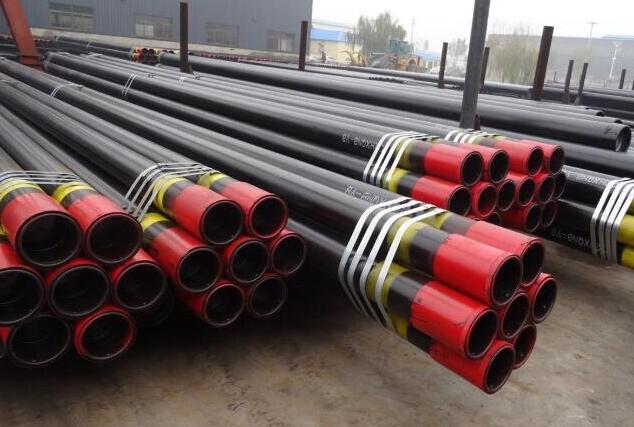
API 5CT L80 Casing TubingGrade Color Codes
Grade
Grade Type
Number and Color of Bands for Product a with Length ³ 1.8 m
Color(s) for Couplings
Entire Coupling
Band(s) b, c
1
2
3
4
5
H40
—
None or black band at the manufacturer’s option
None
Same as for pipe
J55 Tubing
—
One bright green
Bright green
None
J55 Casing
—
One bright green
Bright green
One white
K55
—
Two bright green
Bright green
None
N80
1
One red
Red
None
N80
Q
One red, one bright green
Red
Green
R95
—
One brown
Brown
None
L80
1
One red, one brown
Red
One brown
L80
9Cr
One red, one brown, two yellow
None
Two yellow
L80
13Cr
One red, one brown, one yellow
None
One yellow
C90
1
One purple
Purple
None
T95
1
One silver
Silver
None
C110
—
One white, two brown
White
Two brown
P110
—
One white
White
None
Q125
1
One orange
Orange
None
a In the case of coupling material, unless otherwise specified in the purchase agreement, the manufacturer’s internal requirements shall govern.
b Special clearance couplings shall also have a black band.
c Seal-ring couplings shall also have a blue band.
In addition to quality and compatibility, ASTM A269, A249, and A789 standards also provide guidelines for the testing and inspection of stainless steel coil tubes. These standards require manufacturers to perform various tests, such as chemical analysis, mechanical testing, and non-destructive testing, to ensure that the products meet the specified requirements. By following these testing and inspection procedures, manufacturers can identify any defects or inconsistencies in the stainless steel coil tubes and take corrective actions to ensure their quality and reliability.
Casing Pipe
Furthermore, ASTM A269, A249, and A789 standards for stainless steel coil tubes also address the issue of corrosion resistance. Stainless steel coil tubes are often used in environments where they are exposed to corrosive substances or high temperatures, making corrosion resistance a critical factor in their performance. These standards specify the types of stainless steel materials that are suitable for use in corrosive environments, as well as the surface finish and treatment methods that can enhance their corrosion resistance. By following these guidelines, manufacturers can produce stainless steel coil tubes that are highly resistant to corrosion, ensuring their longevity and reliability in harsh operating conditions.
Overall, the use of ASTM A269, A249, and A789 standards for stainless steel coil tubes offers numerous benefits, including quality assurance, compatibility, testing and inspection guidelines, and corrosion resistance. By adhering to these standards, manufacturers can produce high-quality stainless steel coil tubes that meet the needs of various industries and applications. Whether used in chemical processing, oil and gas production, or medical equipment, stainless steel coil tubes manufactured to ASTM A269, A249, and A789 standards provide a reliable and durable solution for demanding environments.
{:}{:es}
Beneficios de utilizar las normas ASTM A269, A249, A789 para tubos en espiral de acero inoxidable
Los tubos en espiral de acero inoxidable se utilizan ampliamente en diversas industrias por su durabilidad, resistencia a la corrosión y alta resistencia. Cuando se trata de elegir el tubo en espiral de acero inoxidable adecuado para su aplicación, es fundamental tener en cuenta los estándares que rigen su producción. ASTM A269, A249 y A789 son algunas de las normas más utilizadas para tubos flexibles de acero inoxidable, lo que garantiza productos confiables y de alta calidad.
Uno de los beneficios clave de utilizar las normas ASTM A269, A249 y A789 para tubos flexibles de acero inoxidable es la garantía de calidad y consistencia. Estas normas describen los requisitos para la composición química, propiedades mecánicas, dimensiones y tolerancias de los tubos flexibles de acero inoxidable, asegurando que cumplan con las especificaciones necesarias para el uso previsto. Al cumplir con estos estándares, los fabricantes pueden producir tubos en espiral de acero inoxidable de alta calidad y confiabilidad, satisfaciendo las necesidades de diversas industrias.
Otra ventaja de utilizar las normas ASTM A269, A249 y A789 para tubos en espiral de acero inoxidable es la compatibilidad e intercambiabilidad de productos. Estos estándares garantizan que los tubos de serpentín de acero inoxidable producidos por diferentes fabricantes sean compatibles entre sí, lo que permite una fácil instalación y mantenimiento. Esta intercambiabilidad es crucial en industrias donde se utilizan tubos en espiral de acero inoxidable en sistemas o equipos complejos, lo que garantiza un funcionamiento perfecto y un tiempo de inactividad mínimo.
Tubo de revestimiento API 5CT L80Códigos de colores de grado
Grado
Tipo de calificación
Número y color de bandas para el producto a con longitud ³ 1,8 metros
Color(es) para acoplamientos
Acoplamiento completo
Banda(s) b,c
1
2
3
4
5
H40
—
Ninguno o banda negra a opción del fabricante
Ninguno
Igual que para la tubería
Tubo J55
—
Uno verde brillante
Verde brillante
Ninguno
Carcasa J55
—
Uno verde brillante
Verde brillante
Uno blanco
K55
—
Dos verdes brillantes
Verde brillante
Ninguno
N80
1
Uno rojo
Rojo
Ninguno
N80
Q
Uno rojo, uno verde brillante
Rojo
Verde
R95
—
Uno marrón
Marrón
Ninguno
L80
1
Uno rojo, uno marrón
Rojo
Uno marrón
L80
9Cr
Uno rojo, uno marrón, dos amarillos
Ninguno
Dos amarillos
L80
13Cr
Uno rojo, uno marrón, uno amarillo
Ninguno
Uno amarillo
C90
1
Uno morado
Púrpura
Ninguno
T95
1
Uno de plata
Plata
Ninguno
C110
—
Uno blanco, dos marrones
Blanco
Dos marrones
P110
—
Uno blanco
Blanco
Ninguno
Q125
1
Una naranja
Naranja
Ninguno
a En el caso del material de acoplamiento, a menos que se especifique lo contrario en el acuerdo de compra, regirán los requisitos internos del fabricante.
b Los acoplamientos con holgura especial también deberán tener una banda negra.
c Los acoplamientos con anillo de sello también deberán tener una banda azul.
Además de la calidad y la compatibilidad, las normas ASTM A269, A249 y A789 también proporcionan pautas para las pruebas e inspección de tubos en espiral de acero inoxidable. Estas normas exigen que los fabricantes realicen diversas pruebas, como análisis químicos, pruebas mecánicas y pruebas no destructivas, para garantizar que los productos cumplan con los requisitos especificados. Siguiendo estos procedimientos de prueba e inspección, los fabricantes pueden identificar cualquier defecto o inconsistencia en los tubos de bobina de acero inoxidable y tomar acciones correctivas para garantizar su calidad y confiabilidad.
Tubo de revestimiento
Además, las normas ASTM A269, A249 y A789 para bobinas de acero inoxidable Los tubos también abordan la cuestión de la resistencia a la corrosión. Los tubos flexibles de acero inoxidable se utilizan a menudo en entornos donde están expuestos a sustancias corrosivas o altas temperaturas, lo que hace que la resistencia a la corrosión sea un factor crítico en su rendimiento. Estas normas especifican los tipos de materiales de acero inoxidable que son adecuados para su uso en ambientes corrosivos, así como el acabado superficial y los métodos de tratamiento que pueden mejorar su resistencia a la corrosión. Siguiendo estas pautas, los fabricantes pueden producir tubos flexibles de acero inoxidable que son altamente resistentes a la corrosión, lo que garantiza su longevidad y confiabilidad en condiciones operativas adversas.
En general, el uso de las normas ASTM A269, A249 y A789 para tubos flexibles de acero inoxidable ofrece numerosos beneficios, que incluyen garantía de calidad, compatibilidad, pautas de prueba e inspección y resistencia a la corrosión. Al cumplir con estos estándares, los fabricantes pueden producir tubos espirales de acero inoxidable de alta calidad que satisfagan las necesidades de diversas industrias y aplicaciones. Ya sea que se utilicen en procesamiento químico, producción de petróleo y gas o equipos médicos, los tubos flexibles de acero inoxidable fabricados según las normas ASTM A269, A249 y A789 brindan una solución confiable y duradera para entornos exigentes.
{:}{:de}
Vorteile der Verwendung der ASTM A269-, A249- und A789-Standards für Edelstahl-Spulenrohre
Edelstahl-Spulenrohre werden aufgrund ihrer Haltbarkeit, Korrosionsbeständigkeit und hohen Festigkeit in verschiedenen Branchen häufig verwendet. Wenn es darum geht, das richtige Edelstahl-Spulenrohr für Ihre Anwendung auszuwählen, ist es wichtig, die Standards zu berücksichtigen, die seine Produktion regeln. ASTM A269, A249 und A789 gehören zu den am häufigsten verwendeten Standards für Edelstahl-Spulenrohre und gewährleisten qualitativ hochwertige und zuverlässige Produkte.
Einer der Hauptvorteile der Verwendung der ASTM A269-, A249- und A789-Standards für Edelstahl-Spulenrohre ist die Gewährleistung von Qualität und Konsistenz. Diese Normen legen die Anforderungen an die chemische Zusammensetzung, die mechanischen Eigenschaften, die Abmessungen und die Toleranzen von Edelstahl-Spulenrohren fest und stellen sicher, dass sie die erforderlichen Spezifikationen für ihren vorgesehenen Verwendungszweck erfüllen. Durch die Einhaltung dieser Standards können Hersteller Edelstahl-Spulenrohre von hoher Qualität und Zuverlässigkeit herstellen, die den Anforderungen verschiedener Branchen gerecht werden.
Ein weiterer Vorteil der Verwendung der ASTM A269-, A249- und A789-Standards für Edelstahl-Spulenrohre ist die Kompatibilität und Austauschbarkeit von Produkten. Diese Standards stellen sicher, dass von verschiedenen Herstellern hergestellte Edelstahl-Spulenrohre miteinander kompatibel sind, was eine einfache Installation und Wartung ermöglicht. Diese Austauschbarkeit ist in Branchen von entscheidender Bedeutung, in denen Edelstahl-Spulenrohre in komplexen Systemen oder Geräten verwendet werden, um einen reibungslosen Betrieb und minimale Ausfallzeiten zu gewährleisten.
API 5CT L80 GehäuseschlauchGrade-Farbcodes
Note
Notentyp
Anzahl und Farbe der Bänder für das Produkt a mit Länge ³ 1,8 m
Farbe(n) für Kupplungen
Gesamte Kopplung
Band(s) b, c
1
2
3
4
5
H40
—
Kein oder schwarzes Band nach Wahl des Herstellers
Keine
Gleiches wie für Pipe
J55-Schlauch
—
Ein leuchtendes Grün
Hellgrün
Keine
J55-Gehäuse
—
Ein leuchtendes Grün
Hellgrün
Ein Weißer
K55
—
Zwei leuchtend grüne
Hellgrün
Keine
N80
1
Ein Rot
Rot
Keine
N80
Q
Ein Rot, ein Hellgrün
Rot
Grün
R95
—
Ein Braun
Braun
Keine
L80
1
Ein Rot, ein Braun
Rot
Ein Braun
L80
9Cr
Ein Rot, ein Braun, zwei Gelb
Keine
Zwei Gelbe
L80
13Cr
Ein Rot, ein Braun, ein Gelb
Keine
Ein Gelb
C90
1
Ein Lila
Lila
Keine
T95
1
Ein Silber
Silber
Keine
C110
—
Ein Weiß, zwei Braun
Weiß
Zwei Braune
P110
—
Ein Weißer
Weiß
Keine
Q125
1
Eine Orange
Orange
Keine
a Bei Kupplungsmaterial gelten, sofern im Kaufvertrag nichts anderes vereinbart ist, die herstellerinternen Anforderungen.
b Kupplungen mit besonderem Spiel müssen ebenfalls ein schwarzes Band haben.
c Dichtungsringkupplungen müssen ebenfalls ein blaues Band haben.
Zusätzlich zu Qualität und Kompatibilität bieten die Standards ASTM A269, A249 und A789 auch Richtlinien für die Prüfung und Inspektion von Edelstahl-Spulenrohren. Diese Standards verlangen von den Herstellern die Durchführung verschiedener Tests, wie z. B. chemische Analysen, mechanische Tests und zerstörungsfreie Tests, um sicherzustellen, dass die Produkte die festgelegten Anforderungen erfüllen. Durch die Befolgung dieser Test- und Inspektionsverfahren können Hersteller etwaige Mängel oder Inkonsistenzen in den Edelstahl-Spulenrohren erkennen und Korrekturmaßnahmen ergreifen, um deren Qualität und Zuverlässigkeit sicherzustellen.
Gehäuserohr
Außerdem ASTM A269, A249 und A789-Standards für Edelstahl-Spulen Rohre befassen sich auch mit der Frage der Korrosionsbeständigkeit. Spiralrohre aus Edelstahl werden häufig in Umgebungen eingesetzt, in denen sie korrosiven Substanzen oder hohen Temperaturen ausgesetzt sind, sodass die Korrosionsbeständigkeit ein entscheidender Faktor für ihre Leistung ist. Diese Normen legen die Arten von Edelstahlmaterialien fest, die für den Einsatz in korrosiven Umgebungen geeignet sind, sowie die Oberflächenbeschaffenheit und Behandlungsmethoden, die ihre Korrosionsbeständigkeit verbessern können. Durch die Befolgung dieser Richtlinien können Hersteller Edelstahl-Spulenrohre herstellen, die äußerst korrosionsbeständig sind und ihre Langlebigkeit und Zuverlässigkeit unter rauen Betriebsbedingungen gewährleisten.
Insgesamt bietet die Verwendung der ASTM A269-, A249- und A789-Standards für Edelstahl-Spulenrohre Vorteile Zahlreiche Vorteile, darunter Qualitätssicherung, Kompatibilität, Prüf- und Inspektionsrichtlinien sowie Korrosionsbeständigkeit. Durch die Einhaltung dieser Standards können Hersteller hochwertige Edelstahl-Spulenrohre herstellen, die den Anforderungen verschiedener Branchen und Anwendungen gerecht werden. Ob in der chemischen Verarbeitung, der Öl- und Gasproduktion oder in medizinischen Geräten: Spiralrohre aus Edelstahl, die nach den Standards ASTM A269, A249 und A789 hergestellt werden, bieten eine zuverlässige und langlebige Lösung für anspruchsvolle Umgebungen.
{:}{:fr}
Avantages de l’utilisation des normes ASTM A269, A249, A789 pour les tubes en spirale en acier inoxydable
L’un des principaux avantages de l’utilisation des normes ASTM A269, A249 et A789 pour les tubes en serpentin en acier inoxydable est l’assurance de la qualité et de la cohérence. Ces normes décrivent les exigences relatives à la composition chimique, aux propriétés mécaniques, aux dimensions et aux tolérances des tubes en acier inoxydable, garantissant qu’ils répondent aux spécifications nécessaires pour leur utilisation prévue. En adhérant à ces normes, les fabricants peuvent produire des tubes en serpentin en acier inoxydable de haute qualité et fiabilité, répondant aux besoins de diverses industries.
Un autre avantage de l’utilisation des normes ASTM A269, A249 et A789 pour les tubes en serpentin en acier inoxydable est la compatibilité. et l’interchangeabilité des produits. Ces normes garantissent que les tubes de serpentins en acier inoxydable produits par différents fabricants sont compatibles entre eux, permettant une installation et une maintenance faciles. Cette interchangeabilité est cruciale dans les industries où les tubes de bobine en acier inoxydable sont utilisés dans des systèmes ou des équipements complexes, garantissant un fonctionnement fluide et un temps d’arrêt minimal.
Tuyau de boîtier API 5CT L80
Codes de couleur de qualitéNote
Type de note
Nombre et couleur des bandes pour le produit
a avec longueur ³ 1,8 mCouleur(s) pour les accouplements
Accouplement entier
Groupe(s)
b, c H40
1
2
3
4
5
—
Aucun ou bande noire au choix du fabricant
Aucun
Idem que pour le tuyau
Tuyau J55
—
Un vert vif
Vert vif
Aucun
Boîtier J55
—
Un vert vif
Vert vif
Un blanc
K55
—
Deux vert vif
Vert vif
Aucun
N80
Un rouge
1
Rouge
Aucun
N80
Q
Un rouge, un vert vif
Rouge
Vert
R95
—
Un marron
Marron
Aucun
L80
Un rouge, un marron
1
Rouge
Un marron
L80
9Cr
Un rouge, un marron, deux jaunes
Aucun
Deux jaunes
L80
13Cr
Un rouge, un marron, un jaune
Aucun
Un jaune
C90
Un violet
1
Violet
Aucun
T95
Un argent
1
Argent
Aucun
C110
—
Un blanc, deux marron
Blanc
Deux marrons
P110
—
Un blanc
Blanc
Aucun
Q125
Une orange
1
Orange
Aucun
a Dans le cas du matériau d’accouplement, sauf indication contraire dans le contrat d’achat, les exigences internes du fabricant prévaudront.
b Les accouplements à dégagement spécial doivent également avoir une bande noire.
c Les accouplements à bague d’étanchéité doivent également avoir une bande bleue.
En plus de la qualité et de la compatibilité, les normes ASTM A269, A249 et A789 fournissent également des lignes directrices pour les tests et l’inspection des tubes de serpentins en acier inoxydable. Ces normes exigent que les fabricants effectuent divers tests, tels que des analyses chimiques, des tests mécaniques et des tests non destructifs, pour garantir que les produits répondent aux exigences spécifiées. En suivant ces procédures de test et d’inspection, les fabricants peuvent identifier tout défaut ou incohérence dans les tubes de serpentin en acier inoxydable et prendre des mesures correctives pour garantir leur qualité et leur fiabilité.
Casing Pipe
De plus, les normes ASTM A269, A249 et A789 pour les serpentins en acier inoxydable les tubes abordent également la question de la résistance à la corrosion. Les tubes serpentins en acier inoxydable sont souvent utilisés dans des environnements où ils sont exposés à des substances corrosives ou à des températures élevées, ce qui fait de la résistance à la corrosion un facteur critique de leurs performances. Ces normes spécifient les types de matériaux en acier inoxydable adaptés à une utilisation dans des environnements corrosifs, ainsi que les méthodes de finition de surface et de traitement pouvant améliorer leur résistance à la corrosion. En suivant ces directives, les fabricants peuvent produire des tubes de serpentin en acier inoxydable très résistants à la corrosion, garantissant ainsi leur longévité et leur fiabilité dans des conditions de fonctionnement difficiles.
Dans l’ensemble, l’utilisation des normes ASTM A269, A249 et A789 pour les tubes de serpentin en acier inoxydable offre de nombreux avantages, notamment l’assurance qualité, la compatibilité, les directives de test et d’inspection et la résistance à la corrosion. En adhérant à ces normes, les fabricants peuvent produire des tubes en serpentin en acier inoxydable de haute qualité qui répondent aux besoins de diverses industries et applications. Qu’ils soient utilisés dans le traitement chimique, la production pétrolière et gazière ou dans les équipements médicaux, les tubes en serpentin en acier inoxydable fabriqués selon les normes ASTM A269, A249 et A789 offrent une solution fiable et durable pour les environnements exigeants.
In addition to quality and compatibility, ASTM A269, A249, and A789 standards also provide guidelines for the testing and inspection of stainless steel coil tubes. These standards require manufacturers to perform various tests, such as chemical analysis, mechanical testing, and non-destructive testing, to ensure that the products meet the specified requirements. By following these testing and inspection procedures, manufacturers can identify any defects or inconsistencies in the stainless steel coil tubes and take corrective actions to ensure their quality and reliability.
Casing Pipe
Furthermore, ASTM A269, A249, and A789 standards for stainless steel coil tubes also address the issue of corrosion resistance. Stainless steel coil tubes are often used in environments where they are exposed to corrosive substances or high temperatures, making corrosion resistance a critical factor in their performance. These standards specify the types of stainless steel materials that are suitable for use in corrosive environments, as well as the surface finish and treatment methods that can enhance their corrosion resistance. By following these guidelines, manufacturers can produce stainless steel coil tubes that are highly resistant to corrosion, ensuring their longevity and reliability in harsh operating conditions.
Overall, the use of ASTM A269, A249, and A789 standards for stainless steel coil tubes offers numerous benefits, including quality assurance, compatibility, testing and inspection guidelines, and corrosion resistance. By adhering to these standards, manufacturers can produce high-quality stainless steel coil tubes that meet the needs of various industries and applications. Whether used in chemical processing, oil and gas production, or medical equipment, stainless steel coil tubes manufactured to ASTM A269, A249, and A789 standards provide a reliable and durable solution for demanding environments.
{:}{:it}
Vantaggi derivanti dall’utilizzo degli standard ASTM A269, A249, A789 per tubi a spirale in acciaio inossidabile
I tubi a spirale in acciaio inossidabile sono ampiamente utilizzati in vari settori per la loro durata, resistenza alla corrosione ed elevata resistenza. Quando si tratta di scegliere il tubo serpentino in acciaio inossidabile giusto per la propria applicazione, è fondamentale considerare gli standard che ne regolano la produzione. ASTM A269, A249 e A789 sono alcuni degli standard più comunemente utilizzati per i tubi a spirale in acciaio inossidabile, garantendo prodotti affidabili e di alta qualità.
Uno dei principali vantaggi derivanti dall’utilizzo degli standard ASTM A269, A249 e A789 per i tubi a spirale in acciaio inossidabile è la garanzia di qualità e coerenza. Questi standard delineano i requisiti per la composizione chimica, le proprietà meccaniche, le dimensioni e le tolleranze dei tubi a spirale in acciaio inossidabile, garantendo che soddisfino le specifiche necessarie per l’uso previsto. Aderendo a questi standard, i produttori possono produrre tubi a spirale in acciaio inossidabile di alta qualità e affidabilità, soddisfacendo le esigenze di vari settori.
Un altro vantaggio derivante dall’utilizzo degli standard ASTM A269, A249 e A789 per i tubi a spirale in acciaio inossidabile è la compatibilità e intercambiabilità dei prodotti. Questi standard garantiscono che i tubi a spirale in acciaio inossidabile prodotti da diversi produttori siano compatibili tra loro, consentendo una facile installazione e manutenzione. Questa intercambiabilità è fondamentale nei settori in cui i tubi a spirale in acciaio inossidabile vengono utilizzati in sistemi o apparecchiature complessi, garantendo un funzionamento senza interruzioni e tempi di fermo minimi.
Tubo involucro API 5CT L80Codici colore grado
Grado
Tipo di voto
Numero e colore dei cinturini per il prodotto a con lunghezza ³ 1,8 metri
Colore(i) per i giunti
Intero accoppiamento
Banda(i) b,c
1
2
3
4
5
H40
—
Nessuno o banda nera a scelta del produttore
Nessuno
Come per il tubo
Tubo J55
—
Uno verde brillante
Verde brillante
Nessuno
Carcassa J55
—
Uno verde brillante
Verde brillante
Uno bianco
K55
—
Due verde brillante
Verde brillante
Nessuno
N80
1
Uno rosso
Rosso
Nessuno
N80
Q
Uno rosso, uno verde brillante
Rosso
Verde
R95
—
Uno marrone
Marrone
Nessuno
L80
1
Uno rosso, uno marrone
Rosso
Uno marrone
L80
9Cr
Uno rosso, uno marrone, due gialli
Nessuno
Due gialli
L80
13Cr
Uno rosso, uno marrone, uno giallo
Nessuno
Uno giallo
C90
1
Uno viola
Viola
Nessuno
T95
1
Uno d’argento
Argento
Nessuno
C110
—
Uno bianco, due marroni
Bianco
Due marroni
P110
—
Uno bianco
Bianco
Nessuno
Q125
1
Un’arancia
Arancione
Nessuno
a Nel caso del materiale di accoppiamento, se non diversamente specificato nel contratto di acquisto, prevarranno i requisiti interni del produttore.
b Anche i giunti con gioco speciale devono avere una fascia nera.
c Anche gli accoppiamenti con anello di tenuta devono avere una fascia blu.
Oltre a qualità e compatibilità, gli standard ASTM A269, A249 e A789 forniscono anche linee guida per il test e l’ispezione dei tubi a spirale in acciaio inossidabile. Questi standard richiedono ai produttori di eseguire vari test, come analisi chimiche, prove meccaniche e test non distruttivi, per garantire che i prodotti soddisfino i requisiti specificati. Seguendo queste procedure di test e ispezione, i produttori possono identificare eventuali difetti o incongruenze nei tubi delle serpentine in acciaio inossidabile e intraprendere azioni correttive per garantirne la qualità e l’affidabilità.
Tubo involucro
Inoltre, standard ASTM A269, A249 e A789 per le bobine in acciaio inossidabile i tubi affrontano anche il problema della resistenza alla corrosione. I tubi a spirale in acciaio inossidabile sono spesso utilizzati in ambienti in cui sono esposti a sostanze corrosive o ad alte temperature, rendendo la resistenza alla corrosione un fattore critico per le loro prestazioni. Questi standard specificano i tipi di materiali in acciaio inossidabile adatti all’uso in ambienti corrosivi, nonché la finitura superficiale e i metodi di trattamento che possono migliorarne la resistenza alla corrosione. Seguendo queste linee guida, i produttori possono produrre tubi a spirale in acciaio inossidabile altamente resistenti alla corrosione, garantendone longevità e affidabilità in condizioni operative difficili.
Nel complesso, l’uso degli standard ASTM A269, A249 e A789 per i tubi a spirale in acciaio inossidabile offre numerosi vantaggi, tra cui garanzia di qualità, compatibilità, linee guida per test e ispezioni e resistenza alla corrosione. Aderendo a questi standard, i produttori possono produrre tubi a spirale in acciaio inossidabile di alta qualità che soddisfano le esigenze di vari settori e applicazioni. Sia che vengano utilizzati nella lavorazione chimica, nella produzione di petrolio e gas o in apparecchiature mediche, i tubi a spirale in acciaio inossidabile prodotti secondo gli standard ASTM A269, A249 e A789 forniscono una soluzione affidabile e duratura per ambienti esigenti.
{:}{:pl}
Korzyści stosowania norm ASTM A269, A249, A789 dla rur wężowych ze stali nierdzewnej
Rury wężownicowe ze stali nierdzewnej są szeroko stosowane w różnych gałęziach przemysłu ze względu na ich trwałość, odporność na korozję i wysoką wytrzymałość. Wybierając odpowiednią rurę wężową ze stali nierdzewnej do konkretnego zastosowania, należy koniecznie wziąć pod uwagę normy regulujące jej produkcję. ASTM A269, A249 i A789 to jedne z najczęściej stosowanych norm dla rur wężowych ze stali nierdzewnej, zapewniające wysoką jakość i niezawodność produktów.
Jedną z kluczowych korzyści stosowania norm ASTM A269, A249 i A789 dla rur wężowych ze stali nierdzewnej jest zapewnienie jakości i spójności. Normy te określają wymagania dotyczące składu chemicznego, właściwości mechanicznych, wymiarów i tolerancji rur wężowych ze stali nierdzewnej, zapewniając, że spełniają one specyfikacje niezbędne do ich zamierzonego zastosowania. Przestrzegając tych norm, producenci mogą produkować wężownice ze stali nierdzewnej o wysokiej jakości i niezawodności, spełniające potrzeby różnych gałęzi przemysłu.
Kolejną zaletą stosowania norm ASTM A269, A249 i A789 dla wężownic ze stali nierdzewnej jest kompatybilność i wymienność produktów. Normy te zapewniają, że wężownice ze stali nierdzewnej produkowane przez różnych producentów są ze sobą kompatybilne, co pozwala na łatwą instalację i konserwację. Ta wymienność ma kluczowe znaczenie w branżach, w których w złożonych systemach lub urządzeniach stosowane są wężownice ze stali nierdzewnej, zapewniając bezproblemową pracę i minimalne przestoje.
Rura osłonowa API 5CT L80 Kody kolorów stopni
Ocena
Typ oceny
Liczba i kolor pasków dla produktu a z długością ³ 1,8m
Kolor(y) złączy
Całe sprzęgło
Zespół(y) b, c
1
2
3
4
5
H40
—
Brak lub czarny pasek według uznania producenta
Brak
Tak samo jak dla rury
Przewód J55
—
Jeden jasnozielony
Jasnozielony
Brak
Obudowa J55
—
Jeden jasnozielony
Jasnozielony
Jeden biały
K55
—
Dwa jasnozielone
Jasnozielony
Brak
N80
1
Jeden czerwony
Czerwony
Brak
N80
P
Jeden czerwony, jeden jasnozielony
Czerwony
Zielony
R95
—
Jeden brązowy
Brązowy
Brak
L80
1
Jeden czerwony, jeden brązowy
Czerwony
Jeden brązowy
L80
9Cr
Jeden czerwony, jeden brązowy, dwa żółte
Brak
Dwa żółte
L80
13Cr
Jeden czerwony, jeden brązowy, jeden żółty
Brak
Jeden żółty
C90
1
Jeden fioletowy
Fioletowy
Brak
T95
1
Jedno srebro
Srebro
Brak
C110
—
Jeden biały, dwa brązowe
Biały
Dwa brązowe
P110
—
Jeden biały
Biały
Brak
Q125
1
Jedna pomarańcza
Pomarańczowy
Brak
a W przypadku materiału sprzęgającego, o ile w umowie kupna nie określono inaczej, zastosowanie mają wewnętrzne wymagania producenta.
b Sprzęgła ze specjalnym luzem powinny mieć również czarny pasek.
c Złącza z pierścieniem uszczelniającym powinny mieć również niebieską opaskę.
Oprócz jakości i zgodności, normy ASTM A269, A249 i A789 zawierają również wytyczne dotyczące testowania i kontroli wężownic ze stali nierdzewnej. Normy te nakładają na producentów obowiązek przeprowadzania różnych testów, takich jak analiza chemiczna, badania mechaniczne i badania nieniszczące, aby upewnić się, że produkty spełniają określone wymagania. Postępując zgodnie z tymi procedurami testowania i kontroli, producenci mogą zidentyfikować wszelkie defekty lub niespójności w wężownicach ze stali nierdzewnej i podjąć działania naprawcze w celu zapewnienia ich jakości i niezawodności.
Rura osłonowa
Ponadto normy ASTM A269, A249 i A789 dotyczące wężownic ze stali nierdzewnej Rury rozwiązują również kwestię odporności na korozję. Rury wężowe ze stali nierdzewnej są często stosowane w środowiskach, w których są narażone na działanie substancji korozyjnych lub wysokich temperatur, co sprawia, że odporność na korozję jest krytycznym czynnikiem wpływającym na ich działanie. Normy te określają rodzaje materiałów ze stali nierdzewnej, które nadają się do stosowania w środowiskach korozyjnych, a także wykończenie powierzchni i metody obróbki, które mogą zwiększyć ich odporność na korozję. Postępując zgodnie z tymi wytycznymi, producenci mogą produkować wężownice ze stali nierdzewnej, które są wysoce odporne na korozję, zapewniając ich trwałość i niezawodność w trudnych warunkach pracy.
Ogółem, zastosowanie norm ASTM A269, A249 i A789 dla wężownic ze stali nierdzewnej zapewnia liczne korzyści, w tym zapewnienie jakości, kompatybilność, wytyczne dotyczące testowania i inspekcji oraz odporność na korozję. Przestrzegając tych norm, producenci mogą produkować wysokiej jakości cewki ze stali nierdzewnej, które spełniają potrzeby różnych gałęzi przemysłu i zastosowań. Niezależnie od tego, czy są stosowane w przetwórstwie chemicznym, produkcji ropy i gazu, czy w sprzęcie medycznym, wężownice ze stali nierdzewnej produkowane zgodnie z normami ASTM A269, A249 i A789 zapewniają niezawodne i trwałe rozwiązanie dla wymagających środowisk.
스테인레스 스틸 코일 튜브는 내구성, 내식성, 고강도로 인해 다양한 산업 분야에서 널리 사용되고 있습니다. 귀하의 응용 분야에 적합한 스테인레스 스틸 코일 튜브를 선택할 때 생산을 관리하는 표준을 고려하는 것이 중요합니다. ASTM A269, A249 및 A789는 스테인레스 스틸 코일 튜브에 가장 일반적으로 사용되는 표준 중 하나로, 고품질의 신뢰할 수 있는 제품을 보장합니다.
스테인리스 스틸 코일 튜브에 ASTM A269, A249 및 A789 표준을 사용하는 주요 이점 중 하나는 품질과 일관성이 보장된다는 것입니다. 이 표준은 스테인레스 스틸 코일 튜브의 화학적 조성, 기계적 특성, 치수 및 공차에 대한 요구 사항을 간략히 설명하여 의도된 용도에 필요한 사양을 충족하는지 확인합니다. 이러한 표준을 준수함으로써 제조업체는 다양한 산업의 요구를 충족하는 고품질 및 신뢰성을 갖춘 스테인레스 스틸 코일 튜브를 생산할 수 있습니다.
스테인리스 스틸 코일 튜브에 ASTM A269, A249 및 A789 표준을 사용하는 또 다른 이점은 호환성입니다. 그리고 제품의 호환성. 이러한 표준은 서로 다른 제조업체에서 생산한 스테인레스 스틸 코일 튜브가 서로 호환되도록 보장하여 설치 및 유지 관리가 용이합니다. 이러한 호환성은 스테인레스 스틸 코일 튜브가 복잡한 시스템이나 장비에 사용되는 산업에서 매우 중요하며 원활한 작동과 가동 중지 시간 최소화를 보장합니다.
API 5CT L80 케이싱 튜빙등급 색상 코드
등급
등급종류
제품별 밴드 수 및 색상 a 길이 포함 ³ 1.8m
커플링 색상
전체 커플링
밴드 비, 씨
1
2
3
4
5
H40
—
제조사 선택에 따라 없음 또는 검은색 띠
없음
파이프와 동일
J55 튜빙
—
밝은 녹색 1개
밝은 녹색
없음
J55 케이싱
—
밝은 녹색 1개
밝은 녹색
화이트 1개
K55
—
밝은 녹색 2개
밝은 녹색
없음
N80
1
레드 1개
레드
없음
N80
질문
빨간색 하나, 밝은 녹색 하나
레드
그린
R95
—
브라운 1개
브라운
없음
L80
1
빨간색 하나, 갈색 하나
레드
브라운 1개
L80
9Cr
빨간색 1개, 갈색 1개, 노란색 2개
없음
노란색 2개
L80
13Cr
빨간색 하나, 갈색 하나, 노란색 하나
없음
옐로우 1개
C90
1
보라색 1개
보라색
없음
T95
1
실버 1개
실버
없음
C110
—
흰색 1개, 갈색 2개
화이트
브라운 2개
P110
—
화이트 1개
화이트
없음
Q125
1
오렌지 1개
오렌지
없음
a 커플링 자재의 경우 구매계약서에 별도의 규정이 없는 한 제조사 내부 요구사항에 따릅니다.
b 특수 틈새 커플링에도 검은색 띠가 있어야 합니다.
c 씰링 커플링에도 파란색 밴드가 있어야 합니다.
품질 및 호환성 외에도 ASTM A269, A249 및 A789 표준은 스테인리스 스틸 코일 튜브의 테스트 및 검사에 대한 지침도 제공합니다. 이러한 표준에서는 제조업체가 제품이 지정된 요구 사항을 충족하는지 확인하기 위해 화학 분석, 기계적 테스트, 비파괴 테스트 등 다양한 테스트를 수행하도록 요구합니다. 이러한 테스트 및 검사 절차를 따르면 제조업체는 스테인레스 스틸 코일 튜브의 결함이나 불일치를 식별하고 시정 조치를 취하여 품질과 신뢰성을 보장할 수 있습니다.
케이싱 파이프
또한 스테인레스 스틸 코일에 대한 ASTM A269, A249 및 A789 표준 튜브는 또한 내식성 문제도 해결합니다. 스테인레스 스틸 코일 튜브는 부식성 물질이나 고온에 노출되는 환경에서 자주 사용되므로 내식성은 성능에 중요한 요소입니다. 이러한 표준은 부식성 환경에서 사용하기에 적합한 스테인리스강 재료의 유형뿐만 아니라 내부식성을 향상시킬 수 있는 표면 마감 및 처리 방법을 지정합니다. 이러한 지침을 따르면 제조업체는 부식에 매우 강한 스테인리스 스틸 코일 튜브를 생산하여 열악한 작동 조건에서도 수명과 신뢰성을 보장할 수 있습니다.
전체적으로 스테인리스 스틸 코일 튜브에 ASTM A269, A249 및 A789 표준을 사용하면 다음과 같은 장점이 있습니다. 품질 보증, 호환성, 테스트 및 검사 지침, 내식성을 포함한 다양한 이점을 제공합니다. 이러한 표준을 준수함으로써 제조업체는 다양한 산업 및 응용 분야의 요구 사항을 충족하는 고품질 스테인리스 스틸 코일 튜브를 생산할 수 있습니다. 화학 처리, 석유 및 가스 생산, 의료 장비 등 어떤 용도로 사용하든 ASTM A269, A249 및 A789 표준에 따라 제조된 스테인리스 스틸 코일 튜브는 까다로운 환경에 안정적이고 내구성이 뛰어난 솔루션을 제공합니다.

 One of the key benefits of using ASTM A269, A249, and A789 standards for stainless steel coil tubes is the assurance of quality and consistency. These standards outline the requirements for the chemical composition, mechanical properties, dimensions, and tolerances of stainless steel coil tubes, ensuring that they meet the necessary specifications for their intended use. By adhering to these standards, manufacturers can produce stainless steel coil tubes that are of high quality and reliability, meeting the needs of various industries.
Another advantage of using ASTM A269, A249, and A789 standards for stainless steel coil tubes is the compatibility and interchangeability of products. These standards ensure that stainless steel coil tubes produced by different manufacturers are compatible with each other, allowing for easy installation and maintenance. This interchangeability is crucial in industries where stainless steel coil tubes are used in complex systems or equipment, ensuring seamless operation and minimal downtime.
One of the key benefits of using ASTM A269, A249, and A789 standards for stainless steel coil tubes is the assurance of quality and consistency. These standards outline the requirements for the chemical composition, mechanical properties, dimensions, and tolerances of stainless steel coil tubes, ensuring that they meet the necessary specifications for their intended use. By adhering to these standards, manufacturers can produce stainless steel coil tubes that are of high quality and reliability, meeting the needs of various industries.
Another advantage of using ASTM A269, A249, and A789 standards for stainless steel coil tubes is the compatibility and interchangeability of products. These standards ensure that stainless steel coil tubes produced by different manufacturers are compatible with each other, allowing for easy installation and maintenance. This interchangeability is crucial in industries where stainless steel coil tubes are used in complex systems or equipment, ensuring seamless operation and minimal downtime.