Dessins de spécifications de tuyaux et de tubes API 5CT L80
Présentation des spécifications des tubes et boîtiers API 5ct L80
Principales caractéristiques et avantages du boîtier et du tube API 5CT L80
Comprendre l’importance des dessins de spécifications pour les produits API 5CT L80
Les dessins techniques jouent un rôle crucial dans la fabrication et l’application des tubes de tubage et de tubage API 5CT L80, qui sont des composants essentiels dans l’industrie pétrolière et gazière. Ces dessins servent de plans détaillés qui décrivent les exigences et les normes spécifiques qui doivent être respectées pendant le processus de production. Comprendre l’importance de ces dessins de spécifications est vital pour les fabricants, les ingénieurs et les utilisateurs finaux, car ils garantissent que les produits répondent aux critères de performance et de sécurité nécessaires.
Pour commencer, API 5CT est une spécification développée par l’american petroleum. Institut qui régit la fabrication de tubes de tubage et de tubage utilisés dans le forage et la complétion des puits de pétrole et de gaz. La nuance L80, en particulier, est conçue pour résister à des pressions et des températures plus élevées, ce qui la rend adaptée à une utilisation dans des environnements plus exigeants. Les dessins techniques des produits API 5CT L80 fournissent un aperçu complet des propriétés des matériaux, des dimensions et des tolérances requises pour ces tuyaux. En adhérant à ces spécifications, les fabricants peuvent garantir que leurs produits fonctionneront de manière fiable dans les conditions pour lesquelles ils sont destinés.
De plus, les dessins de spécifications facilitent une communication efficace entre toutes les parties impliquées dans la production et l’utilisation des tuyaux API 5CT L80. Les ingénieurs et les concepteurs s’appuient sur ces dessins pour garantir que les tuyaux s’intégreront parfaitement à la conception globale de la structure du puits. Ceci est particulièrement important dans les projets complexes où plusieurs composants doivent fonctionner ensemble harmonieusement. En fournissant une référence claire et standardisée, les dessins de spécifications contribuent à minimiser les malentendus et les erreurs qui pourraient entraîner des retards coûteux ou des risques pour la sécurité.
En plus d’assurer la compatibilité, les dessins de spécifications jouent également un rôle important dans le contrôle qualité. Les fabricants utilisent ces dessins comme référence pour mesurer la qualité de leurs produits. En comparant les tuyaux finis aux spécifications décrites dans les dessins, les fabricants peuvent identifier tout écart ou défaut susceptible de compromettre l’intégrité du produit. Ce processus est essentiel pour maintenir des normes élevées de qualité et de sécurité dans l’industrie pétrolière et gazière, où les conséquences d’une défaillance peuvent être graves.
De plus, les dessins techniques jouent un rôle déterminant dans la conformité réglementaire. L’industrie pétrolière et gazière est soumise à des réglementations strictes qui régissent les matériaux et les processus utilisés dans la production de tubes de tubage et de tubage. En suivant les spécifications décrites dans les dessins API 5CT L80, les fabricants peuvent garantir que leurs produits répondent aux normes juridiques et industrielles nécessaires. Cela protège non seulement le fabricant des répercussions juridiques potentielles, mais garantit également aux utilisateurs finaux qu’ils utilisent des produits fiables et conformes.
En conclusion, l’importance des dessins de spécifications pour les tubes et tubages API 5CT L80 ne peut être surestimée. Ces dessins constituent des outils essentiels pour garantir que les produits sont fabriqués selon les normes les plus élevées de qualité, de sécurité et de performance. Ils facilitent une communication efficace entre les parties prenantes, soutiennent des processus de contrôle qualité rigoureux et garantissent le respect des réglementations de l’industrie. À mesure que l’industrie pétrolière et gazière continue d’évoluer, le recours à des dessins de spécifications précis et détaillés restera la pierre angulaire du succès des opérations, contribuant à terme à la sécurité et à l’efficacité des activités de forage et de production. Comprendre et utiliser ces dessins est impératif pour toute personne impliquée dans le cycle de vie des produits API 5CT L80, de la conception à la mise en œuvre.
API 5CT L80 casing and Tubing Pipes are essential components in the oil and gas industry, specifically designed to withstand the demanding conditions encountered during drilling and production operations. these pipes are manufactured according to the specifications set forth by the American Petroleum institute (API), ensuring a high standard of quality and performance. One of the key features of API 5CT L80 pipes is their material composition, which typically includes a carbon steel alloy that provides enhanced strength and durability. This material is particularly advantageous in environments where resistance to corrosion and wear is critical, as it helps to prolong the lifespan of the pipes and reduce Maintenance costs.
Another significant aspect of API 5CT l80 casing and tubing is their mechanical properties. These pipes are designed to exhibit high yield strength, which is crucial for withstanding the pressures encountered in deep well applications. The L80 designation indicates a minimum yield strength of 80,000 psi, making these pipes suitable for use in challenging conditions, such as high-pressure and high-temperature environments. This strength not only ensures the structural integrity of the pipes but also contributes to the overall safety of drilling operations, as it minimizes the risk of failure during critical phases of extraction.
In addition to their robust mechanical properties, API 5CT L80 pipes are also characterized by their versatility. They can be utilized in various applications, including both onshore and offshore drilling operations. This adaptability makes them a preferred choice for operators looking to optimize their drilling programs across different geographical locations and geological formations. Furthermore, the compatibility of L80 pipes with various types of well completion techniques enhances their appeal, as they can be effectively integrated into a wide range of production systems.
The manufacturing process of API 5CT L80 casing and tubing pipes adheres to stringent quality control measures, ensuring that each pipe meets the required specifications. This includes rigorous testing for dimensional accuracy, mechanical properties, and surface quality. Such thorough inspections not only guarantee the reliability of the pipes but also instill confidence in operators regarding their performance in the field. Additionally, the availability of detailed specification drawings allows engineers and project managers to make informed decisions when selecting the appropriate casing and tubing for their specific applications.
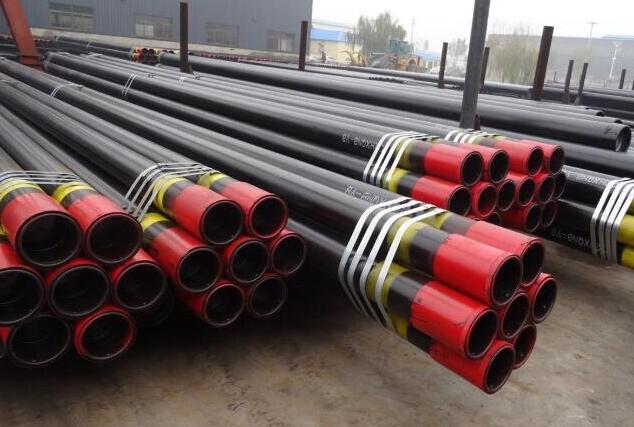 Moreover, the use of API 5CT L80 pipes can lead to significant cost savings over the Life cycle of a drilling project. Their durability and resistance to wear reduce the frequency of replacements and Repairs, thereby minimizing downtime and associated costs. This economic advantage is further enhanced by the efficiency of the drilling process, as the high yield strength of L80 pipes allows for faster drilling rates, ultimately leading to increased productivity.
In conclusion, API 5CT L80 casing and tubing pipes offer a combination of strength, versatility, and reliability that makes them indispensable in the oil and gas industry. Their ability to withstand harsh conditions, coupled with their cost-effectiveness, positions them as a preferred choice for operators seeking to enhance the efficiency and safety of their drilling operations. As the industry continues to evolve, the importance of high-quality materials like API 5CT L80 will remain paramount in meeting the challenges of modern energy extraction.
understanding the Importance of Specification Drawings for API 5CT L80 Products
Specification drawings play a crucial role in the manufacturing and application of API 5CT L80 casing and tubing pipes, which are essential components in the oil and gas industry. These drawings serve as detailed blueprints that outline the specific requirements and standards that must be adhered to during the production process. Understanding the importance of these specification drawings is vital for Manufacturers, engineers, and end-users alike, as they ensure that the products meet the necessary performance and safety criteria.
To begin with, API 5CT is a specification developed by the American Petroleum Institute that governs the manufacturing of casing and tubing pipes used in the drilling and completion of oil and gas wells. The L80 grade, in particular, is designed to withstand higher pressures and temperatures, making it suitable for use in more demanding environments. The specification drawings for API 5CT L80 products provide a comprehensive overview of the material properties, dimensions, and tolerances required for these pipes. By adhering to these specifications, manufacturers can guarantee that their products will perform reliably under the conditions they are intended for.
Moreover, specification drawings facilitate effective communication between all parties involved in the production and use of API 5CT L80 pipes. Engineers and designers rely on these drawings to ensure that the pipes will fit seamlessly into the overall design of the well structure. This is particularly important in complex projects where multiple components must work together harmoniously. By providing a clear and standardized reference, specification drawings help to minimize misunderstandings and errors that could lead to costly delays or safety hazards.
In addition to ensuring compatibility, specification drawings also play a significant role in quality control. Manufacturers use these drawings as a benchmark against which to measure the quality of their products. By comparing the finished pipes to the specifications outlined in the drawings, manufacturers can identify any deviations or defects that may compromise the integrity of the product. This process is essential for maintaining high standards of quality and safety in the oil and gas industry, where the consequences of failure can be severe.
Furthermore, specification drawings are instrumental in regulatory compliance. The oil and gas industry is subject to stringent regulations that govern the materials and processes used in the production of casing and tubing pipes. By following the specifications outlined in the API 5CT L80 drawings, manufacturers can ensure that their products meet the necessary legal and industry standards. This not only protects the manufacturer from potential legal repercussions but also assures end-users that they are using reliable and compliant products.
In conclusion, the importance of specification drawings for API 5CT L80 casing and tubing pipes cannot be overstated. These drawings serve as essential tools for ensuring that products are manufactured to the highest standards of quality, safety, and performance. They facilitate effective communication among stakeholders, support rigorous quality control processes, and ensure compliance with industry regulations. As the oil and gas industry continues to evolve, the reliance on precise and detailed specification drawings will remain a cornerstone of successful operations, ultimately contributing to the safety and efficiency of drilling and production activities. Understanding and utilizing these drawings is imperative for anyone involved in the lifecycle of API 5CT L80 products, from design to implementation.


