
{:en}API 5CT Casing and Tubing Pipe Grade and Specification{:}{:es}Grado y especificación de tuberías y carcasas API 5CT{:}{:de}API 5CT Gehäuse- und Rohrrohrqualität und -spezifikation{:}{:fr}Qualité et spécifications des tubes et boîtiers API 5CT{:}{:ru}Марка и характеристики обсадных и насосно-компрессорных труб API 5CT{:}{:it}Grado e specifiche dei tubi di rivestimento e tubazione API 5CT{:}{:pl}Klasa i specyfikacja rur osłonowych i rurowych API 5CT{:}{:hi}एपीआई 5सीटी आवरण और ट्यूबिंग पाइप ग्रेड और विशिष्टता{:}{:th}เกรดและข้อมูลจำเพาะของท่อปลอกและท่อ API 5CT{:}{:ko}API 5CT 케이싱 및 튜빙 파이프 등급 및 사양{:}{:sv}API 5CT hölje och rörledningskvalitet och specifikation{:}
{:en} Overview of API 5CT Casing and Tubing Pipe API 5CT casing and tubing pipes are essential components in the…
{:en}
Overview of API 5CT Casing and Tubing Pipe
API 5CT casing and tubing pipes are essential components in the oil and gas industry. These pipes are used to protect and support the wellbore during drilling and completion operations. They also provide a pathway for the extraction of oil and gas from the reservoir to the surface. Understanding the grade and specification of API 5CT casing and tubing pipes is crucial for ensuring the success and safety of drilling operations.
API 5CT casing and tubing pipes are manufactured according to the American Petroleum Institute (API) specification 5CT. This specification sets the standards for the design, material, and testing of casing and tubing pipes used in the oil and gas industry. The API 5CT specification covers various grades of casing and tubing pipes, each with specific properties and applications.
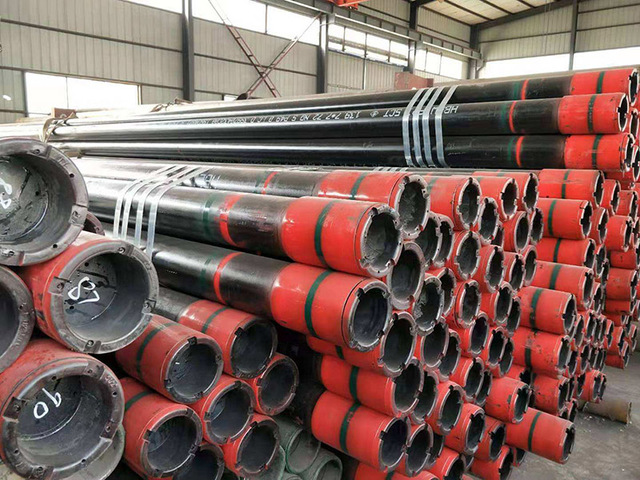
One of the most important aspects of API 5CT casing and tubing pipes is the grade of the material. The grade of the casing and tubing pipes determines their mechanical properties, such as yield strength, tensile strength, and hardness. These properties are crucial for withstanding the high pressures and temperatures encountered during drilling and production operations.
API Spec 5CTAPI 5CT casing and tubing pipes are available in several grades, including H40, J55, K55, N80, L80, C90, T95, P110, and Q125. Each grade has its own unique properties and applications. For example, H40 and J55 are commonly used for shallow wells with low pressure and low temperature conditions, while N80 and L80 are suitable for medium-depth wells with moderate pressure and temperature conditions. P110 and Q125 are high-strength grades used for deep wells with high pressure and high temperature conditions.
In addition to the grade, the specification of API 5CT casing and tubing pipes also includes the size, weight, and thread type. The size of the casing and tubing pipes is specified in terms of outside diameter (OD) and wall thickness. The weight of the pipes is measured in pounds per foot (lb/ft) and determines the load-bearing capacity of the pipes. The thread type refers to the connection mechanism used to join the pipes together.
API 5CT casing and tubing pipes are available in various sizes, ranging from 4 1/2 inches to 20 inches in diameter. The wall thickness of the pipes can range from 0.205 inches to 1.00 inches, depending on the grade and application. The pipes are typically threaded and coupled at the ends to facilitate installation and removal during drilling operations.
oil burner exhaust pipe
In conclusion, API 5CT casing and tubing pipes play a critical role in the oil and gas industry. Understanding the grade and specification of these pipes is essential for ensuring the success and safety of drilling operations. By selecting the appropriate grade, size, weight, and thread type of API 5CT casing and tubing pipes, operators can optimize the performance and reliability of their wells.{:}{:es}
Descripción general de tuberías y revestimientos API 5CT
Las tuberías de revestimiento y tubería API 5CT son componentes esenciales en la industria del petróleo y el gas. Estas tuberías se utilizan para proteger y soportar el pozo durante las operaciones de perforación y terminación. También proporcionan una vía para la extracción de petróleo y gas desde el yacimiento hasta la superficie. Comprender el grado y las especificaciones de las tuberías y revestimientos API 5CT es crucial para garantizar el éxito y la seguridad de las operaciones de perforación.
Las tuberías y revestimientos API 5CT se fabrican de acuerdo con la especificación 5CT del Instituto Americano del Petróleo (API). Esta especificación establece los estándares para el diseño, material y prueba de tuberías de revestimiento y tuberías utilizadas en la industria del petróleo y el gas. La especificación API 5CT cubre varios grados de tuberías de revestimiento y tuberías, cada una con propiedades y aplicaciones específicas.
Uno de los aspectos más importantes de las tuberías y revestimientos API 5CT es la calidad del material. El grado de las tuberías de revestimiento y tubería determina sus propiedades mecánicas, como el límite elástico, la resistencia a la tracción y la dureza. Estas propiedades son cruciales para soportar las altas presiones y temperaturas que se encuentran durante las operaciones de perforación y producción.
API Spec 5CTAPI 5CT Las tuberías de revestimiento y tubería están disponibles en varios grados, incluidos H40, J55, K55, N80, L80, C90, T95, P110. y Q125. Cada grado tiene sus propias propiedades y aplicaciones únicas. Por ejemplo, H40 y J55 se usan comúnmente para pozos poco profundos con condiciones de baja presión y temperatura, mientras que N80 y L80 son adecuados para pozos de profundidad media con condiciones de presión y temperatura moderadas. P110 y Q125 son grados de alta resistencia utilizados para pozos profundos con condiciones de alta presión y alta temperatura.
Además del grado, la especificación de tuberías y carcasas API 5CT también incluye el tamaño, el peso y el tipo de rosca. El tamaño de las tuberías de revestimiento y tubería se especifica en términos de diámetro exterior (OD) y espesor de pared. El peso de las tuberías se mide en libras por pie (lb/ft) y determina la capacidad de carga de las tuberías. El tipo de rosca se refiere al mecanismo de conexión utilizado para unir las tuberías.
Las tuberías de revestimiento y tubería API 5CT están disponibles en varios tamaños, que van desde 4 1/2 pulgadas hasta 20 pulgadas de diámetro. El espesor de la pared de las tuberías puede oscilar entre 0,205 pulgadas y 1,00 pulgadas, según el grado y la aplicación. Los tubos suelen estar roscados y acoplados en los extremos para facilitar la instalación y el desmontaje durante las operaciones de perforación. Comprender el grado y las especificaciones de estas tuberías es esencial para garantizar el éxito y la seguridad de las operaciones de perforación. Al seleccionar el grado, tamaño, peso y tipo de rosca apropiados de tuberías y revestimientos API 5CT, los operadores pueden optimizar el rendimiento y la confiabilidad de sus pozos.{:}{:de}
Übersicht über API 5CT-Gehäuse- und Rohrrohre
API 5CT-Gehäuse- und Rohrrohre sind wesentliche Komponenten in der Öl- und Gasindustrie. Diese Rohre werden zum Schutz und zur Stützung des Bohrlochs während Bohr- und Fertigstellungsarbeiten verwendet. Sie bieten auch einen Weg für die Förderung von Öl und Gas aus der Lagerstätte an die Oberfläche. Um den Erfolg und die Sicherheit von Bohrarbeiten zu gewährleisten, ist es von entscheidender Bedeutung, die Qualität und Spezifikation von API 5CT-Gehäuse- und -Röhrenrohren zu verstehen.
API 5CT-Gehäuse- und -Röhrenrohre werden gemäß der Spezifikation 5CT des American Petroleum Institute (API) hergestellt. Diese Spezifikation legt die Standards für Design, Material und Prüfung von Futterrohren und Rohren fest, die in der Öl- und Gasindustrie verwendet werden. Die API 5CT-Spezifikation umfasst verschiedene Qualitäten von Mantel- und Rohrrohren mit jeweils spezifischen Eigenschaften und Anwendungen.
Einer der wichtigsten Aspekte von API 5CT-Gehäuse- und Rohrrohren ist die Qualität des Materials. Die Qualität der Mantel- und Rohrrohre bestimmt deren mechanische Eigenschaften wie Streckgrenze, Zugfestigkeit und Härte. Diese Eigenschaften sind entscheidend, um den hohen Drücken und Temperaturen standzuhalten, die bei Bohr- und Produktionsvorgängen auftreten.
API Spec 5CTAPI 5CT-Gehäuse- und Rohrrohre sind in verschiedenen Qualitäten erhältlich, darunter H40, J55, K55, N80, L80, C90, T95, P110 und Q125. Jede Sorte hat ihre eigenen einzigartigen Eigenschaften und Anwendungen. Beispielsweise werden H40 und J55 häufig für flache Bohrlöcher mit niedrigen Druck- und Temperaturbedingungen verwendet, während N80 und L80 für mitteltiefe Bohrlöcher mit mäßigen Druck- und Temperaturbedingungen geeignet sind. P110 und Q125 sind hochfeste Sorten, die für Tiefbrunnen mit hohen Druck- und Hochtemperaturbedingungen verwendet werden.
Zusätzlich zur Sorte die Spezifikation Zu den API 5CT-Gehäuse- und Rohrrohren gehören auch die Größe, das Gewicht und der Gewindetyp. Die Größe der Casing- und Tubing-Rohre wird anhand des Außendurchmessers (OD) und der Wandstärke angegeben. Das Gewicht der Rohre wird in Pfund pro Fuß (lb/ft) gemessen und bestimmt die Tragfähigkeit der Rohre. Der Gewindetyp bezieht sich auf den Verbindungsmechanismus, mit dem die Rohre miteinander verbunden werden.
API 5CT-Gehäuse- und Rohrrohre sind in verschiedenen Größen erhältlich, von 4 1/2 Zoll bis 20 Zoll Durchmesser. Die Wandstärke der Rohre kann je nach Qualität und Anwendung zwischen 0,205 Zoll und 1,00 Zoll liegen. Die Rohre sind in der Regel an den Enden mit Gewinden versehen und gekoppelt, um den Einbau und Ausbau während Bohrarbeiten zu erleichtern.
Ölbrenner-Abgasrohr
Zusammenfassend lässt sich sagen, dass API 5CT-Gehäuse- und Rohrrohre in der Öl- und Gasindustrie eine entscheidende Rolle spielen. Um den Erfolg und die Sicherheit von Bohrarbeiten zu gewährleisten, ist es wichtig, die Qualität und Spezifikation dieser Rohre zu kennen. Durch die Auswahl der geeigneten Güteklasse, Größe, des entsprechenden Gewichts und des Gewindetyps der API 5CT-Ummantelungs- und Rohrrohre können Betreiber die Leistung und Zuverlässigkeit ihrer Bohrlöcher optimieren.{:}{:fr}
Présentation du boîtier et du tube API 5CT
L’un des aspects les plus importants des tubages et tubes API 5CT est la qualité du matériau. La qualité des tubes de tubage et de tubage détermine leurs propriétés mécaniques, telles que la limite d’élasticité, la résistance à la traction et la dureté. Ces propriétés sont cruciales pour résister aux pressions et températures élevées rencontrées lors des opérations de forage et de production.
API Spec 5CTLes tubes de tubage et de tubage API 5CT sont disponibles en plusieurs qualités, notamment H40, J55, K55, N80, L80, C90, T95, P110. , et Q125. Chaque qualité possède ses propres propriétés et applications. Par exemple, les H40 et J55 sont couramment utilisés pour les puits peu profonds dans des conditions de pression et de température basses, tandis que les N80 et L80 conviennent aux puits de profondeur moyenne dans des conditions de pression et de température modérées. P110 et Q125 sont des qualités à haute résistance utilisées pour les puits profonds soumis à des conditions de pression et de température élevées.
En plus de la qualité, la spécification des tubes et tubages API 5CT comprend également la taille, le poids et le type de filetage. La taille des tubes de tubage et de tubage est spécifiée en termes de diamètre extérieur (OD) et d’épaisseur de paroi. Le poids des tuyaux est mesuré en livres par pied (lb/ft) et détermine la capacité portante des tuyaux. Le type de filetage fait référence au mécanisme de connexion utilisé pour assembler les tuyaux.
Les tuyaux de boîtier et de tubes API 5CT sont disponibles en différentes tailles, allant de 4 1/2 pouces à 20 pouces de diamètre. L’épaisseur de paroi des tuyaux peut varier de 0,205 pouces à 1,00 pouces, selon la qualité et l’application. Les tuyaux sont généralement filetés et couplés aux extrémités pour faciliter l’installation et le retrait pendant les opérations de forage.
tuyau d’échappement du brûleur à mazout
En conclusion, les tuyaux de tubage et de tubage API 5CT jouent un rôle essentiel dans l’industrie pétrolière et gazière. Comprendre la qualité et les spécifications de ces tuyaux est essentiel pour garantir le succès et la sécurité des opérations de forage. En sélectionnant la qualité, la taille, le poids et le type de filetage appropriés des tuyaux de tubage et de tubage API 5CT, les opérateurs peuvent optimiser les performances et la fiabilité de leurs puits.
One of the most important aspects of API 5CT casing and tubing pipes is the grade of the material. The grade of the casing and tubing pipes determines their mechanical properties, such as yield strength, tensile strength, and hardness. These properties are crucial for withstanding the high pressures and temperatures encountered during drilling and production operations.
API Spec 5CTAPI 5CT casing and tubing pipes are available in several grades, including H40, J55, K55, N80, L80, C90, T95, P110, and Q125. Each grade has its own unique properties and applications. For example, H40 and J55 are commonly used for shallow wells with low pressure and low temperature conditions, while N80 and L80 are suitable for medium-depth wells with moderate pressure and temperature conditions. P110 and Q125 are high-strength grades used for deep wells with high pressure and high temperature conditions.
In addition to the grade, the specification of API 5CT casing and tubing pipes also includes the size, weight, and thread type. The size of the casing and tubing pipes is specified in terms of outside diameter (OD) and wall thickness. The weight of the pipes is measured in pounds per foot (lb/ft) and determines the load-bearing capacity of the pipes. The thread type refers to the connection mechanism used to join the pipes together.
API 5CT casing and tubing pipes are available in various sizes, ranging from 4 1/2 inches to 20 inches in diameter. The wall thickness of the pipes can range from 0.205 inches to 1.00 inches, depending on the grade and application. The pipes are typically threaded and coupled at the ends to facilitate installation and removal during drilling operations.
oil burner exhaust pipe
In conclusion, API 5CT casing and tubing pipes play a critical role in the oil and gas industry. Understanding the grade and specification of these pipes is essential for ensuring the success and safety of drilling operations. By selecting the appropriate grade, size, weight, and thread type of API 5CT casing and tubing pipes, operators can optimize the performance and reliability of their wells.{:}{:ru}
Обзор обсадных и насосно-компрессорных труб API 5CT
API 5CT Обсадные и насосно-компрессорные трубы являются важными компонентами в нефтегазовой отрасли. Эти трубы используются для защиты и поддержки ствола скважины во время бурения и заканчивания скважин. Они также обеспечивают путь для добычи нефти и газа из пласта на поверхность. Понимание марки и спецификации обсадных и насосно-компрессорных труб API 5CT имеет решающее значение для обеспечения успеха и безопасности буровых операций.
Обсадные и насосно-компрессорные трубы API 5CT производятся в соответствии со спецификацией 5CT Американского института нефти (API). Эта спецификация устанавливает стандарты проектирования, материалов и испытаний обсадных и насосно-компрессорных труб, используемых в нефтегазовой промышленности. Спецификация API 5CT охватывает различные марки обсадных и насосно-компрессорных труб, каждая из которых имеет особые свойства и области применения.
Одним из наиболее важных аспектов обсадных и насосно-компрессорных труб API 5CT является марка материала. Марка обсадных и насосно-компрессорных труб определяет их механические свойства, такие как предел текучести, предел прочности и твердость. Эти свойства имеют решающее значение для выдерживания высоких давлений и температур, возникающих во время бурения и добычи.
API Spec 5CTAPI 5CT Обсадные и насосно-компрессорные трубы доступны в нескольких марках, включая H40, J55, K55, N80, L80, C90, T95, P110. и Q125. Каждый сорт имеет свои уникальные свойства и области применения. Например, H40 и J55 обычно используются для неглубоких скважин с низким давлением и низким температурным режимом, а N80 и L80 подходят для скважин средней глубины с умеренным давлением и температурным режимом. P110 и Q125 — высокопрочные марки, используемые для глубоких скважин в условиях высокого давления и высоких температур.
Помимо марки, спецификация обсадных и насосно-компрессорных труб API 5CT также включает размер, вес и тип резьбы. Размер обсадных и насосно-компрессорных труб указывается по наружному диаметру (НД) и толщине стенки. Вес труб измеряется в фунтах на фут (фунт/фут) и определяет несущую способность труб. Тип резьбы относится к механизму соединения, используемому для соединения труб вместе.
Обсадные и насосно-компрессорные трубы API 5CT доступны в различных размерах: от 4 1/2 дюйма до 20 дюймов в диаметре. Толщина стенок труб может варьироваться от 0,205 дюйма до 1,00 дюйма, в зависимости от марки и применения. Трубы обычно имеют резьбу и соединяются на концах, чтобы облегчить установку и демонтаж во время буровых работ.
Выхлопная труба нефтяной горелки
В заключение, обсадные и насосно-компрессорные трубы API 5CT играют решающую роль в нефтегазовой промышленности. Понимание марки и технических характеристик этих труб имеет важное значение для обеспечения успеха и безопасности буровых работ. Выбрав соответствующий сорт, размер, вес и тип резьбы обсадных и насосно-компрессорных труб API 5CT, операторы могут оптимизировать производительность и надежность своих скважин.{:}{:it}
Panoramica dell’involucro e dei tubi API 5CT
I tubi e gli involucri API 5CT sono componenti essenziali nell’industria del petrolio e del gas. Questi tubi vengono utilizzati per proteggere e supportare il pozzo durante le operazioni di perforazione e completamento. Forniscono inoltre un percorso per l’estrazione di petrolio e gas dal giacimento alla superficie. Comprendere il grado e le specifiche dei tubi rivestimento e delle tubazioni API 5CT è fondamentale per garantire il successo e la sicurezza delle operazioni di perforazione.
I tubi rivestimenti e tubazioni API 5CT sono prodotti secondo la specifica 5CT dell’American Petroleum Institute (API). Questa specifica stabilisce gli standard per la progettazione, i materiali e i test dei tubi e degli involucri utilizzati nell’industria petrolifera e del gas. La specifica API 5CT copre vari gradi di tubi e involucri, ciascuno con proprietà e applicazioni specifiche.
Uno degli aspetti più importanti dei tubi e degli involucri API 5CT è la qualità del materiale. Il grado dell’involucro e dei tubi determina le loro proprietà meccaniche, come carico di snervamento, resistenza alla trazione e durezza. Queste proprietà sono fondamentali per resistere alle alte pressioni e temperature incontrate durante le operazioni di perforazione e produzione.
Specifica API 5CTI tubi e rivestimenti API 5CT sono disponibili in diversi gradi, tra cui H40, J55, K55, N80, L80, C90, T95, P110 e Q125. Ogni grado ha le sue proprietà e applicazioni uniche. Ad esempio, H40 e J55 sono comunemente utilizzati per pozzi poco profondi con condizioni di bassa pressione e bassa temperatura, mentre N80 e L80 sono adatti per pozzi di media profondità con condizioni di pressione e temperatura moderate. P110 e Q125 sono gradi ad alta resistenza utilizzati per pozzi profondi con condizioni di alta pressione e alta temperatura.
Oltre al grado, le specifiche dei tubi di rivestimento e tubazione API 5CT include anche le dimensioni, il peso e il tipo di filettatura. La dimensione dell’involucro e dei tubi è specificata in termini di diametro esterno (OD) e spessore della parete. Il peso dei tubi è misurato in libbre per piede (lb/ft) e determina la capacità di carico dei tubi. Il tipo di filettatura si riferisce al meccanismo di collegamento utilizzato per unire insieme i tubi.
I tubi e l’involucro API 5CT sono disponibili in varie dimensioni, che vanno da 4 1/2 pollici a 20 pollici di diametro. Lo spessore delle pareti dei tubi può variare da 0,205 pollici a 1,00 pollici, a seconda del grado e dell’applicazione. I tubi sono generalmente filettati e accoppiati alle estremità per facilitare l’installazione e la rimozione durante le operazioni di perforazione.
tubo di scarico del bruciatore di olio
In conclusione, i tubi di rivestimento e tubazione API 5CT svolgono un ruolo fondamentale nell’industria del petrolio e del gas. Comprendere il grado e le specifiche di questi tubi è essenziale per garantire il successo e la sicurezza delle operazioni di perforazione. Selezionando il grado, le dimensioni, il peso e il tipo di filettatura appropriati dei tubi e tubi API 5CT, gli operatori possono ottimizzare le prestazioni e l’affidabilità dei loro pozzi.{:}{:pl}
Przegląd obudowy i rurki API 5CT
Rury osłonowe i rurowe API 5CT są niezbędnymi komponentami w przemyśle naftowym i gazowym. Rury te służą do ochrony i podparcia odwiertu podczas wiercenia i wykańczania. Zapewniają również drogę do wydobycia ropy i gazu ze złoża na powierzchnię. Zrozumienie gatunku i specyfikacji rur osłonowych i rurowych API 5CT ma kluczowe znaczenie dla zapewnienia powodzenia i bezpieczeństwa operacji wiertniczych.
Rury osłonowe i rurowe API 5CT są produkowane zgodnie ze specyfikacją 5CT Amerykańskiego Instytutu Naftowego (API). Niniejsza specyfikacja ustanawia standardy w zakresie projektowania, materiałów i testowania rur osłonowych i rurowych stosowanych w przemyśle naftowym i gazowym. Specyfikacja API 5CT obejmuje różne gatunki rur osłonowych i rurowych, każdy o określonych właściwościach i zastosowaniach.
Jednym z najważniejszych aspektów rur osłonowych i rurowych API 5CT jest gatunek materiału. Gatunek rur osłonowych i rurowych określa ich właściwości mechaniczne, takie jak granica plastyczności, wytrzymałość na rozciąganie i twardość. Właściwości te mają kluczowe znaczenie dla wytrzymywania wysokich ciśnień i temperatur występujących podczas wiercenia i produkcji.
Rury osłonowe i rurowe API Spec 5CTAPI 5CT są dostępne w kilku gatunkach, w tym H40, J55, K55, N80, L80, C90, T95, P110 i Q125. Każdy gatunek ma swoje unikalne właściwości i zastosowania. Na przykład H40 i J55 są powszechnie stosowane w płytkich odwiertach o niskim ciśnieniu i niskiej temperaturze, podczas gdy N80 i L80 są odpowiednie w przypadku odwiertów średniej głębokości o umiarkowanych warunkach ciśnienia i temperatury. P110 i Q125 to gatunki o wysokiej wytrzymałości stosowane w odwiertach głębokich, w których panuje wysokie ciśnienie i wysoka temperatura.
Oprócz gatunku, specyfikacja rur osłonowych i rurowych API 5CT obejmuje również rozmiar, wagę i rodzaj gwintu. Rozmiar rur osłonowych i rurowych określa się na podstawie średnicy zewnętrznej (OD) i grubości ścianki. Ciężar rur mierzony jest w funtach na stopę (lb/ft) i określa nośność rur. Rodzaj gwintu odnosi się do mechanizmu łączącego używanego do łączenia rur.
Rury osłonowe i rurki API 5CT są dostępne w różnych rozmiarach, o średnicy od 4 1/2 cala do 20 cali. Grubość ścianki rur może wynosić od 0,205 cala do 1,00 cala, w zależności od gatunku i zastosowania. Rury są zazwyczaj gwintowane i łączone na końcach, aby ułatwić montaż i demontaż podczas operacji wiercenia.
Rura wydechowa palnika olejowego
Podsumowując, rury osłonowe i rurowe API 5CT odgrywają kluczową rolę w przemyśle naftowym i gazowym. Zrozumienie gatunku i specyfikacji tych rur jest niezbędne dla zapewnienia powodzenia i bezpieczeństwa operacji wiertniczych. Wybierając odpowiedni gatunek, rozmiar, wagę i rodzaj gwintu rur osłonowych i rurowych API 5CT, operatorzy mogą zoptymalizować wydajność i niezawodność swoich odwiertów.{:}{:hi}
एपीआई 5सीटी केसिंग और ट्यूबिंग पाइप का अवलोकन
एपीआई 5सीटी केसिंग और ट्यूबिंग पाइप तेल और गैस उद्योग में आवश्यक घटक हैं। इन पाइपों का उपयोग ड्रिलिंग और समापन कार्यों के दौरान वेलबोर की सुरक्षा और समर्थन के लिए किया जाता है। वे जलाशय से सतह तक तेल और गैस निकालने के लिए एक मार्ग भी प्रदान करते हैं। ड्रिलिंग कार्यों की सफलता और सुरक्षा सुनिश्चित करने के लिए एपीआई 5सीटी केसिंग और टयूबिंग पाइप के ग्रेड और विनिर्देश को समझना महत्वपूर्ण है।
एपीआई 5सीटी केसिंग और टयूबिंग पाइप अमेरिकन पेट्रोलियम इंस्टीट्यूट (एपीआई) विनिर्देश 5सीटी के अनुसार निर्मित होते हैं। यह विनिर्देश तेल और गैस उद्योग में उपयोग किए जाने वाले आवरण और ट्यूबिंग पाइप के डिजाइन, सामग्री और परीक्षण के लिए मानक निर्धारित करता है। एपीआई 5सीटी विनिर्देश केसिंग और टयूबिंग पाइप के विभिन्न ग्रेड को कवर करता है, प्रत्येक विशिष्ट गुणों और अनुप्रयोगों के साथ।
एपीआई 5सीटी केसिंग और ट्यूबिंग पाइप के सबसे महत्वपूर्ण पहलुओं में से एक सामग्री का ग्रेड है। आवरण और ट्यूबिंग पाइप का ग्रेड उनके यांत्रिक गुणों, जैसे उपज शक्ति, तन्य शक्ति और कठोरता को निर्धारित करता है। ये गुण ड्रिलिंग और उत्पादन कार्यों के दौरान आने वाले उच्च दबाव और तापमान को झेलने के लिए महत्वपूर्ण हैं। , और Q125. प्रत्येक ग्रेड के अपने विशिष्ट गुण और अनुप्रयोग होते हैं। उदाहरण के लिए, H40 और J55 का उपयोग आमतौर पर कम दबाव और कम तापमान की स्थिति वाले उथले कुओं के लिए किया जाता है, जबकि N80 और L80 मध्यम दबाव और तापमान की स्थिति वाले मध्यम गहराई वाले कुओं के लिए उपयुक्त होते हैं। P110 और Q125 उच्च शक्ति वाले ग्रेड हैं जिनका उपयोग उच्च दबाव और उच्च तापमान की स्थिति वाले गहरे कुओं के लिए किया जाता है।
[एम्बेड]https://www.youtube.com/embed/tEoNckWVwVU[/embed]ग्रेड के अलावा, विशिष्टता एपीआई 5सीटी केसिंग और ट्यूबिंग पाइप में आकार, वजन और धागे का प्रकार भी शामिल है। आवरण और ट्यूबिंग पाइप का आकार बाहरी व्यास (ओडी) और दीवार की मोटाई के संदर्भ में निर्दिष्ट है। पाइपों का वजन पाउंड प्रति फुट (एलबी/फीट) में मापा जाता है और पाइपों की भार वहन क्षमता निर्धारित करता है। थ्रेड प्रकार पाइपों को एक साथ जोड़ने के लिए उपयोग किए जाने वाले कनेक्शन तंत्र को संदर्भित करता है। पाइप की दीवार की मोटाई ग्रेड और अनुप्रयोग के आधार पर 0.205 इंच से 1.00 इंच तक हो सकती है। ड्रिलिंग संचालन के दौरान स्थापना और हटाने की सुविधा के लिए पाइपों को आम तौर पर सिरों पर पिरोया और जोड़ा जाता है।
तेल बर्नर निकास पाइप
निष्कर्ष में, एपीआई 5CT आवरण और टयूबिंग पाइप तेल और गैस उद्योग में महत्वपूर्ण भूमिका निभाते हैं। ड्रिलिंग कार्यों की सफलता और सुरक्षा सुनिश्चित करने के लिए इन पाइपों के ग्रेड और विनिर्देश को समझना आवश्यक है। एपीआई 5सीटी केसिंग और ट्यूबिंग पाइप के उचित ग्रेड, आकार, वजन और थ्रेड प्रकार का चयन करके, ऑपरेटर अपने कुओं के प्रदर्शन और विश्वसनीयता को अनुकूलित कर सकते हैं।{:}{:th}
ท่อปลอกและท่อ API 5CT เป็นส่วนประกอบสำคัญในอุตสาหกรรมน้ำมันและก๊าซ ท่อเหล่านี้ใช้เพื่อปกป้องและรองรับหลุมเจาะระหว่างการขุดเจาะและการดำเนินการให้เสร็จสิ้น อีกทั้งยังเป็นช่องทางในการสกัดน้ำมันและก๊าซจากแหล่งกักเก็บสู่พื้นผิวอีกด้วย การทำความเข้าใจเกรดและข้อมูลจำเพาะของท่อปลอกและท่อ API 5CT มีความสำคัญอย่างยิ่งต่อความสำเร็จและความปลอดภัยของการขุดเจาะ
ท่อปลอกและท่อ API 5CT ผลิตตามข้อกำหนด 5CT ของสถาบันปิโตรเลียมแห่งอเมริกา (API) ข้อมูลจำเพาะนี้กำหนดมาตรฐานสำหรับการออกแบบ วัสดุ และการทดสอบท่อปลอกและท่อที่ใช้ในอุตสาหกรรมน้ำมันและก๊าซ ข้อมูลจำเพาะ API 5CT ครอบคลุมเกรดต่างๆ ของท่อปลอกและท่อ โดยแต่ละเกรดมีคุณสมบัติและการใช้งานเฉพาะ
สิ่งสำคัญที่สุดประการหนึ่งของปลอกท่อและท่อ API 5CT คือเกรดของวัสดุ เกรดของท่อปลอกและท่อเป็นตัวกำหนดคุณสมบัติทางกล เช่น ความแข็งแรงของผลผลิต ความต้านทานแรงดึง และความแข็ง คุณสมบัติเหล่านี้มีความสำคัญอย่างยิ่งในการทนต่อแรงกดดันและอุณหภูมิสูงที่พบในระหว่างการขุดเจาะและการผลิต
ท่อปลอกและท่อ API Spec 5CTAPI 5CT มีจำหน่ายหลายเกรด รวมถึง H40, J55, K55, N80, L80, C90, T95, P110 และ Q125 แต่ละเกรดมีคุณสมบัติและการใช้งานเฉพาะของตัวเอง ตัวอย่างเช่น H40 และ J55 มักใช้กับบ่อน้ำตื้นที่มีสภาวะความดันต่ำและอุณหภูมิต่ำ ในขณะที่ N80 และ L80 เหมาะสำหรับบ่อน้ำลึกปานกลางที่มีสภาวะความดันและอุณหภูมิปานกลาง P110 และ Q125 เป็นเกรดความแข็งแรงสูงที่ใช้สำหรับบ่อลึกที่มีสภาวะความดันสูงและอุณหภูมิสูง
นอกเหนือจากเกรดแล้ว ข้อกำหนดเฉพาะ ของท่อปลอกและท่อ API 5CT ยังรวมถึงขนาด น้ำหนัก และประเภทเกลียวด้วย ขนาดของท่อปลอกและท่อระบุเป็นเส้นผ่านศูนย์กลางภายนอก (OD) และความหนาของผนัง น้ำหนักของท่อวัดเป็นปอนด์ต่อฟุต (ปอนด์/ฟุต) และกำหนดความสามารถในการรับน้ำหนักของท่อ ประเภทของเกลียวหมายถึงกลไกการเชื่อมต่อที่ใช้ในการต่อท่อเข้าด้วยกัน
ปลอกและท่อท่อ API 5CT มีจำหน่ายหลายขนาด ตั้งแต่เส้นผ่านศูนย์กลาง 4 1/2 นิ้ว ถึง 20 นิ้ว ความหนาของผนังท่อมีตั้งแต่ 0.205 นิ้ว ถึง 1.00 นิ้ว ขึ้นอยู่กับเกรดและการใช้งาน โดยทั่วไปแล้วท่อจะถูกต่อเกลียวและต่อเข้าด้วยกันที่ปลายเพื่ออำนวยความสะดวกในการติดตั้งและการถอดออกระหว่างการขุดเจาะ
ท่อไอเสียของเตาน้ำมัน
โดยสรุป ท่อปลอกและท่อ API 5CT มีบทบาทสำคัญในอุตสาหกรรมน้ำมันและก๊าซ การทำความเข้าใจเกรดและข้อมูลจำเพาะของท่อเหล่านี้ถือเป็นสิ่งสำคัญเพื่อให้มั่นใจในความสำเร็จและความปลอดภัยของการขุดเจาะ ด้วยการเลือกเกรด ขนาด น้ำหนัก และประเภทเกลียวที่เหมาะสมของท่อปลอกและท่อ API 5CT ผู้ปฏิบัติงานสามารถปรับประสิทธิภาพและความน่าเชื่อถือของหลุมให้เหมาะสมที่สุด
One of the most important aspects of API 5CT casing and tubing pipes is the grade of the material. The grade of the casing and tubing pipes determines their mechanical properties, such as yield strength, tensile strength, and hardness. These properties are crucial for withstanding the high pressures and temperatures encountered during drilling and production operations.
API Spec 5CTAPI 5CT casing and tubing pipes are available in several grades, including H40, J55, K55, N80, L80, C90, T95, P110, and Q125. Each grade has its own unique properties and applications. For example, H40 and J55 are commonly used for shallow wells with low pressure and low temperature conditions, while N80 and L80 are suitable for medium-depth wells with moderate pressure and temperature conditions. P110 and Q125 are high-strength grades used for deep wells with high pressure and high temperature conditions.
In addition to the grade, the specification of API 5CT casing and tubing pipes also includes the size, weight, and thread type. The size of the casing and tubing pipes is specified in terms of outside diameter (OD) and wall thickness. The weight of the pipes is measured in pounds per foot (lb/ft) and determines the load-bearing capacity of the pipes. The thread type refers to the connection mechanism used to join the pipes together.
API 5CT casing and tubing pipes are available in various sizes, ranging from 4 1/2 inches to 20 inches in diameter. The wall thickness of the pipes can range from 0.205 inches to 1.00 inches, depending on the grade and application. The pipes are typically threaded and coupled at the ends to facilitate installation and removal during drilling operations.
oil burner exhaust pipe
In conclusion, API 5CT casing and tubing pipes play a critical role in the oil and gas industry. Understanding the grade and specification of these pipes is essential for ensuring the success and safety of drilling operations. By selecting the appropriate grade, size, weight, and thread type of API 5CT casing and tubing pipes, operators can optimize the performance and reliability of their wells.{:}{:ko}
API 5CT 케이싱 및 튜빙 파이프 개요
API 5CT 케이싱 및 튜빙 파이프는 석유 및 가스 산업의 필수 구성 요소입니다. 이 파이프는 시추 및 완료 작업 중에 유정을 보호하고 지지하는 데 사용됩니다. 그들은 또한 저장소에서 표면까지 석유와 가스를 추출하기 위한 경로를 제공합니다. API 5CT 케이싱 및 튜빙 파이프의 등급과 사양을 이해하는 것은 시추 작업의 성공과 안전을 보장하는 데 중요합니다.
API 5CT 케이싱 및 튜빙 파이프는 API(American Petroleum Institute) 사양 5CT에 따라 제조됩니다. 이 사양은 석유 및 가스 산업에 사용되는 케이싱 및 튜빙 파이프의 설계, 재료 및 테스트에 대한 표준을 설정합니다. API 5CT 사양은 각각 특정 특성과 용도를 지닌 다양한 등급의 케이싱 및 튜빙 파이프를 다루고 있습니다.
API 5CT 케이싱 및 튜빙 파이프의 가장 중요한 측면 중 하나는 재료의 등급입니다. 케이싱 및 튜빙 파이프의 등급에 따라 항복 강도, 인장 강도 및 경도와 같은 기계적 특성이 결정됩니다. 이러한 특성은 드릴링 및 생산 작업 중에 발생하는 높은 압력과 온도를 견디는 데 중요합니다.
API 사양 5CTAPI 5CT 케이싱 및 튜빙 파이프는 H40, J55, K55, N80, L80, C90, T95, P110을 포함한 여러 등급으로 제공됩니다. 및 Q125. 각 등급에는 고유한 특성과 용도가 있습니다. 예를 들어, H40 및 J55는 일반적으로 저압 및 저온 조건의 얕은 우물에 사용되는 반면, N80 및 L80은 적당한 압력 및 온도 조건의 중간 깊이 우물에 적합합니다. P110, Q125는 고압, 고온 조건의 깊은 우물에 사용되는 고강도 그레이드입니다.
그레이드 외에 사양도 API 5CT 케이싱 및 튜빙 파이프에는 크기, 무게 및 나사 유형도 포함됩니다. 케이싱 및 튜빙 파이프의 크기는 외경(OD)과 벽 두께에 따라 지정됩니다. 파이프의 무게는 피트당 파운드(lb/ft)로 측정되며 파이프의 하중 지지 용량을 결정합니다. 스레드 유형은 파이프를 서로 연결하는 데 사용되는 연결 메커니즘을 나타냅니다.
API 5CT 케이싱 및 튜빙 파이프는 직경 4 1/2인치에서 20인치까지 다양한 크기로 제공됩니다. 파이프의 벽 두께는 등급과 용도에 따라 0.205인치에서 1.00인치까지 다양합니다. 파이프는 일반적으로 드릴링 작업 중 설치 및 제거를 용이하게 하기 위해 끝 부분에 나사산이 있고 결합되어 있습니다.
오일 버너 배기관
결론적으로 API 5CT 케이싱 및 튜빙 파이프는 석유 및 가스 산업에서 중요한 역할을 합니다. 시추 작업의 성공과 안전을 보장하려면 이러한 파이프의 등급과 사양을 이해하는 것이 필수적입니다. API 5CT 케이싱 및 튜빙 파이프의 적절한 등급, 크기, 무게 및 스레드 유형을 선택함으로써 운영자는 유정의 성능과 신뢰성을 최적화할 수 있습니다.{:}{:sv}
Översikt över API 5CT hölje och rörledning
API 5CT hölje och rörledningar är viktiga komponenter i olje- och gasindustrin. Dessa rör används för att skydda och stödja borrhålet under borrnings- och kompletteringsoperationer. De tillhandahåller också en väg för utvinning av olja och gas från reservoaren till ytan. Att förstå kvaliteten och specifikationen för API 5CT hölje och slangrör är avgörande för att säkerställa framgång och säkerhet vid borrning.
API 5CT hölje och slangrör är tillverkade enligt American Petroleum Institute (API) specifikation 5CT. Denna specifikation sätter standarderna för design, material och testning av hölje och rör som används inom olje- och gasindustrin. API 5CT-specifikationen täcker olika kvaliteter av hölje och rör, var och en med specifika egenskaper och tillämpningar.
En av de viktigaste aspekterna av API 5CT hölje och rörledningar är kvaliteten på materialet. Kvaliteten på höljet och rörrören avgör deras mekaniska egenskaper, såsom sträckgräns, draghållfasthet och hårdhet. Dessa egenskaper är avgörande för att klara de höga tryck och temperaturer som uppstår under borrning och produktionsoperationer.
API Spec 5CTAPI 5CT hölje och rörledningar finns i flera kvaliteter, inklusive H40, J55, K55, N80, L80, C90, T95, P110 och Q125. Varje klass har sina egna unika egenskaper och tillämpningar. Till exempel används H40 och J55 vanligtvis för grunda brunnar med lågt tryck och låga temperaturförhållanden, medan N80 och L80 är lämpliga för medeldjupa brunnar med måttliga tryck- och temperaturförhållanden. P110 och Q125 är höghållfasta kvaliteter som används för djupa brunnar med högt tryck och höga temperaturer.
Förutom kvaliteten, specifikationen API 5CT hölje och slangrör inkluderar även storlek, vikt och gängtyp. Storleken på höljet och rörledningarna är specificerade i termer av ytterdiameter (OD) och väggtjocklek. Vikten på rören mäts i pund per fot (lb/ft) och bestämmer rörens bärförmåga. Gängtypen hänvisar till anslutningsmekanismen som används för att sammanfoga rören.
API 5CT hölje och slangrör finns i olika storlekar, från 4 1/2 tum till 20 tum i diameter. Väggtjockleken på rören kan variera från 0,205 tum till 1,00 tum, beroende på kvalitet och tillämpning. Rören är vanligtvis gängade och kopplade i ändarna för att underlätta installation och demontering under borrning.
avgasrör från oljebrännare
Sammanfattningsvis spelar API 5CT hölje och rörrör en avgörande roll i olje- och gasindustrin. Att förstå kvaliteten och specifikationen för dessa rör är avgörande för att säkerställa framgång och säkerhet vid borrning. Genom att välja lämplig kvalitet, storlek, vikt och gängtyp för API 5CT-hölje och slangrör kan operatörer optimera prestanda och tillförlitlighet för sina brunnar.{:}


